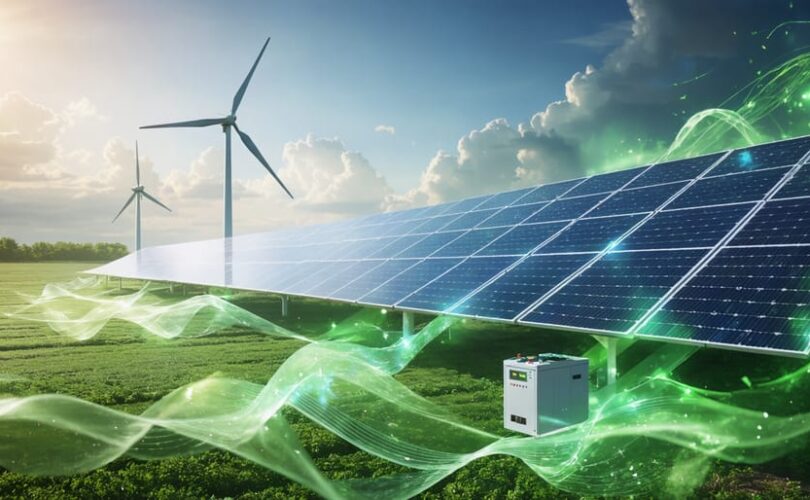
Hybrid photovoltaic systems represent a groundbreaking evolution in renewable energy technology, combining traditional photovoltaic technology with complementary power sources to maximize efficiency and reliability. These innovative systems integrate solar panels with energy storage solutions, conventional generators, or wind turbines, creating a robust power infrastructure that addresses the intermittent nature of solar energy. By seamlessly switching between multiple energy sources and storage systems, hybrid installations ensure consistent power supply while optimizing energy consumption patterns.
The significance of hybrid photovoltaic systems extends beyond mere power generation – they represent a crucial stepping stone toward grid independence and sustainable energy management. In commercial applications, these systems can reduce operational costs by up to 40% while providing uninterrupted power supply during grid outages. For residential users, hybrid systems offer the perfect balance between energy autonomy and grid connectivity, enabling homeowners to maximize self-consumption of solar energy while maintaining the security of grid backup.
As global energy demands evolve and grid infrastructure faces increasing pressure, hybrid photovoltaic systems emerge as a practical solution that combines the best of renewable and conventional energy technologies, providing a blueprint for the future of sustainable power generation.

Understanding Hybrid PV System Components
Solar PV Modules and Arrays
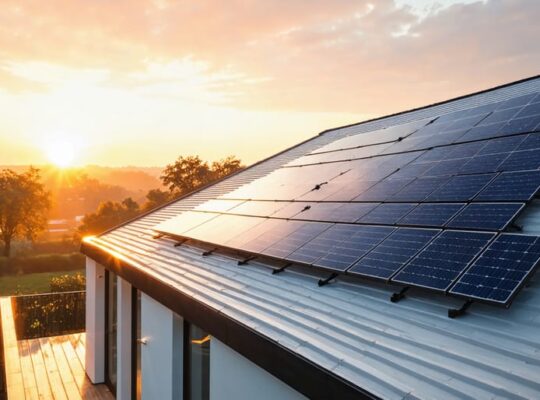
In hybrid photovoltaic systems, solar PV modules serve as the primary power generation components, available in various types including monocrystalline, polycrystalline, and thin-film technologies. These modules are typically arranged in arrays to achieve desired power output levels, with series connections increasing voltage and parallel connections boosting current capacity.
Module selection depends on several factors, including available space, efficiency requirements, and environmental conditions. Monocrystalline panels offer higher efficiency and are ideal for limited space installations, while polycrystalline modules provide a cost-effective solution for larger areas. Thin-film panels, though less efficient, perform better in low-light conditions and high temperatures.
Arrays in hybrid systems are configured to optimize power generation while considering system integration requirements. Modern installations often incorporate maximum power point tracking (MPPT) technology to enhance energy yield. The array configuration must also account for factors such as shading patterns, orientation angles, and maintenance accessibility to ensure optimal system performance throughout its operational lifetime.
Battery Storage Systems
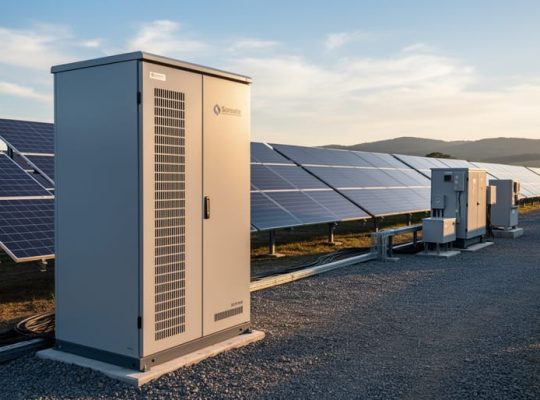
Battery storage systems are crucial components in hybrid photovoltaic installations, enabling efficient energy management and continuous power availability. These systems store excess energy generated during peak sunlight hours for use during nighttime or low solar production periods. Modern battery technologies commonly used in hybrid PV systems include lithium-ion, lead-acid, and flow batteries, each offering distinct advantages for different applications.
Lithium-ion batteries have become increasingly popular due to their high energy density, longer lifecycle, and declining costs. These batteries typically maintain 80% of their original capacity after thousands of charging cycles and require minimal maintenance. Lead-acid batteries, while more economical initially, offer lower energy density and shorter lifespans but remain viable for smaller installations.
The integration of battery storage systems requires sophisticated charge controllers and battery management systems (BMS) to optimize charging cycles, prevent overcharging, and extend battery life. These controllers monitor battery temperature, state of charge, and other critical parameters to ensure safe and efficient operation.
System sizing depends on factors including daily energy consumption patterns, required backup duration, and peak load requirements. Professional system designers typically recommend battery capacity that provides 1-3 days of energy autonomy based on specific installation requirements.
Grid Connection and Control Systems
Grid connection components in hybrid photovoltaic systems enable seamless power flow between solar arrays, energy storage, and the utility grid. The system typically includes a bidirectional inverter, which converts DC power from solar panels and batteries to AC power for grid supply and household use. Advanced monitoring and control systems manage power distribution, automatically switching between energy sources based on consumption patterns and grid conditions.
Modern control systems incorporate smart energy management algorithms that optimize system performance by predicting energy needs, monitoring weather patterns, and adjusting power flow accordingly. Essential protection devices, including automatic transfer switches and isolation mechanisms, ensure safe operation and compliance with utility regulations. The integration of remote monitoring capabilities allows system owners to track performance metrics, energy production, and consumption data in real-time through web-based platforms or mobile applications.
Implementation Strategies for Hybrid PV Systems
Site Assessment and System Sizing
A successful hybrid photovoltaic system implementation begins with a thorough site assessment and accurate system sizing. The evaluation process starts with analyzing the location’s solar resource potential through solar irradiance data and conducting detailed shade analysis. Key factors include roof orientation, tilt angle, and available installation area.
Professional assessors employ advanced tools such as solar pathfinders and digital modeling software to determine optimal panel placement and predict annual energy yield. They also evaluate structural integrity to ensure the installation site can support the system’s weight and wind loads.
Load analysis forms a crucial component of system sizing. This involves calculating average daily energy consumption patterns, peak demand periods, and seasonal variations. For hybrid systems, particular attention must be paid to critical loads that require uninterrupted power supply.
The battery storage capacity is determined based on desired autonomy period, depth of discharge limitations, and backup power requirements. Grid interaction patterns and local utility policies influence the sizing of grid-tie components and inverter specifications.
System designers must also consider future expansion possibilities and changing energy needs. Environmental factors such as temperature variations, dust levels, and precipitation patterns affect equipment selection and system efficiency calculations.
A comprehensive site assessment typically includes:
– Solar resource evaluation
– Structural analysis
– Electrical infrastructure assessment
– Load profile analysis
– Battery storage requirements
– Grid connection parameters
– Environmental considerations
Integration with Existing Infrastructure
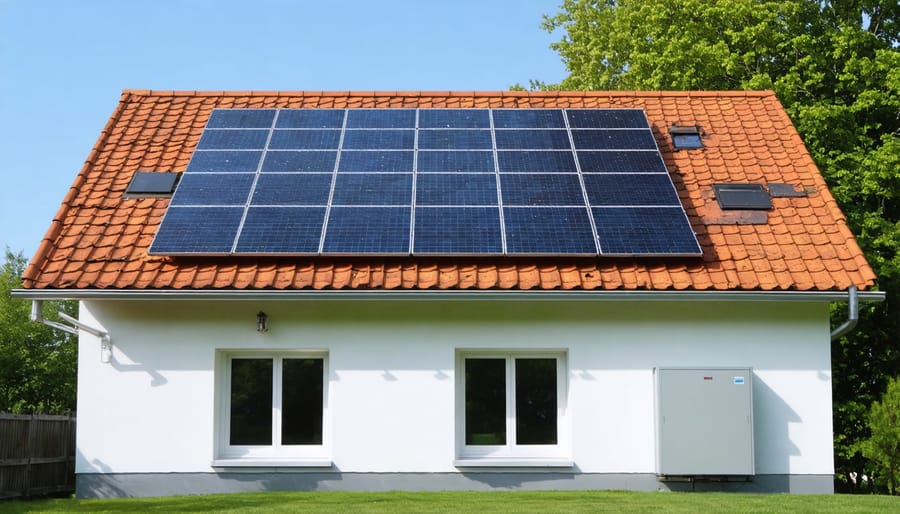
Integrating hybrid photovoltaic systems with existing electrical infrastructure requires careful planning and implementation to ensure seamless operation. The process begins with a comprehensive site assessment to evaluate the current electrical system’s capacity and compatibility. This assessment helps determine necessary upgrades and modifications to accommodate the new hybrid system.
The integration typically involves installing a bi-directional meter and smart monitoring systems that enable proper power flow management between the hybrid system, utility grid, and local loads. A crucial component is the installation of advanced inverters that can synchronize with the grid while maintaining power quality standards. These inverters must comply with local utility requirements and relevant IEEE standards.
Modern distributed solar power systems require sophisticated protection mechanisms, including anti-islanding features and automatic transfer switches, to ensure safety during grid outages. The integration process also involves updating electrical panels, installing proper grounding systems, and implementing surge protection devices.
Key integration steps include:
– Upgrading main service panels if necessary
– Installing appropriate disconnects and protection devices
– Implementing communication protocols between system components
– Configuring energy management systems
– Testing and commissioning all interconnected components
Proper documentation and obtaining necessary permits from local authorities are essential steps in the integration process. Regular maintenance schedules should be established to ensure optimal system performance and longevity.
Monitoring and Maintenance Protocols
Regular monitoring and maintenance are crucial for ensuring optimal performance and longevity of hybrid photovoltaic systems. A comprehensive monitoring strategy should include both automated system surveillance and scheduled physical inspections. Modern hybrid systems typically incorporate remote monitoring capabilities that track power generation, consumption patterns, and system efficiency in real-time.
Key monitoring parameters include DC voltage levels, AC output, battery state of charge, inverter performance, and overall system efficiency. These metrics should be logged and analyzed monthly to identify potential issues early. Automated alerts can be configured to notify system operators of any significant deviations from expected performance values.
Physical maintenance protocols should be implemented quarterly, including:
– Visual inspection of all components for physical damage
– Cleaning of solar panels to remove dust and debris
– Checking and tightening of electrical connections
– Battery terminal inspection and cleaning
– Verification of inverter ventilation systems
– Testing of safety systems and emergency shutdown procedures
Annual maintenance should additionally include:
– Detailed performance analysis and efficiency calculations
– Thermographic scanning of components
– Calibration of monitoring instruments
– Professional inspection of structural integrity
– Comprehensive battery capacity testing
Documentation of all maintenance activities is essential for warranty purposes and system optimization. Maintaining detailed service records helps identify patterns in system behavior and supports predictive maintenance strategies, ultimately extending the system’s operational life and maintaining peak performance levels.
Benefits and ROI Analysis
Energy Independence and Reliability
Hybrid photovoltaic systems offer unprecedented levels of energy independence and reliability through their sophisticated integration of multiple power sources. By combining solar panels with battery storage and grid connectivity, these systems provide a robust solution for continuous power supply, even during adverse conditions or grid outages.
The primary advantage lies in the system’s ability to seamlessly switch between power sources. During daylight hours, the solar array generates electricity while simultaneously charging the battery bank. When solar production decreases or during nighttime, the system automatically draws from stored energy, maintaining uninterrupted power supply. This self-sufficiency is particularly valuable in regions with unreliable grid infrastructure or frequent power disruptions.
Recent solar power innovations have enhanced these systems’ reliability through advanced monitoring and control technologies. Smart inverters and energy management systems optimize power flow between different sources, ensuring maximum efficiency and system longevity.
For businesses and residential users, this translates to reduced dependency on grid power, lower electricity bills, and protection against power outages. The system’s backup capabilities provide critical power security for essential operations, medical equipment, or sensitive electronic devices. Additionally, hybrid systems can be scaled to meet growing energy demands, offering long-term flexibility and adaptation to changing power requirements.
Cost-Benefit Analysis
The implementation of a hybrid photovoltaic system requires careful financial analysis to determine its economic viability. Initial investment costs typically range from $15,000 to $40,000 for residential systems, depending on capacity and configuration. However, these systems offer significant long-term benefits through reduced electricity bills and potential revenue from excess power generation.
Key financial benefits include average energy savings of 50-70% compared to conventional grid power, with payback periods typically ranging from 5 to 8 years. Government incentives, tax credits, and renewable energy certificates can substantially reduce initial costs, sometimes by up to 30%. Additionally, hybrid systems provide protection against rising utility rates, which historically increase by 2-3% annually.
Maintenance costs remain relatively low, averaging $200-400 annually for routine inspections and cleaning. System longevity, with most components lasting 20-25 years, ensures sustained returns on investment. Battery storage components, while adding to initial costs, provide value through peak load shifting and backup power capabilities.
Environmental benefits translate to financial advantages through carbon credit programs and increased property values. Studies indicate that homes with hybrid PV systems command a 4-6% premium in market value. When factoring in all benefits, including reduced carbon footprint and energy independence, the long-term cost-benefit ratio strongly favors hybrid PV system adoption for most applications.
Environmental Impact
Hybrid photovoltaic systems offer significant environmental advantages by substantially reducing greenhouse gas emissions and minimizing the carbon footprint of energy generation. These systems typically offset between 1.5 to 2.5 metric tons of CO2 emissions annually for a residential installation, with larger commercial systems providing proportionally greater benefits.
The environmental impact is particularly notable when compared to conventional energy sources. By combining solar power with other renewable technologies, hybrid systems maximize clean energy utilization while minimizing reliance on fossil fuels. During peak operation, a well-designed hybrid system can achieve up to 90% reduction in carbon emissions compared to traditional grid power.
The manufacturing process of hybrid photovoltaic components has also seen considerable improvements in environmental efficiency. Modern production techniques have reduced the energy payback time – the period required for the system to generate the amount of energy used in its production – to approximately 1-2 years, depending on geographical location and system configuration.
Beyond carbon reduction, these systems contribute to reduced water consumption in energy generation, decreased air pollutants, and minimal land use impact when installed on existing structures. The integration of energy storage solutions further enhances environmental benefits by optimizing renewable energy usage and reducing the need for environmentally harmful backup power sources.
End-of-life considerations have also improved, with up to 95% of system components now being recyclable, supporting a circular economy approach to renewable energy infrastructure.
Hybrid photovoltaic systems represent a significant advancement in renewable energy technology, combining the benefits of solar power with complementary energy sources to create more reliable and efficient power generation solutions. As demonstrated throughout this article, these systems offer enhanced energy security, improved grid stability, and increased cost-effectiveness compared to traditional single-source installations.
The integration of energy storage, smart grid technologies, and sophisticated control systems has made hybrid PV systems increasingly viable for both residential and commercial applications. The ability to optimize power generation and consumption patterns while maintaining grid stability has positioned these systems as a crucial component in the global transition toward sustainable energy infrastructure.
Looking ahead, the future of hybrid PV systems appears promising, with ongoing technological innovations focusing on improved energy storage solutions, advanced power electronics, and more sophisticated energy management systems. Research and development efforts are particularly concentrated on enhancing system efficiency, reducing installation costs, and developing more robust integration capabilities with existing power infrastructure.
As climate change concerns continue to drive renewable energy adoption, hybrid PV systems are expected to play an increasingly important role in the energy landscape. The continued decrease in component costs, coupled with improving technology and supportive policy frameworks, suggests that these systems will become more accessible and widespread in the coming years, contributing significantly to a more sustainable and resilient energy future.