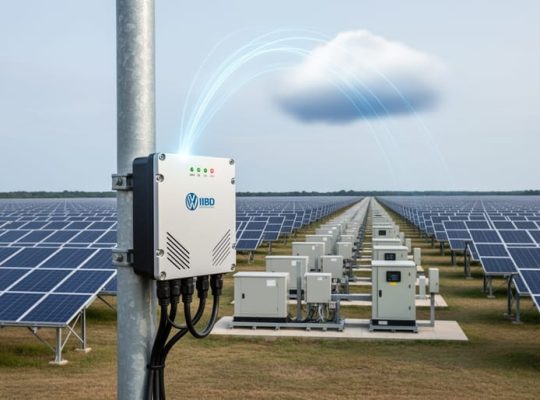
In today’s data-driven industrial landscape, electrical predictive maintenance stands as the cornerstone of operational reliability and cost efficiency. By leveraging advanced monitoring technologies and real-time analytics, organizations can detect potential failures before they occur, reducing downtime by up to 75% and extending equipment lifespan by 30-40%. Modern predictive maintenance strategies combine thermal imaging, power quality analysis, and artificial intelligence to create comprehensive monitoring systems that transform traditional reactive maintenance into proactive asset management.
The integration of Industrial Internet of Things (IIoT) sensors and machine learning algorithms has revolutionized how facility managers approach electrical system maintenance. These technologies enable continuous monitoring of critical parameters such as temperature variations, voltage fluctuations, and harmonic distortion, providing unprecedented insight into equipment health and performance trends. For solar PV installations and industrial facilities, implementing predictive maintenance protocols not only ensures optimal system performance but also significantly reduces maintenance costs while enhancing safety standards.
This strategic approach to electrical system maintenance represents a paradigm shift from conventional scheduled maintenance, offering facility managers and solar professionals a data-backed methodology to optimize operations, prevent catastrophic failures, and maximize return on investment.
Core Components of Electrical Predictive Maintenance
Real-time Monitoring Systems
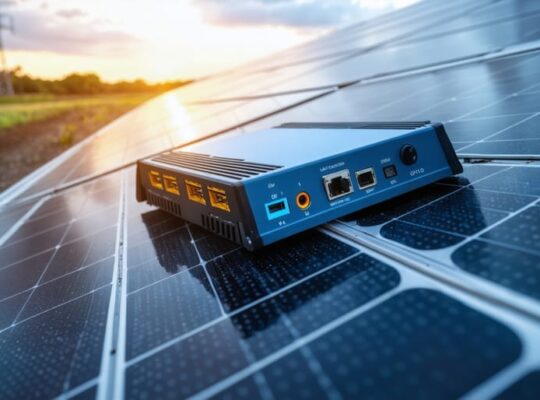
Modern electrical predictive maintenance relies heavily on sophisticated real-time monitoring analytics and data collection systems to detect potential issues before they escalate into major problems. These systems typically employ a combination of sensors, data loggers, and advanced monitoring equipment to continuously track crucial electrical parameters.
Key monitoring technologies include thermal imaging cameras for heat pattern analysis, ultrasonic detection systems for tracking electrical discharge patterns, and power quality analyzers that measure voltage fluctuations, harmonics, and power factor variations. Advanced sensor networks collect data on current draw, temperature variations, vibration patterns, and electrical resistance changes across critical components.
The collected data is processed through sophisticated algorithms that can identify subtle changes in equipment performance. These systems typically utilize machine learning capabilities to establish baseline operational parameters and detect deviations that might indicate developing faults. Integration with building management systems (BMS) allows for comprehensive monitoring of entire electrical installations.
Modern monitoring platforms also incorporate cloud-based storage solutions and remote access capabilities, enabling maintenance teams to access real-time performance data from any location. This facilitates quick response times and allows for trend analysis across extended periods, supporting more accurate predictive maintenance schedules and reducing the likelihood of unexpected equipment failures.
Performance Analytics and Diagnostics
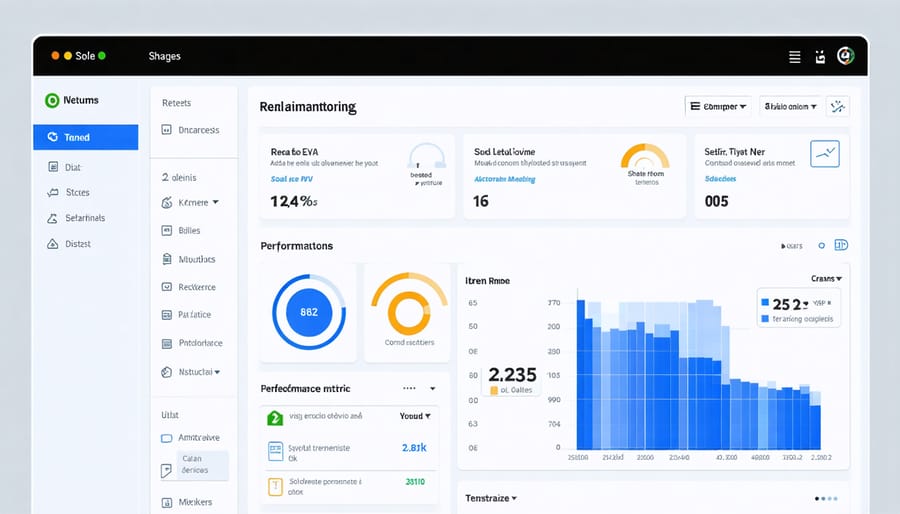
Performance analytics and diagnostics form the cornerstone of effective electrical predictive maintenance strategies. Modern electrical systems utilize sophisticated monitoring equipment to track key parameters including voltage fluctuations, current draw, power factor, harmonic distortion, and thermal signatures. These measurements provide critical insights into system health and potential failure points.
Advanced diagnostic tools such as power quality analyzers and infrared thermography cameras enable technicians to identify issues before they escalate into system failures. Power quality analyzers measure and record electrical parameters in real-time, allowing for trend analysis and early detection of anomalies. Infrared imaging reveals hot spots and temperature variations that may indicate loose connections, overloaded circuits, or failing components.
Data analysis software platforms integrate these measurements to create comprehensive system health reports. These platforms employ machine learning algorithms to establish baseline performance metrics and detect deviations that warrant investigation. The software can predict component failure probabilities based on historical data and current operating conditions.
Diagnostic testing protocols typically include insulation resistance testing, circuit breaker timing analysis, and partial discharge monitoring. These tests provide quantitative data about equipment condition and help determine maintenance priorities. Regular analysis of this diagnostic data enables maintenance teams to optimize repair schedules, reduce downtime, and extend equipment life spans through targeted interventions.
The implementation of standardized testing procedures and documentation ensures consistent data collection and accurate trend analysis over time. This systematic approach to performance analytics supports data-driven maintenance decisions and improves overall system reliability.
Advanced Detection Methods
Thermal Imaging and Hot Spot Detection
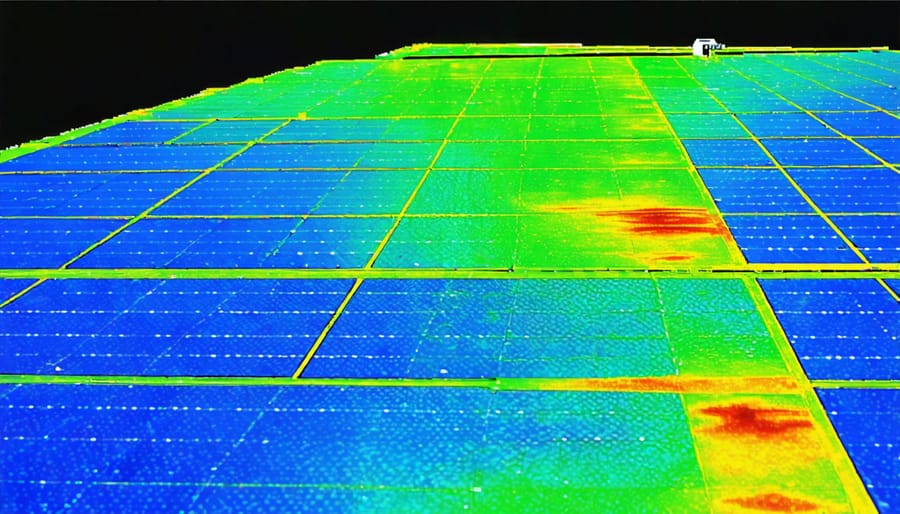
Thermal imaging has emerged as a cornerstone technology in electrical predictive maintenance, enabling technicians to identify potential issues before they escalate into system failures. This non-invasive technique utilizes infrared cameras to detect temperature variations in electrical components, revealing anomalies that may not be visible to the naked eye.
During thermal inspections, maintenance professionals scan electrical equipment such as switchgear, transformers, and circuit breakers to identify hot spots that indicate excessive resistance or poor connections. These temperature variations often manifest as bright spots in thermal images, with color gradients indicating the severity of the anomaly. Components operating at higher temperatures than their designed specifications typically suggest impending failures or efficiency losses.
The implementation of regular thermal imaging surveys offers several key advantages. First, it allows for the early detection of loose connections, overloaded circuits, and component deterioration. Second, it enables maintenance teams to prioritize repairs based on the severity of thermal anomalies. Third, it provides documented evidence of equipment condition, supporting maintenance planning and regulatory compliance.
Best practices for thermal imaging include conducting scans during peak load conditions to capture maximum thermal contrast, maintaining consistent inspection angles and distances, and ensuring proper environmental conditions for accurate readings. Technicians must also consider emissivity values and reflected temperatures when interpreting thermal data.
Modern thermal imaging systems often integrate with predictive maintenance software platforms, enabling trend analysis and automated alert generation. This integration helps maintenance teams establish baseline temperatures, track degradation patterns, and develop data-driven maintenance schedules that optimize resource allocation while minimizing downtime risks.
I-V Curve Analysis
I-V curve analysis serves as a fundamental diagnostic tool in electrical predictive maintenance, providing valuable insights into the performance and health of electrical systems. By measuring and analyzing the relationship between current and voltage, maintenance professionals can identify potential issues before they develop into critical failures.
The analysis involves plotting current measurements against voltage readings under various operating conditions. A typical I-V curve displays characteristic patterns that indicate normal operation, while deviations from these patterns can signal specific problems. For instance, a sudden change in curve slope might indicate deteriorating insulation, while irregular steps or discontinuities could suggest connection issues or component degradation.
In photovoltaic systems, I-V curve analysis is particularly crucial for monitoring solar panel performance. The curve helps identify common issues such as partial shading, cell degradation, or internal defects. Modern monitoring systems can automatically collect and analyze I-V data, comparing real-time measurements against baseline curves to detect anomalies.
Key parameters derived from I-V curves include:
– Maximum power point (MPP)
– Short-circuit current
– Open-circuit voltage
– Fill factor
– Series and shunt resistance
Maintenance teams use specialized I-V curve tracers to perform these measurements safely and efficiently. Advanced systems incorporate machine learning algorithms to predict potential failures based on historical curve data and trending analysis. This predictive capability enables maintenance schedules to be optimized, reducing downtime and extending equipment life spans.
Regular I-V curve monitoring, combined with other predictive maintenance techniques, forms a comprehensive approach to electrical system reliability. The data collected supports informed decision-making about maintenance interventions and equipment replacement strategies.
Implementing Predictive Maintenance Strategies
Data Collection and Analysis Protocols
Effective electrical predictive maintenance relies on systematic data collection and rigorous analysis protocols. The process begins with establishing baseline measurements for key electrical parameters, including voltage levels, current draw, power factor, and harmonic distortion. These measurements should be taken under normal operating conditions and documented thoroughly for future reference.
Data collection typically involves both automated monitoring systems and manual inspections. Modern electrical monitoring equipment should be properly calibrated and strategically positioned to capture relevant data points. Key collection points include distribution panels, motor control centers, and critical equipment terminals. The frequency of data collection varies based on equipment criticality, with critical systems requiring continuous monitoring while less essential components may be monitored at scheduled intervals.
Analysis protocols should follow a structured approach, incorporating both trend analysis and comparative assessment. Historical data trends help identify gradual degradation patterns, while real-time monitoring enables immediate detection of anomalies. Important analysis parameters include:
– Temperature variations in components
– Changes in electrical resistance
– Unusual voltage fluctuations
– Power quality metrics
– Equipment loading patterns
Data interpretation requires expertise in electrical systems and pattern recognition. Modern predictive maintenance software employs machine learning algorithms to detect subtle changes that might indicate impending failures. This data-driven approach enables maintenance teams to make informed decisions about equipment intervention timing, ultimately optimizing maintenance schedules and reducing unexpected downtime.
Maintenance Scheduling and Decision Making
Effective maintenance scheduling based on predictive data requires a systematic approach that balances equipment reliability, operational efficiency, and resource allocation. The decision-making process should incorporate multiple data points, including real-time monitoring results, historical performance trends, and equipment criticality rankings.
Organizations should establish clear threshold values for key performance indicators that trigger maintenance interventions. These thresholds should be based on manufacturer specifications, industry standards, and facility-specific requirements. When predictive analytics indicate approaching threshold violations, maintenance planners can prioritize activities according to:
1. Asset criticality to operations
2. Potential failure impact
3. Resource availability
4. Production schedules
5. Cost implications
The scheduling process should include both short-term and long-term planning horizons. Short-term scheduling addresses immediate maintenance needs identified through predictive monitoring, while long-term planning focuses on strategic equipment upgrades and system optimization.
To optimize decision-making, organizations should implement a risk-based maintenance strategy that considers both the probability and consequences of equipment failure. This approach helps allocate resources more effectively and ensures critical systems receive appropriate attention.
Regular review and adjustment of maintenance schedules based on predictive data analysis results help organizations maintain optimal equipment performance while minimizing unnecessary maintenance activities. This dynamic approach allows facilities to evolve their maintenance strategies as equipment conditions and operational requirements change over time.
Future Trends and Technologies
The landscape of electrical predictive maintenance is rapidly evolving, driven by technological advancements and the increasing sophistication of monitoring systems. Recent developments in machine learning in solar maintenance have revolutionized how we approach system diagnostics and failure prediction.
Artificial Intelligence (AI) and Internet of Things (IoT) integration are becoming fundamental components of modern predictive maintenance strategies. Smart sensors with enhanced sensitivity and durability now provide real-time data collection across multiple parameters, enabling more accurate performance predictions and early fault detection.
Digital twin technology is emerging as a powerful tool for solar PV maintenance, creating virtual replicas of physical installations that enable operators to simulate various scenarios and optimize maintenance schedules. These digital models incorporate historical performance data, weather patterns, and component degradation rates to predict potential failures before they occur.
Drone-based inspection systems equipped with thermal imaging and high-resolution cameras are becoming increasingly sophisticated, offering automated visual and thermal inspections of large-scale solar installations. These systems can identify hot spots, microcracks, and other defects with unprecedented accuracy while reducing inspection time and labor costs.
Edge computing solutions are being deployed to process data closer to the source, enabling faster response times and reduced bandwidth requirements. This advancement is particularly valuable for remote solar installations where network connectivity may be limited.
Blockchain technology is being explored for maintaining transparent maintenance records and tracking component lifecycles, ensuring accountability and improving supply chain management for replacement parts. Additionally, augmented reality (AR) applications are being developed to assist maintenance technicians in the field, providing real-time guidance and access to technical documentation.
Looking ahead, the integration of 5G networks promises to enhance remote monitoring capabilities and enable more sophisticated predictive analytics. Self-healing technologies and autonomous maintenance systems are also under development, potentially revolutionizing how solar PV systems are maintained in the future.
Electrical predictive maintenance has emerged as a cornerstone of efficient and reliable solar PV system operations. By implementing comprehensive predictive maintenance strategies, organizations can significantly reduce unexpected downtime, optimize system performance, and extend the lifespan of critical electrical components. The data-driven approach enables facility managers to make informed decisions about maintenance schedules, resource allocation, and component replacements.
The integration of advanced monitoring technologies, coupled with sophisticated analytics platforms, has revolutionized how we approach solar PV system maintenance. These solutions not only help identify potential issues before they escalate into costly failures but also contribute to substantial cost savings through reduced emergency repairs and optimized maintenance schedules.
Furthermore, the adoption of electrical predictive maintenance practices aligns with sustainable operational goals by minimizing waste, reducing energy losses, and ensuring optimal system efficiency. The proactive approach to maintenance has demonstrated its value through improved system reliability, enhanced safety standards, and better return on investment for solar PV installations.
As the renewable energy sector continues to evolve, the importance of electrical predictive maintenance will only grow. Organizations that embrace these advanced maintenance strategies position themselves at the forefront of operational excellence, ensuring their solar PV systems deliver consistent, reliable performance while maximizing energy production and system longevity. The investment in predictive maintenance technology and expertise proves invaluable for achieving long-term operational success and sustainability goals.