Sustainable energy systems stand at the forefront of our global transition toward environmental resilience and energy independence. The integration of sustainable solar energy with advanced storage solutions, smart grid technologies, and efficient management systems creates a robust framework for meeting modern energy demands while minimizing environmental impact. These systems represent more than just renewable power generation—they encompass comprehensive solutions that optimize energy production, storage, distribution, and consumption across residential, commercial, and industrial applications.
Recent technological advancements have dramatically enhanced the efficiency and reliability of sustainable energy systems, making them increasingly viable alternatives to conventional power sources. From advanced photovoltaic materials that capture more solar energy to sophisticated energy management systems that balance supply and demand in real-time, these innovations are reshaping our approach to power generation and consumption. The integration of artificial intelligence and machine learning further optimizes system performance, predictive maintenance, and grid stability.
As climate change concerns intensify and energy security becomes paramount, sustainable energy systems offer a practical pathway toward achieving both environmental and economic objectives. These systems not only reduce greenhouse gas emissions but also create resilient energy infrastructure capable of withstanding future challenges. Their modular nature and decreasing costs make them increasingly accessible to diverse stakeholders, from individual households to large-scale industrial operations, fundamentally transforming how we generate, distribute, and consume energy in the 21st century.
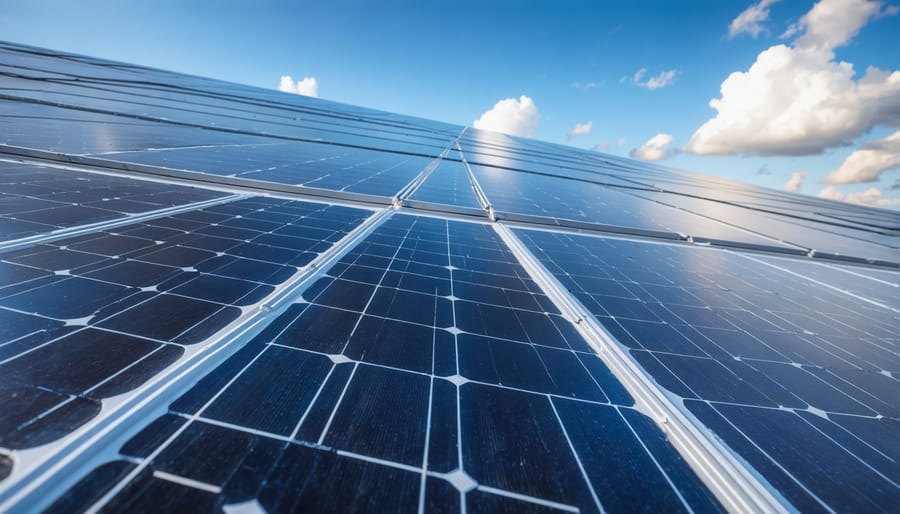
Core Components of Sustainable Solar PV Systems
High-Efficiency PV Modules
Modern photovoltaic modules have experienced significant technological advancements, with mono PERC (Passivated Emitter and Rear Cell) and multi-crystalline technologies leading the market. Mono PERC modules consistently achieve efficiency rates between 20-22%, representing a substantial improvement over traditional solar panels. This enhanced performance is attributed to the additional passivation layer on the rear side of the cell, which captures light that would otherwise be lost.
Multi-crystalline modules, while slightly less efficient at 17-19%, offer cost advantages in certain applications. Their manufacturing process requires less energy and produces modules that perform well in diverse environmental conditions. Recent innovations in multi-crystalline technology have narrowed the efficiency gap with mono PERC options.
Both technologies incorporate advanced features such as half-cut cells, multi-busbar designs, and improved anti-reflective coatings. Half-cut cells reduce resistive losses and improve performance in partial shading conditions, while multi-busbar configurations enhance current collection and reduce electrical resistance.
Manufacturing processes have also evolved to reduce environmental impact and production costs. Current generation modules feature improved temperature coefficients, resulting in better performance in high-temperature environments. Additionally, bifacial variants of both technologies can capture reflected light from surfaces below the panel, potentially increasing energy yield by 5-30% depending on installation conditions.
Smart Energy Storage Solutions
Modern energy storage solutions play a pivotal role in maximizing the efficiency and reliability of sustainable energy systems. Advanced lithium-ion batteries, with their high energy density and declining costs, have emerged as the primary storage technology for both residential and commercial applications. These systems effectively address the intermittent nature of renewable energy sources by storing excess power during peak generation periods for use during low-production times.
Smart energy management systems (EMS) integrate seamlessly with storage technologies to optimize energy distribution and consumption. These sophisticated controllers employ artificial intelligence and machine learning algorithms to predict energy demand patterns, manage charging cycles, and maintain optimal battery health. The integration of battery management systems (BMS) ensures safe operation while extending battery life through careful monitoring of temperature, voltage, and state of charge.
Flow batteries and sodium-ion technologies represent promising alternatives for large-scale storage applications, offering longer operational lifespans and reduced environmental impact compared to traditional solutions. Additionally, hybrid storage systems combining different battery technologies with supercapacitors provide enhanced performance for specific applications requiring both high-power output and extended storage capacity.
The continuous advancement in energy storage technology, coupled with smart management systems, is crucial for achieving grid independence and maximizing the return on investment in renewable energy installations.
Design Principles for Long-Term Sustainability
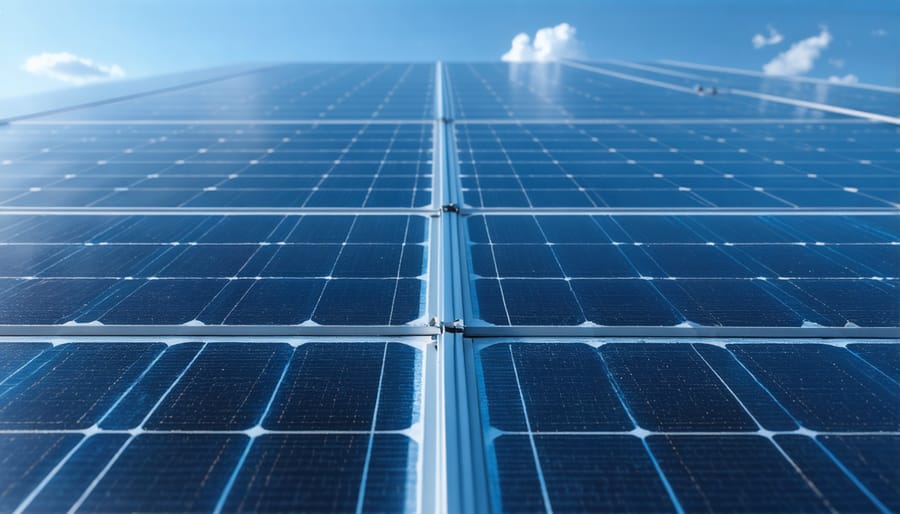
System Integration and Optimization
Effective system integration and optimization are crucial elements in developing sustainable energy systems that deliver maximum performance and longevity. Following established system design principles ensures seamless integration of various components while maintaining optimal efficiency throughout the system’s lifecycle.
Key optimization strategies include implementing advanced monitoring systems that provide real-time performance data, enabling prompt identification and resolution of efficiency losses. These systems utilize sophisticated algorithms to analyze operating parameters and recommend adjustments for peak performance. Integration of smart inverter technologies further enhances system reliability by providing grid support functions and improved power quality.
Energy storage integration plays a vital role in system optimization, allowing for better load management and increased self-consumption of generated power. Modern battery management systems coordinate charging and discharging cycles to maximize battery life while meeting demand requirements. Additionally, hybrid systems that combine multiple renewable sources, such as solar PV with wind power, can increase overall system reliability and reduce dependency on single energy sources.
Temperature management systems are essential for maintaining optimal operating conditions. This includes proper ventilation design, thermal monitoring, and implementation of cooling solutions where necessary. Strategic placement of components and appropriate spacing between modules helps prevent thermal stress and ensures adequate airflow.
Regular performance analysis and systematic maintenance protocols are fundamental to sustained system optimization. This includes periodic calibration of sensors, cleaning of components, and updates to control software. Implementation of predictive maintenance strategies, utilizing machine learning algorithms, helps prevent system failures and extends equipment lifespan.
Integration with building management systems (BMS) enables coordinated operation of HVAC, lighting, and other building systems, maximizing overall energy efficiency. This holistic approach to system integration ensures that sustainable energy systems operate as part of a larger, optimized ecosystem rather than in isolation.
Environmental Impact Assessment
Environmental impact assessment plays a crucial role in developing and implementing sustainable energy systems, particularly in the solar photovoltaic (PV) sector. This comprehensive evaluation process examines both direct and indirect environmental effects throughout the system’s operational lifetime. A thorough lifecycle assessment helps identify and mitigate potential environmental risks while optimizing system performance.
Key environmental factors evaluated include land use requirements, habitat impact, water consumption, and carbon emissions during manufacturing and installation. Modern sustainable energy systems typically demonstrate significantly lower environmental impacts compared to conventional energy sources, with solar PV systems showing particularly promising results in reducing greenhouse gas emissions and minimizing ecological disruption.
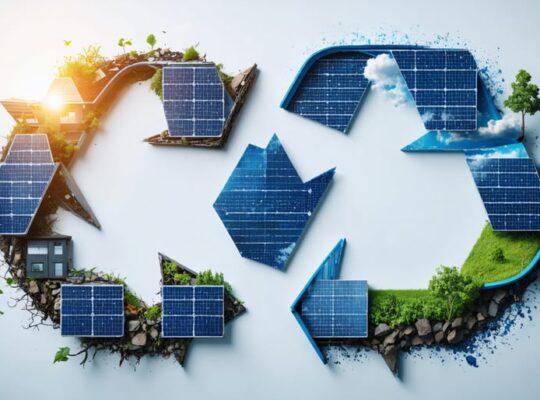
The assessment process also considers resource efficiency, examining materials used in system components and their recyclability. This includes evaluating the environmental implications of raw material extraction, manufacturing processes, transportation, installation methods, and end-of-life disposal or recycling options.
Water usage represents another critical factor, particularly in arid regions where water resources are scarce. Advanced sustainable energy systems incorporate water-efficient cooling mechanisms and cleaning processes to minimize consumption while maintaining optimal performance levels.
Biodiversity impact assessment ensures that system installation and operation don’t adversely affect local flora and fauna. This includes careful site selection, implementing wildlife protection measures, and maintaining natural corridors for species movement.
To minimize the ecological footprint, sustainable energy systems often incorporate:
– Advanced recycling programs for system components
– Low-impact installation techniques
– Biodegradable or recyclable packaging materials
– Efficient waste management protocols
– Smart monitoring systems for environmental impact tracking
These measures, combined with regular environmental audits and continuous improvement processes, help ensure that sustainable energy systems maintain their environmental benefits throughout their operational lifetime while supporting global sustainability goals.
Maintenance and Performance Monitoring
Preventive Maintenance Strategies
Regular preventive maintenance is crucial for maximizing the efficiency and longevity of sustainable energy systems. A well-structured maintenance program typically consists of scheduled inspections, performance monitoring, and proactive component replacements to prevent system failures.
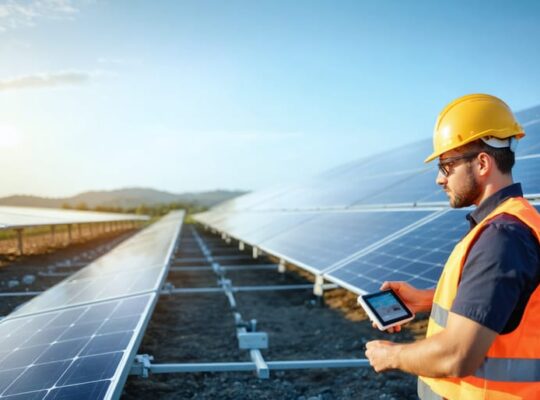
Monthly visual inspections should focus on identifying physical damage, checking electrical connections, and ensuring proper functioning of inverters and monitoring systems. Quarterly maintenance activities include thorough cleaning of solar panels, inspection of mounting structures, and verification of system performance metrics against baseline data.
Key maintenance procedures include:
– Cleaning solar panels to remove dust, debris, and bird droppings
– Checking and tightening electrical connections
– Inspecting for corrosion and water damage
– Verifying inverter performance and cooling systems
– Testing safety systems and emergency shutdown procedures
– Documenting system performance and maintenance activities
Annual comprehensive inspections should be performed by qualified technicians, including thermal imaging to detect hot spots, detailed electrical testing, and assessment of system degradation. This data helps in predicting potential failures and optimizing maintenance schedules.
Implementing a computerized maintenance management system (CMMS) can streamline maintenance tracking and scheduling. This approach enables predictive maintenance by analyzing performance trends and scheduling interventions before issues become critical.
For optimal results, maintenance schedules should be customized based on:
– Local environmental conditions
– System size and complexity
– Equipment manufacturer recommendations
– Historical performance data
– Regulatory requirements
Regular maintenance not only ensures system reliability but also maintains warranty compliance and helps achieve projected return on investment targets.
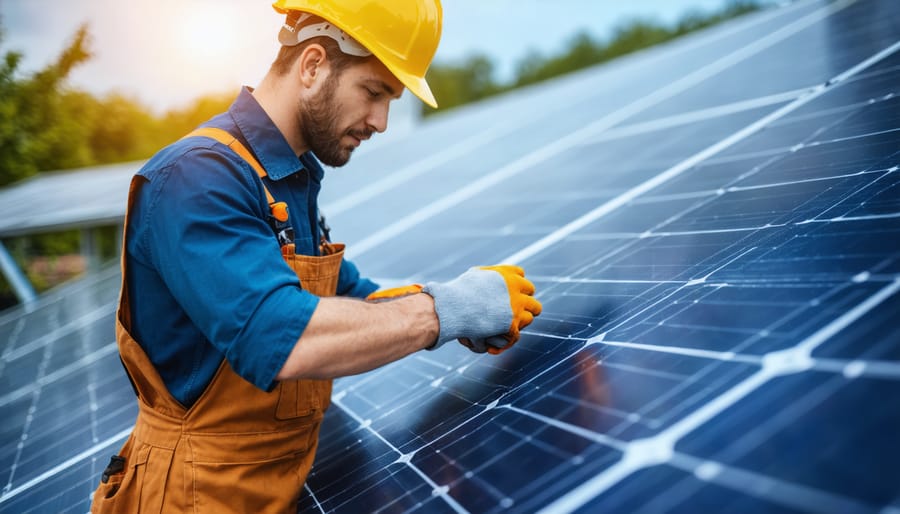
Performance Monitoring Systems
Performance monitoring systems play a crucial role in optimizing sustainable energy installations by providing real-time data analysis and system health monitoring. These sophisticated tools combine hardware sensors and software solutions to track key performance indicators (KPIs) and ensure optimal system operation.
Modern monitoring systems typically include power meters, environmental sensors, and data loggers that collect information about energy production, consumption patterns, and system efficiency. Advanced platforms utilize cloud-based analytics to process this data, generating detailed performance reports and identifying potential issues before they impact system operation.
Key monitoring parameters include DC/AC power output, voltage levels, current flow, and inverter efficiency. Environmental factors such as temperature, irradiance, and weather conditions are also tracked to correlate system performance with external variables. This comprehensive data collection enables accurate performance ratio calculations and helps maintain system reliability.
Remote monitoring capabilities allow operators to access system data through web portals or mobile applications, facilitating quick response to performance issues. Many platforms incorporate artificial intelligence and machine learning algorithms to predict maintenance needs and optimize system performance automatically.
Alert systems are integrated to notify operators of abnormal conditions, equipment malfunctions, or maintenance requirements. These notifications can be customized based on specific thresholds and operational parameters, ensuring prompt attention to critical issues.
Data visualization tools present performance metrics through intuitive dashboards, making it easier for stakeholders to understand system behavior and make informed decisions. Regular performance reports help validate system efficiency and demonstrate return on investment while identifying opportunities for optimization.
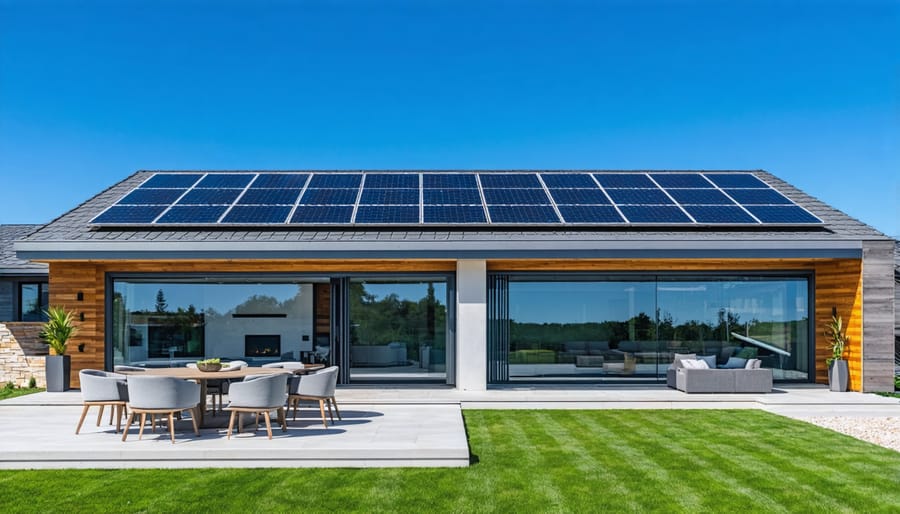
Future-Proofing Solar PV Installations
Emerging Technologies Integration
The integration of emerging technologies in sustainable energy systems requires a forward-thinking ecosystem approach to solar sustainability that anticipates future developments while maximizing current system efficiency. Advanced energy storage solutions, particularly solid-state batteries and flow batteries, are revolutionizing how we store and distribute renewable energy. These technologies offer improved capacity, longer lifecycles, and enhanced safety profiles compared to traditional lithium-ion batteries.
Artificial Intelligence (AI) and machine learning algorithms are becoming integral to system optimization, enabling predictive maintenance and real-time performance adjustments. Smart inverters with built-in monitoring capabilities can now communicate with grid operators, facilitating better demand response and grid stability. The implementation of blockchain technology for peer-to-peer energy trading is creating new opportunities for decentralized energy markets.
Internet of Things (IoT) sensors and advanced monitoring systems are enhancing system diagnostics and operational efficiency. These devices collect and analyze data in real-time, allowing for immediate response to performance issues and optimization of energy production. The integration of building-integrated photovoltaics (BIPV) with smart building management systems is creating more efficient and aesthetically pleasing installations.
To prepare for future upgrades, current system designs should incorporate modular components and flexible infrastructure. This approach allows for easier integration of new technologies as they become available. Organizations should also consider implementing standardized communication protocols and open-source platforms to ensure compatibility with future innovations and maintain system longevity.
Scalability and Expansion Planning
Successful sustainable energy systems require careful consideration of future growth potential and adaptability. Planning for scalability ensures that systems can accommodate increasing energy demands while maintaining optimal performance and efficiency. This forward-thinking approach involves several key considerations and strategic elements.
Initial system design should incorporate excess capacity in critical components, including inverters, electrical panels, and structural supports. This built-in flexibility allows for future expansion without requiring complete system overhauls. Additionally, modular design principles enable seamless integration of new components and technologies as they become available.
Infrastructure assessment plays a crucial role in expansion planning. This includes evaluating available space for additional solar panels, structural capacity for increased loads, and electrical system capabilities. Underground conduit sizing and wire routing should anticipate future requirements, preventing costly retrofits.
Smart monitoring systems and data analytics capabilities should be implemented from the outset. These tools provide valuable insights into system performance, helping identify optimal timing for expansions and upgrades. They also assist in load forecasting and capacity planning, ensuring that system growth aligns with actual energy needs.
Financial planning for scalability involves creating detailed cost projections for different growth scenarios. This includes considering equipment costs, installation labor, permitting requirements, and potential incentive programs. Establishing relationships with equipment suppliers and contractors early on can facilitate smooth expansion processes.
Environmental impact assessments should account for both current and future system footprints. This includes considering land use requirements, wildlife impacts, and local ecosystem effects. Sustainable expansion strategies should prioritize maximizing existing infrastructure before expanding into new areas.
Documentation and record-keeping systems must be robust enough to track system changes and maintain compliance with evolving regulations. This includes maintaining detailed as-built drawings, equipment specifications, and performance data throughout the system’s lifecycle.
The successful implementation of sustainable solar PV systems requires a comprehensive approach that integrates technical expertise, environmental consciousness, and long-term planning. Throughout this article, we’ve explored the fundamental components, design principles, and maintenance strategies that contribute to creating lasting, efficient solar installations.
Key considerations for implementing sustainable solar PV systems include careful site assessment, optimal system design, quality component selection, and regular maintenance protocols. Industry professionals must prioritize both performance and environmental impact when developing these systems, ensuring they meet current needs while remaining adaptable to future technological advances.
To move forward with implementing sustainable solar PV systems, consider these actionable steps:
1. Conduct thorough site evaluations and environmental impact assessments
2. Partner with certified professionals and reputable suppliers
3. Develop comprehensive maintenance schedules and monitoring protocols
4. Invest in high-quality, recyclable components with extended warranties
5. Implement data-driven performance monitoring systems
6. Create end-of-life management plans for system components
7. Stay informed about emerging technologies and industry best practices
By following these guidelines and maintaining a commitment to sustainability, organizations can develop solar PV systems that deliver reliable renewable energy while minimizing environmental impact. The future of sustainable energy depends on our ability to implement and maintain these systems effectively, contributing to a cleaner, more resilient energy infrastructure for generations to come.