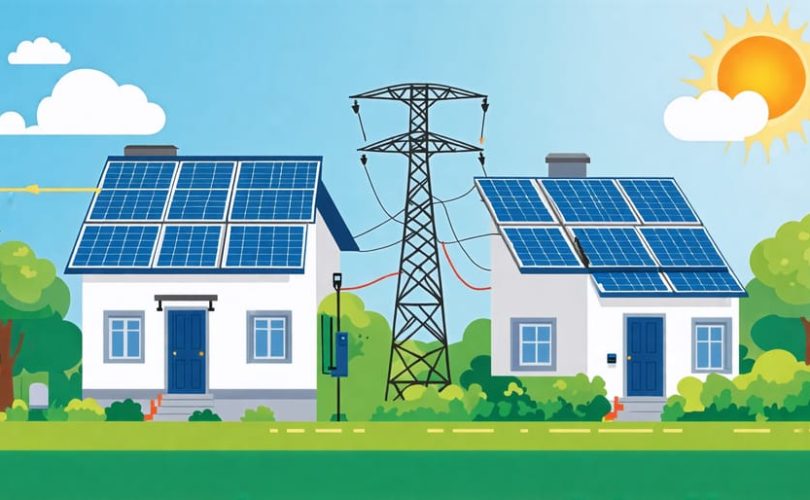
Understand the fundamental components of a grid-tied solar system by identifying solar panels, inverters, and metering devices, which collectively enable seamless integration with an existing electrical grid. Analyze how solar panels convert sunlight into direct current (DC) electricity, which inverters then transform into alternating current (AC) compatible with household appliances and grid requirements. Leverage smart-metering technologies to monitor electricity generation versus consumption, facilitating energy optimization and cost savings, while enabling net metering benefits that credit homeowners for excess power fed back into the grid. Assess installation requirements and local regulations to ensure compliance with safety standards and maximize incentives, establishing a viable and sustainable energy solution suited to diverse environments.
How Grid-Tied Solar Systems Work
Components of a Grid-Tied Solar System
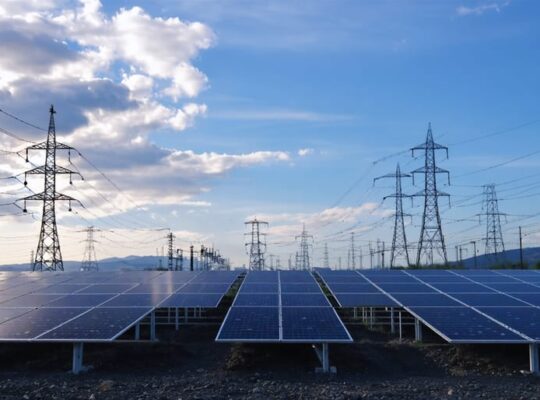
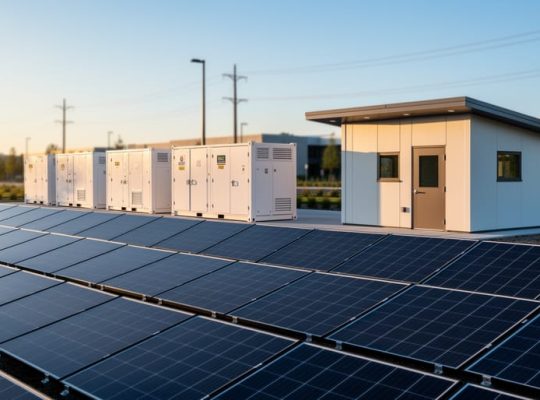
A grid-tied solar system is a sophisticated set-up that connects solar photovoltaic power to the utility grid, enabling energy flow both to and from the grid. At the core are the solar panels, key components that capture sunlight and convert it into electricity. There are various solar panels types, each with unique efficiencies and characteristics, pivotal in determining overall system performance.
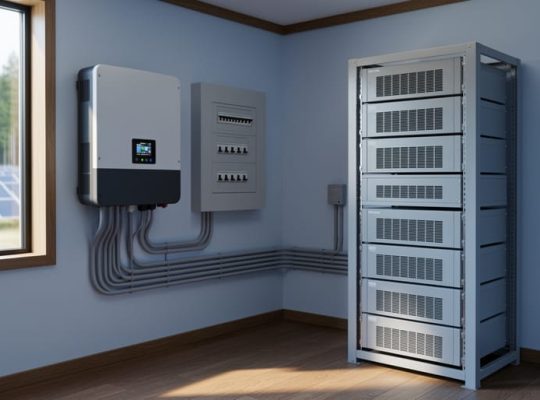
The electricity generated by the solar panels is in direct current (DC), which needs to be converted to alternating current (AC) for home use and grid compatibility. This transformation is the function of the inverter, with the utility interactive inverters playing a crucial role. These inverters not only convert power but also facilitate communication with the utility grid, ensuring synchronization and seamless energy flow.
Finally, the grid connection is indispensable. It allows excess energy generated to be fed back to the grid and offers a reliable electricity supply when solar energy production is insufficient, such as during night or cloudy days. Through net metering, users can receive credits for the power they contribute back, reflecting the efficiency and sustainability of grid-tied systems.

Energy Flow and Conversion Process
Grid-tied solar systems operate by harnessing solar energy and converting it into electricity that can be seamlessly distributed across the power grid. The process begins with photovoltaic (PV) panels, which are composed of semiconductor materials, such as silicon. These panels capture sunlight and convert it into direct current (DC) electricity through the photovoltaic effect. Since most homes and businesses use alternating current (AC), the DC electricity from the solar panels must undergo conversion. This is achieved using an inverter, a crucial component in grid-tied solar systems. The inverter not only converts DC to AC but also ensures the electricity produced is synchronized with the grid’s voltage and frequency.
Once converted to AC, the electricity is sent to the building’s electrical panel, where it can supply power directly to various appliances and systems. Any surplus electricity not immediately consumed is exported to the grid. This process allows consumers to benefit from net metering—earning credits or payments for the excess energy contributed to the grid, promoting energy efficiency and reduced utility bills. As educational programs and collaborations with universities continue to advance this technology, it is essential for energy professionals and enthusiasts to understand the fundamental workings of grid-tied solar systems and their role in the modern energy landscape.

Benefits and Challenges of Grid-Tied Solar
Advantages of Going Grid-Tied
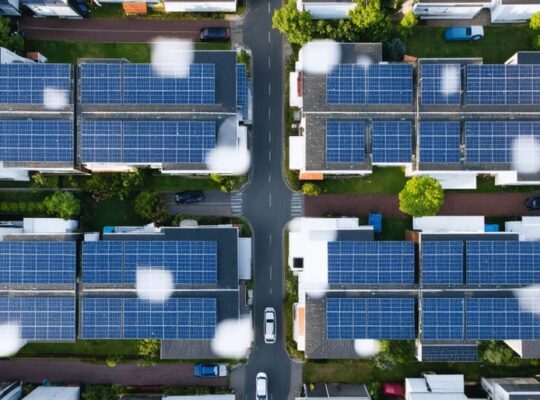
Opting for a grid-tied solar system offers several compelling advantages. Environmentally, it supports the transition to sustainable energy by reducing reliance on fossil fuels. This not only helps decrease carbon emissions but also contributes to a cleaner environment, aligning with global initiatives aimed at combating climate change. Economically, these systems allow you to save significantly on electricity bills. Access to the broader electrical grid means you can benefit from net metering, where excess energy generated by your solar panels is fed back into the grid, effectively earning you credits or offsetting future costs. This makes grid-tied solar systems a financially prudent investment for both homeowners and businesses.
From an efficiency perspective, grid-tied systems ensure a reliable power supply. They seamlessly supplement intermittent solar power with grid electricity, guaranteeing constant energy availability even during cloudy days or at night. Furthermore, these systems typically require lower maintenance than off-grid alternatives, primarily due to the absence of battery storage. This simplicity in design also allows for scalable integration, which is of particular interest to academic researchers and industry stakeholders focusing on expanding renewable energy infrastructure. As such, grid-tied solar systems not only offer immediate benefits but also support long-term energy strategy goals through educational programs and collaborations.
Common Challenges and Considerations
Grid-tied solar systems present several challenges and considerations that are crucial for stakeholders to address. A primary concern is the dependence on the grid; while these systems reduce energy bills by generating electricity from solar panels, they do not function during power outages unless coupled with a battery backup. This limitation necessitates careful planning, particularly in regions prone to grid instability. Another significant aspect is navigating policy and regulatory frameworks, which can vary widely by location and influence the feasibility and cost-effectiveness of installing a grid-tied system. Keeping abreast of local incentives, feed-in tariffs, and interconnection standards is essential for maximizing benefits and avoiding legal pitfalls. Aspiring photovoltaic professionals and industry stakeholders must also consider the impact of net metering policies on energy savings, as these can dictate how excess energy is credited. Collaboration with academic institutions and participation in educational programs can provide valuable insights into optimizing system design and understanding evolving regulations in this dynamic field.
Comparison with Off-Grid Solar Systems
Key Differences and Use Cases
Grid-tied solar systems are intertwined with the electrical grid, allowing users to benefit from both solar energy and conventional electricity sources. One of the primary distinctions between grid-tied and off-grid systems is that the former does not require battery storage. This design not only reduces cost and maintenance but also enables the use of net metering. Net metering allows homeowners to sell excess energy back to the grid, lowering utility bills and maximizing energy efficiency.
Grid-tied systems are ideal for residential and commercial entities in regions with reliable grid infrastructure and favorable net metering policies. These systems suit environmentally conscious consumers and businesses aiming to reduce electricity costs without the complexity of managing battery storage.
Off-grid systems, in contrast, are best for remote locations where grid access is unavailable, requiring battery banks to ensure a consistent power supply. Aspiring photovoltaic professionals and academic researchers often focus on grid-tied systems due to their integration flexibility and potential for broader applications in urban settings.
Financial and Environmental Impact
Grid-tied solar systems offer significant financial advantages by reducing or even eliminating electricity bills. These systems are connected to the local utility grid, allowing excess energy to be fed back to the grid, often providing credits to reduce future costs. This bidirectional energy flow contributes to the system’s cost-effectiveness and aligns with net metering policies available in many regions. In terms of environmental impact, grid-tied solar systems have a positive footprint by reducing reliance on fossil fuels, thus lowering greenhouse gas emissions. However, it’s crucial to consider the environmental impact of solar panel manufacturing, which includes energy consumption and waste generation. As technology advances, these impacts are being mitigated through more sustainable practices. Comparing off-grid with grid-tied systems, the latter typically demonstrate more substantial immediate environmental benefits due to their integration with existing infrastructure and the avoidance of battery storage requirements. Overall, grid-tied solar systems present a financially viable and environmentally responsible energy solution for individuals and industries alike.
Future Trends in Grid-Tied Solar Technology
As the renewable energy landscape evolves, grid-tied solar systems are set to benefit from several emerging technological advancements. One prominent trend is the integration of smart inverters, capable of real-time data analytics and remote monitoring. These inverters optimize energy flow and improve grid reliability, catering to both residential and commercial applications. Furthermore, advancements in energy storage technologies are enhancing the resilience and efficiency of solar systems. Improved battery solutions allow for better energy management, enabling users to store excess power for later use. This development is crucial for balancing the intermittent nature of solar energy.
Another key trend is the adoption of machine learning algorithms in solar energy systems. These algorithms predict and adjust for fluctuations in energy production and consumption, ensuring consistent power availability. Additionally, as governments and private sectors push for more sustainable solutions, there is a surge in research collaborations with universities. These partnerships focus on innovating new materials and designs that reduce costs and increase efficiency.
Moreover, educational programs aimed at training a new generation of photovoltaic professionals are gaining momentum. This initiative is essential for fostering innovation and supporting the scaling of grid-tied solutions. As these trends continue, the future of solar looks promising, paving the way for widespread sustainable energy adoption.
Conclusion
In today’s rapidly evolving energy landscape, understanding grid-tied solar systems is crucial for aspiring photovoltaic professionals, renewable energy enthusiasts, and industry stakeholders alike. These systems, characterized by their ability to work in tandem with the traditional grid, offer a promising solution to achieving a sustainable energy future. By exploring the mechanics, including solar panels, inverters, and the grid interface, learners can grasp how these components integrate to provide efficient and reliable power generation. The benefits of grid-tied systems, such as reduced electricity bills and minimized environmental impact, underscore their significance in transforming energy consumption patterns. However, challenges such as grid dependency and regulatory hurdles require a nuanced approach. Collaborative efforts with universities and educational programs are key to advancing knowledge and innovation in this field, equipping professionals with the necessary skills to navigate and influence this dynamic sector. As renewable energy continues to expand, embracing the potential of grid-tied solar systems is vital for achieving a cleaner, more sustainable future.