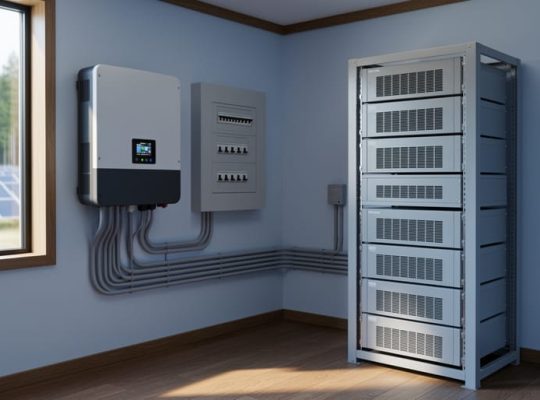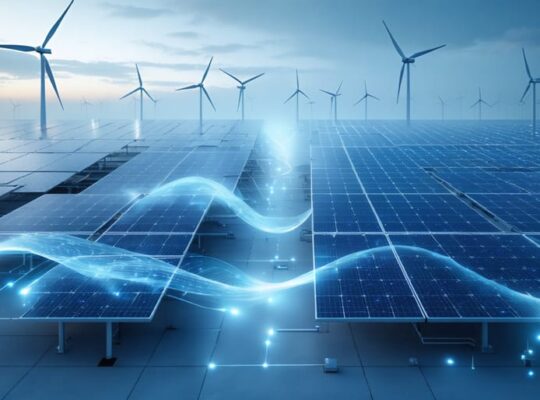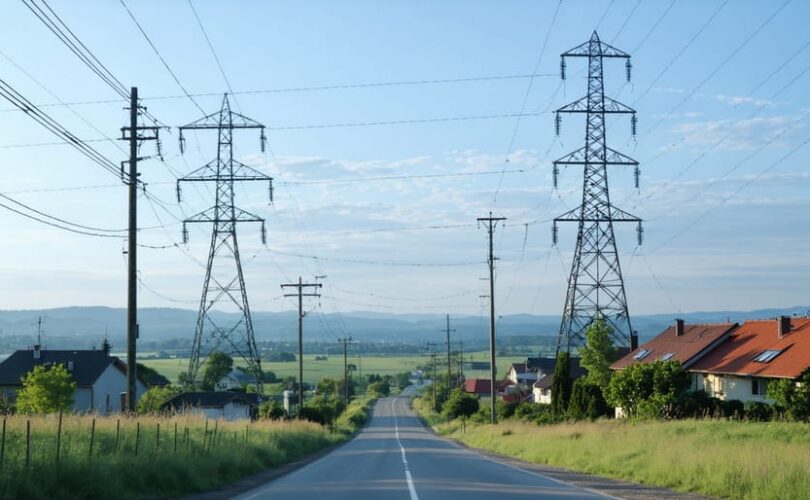
The intricate journey of electrical energy from power plants to end-users represents one of humanity’s most sophisticated technological achievements. Energy transmission and distribution, while often conflated, serve distinct and crucial roles in delivering power across vast distances and into our homes and businesses. Transmission systems function as the electrical grid’s superhighways, carrying high-voltage power across hundreds or thousands of kilometers through robust overhead lines and sophisticated substations. In contrast, distribution networks act as the local roads, stepping down voltage levels and delivering electricity directly to consumers through a complex web of smaller power lines and transformers.
Understanding this fundamental distinction has become increasingly critical as our energy landscape evolves. The integration of renewable energy sources, particularly distributed solar installations, presents new challenges and opportunities for both transmission and distribution infrastructure. Modern power grids must adapt to accommodate bidirectional power flows, varying generation patterns, and enhanced reliability demands while maintaining efficiency and stability.
This comprehensive examination explores the key differences between transmission and distribution systems, their respective roles in power delivery, and their evolution in response to the growing renewable energy sector.

The Fundamentals of Energy Transmission
High-Voltage Power Lines: The Energy Superhighway
High-voltage transmission lines form the backbone of our modern electrical grid, operating at voltage levels ranging from 69,000 to 765,000 volts (69 kV to 765 kV). These elevated voltages are essential for minimizing power losses during long-distance electricity transport, as higher voltages result in lower current flows and reduced resistance losses.
The transmission infrastructure consists of several key components. Steel lattice towers or monopole structures, typically ranging from 50 to 180 feet in height, support the conductors. These conductors are usually made of aluminum with steel reinforcement (ACSR) to provide both excellent conductivity and mechanical strength. Ceramic or polymer insulators separate the energized conductors from the grounded towers, while shield wires at the tower tops protect the system from lightning strikes.
Transmission systems employ various technologies to maintain reliability and efficiency. Phase-shifting transformers help control power flow between different grid sections, while series capacitors and reactors regulate voltage levels and system stability. Modern transmission corridors also incorporate fiber optic cables for communication and real-time monitoring.
The design of transmission systems must account for multiple factors, including thermal limits, voltage regulation, and electromagnetic fields. Engineers implement sophisticated protection schemes using circuit breakers, relays, and monitoring systems to prevent cascading failures and maintain grid stability. This complex infrastructure requires regular maintenance and upgrades to ensure reliable power delivery while accommodating growing energy demands and renewable energy integration.
Transmission Efficiency and Loss Prevention
Energy transmission systems face significant challenges in maintaining efficiency, with losses typically ranging from 2% to 6% in modern grids. These losses primarily occur through resistance in transmission lines, corona discharge in high-voltage systems, and thermal dissipation. Understanding and optimizing solar transmission efficiency has become increasingly crucial as renewable energy sources expand their grid presence.
To minimize transmission losses, utilities employ several proven strategies. High-voltage transmission lines reduce current flow and subsequent resistance losses, while superconducting materials, though currently limited in application, show promising potential for nearly lossless transmission. Regular maintenance of transmission infrastructure, including insulator cleaning and conductor inspection, helps prevent unnecessary losses due to equipment degradation.
Advanced monitoring systems and smart grid technologies play a vital role in loss prevention by providing real-time data on transmission efficiency. These systems enable quick identification of power quality issues and potential points of failure. Additionally, strategic placement of capacitor banks and voltage regulators helps maintain optimal power factor and voltage profiles throughout the transmission network.
The implementation of modern conductor materials, such as aluminum conductor composite core (ACCC), offers improved current-carrying capacity while reducing line losses. Combined with proper system planning and load management, these technological advances significantly enhance overall transmission efficiency and system reliability.
Energy Distribution Networks Explained
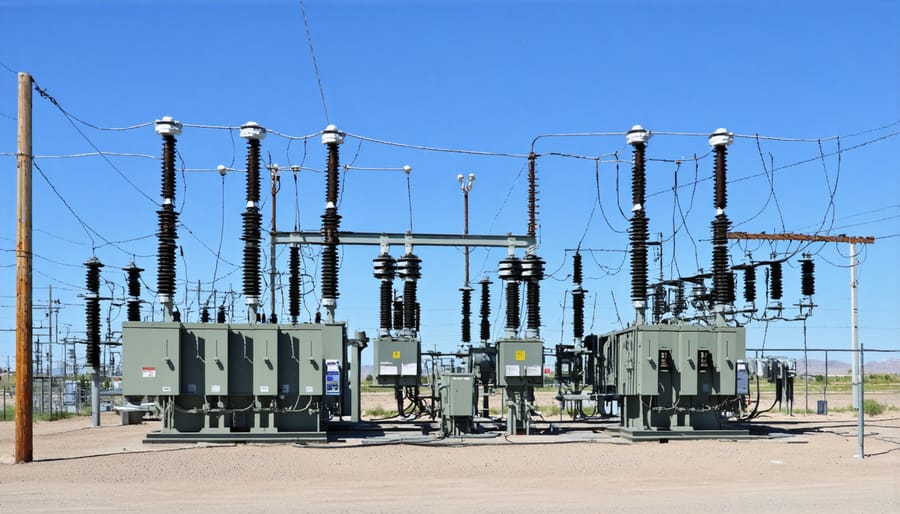
From Substations to Homes
The journey of electrical power from substations to homes involves a carefully orchestrated distribution network designed to deliver electricity safely and efficiently. After voltage reduction at the substation, power flows through primary distribution lines, typically operating at 4-33kV. These medium-voltage lines connect to pole-mounted or pad-mounted transformers located throughout residential areas.
These distribution transformers further step down the voltage to levels suitable for household use, typically 120/240V in North America. The power then travels through secondary distribution lines, which are the familiar overhead or underground cables seen in neighborhoods. This final stage of distribution enables seamless integration with modern grid-tied solar systems and other distributed energy resources.
The distribution network includes multiple protective devices such as fuses, reclosers, and sectionalizers that help maintain system reliability. Service drops – the lines connecting the secondary distribution network to individual homes – represent the final link in this complex chain. These connections terminate at the customer’s meter, where consumption is measured and billing data is collected.
Distribution system operators continuously monitor and manage this network through advanced metering infrastructure (AMI) and distribution automation systems, ensuring stable power delivery while accommodating varying load demands and integrating renewable energy sources.
Distribution Challenges and Solutions
Energy distribution systems face several critical challenges that impact reliability and efficiency. Voltage fluctuations, equipment aging, and increasing demand strain existing infrastructure, while the integration of distributed energy resources adds complexity to traditional distribution networks.
One significant challenge is power quality issues, including harmonics and voltage sags, which can affect sensitive electronic equipment and industrial processes. Infrastructure aging compounds these problems, with many distribution systems operating beyond their intended lifespan, leading to increased maintenance costs and reliability concerns.
Modern solutions leverage advanced technologies to address these challenges effectively. Smart grid implementation enables real-time monitoring and automated response to distribution issues. These systems utilize sensors, communication networks, and data analytics to optimize power flow and quickly identify potential problems before they escalate.
Distribution automation systems play a crucial role in improving reliability through automatic fault detection, isolation, and service restoration. Advanced metering infrastructure (AMI) provides detailed consumption data, enabling better load management and more efficient resource allocation.
Voltage optimization technologies help maintain stable power quality, while advanced distribution management systems (ADMS) integrate various control functions into a single platform. These solutions not only enhance system reliability but also facilitate the integration of renewable energy sources and energy storage systems.
The implementation of self-healing networks represents another significant advancement, allowing distribution systems to automatically reconfigure and restore power during outages, minimizing downtime and improving overall system resilience.
Integration with Renewable Energy Systems
Solar Integration Challenges
The integration of solar power into existing transmission and distribution networks presents unique technical and operational challenges. Voltage fluctuations caused by intermittent solar generation can destabilize grid operations, while reverse power flow from distributed solar installations challenges traditional grid design parameters. These issues are particularly pronounced during peak solar production periods when generation may exceed local demand.
Advanced power electronics, particularly utility interactive inverters, play a crucial role in managing these challenges by providing voltage regulation and power quality control. However, the widespread adoption of solar power requires substantial upgrades to existing infrastructure, including enhanced monitoring systems and smart grid technologies.
Grid operators must also address the challenge of maintaining system frequency stability when solar output varies due to weather conditions. This necessitates the implementation of sophisticated forecasting systems and the deployment of fast-responding energy storage solutions. Additionally, protection systems must be reconfigured to accommodate bi-directional power flow, ensuring safe and reliable operation.
To overcome these challenges, utilities are implementing advanced distribution management systems (ADMS) and investing in grid modernization initiatives. These solutions enable better coordination between transmission and distribution systems while facilitating higher penetration levels of solar power. The successful integration of solar energy ultimately depends on developing robust technical standards and implementing appropriate control strategies that ensure grid stability and reliability.
Modern Grid Adaptations
The modern power grid is undergoing significant transformations to accommodate the increasing integration of renewable energy sources. Advanced monitoring systems, including smart meters and phasor measurement units (PMUs), now enable real-time data collection and analysis, allowing grid operators to optimize power flow and respond swiftly to fluctuations in supply and demand.
Smart grid technologies have revolutionized both transmission and distribution systems through the implementation of automated switching, dynamic line rating, and advanced power electronics. These innovations enhance grid flexibility and resilience while facilitating bi-directional power flow, essential for distributed energy resources like rooftop solar installations.
Grid-scale energy storage solutions, particularly battery systems and pumped hydroelectric storage, are being strategically deployed to address the intermittent nature of renewable energy generation. These storage capabilities help balance load requirements and maintain grid stability during periods of variable generation.
Modern grid infrastructure also incorporates advanced communication protocols and cybersecurity measures to ensure reliable and secure operation. Supervisory Control and Data Acquisition (SCADA) systems enable operators to monitor and control grid components remotely, while artificial intelligence and machine learning algorithms optimize grid performance and predict maintenance needs.
The implementation of microgrids and virtual power plants represents another significant advancement, allowing for more localized control and improved integration of renewable resources while maintaining connection to the main grid for enhanced reliability and efficiency.
Future Trends and Innovations
Smart Grid Technology
The integration of smart grid technologies has revolutionized how we manage and distribute electrical power. These advanced systems incorporate sophisticated sensors, automated controls, and real-time monitoring capabilities to optimize power flow and enhance grid reliability. By leveraging artificial intelligence and machine learning algorithms, smart grids can predict demand patterns, detect faults instantly, and automatically reroute power to prevent outages.
Smart grids significantly improve the efficiency of both transmission and distribution networks by enabling two-way communication between utilities and consumers. This bilateral interaction allows for dynamic load balancing, demand response programs, and improved integration of renewable energy sources. The technology enables grid operators to monitor power quality, voltage levels, and equipment health in real-time, facilitating predictive maintenance and reducing system losses.
One of the most notable benefits of smart grid implementation is its ability to accommodate distributed energy resources, including residential solar installations and energy storage systems. The technology provides essential grid stability features, such as voltage regulation and frequency control, which are crucial for managing the intermittent nature of renewable energy sources. This advanced infrastructure also supports the development of microgrids, enabling communities to operate independently when necessary while maintaining seamless integration with the main grid during normal operations.
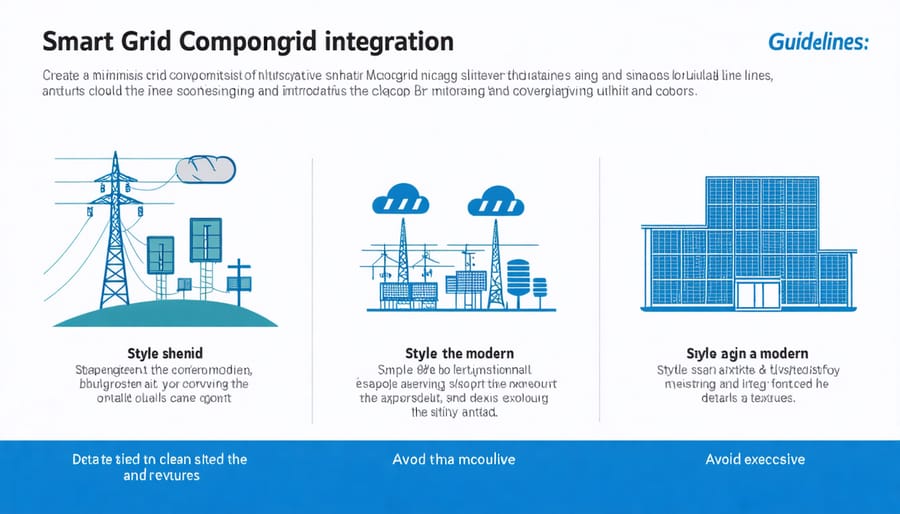
Microgrid Development
Microgrids represent a revolutionary approach to power distribution, combining local generation, storage, and distribution capabilities within a defined electrical boundary. These autonomous systems can operate either connected to the main grid or independently during outages, providing enhanced reliability and resilience for critical facilities and communities.
Modern microgrid development incorporates diverse energy sources, including solar panels, wind turbines, and energy storage systems, managed through sophisticated control systems. This integration enables optimal resource utilization while maintaining stable power quality and frequency. The ability to seamlessly transition between grid-connected and island modes makes microgrids particularly valuable for hospitals, military bases, and remote communities.
In the context of renewable energy integration, microgrids serve as essential building blocks for a more flexible and sustainable power distribution network. They effectively address challenges such as intermittency in renewable generation and grid stability through advanced power electronics and energy management systems. Furthermore, microgrids contribute to grid modernization by facilitating demand response programs and reducing transmission losses through localized generation.
The implementation of microgrids also supports economic benefits through reduced energy costs, improved power quality, and increased energy independence. As distributed energy resources become more prevalent, microgrids play a crucial role in transforming traditional one-way power distribution into dynamic, bi-directional energy networks that accommodate both conventional and renewable power sources.
The distinction between energy transmission and distribution represents a crucial framework in modern power systems, with each component serving unique yet complementary roles in delivering electricity from generation sources to end users. While transmission systems function as the backbone of power delivery, operating at high voltages across vast distances, distribution networks serve as the final link in the power delivery chain, bringing electricity directly to consumers at suitable voltage levels.
As we look toward the future, both transmission and distribution systems face significant evolution driven by renewable energy integration, smart grid technologies, and increasing demand for reliable power. The integration of distributed energy resources, particularly solar and wind power, is reshaping traditional power flow patterns and requiring more flexible, bidirectional capabilities in both systems.
Advanced technologies such as high-voltage direct current (HVDC) transmission and smart distribution automation are becoming increasingly prevalent, improving efficiency and reliability while reducing losses. The future outlook suggests a continued convergence of transmission and distribution through digital technologies, creating more intelligent and responsive power delivery networks.
For industry professionals and stakeholders, understanding these distinctions and ongoing developments is essential for effective planning, maintenance, and optimization of power systems. As the energy landscape continues to evolve, the successful integration of renewable sources will depend heavily on the coordinated advancement of both transmission and distribution infrastructure.