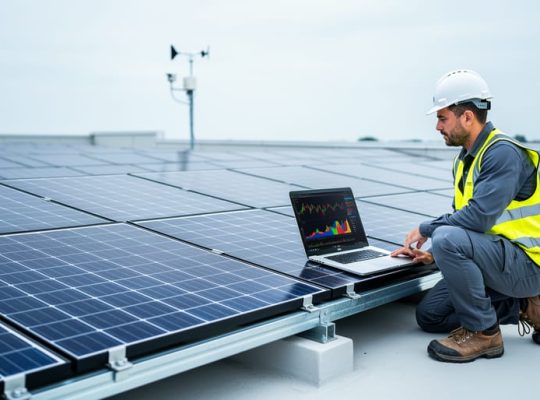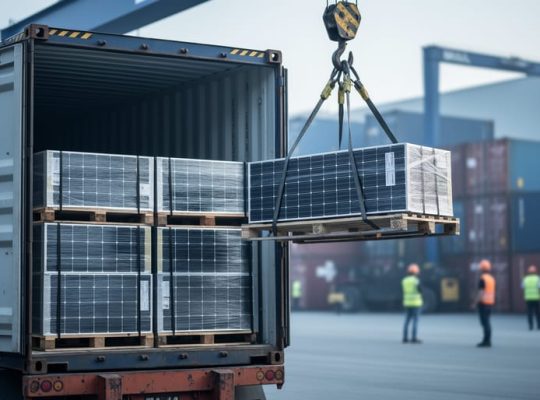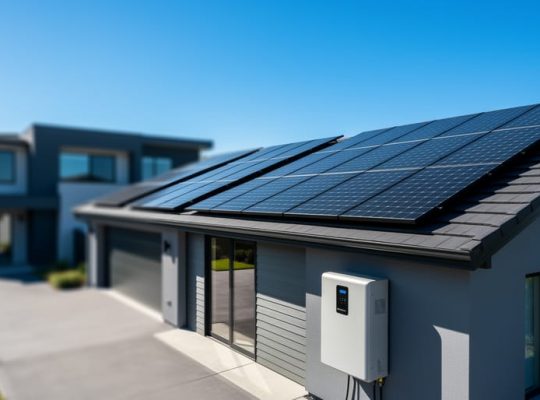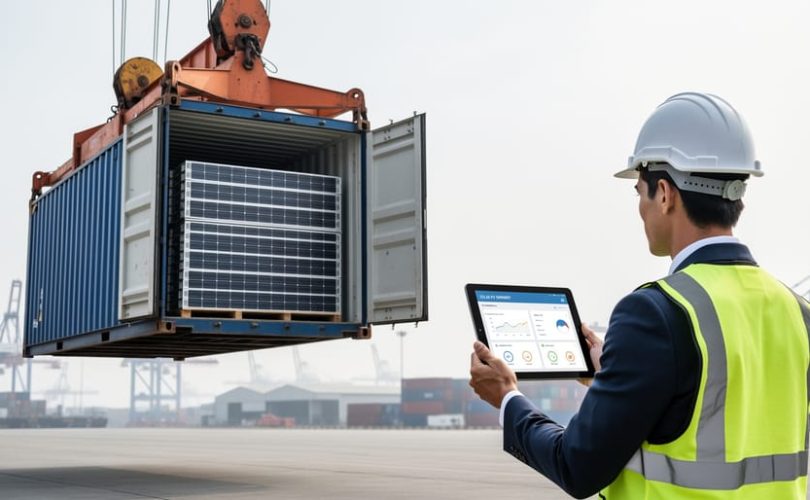
A Fourth-Party Logistics (4PL) provider acts as a single point of control that integrates, manages, and optimizes your entire supply chain, including sourcing, freight forwarding, customs brokerage, warehousing, and final delivery, rather than simply executing individual logistics tasks. For solar PV importers managing complex international shipments with strict compliance requirements, a 4PL partner serves as both strategist and orchestrator, coordinating multiple third-party logistics providers (3PLs) while assuming accountability for customs documentation, tariff classification, and regulatory adherence across jurisdictions.
Understanding the distinction between 3PL and 4PL models proves essential for procurement managers evaluating whether this elevated service tier justifies its premium. While a 3PL warehouse operator or freight forwarder executes specific tasks you assign, a 4PL provider designs your entire logistics architecture, selects and manages the 3PLs, monitors performance metrics, and adjusts routes or suppliers when disruptions occur. This strategic layer becomes particularly relevant in the solar photovoltaic sector, where shipments often involve high-value cargo, complex Harmonized System (HS) code classifications, Import Safety and Fairness Act compliance, and tight project installation deadlines that leave no margin for customs delays or documentation errors.
The decision to engage a 4PL partner requires careful analysis of your supply chain complexity, internal capability gaps, and regulatory exposure, factors this article examines through eligibility criteria, implementation roadmaps, and compliance frameworks tailored to solar PV imports in 2026.
What Fourth-Party Logistics (4PL) Means for Solar PV Imports
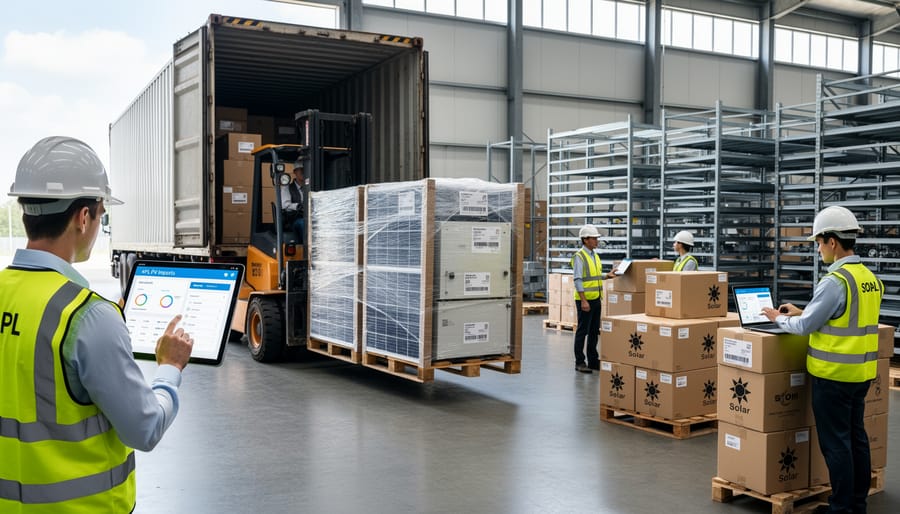
Fourth-party logistics (4PL) represents a strategic partnership where a single entity assumes comprehensive responsibility for managing an entire supply chain network, rather than simply executing individual logistics tasks. In solar photovoltaic imports, a 4PL provider acts as the central orchestrator coordinating all logistics activities, from factory gate in manufacturing countries through customs clearance to final delivery at installation sites across North America.
The distinction between 3PL and 4PL proves crucial for solar companies navigating today’s complex import environment. A third-party logistics provider handles specific operational tasks: a freight forwarder moves containers, a customs broker clears shipments, a warehouse stores inventory. Each operates within their defined scope. A 4PL provider, by contrast, manages these separate vendors as integrated components of a unified system, taking ownership of outcomes rather than just activities.
For photovoltaic module imports in 2026, this integration addresses persistent challenges. Solar panels travel through multiple jurisdictions with varying regulatory requirements. Modules manufactured in Southeast Asia face Section 301 tariffs, anti-dumping duties, and Uyghur Forced Labor Prevention Act scrutiny. Components may require temporary storage at bonded warehouses while duty rates are verified or product testing is completed. Installation schedules demand precise delivery timing to remote project sites.
A 4PL provider synchronizes these moving parts. They select and manage ocean carriers for container shipments, coordinate licensed customs brokers who classify photovoltaic cells under HTS 8541.40, arrange compliant warehousing near port facilities, and schedule final-mile transport to match construction timelines. They maintain custody of compliance documentation, certificates of origin, mill test reports for aluminum frames, polysilicon sourcing declarations, ensuring regulatory requirements are met before goods enter commerce.
This orchestration extends beyond logistics execution into strategic supply chain design. The 4PL analyzes tariff engineering opportunities, evaluates foreign trade zone benefits for solar imports, implements track-and-trace systems providing real-time shipment visibility, and forecasts capacity constraints at congested ports. They serve as the single point of accountability, which matters when anti-dumping case developments suddenly change duty liability or when customs holds up a shipment pending additional documentation.
The value proposition centers on expertise and integration. Solar companies gain access to specialists who understand both photovoltaic product classifications and evolving trade remedies, without building that knowledge in-house. They replace fragmented vendor relationships with one strategic partner responsible for the entire import pipeline from foreign supplier to domestic delivery.
Who Qualifies to Use 4PL Services for Photovoltaic Imports
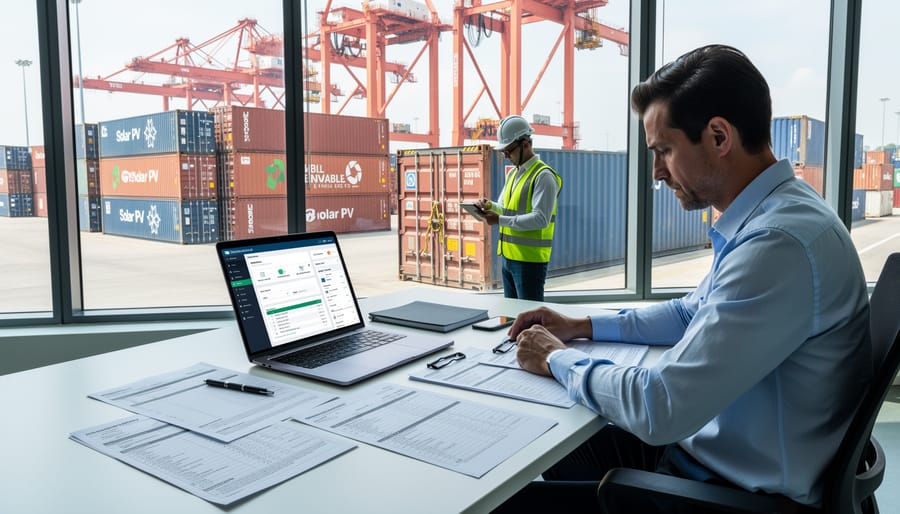
4PL logistics arrangements work best for solar companies facing recurring import complexity that justifies the cost of outsourcing strategic supply chain management. Not every photovoltaic importer benefits equally from this model. Companies with consistent shipment volumes, multiple sourcing countries, and evolving compliance requirements typically find 4PL partnerships more practical and cost-effective than those handling occasional, low-volume imports through a single port of entry.
Solar module manufacturers and large-scale distributors importing 20 or more containers annually often meet the threshold where 4PL services deliver measurable value. These businesses typically juggle shipments from factories across Southeast Asia, manage anti-dumping and countervailing duty determinations, coordinate warehousing near project sites, and track harmonized tariff classifications across evolving product lines. The coordination burden alone can overwhelm internal logistics teams, leading to delays that leave shipments stuck at customs while staff scrambles to assemble documentation.
Engineering, procurement, and construction firms managing utility-scale solar projects represent another strong candidate profile. EPCs coordinating modules, inverters, racking systems, and balance-of-system components from different suppliers across multiple countries face significant orchestration challenges. A 4PL provider can synchronize these moving parts, ensuring customs clearance aligns with installation schedules and avoiding costly project delays.
Smaller regional distributors or project developers importing fewer than 10 containers per year typically lack the volume to justify 4PL fees, which often include management retainers and technology platform access. For these businesses, a dedicated customs broker or traditional 3PL provider usually offers a more economical path to compliance. The decision hinges on complexity, not just volume.
Business scenarios that signal readiness for 4PL engagement include:
- Multi-origin sourcing strategies requiring country-of-origin tracking and UFLPA compliance verification
- Supply chains spanning multiple product categories with distinct tariff classifications and duty rates
- Frequent regulatory changes affecting solar imports, such as Section 301 exclusions or AD/CVD scope rulings
- Need for real-time visibility across ocean freight, customs clearance, domestic transport, and warehouse inventory
- Integration requirements between logistics operations and enterprise resource planning or project management systems
- Compliance audit demands from utility offtakers, tax equity investors, or government procurement programs
Companies experiencing repeat compliance issues, missed delivery windows, or difficulty scaling their internal logistics teams should evaluate whether a 4PL partnership addresses root causes more effectively than hiring additional staff. The complexity threshold often arrives when import operations consume more than one full-time equivalent without delivering consistent, predictable results.
How to Implement 4PL Logistics for Solar PV Customs and Import Compliance
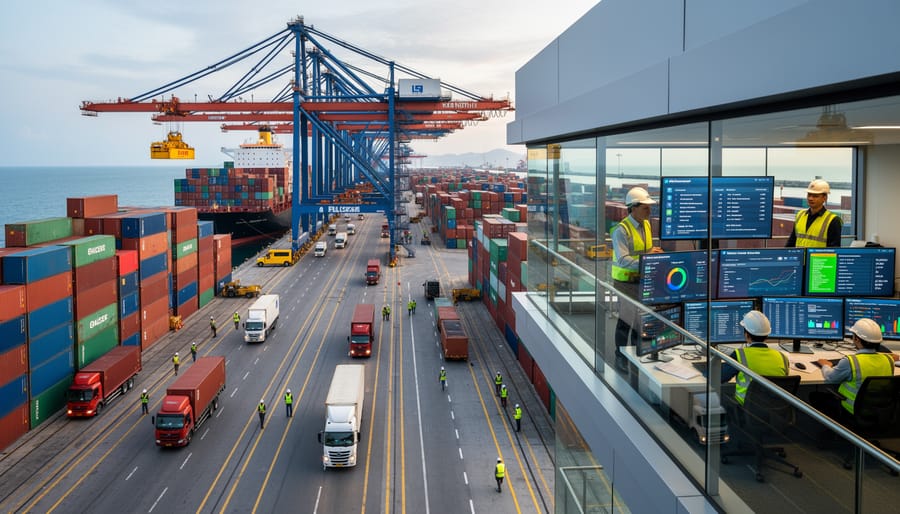
Selecting a 4PL Provider with Solar PV Expertise
Choosing a 4PL partner for photovoltaic logistics requires scrutinizing capabilities that go beyond general freight management. The right provider must demonstrate proven competence in the technical and regulatory nuances unique to solar imports.
Start by verifying the provider’s track record with HTS classification 8541.40, which covers photovoltaic cells and modules. Ask for case examples showing accurate tariff determinations for bifacial panels, integrated junction boxes, and hybrid module configurations. Misclassification drives costly duty overpayments and CBP audits, so the 4PL’s customs team should articulate classification logic clearly and maintain documentation supporting each entry.
Next, assess their fluency with solar-specific trade remedies. The provider should explain how they monitor active antidumping and countervailing duty cases affecting crystalline silicon cells from China, Taiwan, Malaysia, Vietnam, Thailand, and Cambodia. Request their process for applying correct AD/CVD case numbers, calculating cash deposit rates, and adjusting duty payments when Commerce issues scope rulings or rate revisions. A qualified 4PL tracks Federal Register notices and updates your compliance protocols accordingly.
Country-of-origin verification deserves separate scrutiny. The provider must outline how they obtain and validate mill certificates, manufacturer affidavits, and production records proving where cells were fabricated versus assembled. With UFLPA enforcement targeting polysilicon sourced from Xinjiang, the 4PL should describe their supplier vetting procedures and documentation standards to clear CBP holds.
Finally, confirm partnerships with licensed customs brokers holding continuous bonds adequate for your import volumes. The 4PL should coordinate broker filings, maintain real-time communication during examinations, and provide consolidated duty drawback support when solar equipment gets re-exported. Direct access to the broker’s entry data through shared platforms prevents information silos that delay clearances.
Establishing Customs and Regulatory Compliance Protocols
Setting up a robust import compliance framework begins with accurate Harmonized Tariff Schedule classification. Photovoltaic cells fall under HTS 8541.40, but modules, inverters, and balance-of-system components each carry distinct codes, misclassification triggers penalties, customs delays and duty underpayments that compound over repeated shipments. Your 4PL provider must confirm the correct subheading for every product line and document the rationale in writing, because CBP can challenge classifications years later during audits.
Duty rates vary by origin country and trade remedy status. Section 301 tariffs apply to Chinese-origin solar cells and modules at rates exceeding 25 percent in many cases, while anti-dumping and countervailing duties layer on additional costs for imports from Southeast Asian countries whose products contain Chinese-origin inputs. Your compliance protocol must map each supplier’s production footprint to the applicable duty structure, ensuring landed cost models reflect the true tariff exposure and avoiding surprise liabilities.
Forced labor enforcement has become the highest-risk area for solar imports. Your 4PL must establish a documentation regime that traces raw materials from mine to module, verifying polysilicon sources, wafer manufacturers, and cell producers through supplier affidavits, third-party audits, and chain-of-custody records. CBP requires this evidence before releasing shipments, so maintaining a current compliance file for each product SKU is non-negotiable.
Documentation requirements extend beyond supply chain transparency. Commercial invoices must specify country of origin, manufacturer details, and a complete bill of materials. Packing lists need serial numbers for modules and inverters to enable traceability. Certificates of origin, mill test reports for aluminum frames, and technical datasheets for electrical components all form part of the entry package. Implementing KPIV KPOV tracking helps identify which input variables drive compliance outcomes and reduces variability in documentation quality across shipments, turning compliance from a reactive scramble into a controlled process.
Rights, Obligations, and Performance Expectations
A 4PL contract for solar PV logistics establishes a complex web of mutual commitments where both parties must balance operational flexibility with strict accountability for customs compliance and supply chain performance.
Service Level Agreements and Performance Metrics
SLAs typically define transit times, documentation accuracy rates, and customs clearance benchmarks. For solar imports, expect your 4PL to commit to specific metrics: 98% on-time delivery from port to warehouse, same-day customs entry filing for urgent shipments, and zero classification errors on photovoltaic modules. The provider should guarantee real-time visibility into shipment status, with penalties for system downtime exceeding four hours monthly. You retain the right to review performance dashboards at least weekly and to demand corrective action plans when metrics fall below threshold.
Allocation of Compliance Responsibilities
The table below clarifies how rights and obligations typically distribute between your solar company and the 4PL provider:
| Area | Your Rights/Obligations | 4PL Provider Rights/Obligations |
|---|---|---|
| Customs Compliance | Provide accurate product specifications, country-of-origin documentation, and commercial invoices; remain importer of record | File entries correctly using HTS 8541.40, calculate duties including AD/CVD, maintain customs bond, notify you of regulatory changes |
| Liability for Penalties | Bear responsibility for misrepresented product information or fraudulent documentation | Assume liability for filing errors, missed deadlines, or incorrect duty calculations when based on accurate client data |
| Data Access | Access real-time shipment tracking, entry status, and compliance reports; audit logistics records with 10-day notice | Receive product roadmaps, forecasted volumes, and supplier changes 30 days in advance; protect client data per confidentiality terms |
| Performance Monitoring | Review monthly scorecards, invoke penalty clauses for SLA breaches, terminate for repeated failures | Collect performance fees tied to cost savings, propose process improvements, dispute unfounded penalty claims |
Most contracts place ultimate customs liability on you as the importer of record, but your 4PL must indemnify you for errors stemming from their misclassification or filing mistakes when you’ve supplied correct product data.
Duty Drawback and Financial Rights
You maintain ownership of duty drawback rights, refunds on imported solar panels subsequently exported or destroyed, but your 4PL should file drawback claims on your behalf and track eligibility. Contracts should specify whether the provider receives a percentage of recovered duties or a flat administrative fee. Ensure the agreement grants you access to all entry documents needed to substantiate drawback claims years later.
Intellectual Property Safeguards
For proprietary solar cell designs or inverter technologies in transit, demand contractual provisions prohibiting the 4PL from photographing products, sharing technical specifications with other clients, or warehousing your modules alongside competitors’ goods. The provider must train staff on confidentiality protocols and limit access to personnel with signed NDAs. Breach of IP protection should trigger immediate termination rights and financial remedies.
Audit Rights and Transparency
Reserve the right to audit the 4PL’s customs filings, freight invoices, and warehouse operations with reasonable notice, typically 10 business days. The provider must retain all import documentation for five years per CBP requirements and produce records within 48 hours during audits. You should also secure rights to third-party compliance audits if you face CBP scrutiny or need SOC 2 verification for stakeholder reporting.
Dispute Resolution and Termination
Most 4PL agreements include tiered dispute resolution: operational issues escalate to executive review within 15 days, then to mediation before litigation. For solar imports crossing multiple jurisdictions, specify governing law and venue upfront. Build in termination rights for cause (repeated SLA failures, compliance violations) with 30-day notice, and termination for convenience with 90-120 days’ notice to allow orderly transition of your supply chain to a new provider or in-house team.
Where to Get Expert Help and Compliance Support
Navigating solar PV import compliance and 4PL logistics demands access to accurate, up-to-date information from authorities, industry experts, and educational institutions equipped to address the unique challenges of photovoltaic supply chains.
Start with official government resources. U.S. Customs and Border Protection (CBP) maintains dedicated import specialists available through its Centers of Excellence and Expertise, particularly the Electronics Center, which handles solar cell and module classifications under HTS 8541.40. CBP’s online portal provides rulings databases, informed compliance publications specific to solar products, and country-of-origin verification guidance critical for navigating anti-dumping and countervailing duty orders affecting PV imports from various jurisdictions.
For specialized professional assistance, seek licensed customs brokers with demonstrated solar industry experience, those familiar with photovoltaic module classification nuances, Section 301 tariff exclusions, and UFLPA compliance for polysilicon sourcing. Trade compliance consultants who specialize in renewable energy imports can provide risk assessments, audit preparation, and guidance on local content rules affecting domestic manufacturing requirements in various solar incentive programs.
Authoritative industry support comes from multiple sources:
- Solar Energy Industries Association (SEIA), trade policy updates, compliance webinars, and member resources addressing import regulations
- National Customs Brokers & Forwarders Association of America (NCBFAA), directory of credentialed customs professionals with solar logistics expertise
- International Trade Administration Solar Energy Team, country-specific market intelligence and trade remedy case information
- Mose Solar’s university-partnered educational programs, supply chain and import compliance training for aspiring PV professionals, developed collaboratively with academic institutions
These educational offerings provide structured learning pathways covering customs procedures, documentation requirements, and regulatory frameworks specific to solar photovoltaic imports, preparing the next generation of supply chain professionals to manage complex 4PL relationships effectively.
Legal counsel specializing in international trade law becomes essential when facing penalty assessments, pursuing duty drawback claims, or structuring 4PL contracts that allocate compliance responsibilities. Academic research institutions partnering with industry can offer insights into emerging supply chain technologies and best practices as the solar logistics landscape evolves.
How to Apply or Complete the Process
There is no formal “application process” for engaging a 4PL provider, unlike government permits or licenses, 4PL logistics arrangements operate through standard commercial contracting. However, completing the implementation process for solar PV imports requires deliberate sequencing to ensure customs compliance from day one.
Start by finalizing your service agreement with the selected 4PL provider, clearly defining scope, performance metrics, and compliance responsibilities. Simultaneously, the provider must establish or verify your customs bond coverage adequate for your anticipated solar import volumes; CBP requires continuous bonds for importers exceeding $50,000 in annual duties.
Next, grant your 4PL’s customs broker power of attorney (Form 5291) to file entries on your behalf. Provide complete product specifications for HTS classification, module wattage, cell type, voltage ratings, so the broker can accurately classify under 8541.40 and apply correct duty rates including any applicable Section 301 or AD/CVD assessments.
Upload compliance documentation to the shared platform: commercial invoices, packing lists, bills of lading, country-of-origin certificates, and any UFLPA compliance records for polysilicon sourcing. Establish automated alerts for shipment milestones, customs holds, and duty payment deadlines.
Conduct a test shipment to validate data flows, documentation accuracy, and clearance timing before scaling to full volume.
Common Questions About 4PL Services for Solar Imports
Solar companies evaluating 4PL services frequently wrestle with practical concerns about costs, timelines, and operational fit. The questions below address the most common uncertainties procurement managers and supply chain directors face when considering 4PL partnerships for photovoltaic imports.
How much does 4PL logistics cost compared to managing 3PL providers directly?
4PL fees typically add 8-15% to total logistics costs but often reduce overall supply chain expenses by 12-20% through optimized carrier selection, consolidated shipments, and reduced customs penalties. The break-even point usually occurs when managing three or more 3PLs or handling container volumes exceeding 50 TEUs annually.
How long does 4PL onboarding take for solar import operations?
Initial setup requires 45-90 days for system integration, customs bond establishment, HTS classification verification, and process mapping. Full operational integration, including real-time tracking, duty drawback protocols, and UFLPA compliance workflows, typically spans four to six months for mid-sized solar distributors.
Can 4PL providers integrate with existing ERP and procurement systems?
Most established 4PL providers offer API connections to SAP, Oracle, and NetSuite platforms, enabling automated purchase order transmission, shipment visibility, and duty accrual posting. Custom integrations for proprietary systems usually require 30-60 days of IT collaboration and testing.
When should solar companies switch from 3PL to 4PL arrangements?
The transition makes strategic sense when coordinating multiple freight forwarders becomes time-intensive, customs compliance errors increase, or managing disparate vendor data prevents supply chain visibility. Companies importing from three or more countries or facing frequent trade remedy updates gain the most value from 4PL oversight.
Technology platforms vary significantly among 4PL providers, so verify that your chosen partner supports the specific solar industry requirements you face. Look for systems that handle country-of-origin tracking for solar cells, maintain audit trails for Section 301 exclusion claims, and flag shipments requiring UFLPA documentation before they reach U.S. ports. These capabilities help you avoid customs holds that delay project timelines and tie up working capital.
Regulatory landscapes shift constantly, particularly for photovoltaic products subject to anti-dumping investigations and forced labor scrutiny. Confirm that your 4PL contract includes proactive alerts for tariff changes, updated harmonized code classifications, and new compliance requirements affecting solar module imports. The strongest partnerships treat regulatory monitoring as a core service rather than an optional add-on.
Fourth-party logistics represents a strategic solution for solar PV companies confronting the intricate landscape of international trade compliance, tariff classifications, and supply chain coordination. For businesses importing substantial volumes of photovoltaic modules, inverters, and mounting systems, a qualified 4PL provider delivers comprehensive oversight that extends beyond basic freight forwarding into integrated compliance management and vendor orchestration.
The decision to engage a 4PL partner hinges on your company’s operational complexity, import volume thresholds, and internal compliance capabilities. Manufacturers and distributors managing multiple supplier relationships, navigating evolving trade remedies, and requiring real-time visibility across their photovoltaic supply chain gain the most measurable value from these partnerships.
Successful implementation demands careful provider selection, rigorous contract negotiation, and continuous performance monitoring. Establishing clear customs protocols, harmonized tariff classifications, and documentation workflows forms the foundation for compliant, efficient solar PV imports throughout 2026 and beyond.
Building internal expertise remains equally critical. Mose Solar’s educational programs, developed in collaboration with universities, equip aspiring photovoltaic professionals with the supply chain knowledge needed to evaluate 4PL partnerships, maintain regulatory compliance, and optimize logistics operations. Understanding these foundational concepts positions solar companies to make informed decisions that strengthen their competitive position in the global renewable energy marketplace.