No, solar panels do not have to be connected to the grid. You can install photovoltaic systems in three distinct configurations: grid-connected (with or without battery storage), hybrid systems that combine grid connection with backup batteries, or completely off-grid installations that operate independently. The choice depends on your energy goals, budget constraints, local regulations, and access to utility infrastructure.
Grid-connected systems remain the most common option in areas with reliable utility service, allowing homeowners and businesses to draw power when needed and often sell excess generation back through net metering programs. These installations typically require less upfront investment since they eliminate the need for expensive battery banks to store energy for nighttime use or cloudy periods. However, standard grid-tied systems without batteries lose functionality during power outages, a limitation that leads many to consider hybrid configurations.
Off-grid solar systems provide complete energy independence, making them essential for remote locations beyond utility reach or for those seeking total self-sufficiency. These installations require careful sizing of both solar arrays and battery storage to meet all energy demands throughout the year, particularly during periods of reduced sunlight. The technical complexity increases significantly compared to grid-tied options, as you must account for seasonal variations, backup generator integration, and load management without the safety net of grid power.
Understanding the benefits of solar energy across these different system types helps clarify which configuration aligns with your specific circumstances. Through our collaboration with leading universities and specialized training programs, we have observed that regulatory requirements, utility interconnection policies, and local building codes play decisive roles in determining which system architecture proves most practical and cost-effective for any given installation site.
Understanding Grid-Connected Solar PV Storage Systems
Grid-connected solar PV storage systems represent a sophisticated approach to renewable energy that combines the reliability of utility power with the independence of battery backup. Unlike simple grid-tied installations, these systems feature integrated battery storage that works in concert with the electrical grid to optimize energy use and provide resilience during outages.
In a grid-connected system, solar panels generate direct current electricity that flows to an inverter, which converts it to alternating current compatible with both your home and the utility grid. During daylight hours when your panels produce more electricity than you consume, the excess flows back to the grid through your utility meter, a process tracked through net metering programs that credit you for the energy exported. When your solar production falls short of demand, the grid seamlessly supplies the difference. This bidirectional energy flow creates an efficient partnership where the grid essentially acts as unlimited storage.
- Net metering
- A billing mechanism that credits solar system owners for excess electricity they export to the utility grid, effectively running the meter backwards. These credits typically offset electricity drawn from the grid during periods of low solar production.
- Bidirectional inverter
- An inverter capable of converting DC power from solar panels to AC for home use while also managing energy flow to and from battery storage and the grid. It coordinates power routing based on production, consumption, and storage levels.
- Grid-interactive system
- A solar configuration that maintains connection to the utility grid while incorporating local generation and often storage, allowing the system to both draw from and export to the grid as conditions warrant.
Adding battery storage to a grid-connected system transforms its capabilities significantly. The batteries capture excess solar production that would otherwise export to the grid, storing it for later use during evening hours or cloudy periods. This grid-connected storage approach maximizes self-consumption of your solar energy while maintaining grid access as a backup resource.
The critical distinction between simple grid-tied systems and those with storage lies in their behavior during grid outages. Basic grid-tied systems shut down immediately when the grid fails, a safety requirement to protect utility workers. Systems with battery storage and appropriate islanding equipment can disconnect from the grid and continue powering essential loads using stored energy and real-time solar production. This capability answers a common question about do solar panels store energy: the panels themselves don’t store energy, but integrated battery systems provide that function while maintaining the economic and reliability benefits of grid connection.
Three Solar Configuration Options
Grid-Tied Systems Without Storage
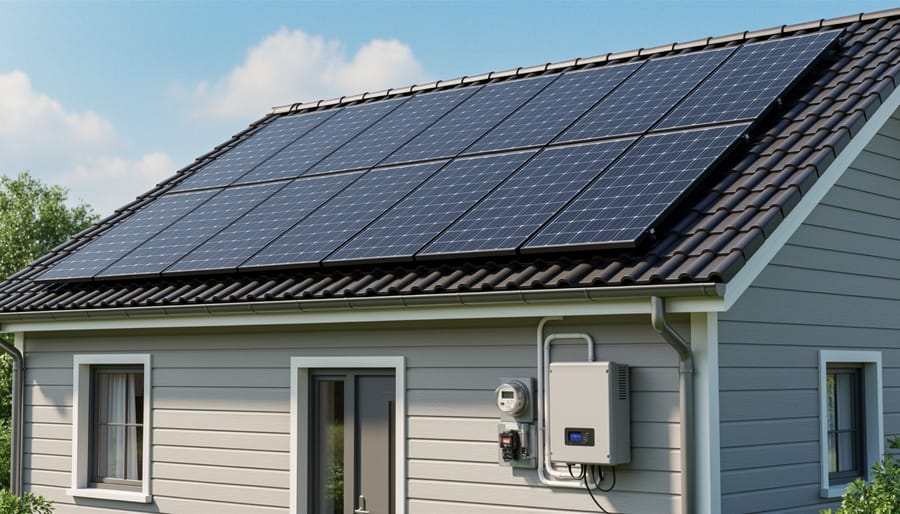
Grid-tied solar systems without storage represent the simplest form of solar installation. These systems connect directly to the utility grid through an inverter that converts the DC electricity from your panels into AC power compatible with household appliances and the grid itself.
During daylight hours when your panels generate electricity, that power flows first to your home’s electrical loads. Any excess production automatically exports to the grid, often earning you credits through net metering programs where available. When the sun sets or during periods of high energy demand that exceed your solar production, the grid seamlessly supplies the additional power you need. This bidirectional flow happens instantaneously without requiring any action from you.
The major limitation of these systems is their inability to function during grid outages. Safety regulations require grid-tied inverters to shut down immediately when they detect a loss of grid power. This anti-islanding protection prevents your system from feeding electricity into power lines that utility workers assume are de-energized, protecting both repair crews and the grid infrastructure itself.
- Lower upfront costs due to simpler equipment requirements
- Minimal maintenance with no battery replacement needs
- Net metering allows you to offset utility bills with excess generation
- Grid provides unlimited backup capacity for high-demand periods
- No power availability during grid outages regardless of sunshine
- Requires stable grid connection to function at all
- Net metering policies vary significantly by utility and may change over time
- You remain dependent on utility rate structures and policies
Grid-tied systems work best for properties with reliable utility service where backup power during outages isn’t a critical concern. They maximize financial returns in areas with favorable net metering policies while avoiding the complexity and expense of battery storage.
Hybrid Systems (Grid-Connected with Storage)
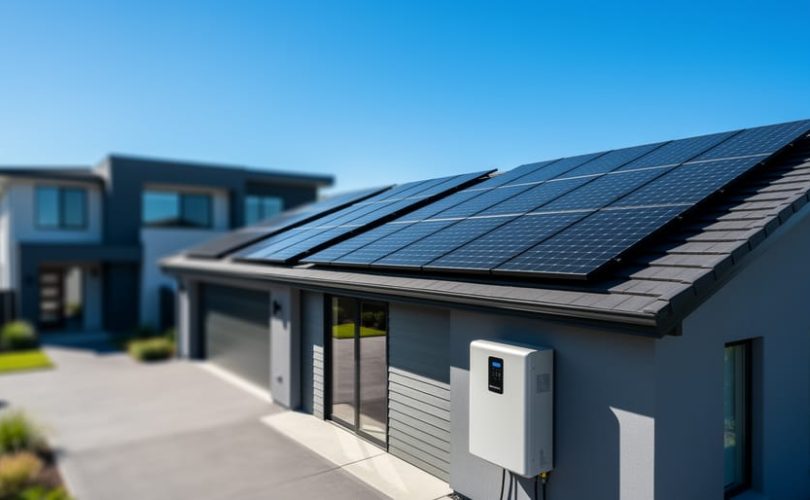
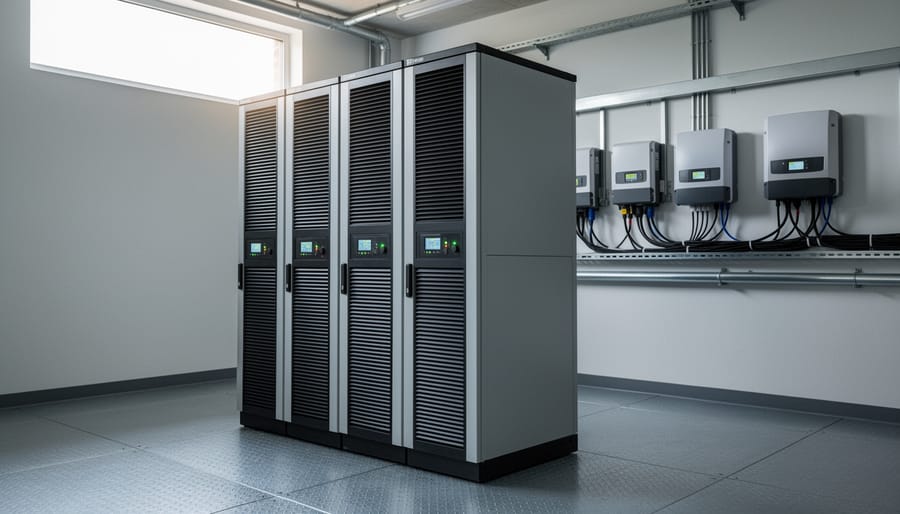
Hybrid systems represent the middle ground between pure grid-tied and completely off-grid configurations, combining the reliability of grid connection with the energy independence of battery storage. These systems maintain utility interconnection while integrating battery banks that can store excess solar production for later use.
The defining feature of hybrid systems is their ability to operate in multiple modes depending on conditions. During normal operation, they function like standard grid-tied systems, drawing from the grid when solar production falls short and exporting excess energy when panels generate more than needed. The battery storage adds flexibility by capturing surplus energy that would otherwise flow to the grid, making it available during evening peak demand or higher electricity rate periods.
When the grid goes down, hybrid systems demonstrate their key advantage through islanding capability. Advanced hybrid inverters detect utility outages and automatically disconnect from the grid, switching to isolated operation powered by the solar array and battery bank. This provides continued electricity for critical loads during blackouts, something pure grid-tied systems cannot offer. Once grid power returns, the system reconnects seamlessly and resumes normal bidirectional operation.
This configuration works well for homeowners who want backup protection against outages while maintaining access to grid benefits like net metering programs and utility-scale power reserves. The battery size in hybrid systems can be scaled based on backup needs and budget, with smaller banks providing several hours of emergency power for essential circuits, while larger installations can support whole-home backup for extended periods.
Off-Grid Systems
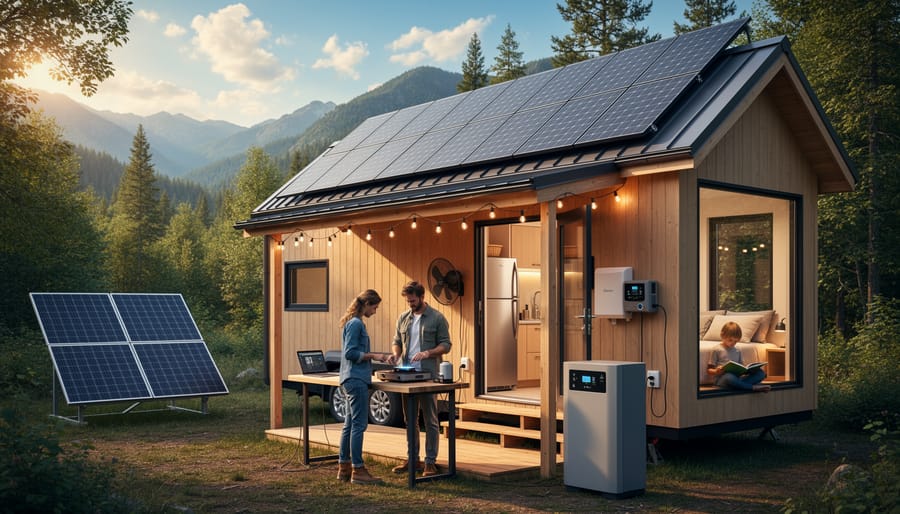
Off-grid solar systems operate completely independent of utility infrastructure, making them the answer for properties where grid connection is impractical or impossible. These installations require sufficient battery capacity to store energy produced during sunny periods for use at night and during cloudy weather, creating a closed-loop energy system that must meet 100% of the property’s electrical needs.
The self-contained nature of off-grid systems demands careful planning around off-grid storage needs. Without grid backup, the solar array must be oversized beyond typical consumption to account for seasonal variations in sunlight, consecutive cloudy days, and the inevitable degradation of battery performance over time. This oversizing ensures the system continues meeting energy demands even under less-than-ideal conditions.
Remote cabins, off-grid homesteads, telecommunications towers in rural areas, and properties where grid extension costs exceed the investment in solar infrastructure represent common scenarios where off-grid configurations make practical sense. Agricultural operations in isolated locations and properties in regions with unreliable or non-existent utility infrastructure also benefit from complete energy independence.
The trade-off for independence centers on system complexity and the need for energy consciousness. Off-grid residents typically monitor their energy production and consumption more closely than grid-connected users, adjusting usage patterns during periods of limited solar production. Many off-grid systems incorporate backup generators for extended periods of low solar output, adding another layer of energy security while reducing the battery bank size needed to maintain reliability throughout the year.
Technical Requirements for Each Configuration
Grid-Connected System Components
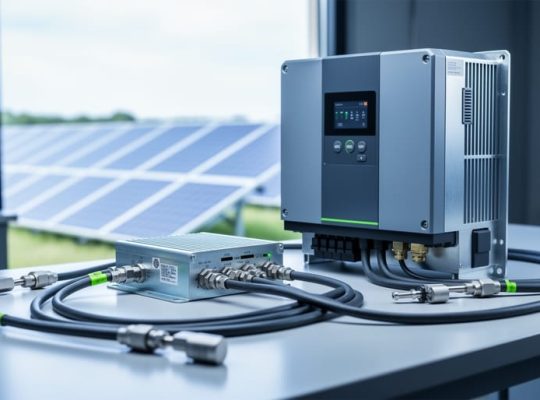
Grid-connected solar systems require specific equipment to safely interact with the utility grid and comply with interconnection standards. The core component is a grid-tie inverter, which converts DC power from solar panels into AC power synchronized with the grid’s voltage and frequency. These inverters must meet IEEE 1547 requirements, which mandate automatic anti-islanding protection, the inverter shuts down within two seconds if grid power fails, preventing backfeed that could endanger utility workers. Modern string inverters or microinverters both serve this function, though they differ in configuration and monitoring capabilities.
Every grid-connected installation needs these fundamental components:
- Grid-tie inverter with built-in anti-islanding protection and IEEE 1547 compliance
- AC and DC disconnect switches accessible to utility workers for emergency isolation
- Bi-directional utility meter or net metering equipment to track energy flow in both directions
- Properly sized circuit breakers and conductors meeting National Electrical Code standards
- Grounding and surge protection equipment to safeguard against electrical faults
The utility interconnection agreement dictates additional requirements, which vary by provider but typically include a visible external disconnect, liability insurance documentation, and permission-to-operate approval following inspection. Some utilities require a production meter separate from the consumption meter, while others use a single bi-directional meter. The local authority having jurisdiction determines permitting requirements and inspection protocols, you’ll need stamped engineering plans in many areas. Working with a qualified installer familiar with your utility’s specific interconnection process streamlines approval and ensures your system meets all technical and regulatory standards before energization.
Off-Grid System Requirements
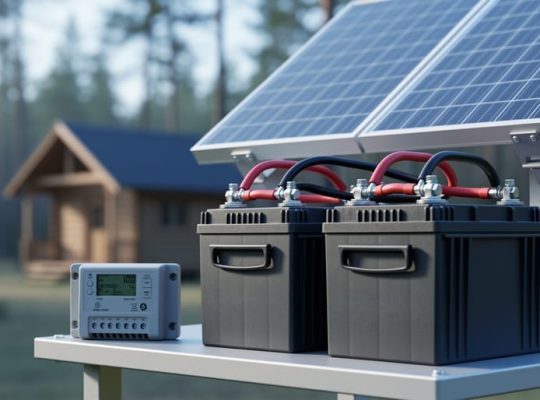
Off-grid solar systems demand significantly more robust infrastructure than grid-connected installations because they must function as the sole power source year-round. The battery bank forms the system’s backbone, storing energy during sunny periods to supply power during nights, cloudy days, and seasonal production dips. Battery capacity must account for multiple consecutive days without adequate sunshine, typically requiring storage equivalent to three to five days of household consumption depending on local climate patterns and risk tolerance.
Charge controllers regulate power flow between solar panels and batteries, preventing overcharging damage and optimizing energy harvest. Off-grid systems typically use MPPT (Maximum Power Point Tracking) controllers for superior efficiency compared to simpler PWM types, particularly valuable when maximizing energy capture from limited panel arrays. The controller must handle the system’s full solar capacity with appropriate headroom for future expansion.
Many off-grid installations incorporate backup generators as redundancy against extended low-production periods or unexpected high-demand events. Generator integration requires compatible transfer equipment and fuel storage planning. Modern systems employ sophisticated load management to prioritize critical circuits during low battery states, automatically shedding less essential loads to preserve stored energy.
System sizing presents unique challenges: solar arrays must generate enough daily energy to meet consumption needs while simultaneously recharging depleted batteries. This typically requires larger panel arrays than grid-connected equivalents. Inverters must handle both continuous loads and surge demands from motors and appliances without grid support to absorb power spikes. Oversizing components provides operational margin against equipment degradation and unexpected consumption increases.
Regulatory and Permitting Considerations
Navigating the regulatory maze for solar installations requires understanding that requirements differ dramatically between grid-connected and off-grid systems. Your system’s configuration determines which authorities you’ll need to satisfy and what approvals you must secure before energizing your array.
Grid-connected systems face the most extensive regulatory oversight because they interface with utility infrastructure. You’ll need to negotiate an interconnection agreement with your local utility, which establishes the technical standards your system must meet, liability provisions, and operational requirements. These agreements typically mandate utility-grade disconnects, anti-islanding protection, and specific metering configurations. Most utilities require professional engineering stamps on system designs, and some jurisdictions demand additional reviews by state public utility commissions before connection approval.
Off-grid installations generally encounter lighter utility-related regulation since they don’t connect to the grid, though this doesn’t mean they’re regulation-free. You’ll still need building permits that verify structural adequacy for roof-mounted arrays and compliance with electrical codes. Local authorities examine wire sizing, overcurrent protection, grounding systems, and battery installation safety regardless of grid connection. Some jurisdictions impose minimum setback requirements or design review for ground-mounted arrays that apply to all solar configurations.
Building departments typically require inspections at multiple stages: rough electrical before wiring is concealed, final electrical after completion, and sometimes structural inspections for mounting systems. Grid-tied projects add a utility inspection to verify interconnection safety before the meter is activated. The inspection sequence and required documentation vary by jurisdiction, with some municipalities streamlining solar permitting through fast-track programs while others maintain traditional multi-step approval processes.
Zoning considerations affect both system types. Homeowners associations may restrict visible solar installations, and historic districts often impose aesthetic requirements. Rural properties planning off-grid systems should verify that local codes permit habitation in structures without utility connections, as some jurisdictions maintain grid-connection requirements for occupancy permits.
Consult both your local building department and qualified solar installers familiar with regional requirements early in your planning process. Regulatory landscapes shift as solar adoption increases, and experienced professionals navigate these requirements daily.
Cost Considerations Across System Types
Understanding the cost implications of different solar configurations helps inform your decision-making process. While precise pricing depends heavily on your specific circumstances, location, and energy needs, certain cost patterns consistently emerge across system types.
Grid-tied systems without storage generally present the lowest upfront investment. These installations require only solar panels, a grid-interactive inverter, mounting equipment, and basic electrical components. The simpler equipment list translates to lower material costs and faster installation times. However, you’ll remain dependent on the utility grid for backup power and nighttime electricity supply.
Off-grid systems represent the highest initial expenditure. The need for substantial battery banks capable of storing multiple days of energy usage drives up equipment costs significantly. These systems also require oversized solar arrays to charge batteries while simultaneously powering daytime loads, even during less sunny periods. Additional components like charge controllers, battery management systems, and often backup generators add to the investment. The complexity of properly sizing and installing these components typically results in higher labor costs as well.
Hybrid systems occupy the middle ground. You gain battery backup capability for critical loads during outages while maintaining grid connection for everyday use. This approach allows for smaller battery banks than off-grid systems since the grid provides a secondary backup, though you’ll still pay more than a simple grid-tied installation.
| Cost Factor | Grid-Tied | Hybrid | Off-Grid |
|---|---|---|---|
| Upfront Equipment | Lower | Moderate | Higher |
| Installation Complexity | Lower | Moderate | Higher |
| Ongoing Maintenance | Minimal | Moderate | Higher |
Beyond initial installation, consider long-term costs. Battery replacement represents a significant future expense across off-grid and hybrid systems. Replacement timing varies considerably based on battery chemistry, depth of discharge, temperature conditions, and usage patterns. Lithium-based batteries generally outlast lead-acid options but command higher upfront prices. Grid-tied systems avoid battery costs entirely but subject you to ongoing utility bills and potential rate increases.
System size dramatically impacts overall investment regardless of configuration type. A small off-grid cabin system may cost less than a large grid-tied residential installation. Your energy consumption patterns, available roof or ground space, local labor rates, permitting fees, and whether you qualify for incentives all factor into final costs. Geographic location matters too, solar equipment and installation pricing vary regionally, and some areas offer rebates or tax incentives that can substantially reduce net costs for certain system types.
Choosing the Right Configuration for Your Needs
Selecting the right solar configuration requires weighing several interconnected factors against your specific circumstances. Start by evaluating your primary motivation: if minimizing upfront investment while accessing grid benefits matters most, a grid-tied system makes sense. If energy independence ranks highest, particularly in areas with frequent outages, hybrid or off-grid configurations warrant serious consideration despite higher initial costs.
Grid reliability in your location shapes this decision significantly. Regions with stable, dependable power grids make pure grid-tied systems practical for most households. Where outages occur regularly or extend for days, battery storage becomes less optional and more essential for maintaining critical loads. Document your area’s outage frequency and duration patterns over the past few years to inform this assessment.
Your property’s characteristics matter substantially. Remote locations beyond economical grid extension distances naturally favor off-grid designs, eliminating ongoing utility connection fees. Properties with challenging grid access, requiring expensive transformer upgrades or line extensions, may find off-grid or hybrid systems more cost-competitive than initial estimates suggest. Conversely, urban and suburban sites with straightforward grid connections benefit from net metering and simpler permitting for grid-tied installations.
Energy consumption patterns influence system sizing and configuration. Households with consistent daytime usage align well with grid-tied systems, as solar production directly offsets consumption without storage needs. Homes with heavy evening loads or variable seasonal patterns gain more from battery storage, which shifts solar energy to match actual usage times.
Local incentive programs and utility policies affect the financial equation. Some jurisdictions offer substantial rebates for battery storage installations, narrowing the cost gap between grid-tied and hybrid systems. Others provide favorable net metering rates that make simple grid-tied systems economically attractive. Research your state’s solar policies and utility-specific programs before finalizing system design.
Budget constraints require honest assessment. While monthly savings eventually offset system costs, the initial investment differs markedly between configurations. Consider financing options, available incentives, and your timeline for return on investment when comparing system types.
The Role of Professional Education in System Design
Designing a solar system, whether grid-tied, hybrid, or off-grid, involves far more than mounting panels on a roof and connecting wires. Each configuration presents distinct technical challenges that require specialized knowledge of electrical codes, structural engineering principles, energy modeling, and safety protocols. A miscalculated battery bank, an improperly sized inverter, or a structural mount that fails under wind load can compromise system performance or create hazardous conditions.
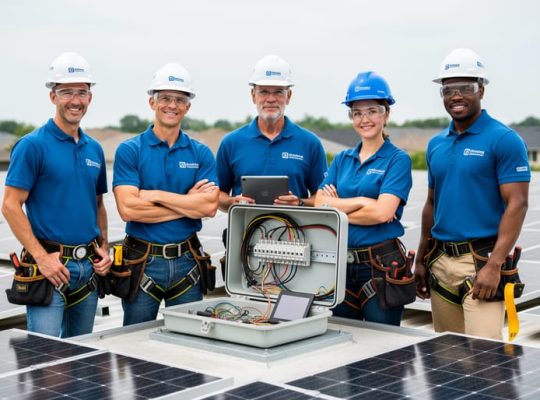
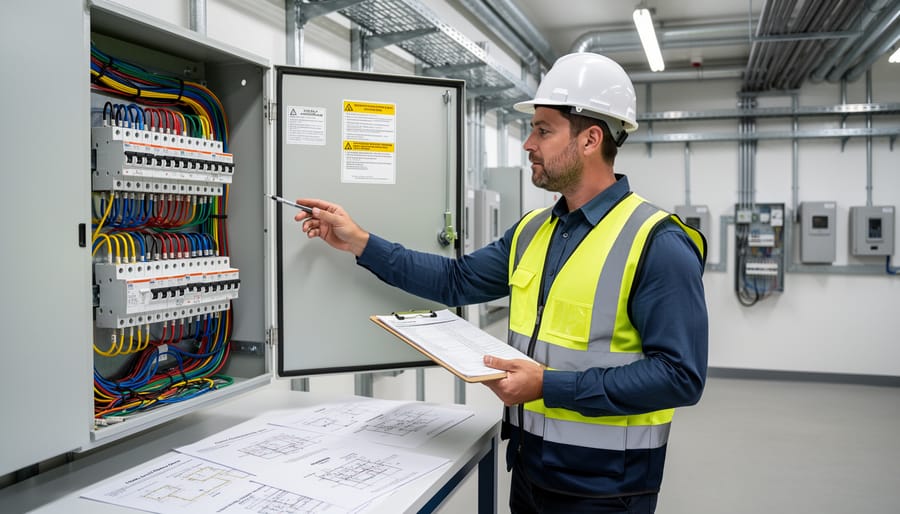
Working with qualified photovoltaic professionals ensures your system meets local electrical codes, passes inspection, and operates safely for decades. Competent installers understand how to model energy production against consumption patterns, account for seasonal variations, and design backup capacity appropriate to your reliability needs. They navigate utility interconnection requirements for grid-tied systems and specify equipment that matches your specific load profile and site conditions.
The complexity of modern solar installations has driven increased emphasis on professional training and certification. Mose Solar has collaborated with universities to develop comprehensive educational programs that prepare competent solar professionals capable of designing and installing diverse system configurations. These programs cover critical topics including photovoltaic fundamentals, system design methodology, battery storage integration, grid interconnection standards, and evolving code requirements.
Proper education equips installers to ask the right questions during site assessment, identify potential issues before they become problems, and optimize system performance for your specific circumstances. When evaluating installers, look for recognized certifications, verifiable experience with your chosen system type, and willingness to explain design decisions in clear terms. A well-designed system reflects not just technical competence but also an installer’s ability to translate your energy goals into a reliable, code-compliant installation.
Solar panels do not require grid connection, but the right configuration for your property depends on your unique circumstances. Your location, energy goals, budget, grid reliability, and long-term plans all factor into whether a grid-tied, hybrid, or off-grid system makes the most sense. While grid-connected systems offer simplicity and economic benefits through net metering, hybrid configurations provide backup resilience, and off-grid installations deliver complete independence where grid access is unavailable or unreliable.
The technical, regulatory, and financial considerations for each approach differ substantially. What works for a suburban home with reliable grid service won’t necessarily suit a remote property without utility infrastructure. Similarly, your priorities regarding energy independence, backup power, and system complexity will shape the optimal design.
Proper system design requires specialized knowledge of electrical codes, structural requirements, utility regulations, and energy modeling. Working with qualified PV professionals ensures your installation meets safety standards, performs reliably, and aligns with your objectives. As battery storage technology continues advancing and costs evolve, more configuration options become practical for diverse situations. Consulting with experienced solar designers will help you navigate these choices and create a system tailored to your specific needs.