Discover the power of photovoltaic systems, a revolutionary technology that harnesses the sun’s energy to generate clean, renewable electricity. With their ability to convert sunlight directly into usable power, photovoltaic systems offer a compelling advantage over traditional energy sources. By embracing this innovative technology, we can reduce our reliance on fossil fuels, lower greenhouse gas emissions, and pave the way for a sustainable future. Photovoltaic systems not only provide a viable solution to our growing energy demands but also empower individuals and communities to take control of their energy production. As we explore the advantages of photovoltaic systems, it becomes clear that this technology holds the key to unlocking a brighter, cleaner, and more resilient energy landscape for generations to come.
Operational Advantages
Low Maintenance
Photovoltaic systems are renowned for their low maintenance requirements, making them an attractive option for those seeking a hassle-free renewable energy solution. Once installed by qualified professionals, PV systems are designed to operate with minimal maintenance for decades. The absence of moving parts in PV panels significantly reduces the chances of mechanical failure and wear, contributing to their long-term durability and reliability.
Regular cleaning of the panels to remove dust, debris, and snow is often the only maintenance task required to ensure optimal performance. In most cases, natural elements like rain and wind take care of this, further minimizing the need for manual intervention. Occasional inspections by trained technicians can help identify and address any potential issues, such as loose connections or damaged components, before they impact system performance.
The inverters and electrical components of PV systems are also designed for longevity and require minimal upkeep. Many manufacturers offer extended warranties and remote monitoring services, allowing for proactive maintenance and quick resolution of any issues that may arise. This hands-off approach to maintenance makes PV systems an ideal choice for businesses, homeowners, and institutions looking to adopt clean energy without the burden of constant upkeep.
Durability and Longevity
One of the most significant advantages of photovoltaic (PV) systems is their exceptional durability and longevity. PV panels are designed to withstand the elements and maintain their performance over an extended period. Typically, high-quality PV panels come with warranties ranging from 25 to 30 years, ensuring their reliable operation and energy production for decades. The robust construction of PV panels, which includes tempered glass, weather-resistant backing, and durable frames, allows them to endure various environmental conditions such as extreme temperatures, high winds, and even hail. This durability translates into minimal maintenance requirements, as PV systems have no moving parts and are inherently resistant to wear and tear. With proper installation and occasional cleaning, PV panels can continue to generate clean electricity efficiently for many years, making them a reliable and long-lasting investment in renewable energy. The extended lifespan of PV panels not only provides a stable source of clean energy but also contributes to the overall cost-effectiveness of the system, as the initial investment is spread over a longer period, resulting in a lower levelized cost of electricity (LCOE) over time.
Versatility
One of the key advantages of photovoltaic systems is their versatility in terms of scale and application. PV systems can be designed and installed to meet the specific energy needs of various projects, ranging from small-scale residential installations to large-scale commercial and utility projects. For residential applications, PV systems can be tailored to the size and energy consumption of individual households, allowing homeowners to generate their own clean electricity and reduce reliance on the grid. On a larger scale, PV systems can be deployed in expansive solar farms, harnessing the power of the sun to generate significant amounts of electricity for communities and industries. This scalability makes PV systems adaptable to different energy demands and site constraints.
Moreover, PV systems can be integrated into a wide range of applications beyond traditional rooftop installations. Building-integrated photovoltaics (BIPV) seamlessly incorporate PV cells into building elements such as facades, windows, and shading devices, transforming structures into energy-generating assets. PV systems can also be deployed in off-grid locations, providing reliable electricity access to remote communities and supporting critical infrastructure like telecommunications and water pumping. The modular nature of PV technology allows for customization and flexibility in system design, enabling integration with energy storage solutions and other renewable energy sources for enhanced reliability and efficiency.

Environmental Benefits
Clean Energy
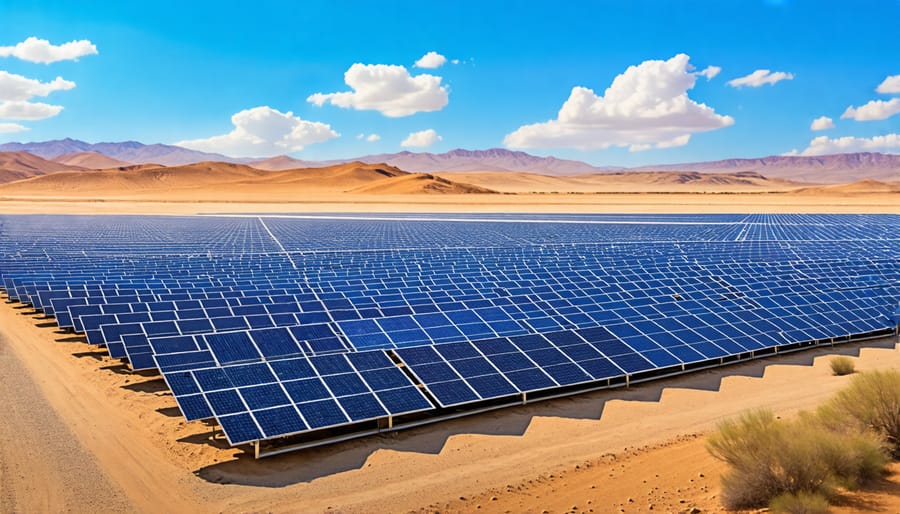
One of the most significant advantages of photovoltaic systems is their ability to generate clean, renewable energy without emitting harmful pollutants or greenhouse gases. Unlike fossil fuel-based power plants, which release carbon dioxide, sulfur dioxide, and nitrogen oxides into the atmosphere, solar panels harness the power of the sun to produce electricity through a clean and silent process. This means that by adopting photovoltaic technology, we can significantly reduce our carbon footprint and mitigate the effects of climate change. Moreover, the use of advanced materials and technologies, such as monocrystalline solar panels, further enhances the efficiency and environmental benefits of PV systems. As the world shifts towards a more sustainable future, the clean energy generated by photovoltaic systems will play a crucial role in meeting our energy needs while preserving the planet for generations to come. By investing in solar power, we not only reduce our reliance on fossil fuels but also contribute to the creation of a cleaner, healthier environment for all.
Sustainable Materials
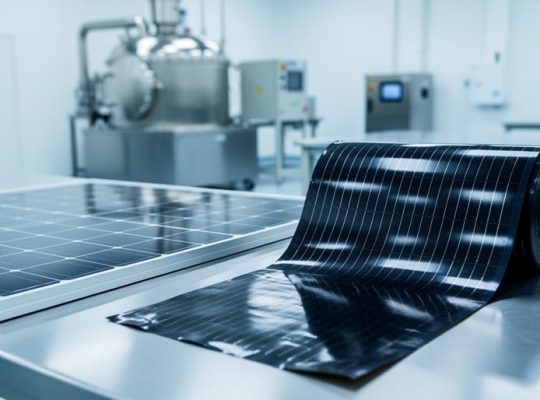
The photovoltaic industry has made significant strides in developing and utilizing sustainable materials for the manufacturing of solar panels. Researchers and manufacturers are increasingly focusing on eco-friendly, recyclable, and biodegradable materials to reduce the environmental impact of PV systems. One notable advancement is the use of organic photovoltaic cells, which are made from carbon-based materials that are easily recyclable and have a lower carbon footprint compared to traditional silicon-based cells. Additionally, the industry is exploring the use of perovskite materials, which offer high efficiency and can be produced using low-cost, solution-based processes. These breakthroughs in solar panel efficiency not only enhance the performance of PV systems but also contribute to their sustainability.
Moreover, PV manufacturers are implementing circular economy principles by designing panels that are easier to disassemble, recycle, and repurpose at the end of their lifespan. This approach minimizes waste and ensures that valuable materials can be recovered and reused in new products. By prioritizing sustainable materials and practices, the photovoltaic industry is demonstrating its commitment to environmental stewardship and contributing to a greener future.
Economic Advantages
Lifetime Savings
One of the most compelling advantages of photovoltaic systems is their potential for significant lifetime savings on electricity costs. By generating their own clean, renewable energy, PV system owners can drastically reduce or even eliminate their reliance on grid-supplied electricity. Over the 25-30 year lifespan of a typical PV system, these savings can accumulate to tens of thousands of dollars, depending on factors such as system size, location, and electricity rates.
The upfront cost of installing a PV system is offset by the long-term savings it provides. With minimal maintenance requirements and no fuel costs, PV systems offer a stable and predictable source of energy that is insulated from the volatility of fossil fuel prices. As electricity rates continue to rise, the value of a PV system’s energy production increases, leading to greater savings over time.
Moreover, many jurisdictions offer net metering or feed-in tariff programs that allow PV system owners to sell excess energy back to the grid, further enhancing the economic benefits. By investing in a PV system, homeowners and businesses can take control of their energy costs, protect against future price hikes, and enjoy substantial lifetime savings while contributing to a cleaner, more sustainable future.

Energy Independence
One of the most significant advantages of photovoltaic systems is their contribution to energy independence. By generating electricity directly from the sun, PV systems allow homeowners and businesses to reduce their reliance on the traditional power grid. This decentralized approach to energy production empowers individuals to take control of their energy needs, insulating them from potential grid failures, power outages, or fluctuations in energy prices.
PV systems enable the creation of microgrids, self-sufficient energy networks that can operate independently of the main grid. These microgrids enhance energy security and resilience, particularly in remote or off-grid locations. Additionally, the modular nature of PV systems allows for easy scalability, meaning that users can start small and expand their energy production capacity as their needs grow.
Moreover, PV technology aligns with the global shift towards sustainable energy solutions. As governments and organizations set ambitious targets for renewable energy adoption, PV plays a crucial role in reducing dependence on fossil fuels. By embracing solar power, communities can contribute to a more diversified and sustainable energy mix, mitigating the environmental and geopolitical risks associated with relying on finite and often imported energy sources.
Ongoing research and advancements in using sustainable materials further enhance the energy independence benefits of PV systems. As the technology becomes more efficient, cost-effective, and environmentally friendly, it becomes an increasingly viable option for a wider range of applications, from residential rooftops to large-scale solar farms. By investing in PV, individuals and society as a whole can move towards a more self-sufficient, resilient, and sustainable energy future.
Conclusion
In conclusion, photovoltaic systems offer a promising solution to the growing energy demands of our world. By harnessing the power of the sun, these systems provide clean, renewable energy with minimal environmental impact. The operational advantages of photovoltaics, such as their long lifespan, low maintenance requirements, and adaptability to various scales and locations, make them an attractive option for a wide range of applications. Moreover, the cost-effectiveness of photovoltaics has improved significantly over the years, making them an increasingly competitive alternative to traditional energy sources. As technological advancements continue to drive down costs and improve efficiency, the potential for photovoltaics to revolutionize the energy sector becomes even more evident. With the urgency to combat climate change and reduce our reliance on fossil fuels, embracing photovoltaic systems is not only a smart economic choice but also a crucial step towards a sustainable future. By investing in research, development, and widespread adoption of photovoltaics, we can unlock their full potential and pave the way for a cleaner, greener, and more resilient energy landscape. The future of energy is bright, and photovoltaics will undoubtedly play a pivotal role in shaping it.