Discover the groundbreaking technology behind monocrystalline passivated emitter and rear contact (PERC) solar cells, a revolutionary advancement in photovoltaics that has taken the renewable energy sector by storm. With their enhanced efficiency, durability, and cost-effectiveness, monocrystalline PERC cells are paving the way for a cleaner, greener future. This comprehensive article delves into the intricacies of PERC technology, exploring its innovative design, manufacturing processes, and the remarkable benefits it offers over traditional solar cell configurations. As the world embraces sustainable energy solutions, understanding the potential of monocrystalline PERC is crucial for aspiring PV professionals, researchers, and environmentally conscious individuals alike. Join us on a captivating journey as we unravel the secrets behind this game-changing technology and its vital role in shaping the future of renewable energy.
What are Monocrystalline PERC Solar Cells?
The PERC Advantage
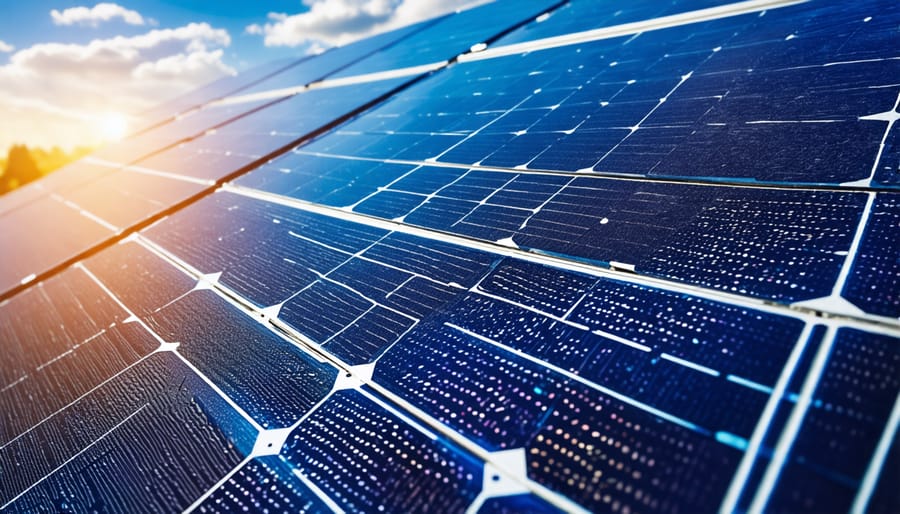
PERC (Passivated Emitter and Rear Contact) technology has revolutionized the monocrystalline solar cell industry by significantly enhancing cell efficiency. This innovative approach involves adding a dielectric passivation layer on the rear side of the cell, which reduces recombination losses and improves light capture. By minimizing the electrical losses at the rear surface, PERC cells can generate more electricity from the same amount of sunlight compared to traditional monocrystalline cells. Additionally, the reflective properties of the rear passivation layer allow more light to be reflected back into the cell, increasing the probability of light absorption and energy conversion. The combination of reduced recombination and enhanced light trapping enables PERC cells to achieve higher efficiencies, typically ranging from 20% to 24% in commercial production. This efficiency boost translates to more power output per unit area, making PERC technology an attractive choice for solar panel manufacturers aiming to maximize energy generation while minimizing the required installation space. The adoption of PERC technology has been a game-changer in the solar industry, enabling the production of more cost-effective and high-performance monocrystalline solar panels that contribute to the growth of renewable energy worldwide.
Efficiency and Performance
Real-World Applications
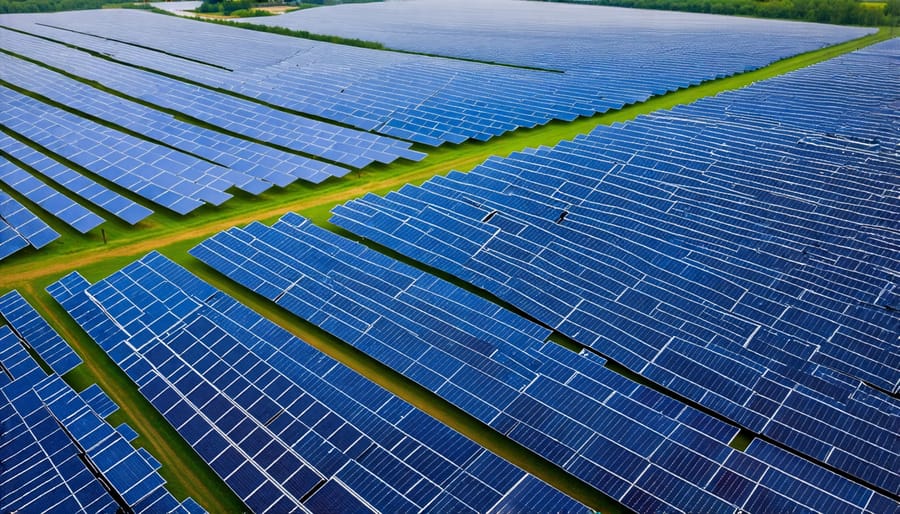
Monocrystalline PERC technology has been successfully implemented in various solar installations worldwide, demonstrating its efficiency and reliability. For instance, the Nyngan Solar Plant in Australia, which spans over 250 hectares and consists of over 1.35 million solar panels, utilizes monocrystalline PERC modules. This installation has an impressive capacity of 102 MW, generating enough clean energy to power approximately 33,000 homes annually. Another notable example is the Tengger Desert Solar Park in China, one of the world’s largest solar farms, with a capacity of 1,547 MW. This massive installation incorporates monocrystalline PERC technology, showcasing its scalability and potential for large-scale renewable energy generation.
In the United States, the Stillwater Solar Geothermal Hybrid Plant in Nevada combines monocrystalline PERC solar panels with geothermal energy, creating a unique and efficient hybrid renewable energy system. The solar component of the plant has a capacity of 26 MW, complementing the geothermal power generation and demonstrating the versatility of monocrystalline PERC technology in various applications.
These real-world examples highlight the effectiveness and adaptability of monocrystalline PERC solar cells in both large-scale solar farms and hybrid renewable energy systems. As the technology continues to advance and becomes more widely adopted, it is expected to play a crucial role in the global transition towards clean, sustainable energy sources.
Environmental Impact
The adoption of monocrystalline PERC technology in solar cells has a significant positive impact on the environment by reducing carbon emissions and contributing to the fight against climate change. Compared to traditional solar cells, PERC technology offers higher energy conversion efficiency, meaning more clean electricity can be generated from the same amount of sunlight. This increased efficiency translates to a reduction in the carbon footprint associated with solar energy production.
By maximizing the power output of each solar panel, monocrystalline PERC cells reduce the number of panels required to meet energy demands. This optimization leads to a decrease in the land area needed for solar installations, minimizing the environmental impact of large-scale solar farms. Furthermore, the enhanced performance of PERC cells under low-light conditions and high temperatures extends the operational hours of solar systems, further increasing their clean energy generation capacity.
The widespread adoption of monocrystalline PERC technology has the potential to accelerate the transition towards a low-carbon economy. As more homes, businesses, and utilities embrace this advanced solar cell technology, the reliance on fossil fuels for electricity generation diminishes. This shift results in a substantial reduction in greenhouse gas emissions, helping to mitigate the effects of climate change and improve air quality.
Moreover, the long lifespan and durability of monocrystalline PERC cells contribute to their environmental sustainability. With a typical lifespan of 25 to 30 years, these cells provide a reliable and long-term solution for clean energy generation. The extended operational life reduces the need for frequent replacements, minimizing the environmental impact associated with manufacturing and disposal processes.
Future Outlook
Ongoing Research and Development
Research and development efforts in monocrystalline PERC technology continue to push the boundaries of solar cell efficiency and cost-effectiveness. Scientists and engineers are exploring innovative ways to optimize the passivation layers, reduce recombination losses, and enhance light trapping capabilities. Advancements in metallization techniques, such as screen printing and plating, aim to improve electrical contacts and minimize resistive losses. Moreover, researchers are investigating novel materials and cell architectures that can further boost the performance of monocrystalline PERC cells. These ongoing efforts are crucial in driving down the cost of solar energy and making it more competitive with traditional energy sources. As the technology matures, we can expect to see even higher efficiency ratings, longer lifetimes, and more widespread adoption of monocrystalline PERC solar cells in various applications, from residential rooftops to large-scale solar farms.
Conclusion
In conclusion, monocrystalline PERC solar cells represent a significant advancement in photovoltaic technology, offering higher efficiency, improved performance, and enhanced energy yield compared to traditional solar cells. By overcoming the limitations of conventional designs, PERC cells have the potential to revolutionize the solar industry and accelerate the transition to clean energy. The increased efficiency and cost-effectiveness of PERC technology make it an attractive choice for both residential and commercial solar installations, enabling more people to adopt renewable energy solutions. As the demand for sustainable energy grows, monocrystalline PERC solar cells will play a crucial role in meeting the world’s energy needs while reducing carbon emissions and mitigating the impacts of climate change. With ongoing research and development efforts, the performance and affordability of PERC cells are expected to further improve, making solar power an even more viable and accessible option for a greener future. By embracing this cutting-edge technology, we can take a significant step towards a more sustainable and energy-secure world, paving the way for a cleaner, brighter tomorrow.