Embark on a journey through the intricacies of solar project development, where each stage plays a crucial role in harnessing the power of the sun. From site selection to the final switch-on, the solar project development timeline is a complex tapestry woven with technical expertise, regulatory navigation, and meticulous planning. As PV solar panels continue to revolutionize the energy landscape, understanding the key milestones and challenges within this timeline becomes essential for industry professionals, investors, and renewable energy enthusiasts alike. Join us as we unravel the critical stages of solar project development, providing insights into the intricate process that brings clean, sustainable energy to life.
Step 1: Site Selection and Feasibility Analysis

Site Assessment Criteria
When selecting a site for a solar project, several key factors must be considered to ensure optimal performance and return on investment. Solar irradiation, the amount of solar energy received at the site, is a critical factor as it directly impacts the system’s energy output. Land availability and suitability are also crucial, as the site must have sufficient space for the solar array and be free from shading or obstructions. Grid connectivity is another essential consideration, as the site must be located near existing electrical infrastructure to minimize transmission losses and costs. Other factors to evaluate include local climate conditions, environmental regulations, and potential social and ecological impacts. By carefully assessing these criteria, developers can identify the most promising sites for solar projects and maximize their chances of success.
Feasibility Study Components
A solar feasibility study is a comprehensive analysis that evaluates the technical, economic, and environmental aspects of a proposed solar project. The technical assessment examines factors such as solar resource availability, site suitability, system design, and grid interconnection requirements. The economic evaluation considers project costs, financing options, incentives, and return on investment. Environmental aspects include assessing potential impacts on land use, wildlife, and local ecosystems. The study also addresses permitting and regulatory requirements, as well as community engagement and social acceptance. By thoroughly examining these components, a feasibility study provides stakeholders with the information necessary to make informed decisions about the viability and sustainability of a solar project. The findings of the study serve as a foundation for subsequent stages of project development, guiding the design, financing, and implementation of the solar PV system.
Step 2: System Design and Engineering
PV Module and Inverter Selection
When selecting PV modules and inverters for a solar project, it is crucial to consider various criteria to ensure optimal performance and compatibility. Key factors include the project’s size and energy output requirements, site-specific conditions such as climate and shading, and the desired level of efficiency and reliability. PV modules should be chosen based on their power output, efficiency, and temperature coefficient, while also considering their durability and warranty. Inverters should be selected to match the PV array’s DC output and the project’s AC grid connection requirements, with a focus on maximizing energy harvest and minimizing losses. Evaluating the technical specifications, certifications, and track record of different module and inverter manufacturers is essential to make informed decisions that align with the project’s goals and constraints. Engaging with experienced solar professionals and conducting thorough due diligence can help optimize the selection process and ensure the long-term success of the solar project.
System Sizing and Performance Modeling
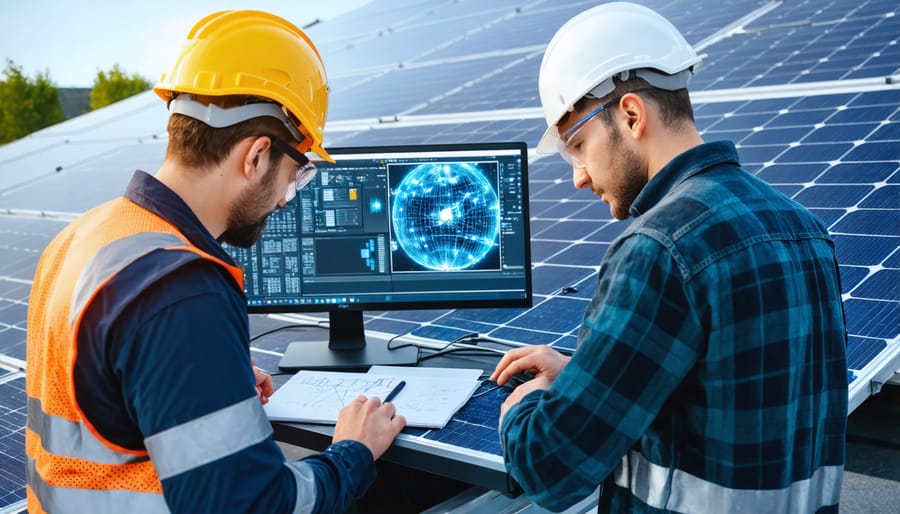
Determining the optimal system size and estimating energy production are crucial steps in solar project development. Designers use specialized software tools, such as PVsyst or HelioScope, to model the system’s performance based on site-specific factors like solar irradiance, shading, and module orientation. These tools simulate the system’s energy output over a typical meteorological year, considering losses due to temperature, wiring, and inverter efficiency. By iterating through different system configurations, designers can identify the optimal size that maximizes energy production while meeting project constraints like available space and budget. Accurate performance modeling ensures that the system will generate the expected amount of clean energy and provides a basis for financial projections.
Step 3: Permitting and Approvals
Building and Electrical Permits
Obtaining building and electrical permits is a crucial step in the solar project development timeline. Local authorities require these permits to ensure that the proposed solar installation complies with building codes, safety regulations, and zoning laws. The process typically involves submitting detailed plans, specifications, and calculations to the relevant permitting agencies. These documents should demonstrate that the solar PV system is designed and will be installed in accordance with applicable standards and regulations. The review process may involve multiple departments, such as building, electrical, and fire safety, and may require revisions or additional information. Engaging with experienced professionals, such as licensed engineers and contractors, can help navigate the permitting process efficiently. Once the permits are approved, they grant legal permission to proceed with the construction and installation of the solar PV system. It is essential to factor in the time required for permit acquisition when planning the overall project timeline.
Environmental and Land Use Approvals
Environmental assessments and land use approvals are critical steps in the solar project development timeline. Developers must conduct environmental impact studies to assess potential effects on wildlife, vegetation, and ecosystems. These assessments ensure compliance with local, state, and federal regulations. Land use approvals involve securing permits from relevant authorities, such as zoning boards and planning commissions. This process may require public hearings and community engagement to address concerns and obtain support. Thorough due diligence and proactive communication with stakeholders are essential to navigating these approvals efficiently. By prioritizing environmental sustainability and responsible land use, solar projects can proceed with minimal delays and maximize their positive impact.
Step 4: Procurement and Construction
Component Procurement
Procuring the necessary components for a solar PV project is a crucial step in the development timeline. The primary components include PV modules, inverters, and balance of system (BOS) components such as mounting structures, wiring, and monitoring systems. Developers must carefully select components that meet the project’s technical specifications, budget, and delivery schedule. This process involves researching and evaluating potential suppliers, negotiating prices and terms, and ensuring the components meet industry standards and certifications. Developers often establish relationships with trusted suppliers to streamline the procurement process and ensure a reliable supply chain. Once the components are ordered, the developer must coordinate logistics to ensure timely delivery to the project site. Effective component procurement requires strong project management skills, attention to detail, and the ability to adapt to potential supply chain disruptions or changes in the project scope.
Site Preparation and Installation
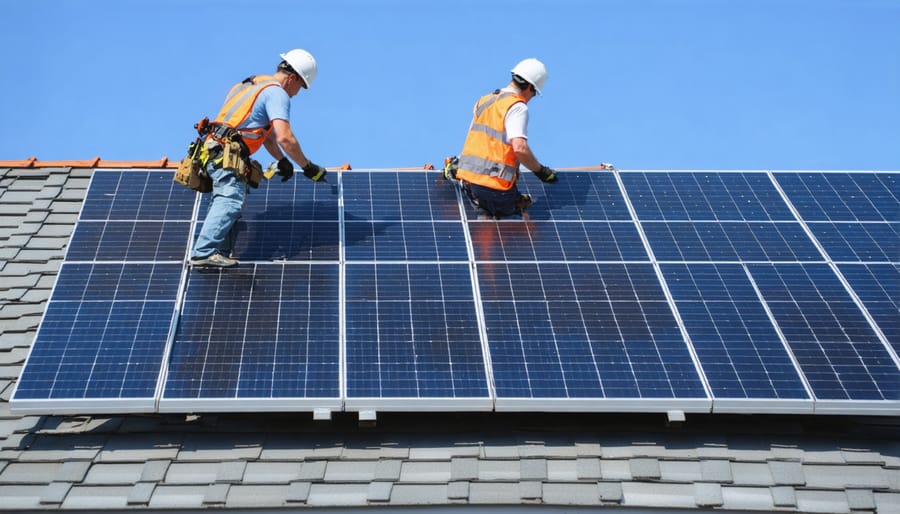
Once the necessary permits and approvals are obtained, site preparation and installation can begin. This involves clearing and grading the site, installing the mounting system, and connecting the solar panels and electrical components. The mounting system, which can be fixed-tilt or tracking, is secured to the ground or rooftop. The solar panels are then attached to the mounting structure and wired together in series to form strings. These strings are connected to inverters, which convert the DC electricity generated by the panels into AC electricity. The inverters are then connected to the electrical grid via a transformer and switchgear. Throughout the installation process, strict adherence to safety protocols and quality control measures is essential to ensure a reliable and efficient solar PV system. Once the installation is complete, thorough testing and commissioning are conducted to verify that the system is functioning as designed and ready for operation.
Step 5: Commissioning and Interconnection
System Testing and Commissioning
System testing and commissioning are critical steps in ensuring the safe, efficient, and reliable operation of a solar PV system. This phase involves a series of rigorous tests and inspections to verify that all components are functioning as intended and meet the required performance standards. These tests include string voltage and polarity checks, insulation resistance measurements, and continuity tests for electrical connections. Additionally, the commissioning process involves functional testing of the inverters, monitoring systems, and grid interconnection equipment. Performance testing is conducted to validate the system’s output and compare it against the design specifications. Thorough documentation of all test results and commissioning activities is maintained for future reference and compliance purposes. Once the system passes all the necessary tests and inspections, it receives final approval from the relevant authorities, marking the completion of the commissioning phase and the readiness of the solar PV system for commercial operation.
Grid Interconnection Process
The grid interconnection process involves several steps to ensure the safe and efficient integration of the solar PV system with the electrical grid. First, the developer must submit an interconnection application to the local utility company, providing detailed information about the system’s specifications and design. The utility then conducts a feasibility study to assess the impact of the proposed system on the grid and determines any necessary upgrades or modifications. Once approved, the developer enters into an interconnection agreement with the utility, outlining the terms and conditions of the connection. The solar PV system must then undergo rigorous testing and commissioning to verify its performance and safety before final approval for grid connection is granted.
Step 6: Operations and Maintenance
Monitoring and Performance Analysis
Effective monitoring and performance analysis are crucial for ensuring the optimal operation of a solar PV system. Monitoring systems continuously track various parameters such as energy production, inverter performance, and environmental conditions. These systems provide real-time data and alerts, enabling project owners and operators to identify any deviations from expected performance promptly. By analyzing the collected data, experts can pinpoint issues like equipment malfunctions, shading, or soiling that may impact energy generation. This proactive approach allows for timely maintenance interventions, minimizing downtime and maximizing the system’s efficiency. Regular performance reports generated by monitoring systems also help stakeholders assess the project’s long-term viability and return on investment. Incorporating robust monitoring and performance analysis practices throughout the operational lifecycle of a solar PV project is essential for optimizing energy production, reducing maintenance costs, and ensuring the system’s longevity.
Preventive Maintenance Practices
To ensure the long-term reliability and optimal performance of a solar PV system, preventive maintenance practices are crucial. Regular cleaning of solar panels, typically every 6-12 months, helps maintain their efficiency by removing dirt, dust, and debris. Inspecting electrical connections, inverters, and mounting structures for signs of wear, damage, or corrosion is essential to prevent system failures. Monitoring system performance using software tools allows for early detection of any issues, enabling timely repairs. Proper vegetation management around the solar array prevents shading and damage. By adhering to these preventive maintenance practices and understanding solar panel longevity, project developers can maximize the system’s performance and extend its lifespan, ensuring a reliable and sustainable energy source for years to come.
Conclusion
In conclusion, the solar project development timeline involves several key stages, each requiring careful planning and execution to ensure a successful outcome. From site selection and feasibility analysis to engineering design, procurement, construction, commissioning, and operations, the process demands a methodical approach and close collaboration among various stakeholders. Thorough due diligence, regulatory compliance, and risk management are essential throughout the development lifecycle. By understanding the intricacies of each stage and allocating sufficient time and resources, project developers can navigate the challenges and optimize the performance of their solar PV installations. As the world transitions towards a more sustainable future, mastering the solar project development timeline will be crucial for industry professionals, researchers, and environmentally conscious individuals alike. With proper execution, solar PV projects can contribute significantly to the global shift towards clean, renewable energy sources, paving the way for a greener and more resilient future.