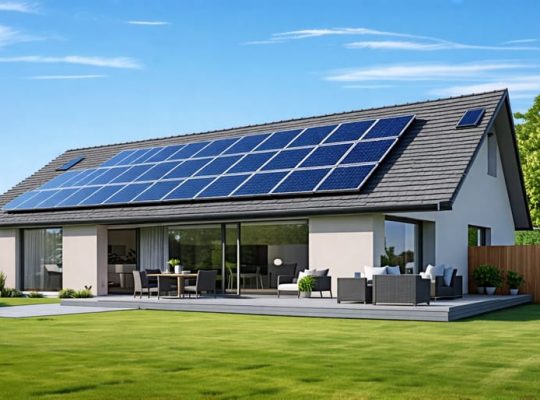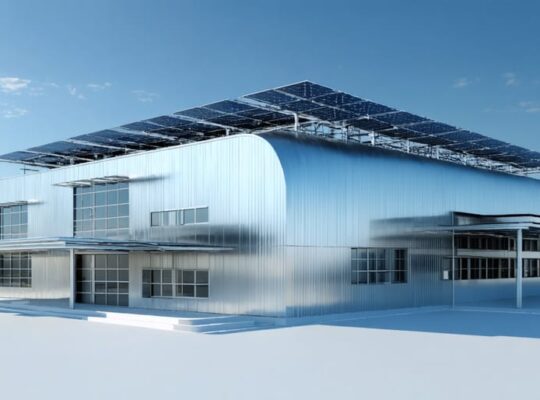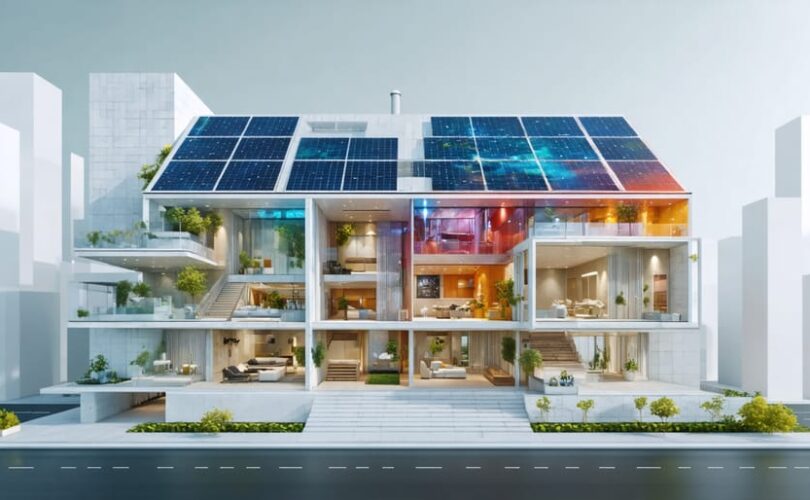
Retrofitting existing buildings with modern energy solutions represents a critical pathway to achieving sustainable urban development and meeting ambitious climate goals. The integration of building-integrated photovoltaics and other renewable technologies into aging structures has emerged as a cornerstone of construction modernization. This transformation goes beyond simple upgrades, encompassing comprehensive structural modifications, energy system overhauls, and smart technology integration to enhance building performance while preserving architectural integrity.
Recent advances in retrofit technologies, coupled with evolving regulatory frameworks and financial incentives, have made building modernization more accessible and cost-effective than ever before. From historic preservation projects to commercial building renovations, retrofit solutions offer a balanced approach to improving energy efficiency, reducing operational costs, and extending building lifespans. These interventions not only address immediate performance needs but also position structures for future sustainability requirements and market demands.
With global building stock responsible for approximately 40% of energy consumption and carbon emissions, the importance of strategic retrofit approaches cannot be overstated. This comprehensive examination explores cutting-edge retrofit methodologies, economic considerations, and practical implementation strategies that are reshaping the construction industry’s approach to building modernization.
Understanding BIPV Retrofit Technologies
Solar Tiles and Shingles
Solar roof tiles and shingles represent an innovative approach to retrofitting existing buildings with photovoltaic technology. These systems seamlessly integrate solar cells into roofing materials, offering a more aesthetically pleasing alternative to traditional solar panels while maintaining optimal energy generation capabilities.
The retrofit process involves replacing conventional roofing materials with solar-integrated alternatives, which can be installed either as a complete roof replacement or in sections. Modern solar tiles feature advanced mounting systems that ensure weather-tight installation and simplified electrical connections, making them suitable for various roof configurations.
Key considerations for implementation include roof orientation, shading analysis, and structural load capacity. The installation requires specialized expertise to ensure proper integration with existing electrical systems and weatherproofing measures. While initial costs typically exceed traditional solar panel installations, these systems often provide enhanced durability and can increase property value through their architectural integration.
Performance monitoring systems are typically incorporated to track energy generation and system efficiency, allowing property owners to optimize their renewable energy investment while maintaining the building’s architectural integrity.
Facade Integration Systems
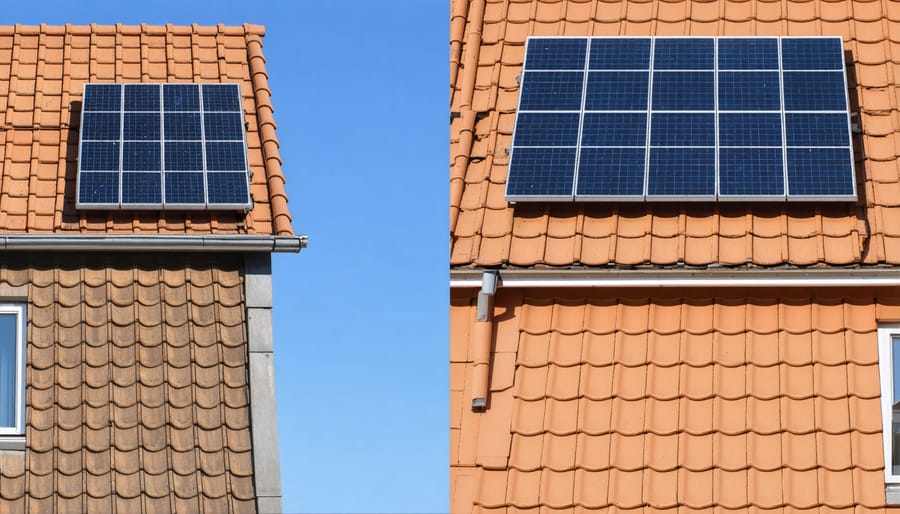
Modern facade integration systems represent a significant advancement in building retrofit technology, offering innovative solutions for vertical surface solar integration. These systems typically comprise specialized photovoltaic panels designed to replace or overlay existing building facades while maintaining architectural integrity. The integration process involves mounting frameworks that secure solar modules to the building’s exterior walls, creating a seamless blend of form and function.
Advanced mounting systems accommodate various panel types and sizes, enabling customization for different building configurations. These installations can incorporate both opaque and semi-transparent PV modules, allowing natural light transmission while generating power. The systems often feature ventilated designs that promote air circulation, enhancing both panel efficiency and building thermal performance.
Recent technological developments have introduced smart connection systems that simplify installation and maintenance while ensuring optimal electrical integration. These solutions often include pre-engineered mounting components and standardized electrical interfaces, reducing installation time and costs while maximizing energy generation potential.
Technical Considerations for BIPV Retrofits
Structural Assessment
Before installing Building Integrated Photovoltaic (BIPV) systems, a thorough structural assessment of the existing building is essential to ensure safety and optimal performance. This evaluation primarily focuses on the building’s load-bearing capacity, structural integrity, and ability to support additional weight from solar installations.
The assessment begins with a detailed analysis of the roof or façade structure, examining key elements such as support beams, trusses, and connection points. Engineers evaluate the dead load capacity, which accounts for the permanent weight of the building materials, and the live load capacity, which considers variable weights like snow, wind, and maintenance personnel.
Critical factors examined during the structural assessment include:
– Current structural condition and age of the building
– Existing material properties and degradation
– Load distribution patterns
– Wind uplift resistance
– Seismic considerations
– Water drainage systems
Advanced modeling techniques and simulation software are employed to calculate stress distributions and identify potential weak points. This analysis helps determine if structural reinforcement is necessary before BIPV installation.
If the assessment reveals inadequate support capacity, engineers may recommend specific modifications such as additional support beams, reinforced mounting points, or structural upgrades. These modifications ensure the building can safely accommodate the BIPV system while maintaining its structural integrity throughout the system’s operational lifetime.
Electrical Integration
The integration of BIPV systems into existing electrical infrastructure requires careful planning and adherence to specific requirements to ensure safe, efficient operation. The primary consideration is the building’s electrical capacity and load distribution. A thorough electrical assessment must be conducted to determine if the current infrastructure can support the additional power generation without requiring significant upgrades.
The main electrical panel typically needs modification to accommodate a dedicated circuit breaker for the BIPV system. This integration must comply with national electrical codes and local utility requirements, including the installation of appropriate disconnects and safety equipment. Modern BIPV systems require the installation of inverters to convert DC power from solar panels to AC power compatible with the building’s electrical system.
Monitoring systems are essential components that must be integrated into the existing electrical infrastructure. These systems track power generation, consumption patterns, and system performance while enabling remote diagnostics and maintenance alerts. The installation should include proper grounding systems and surge protection devices to safeguard both the BIPV system and the building’s electrical components.
Connection points between the BIPV system and the existing electrical infrastructure must be properly weatherproofed and accessible for maintenance. Additionally, smart metering systems may need to be installed to enable accurate billing and monitoring of energy production and consumption, particularly in grid-connected systems where excess power can be exported to the utility grid.
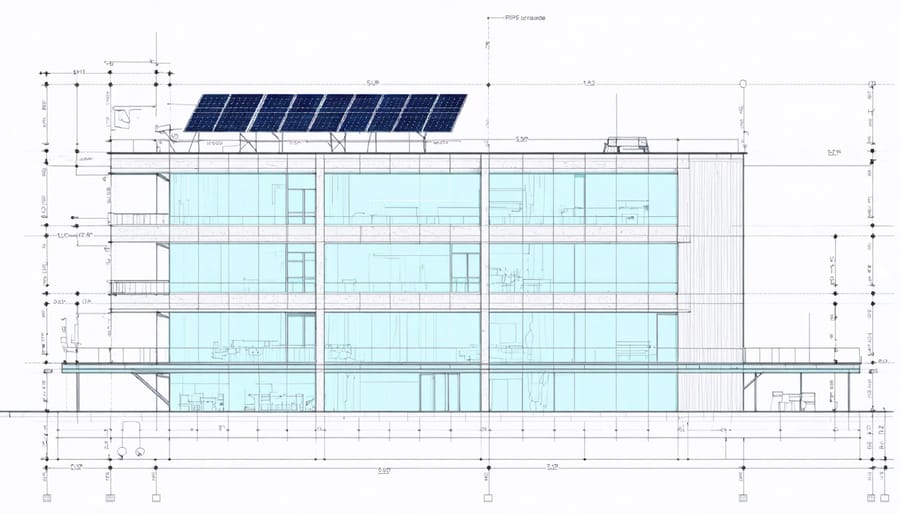
Performance Benefits and ROI
Energy Generation Potential
Retrofit projects can significantly enhance a building’s energy generation potential through strategic implementation of photovoltaic systems. Typical commercial building retrofits achieve power outputs ranging from 50 to 200 kWp, depending on available surface area and system design. Modern solar panels used in retrofits demonstrate conversion efficiencies between 15-22%, with premium modules reaching up to 25% efficiency in optimal conditions.
The integration of advanced energy storage solutions can further optimize generation potential by enabling peak-load shifting and improved energy utilization. Performance metrics indicate that well-designed retrofit installations can offset 30-60% of a building’s electrical consumption, with some projects achieving higher percentages when combined with comprehensive energy efficiency measures.
Annual energy yield calculations typically show generation capacities of 800-1,200 kWh per kWp installed, varying by geographical location, orientation, and local climate conditions. These figures translate to substantial carbon emission reductions, averaging 400-600 kg CO2 per kWp annually, making retrofit installations a crucial component in achieving building sustainability targets.
Financial Benefits
Retrofit projects offer substantial financial advantages when properly planned and executed. Initial investments typically range from $10-30 per square foot, depending on the scope and complexity of the modifications. However, these costs are often offset by significant long-term savings. Energy-efficient retrofits can reduce operational costs by 20-40% annually, with most projects achieving complete return on investment within 3-7 years.
Building owners can expect enhanced property values, with studies showing that retrofitted buildings command 7-10% higher rental rates and increased occupancy levels. Government incentives, tax credits, and rebate programs further improve the financial proposition, potentially covering up to 30% of project costs.
Additionally, retrofitted buildings demonstrate reduced maintenance expenses, with modern systems requiring less frequent repairs and replacements. Insurance premiums often decrease due to improved building resilience and reduced risk factors. When considering lifecycle costs, retrofit projects typically result in a 15-25% reduction in total building operational expenses over a 20-year period, making them an economically sound investment for property owners and developers.
Implementation Process
Planning and Design
Successful retrofit projects begin with comprehensive planning and meticulous design considerations that address both technical and practical aspects of the existing structure. The initial phase involves conducting thorough building assessments, including structural evaluations, energy audits, and compliance reviews with current building codes and regulations.
A detailed site analysis must evaluate the building’s orientation, shading patterns, and available surface area for potential modifications. Engineers and architects collaborate to develop solutions that integrate seamlessly with existing systems while minimizing disruption to occupants. This includes careful consideration of mechanical, electrical, and plumbing systems that may require modification or upgrading.
The design phase focuses on creating specifications that balance performance objectives with architectural integrity. Key considerations include selecting appropriate materials, determining optimal installation methods, and ensuring structural compatibility. Special attention must be given to load-bearing capabilities, weather resistance, and thermal performance requirements.
Project teams must also develop comprehensive implementation schedules that account for occupancy patterns, weather conditions, and potential contingencies. Risk assessments help identify potential challenges and inform mitigation strategies. The planning process should incorporate stakeholder input and establish clear communication channels between property owners, contractors, and regulatory authorities.
Cost analysis and budget planning are essential components, requiring detailed estimates for materials, labor, permits, and potential contingencies. This financial framework helps ensure project viability while maximizing return on investment through improved building performance and energy efficiency.
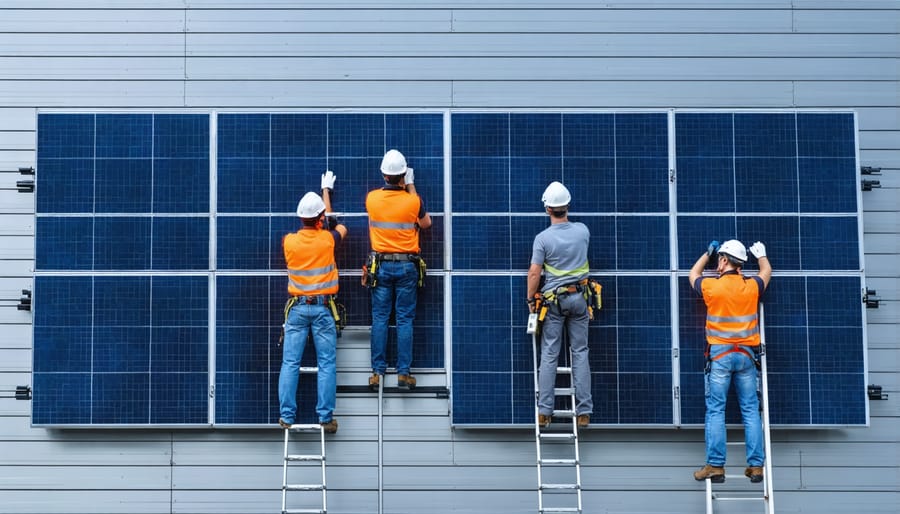
Installation and Commissioning
The installation and commissioning phase of retrofit projects requires careful planning and systematic execution to ensure optimal performance. Initially, existing building conditions must be thoroughly assessed, including structural integrity, electrical systems, and available mounting surfaces. A detailed installation schedule is then developed, outlining sequential steps while minimizing disruption to building occupants.
Installation typically begins with mounting system preparation, followed by the integration of new components with existing building systems. This process often involves upgrading electrical infrastructure, installing monitoring equipment, and implementing necessary safety measures. Special attention must be paid to weatherproofing and maintaining building envelope integrity during installation.
The commissioning process involves systematic testing and verification of all installed systems. This includes performance testing, safety checks, and calibration of control systems. Key steps include:
– Verification of electrical connections and grounding
– Testing of monitoring and control systems
– Performance validation under various operating conditions
– Safety system checks and emergency shutdown testing
– Documentation of baseline performance metrics
Quality control measures are implemented throughout the process, with regular inspections and documentation of installation milestones. Final commissioning includes comprehensive system testing, user training, and handover documentation. A post-installation verification period ensures all systems operate as designed and meet specified performance criteria.
Building-integrated photovoltaic retrofits represent a transformative solution for advancing sustainable construction while preserving existing architectural assets. The integration of BIPV systems into retrofit projects offers multiple advantages, including reduced energy costs, decreased carbon emissions, and enhanced building performance. As demonstrated throughout this article, successful BIPV retrofits combine technical innovation with practical implementation strategies to achieve optimal results.
The future outlook for BIPV retrofits appears particularly promising, driven by continuous technological improvements, declining installation costs, and growing environmental awareness. Market trends indicate increasing adoption rates across commercial, residential, and industrial sectors, supported by favorable government policies and environmental regulations. Innovations in solar cell efficiency, material development, and installation techniques continue to make BIPV retrofits more attractive and accessible to building owners.
Looking ahead, the industry can expect further advancements in smart building integration, enhanced aesthetic options, and improved energy storage solutions. The development of more efficient photovoltaic materials and installation methods will likely reduce implementation costs while increasing energy generation capabilities. Additionally, the growing emphasis on sustainable urban development and net-zero building standards will continue to drive demand for BIPV retrofit solutions.
For building owners and industry professionals considering BIPV retrofits, the combination of environmental benefits, economic advantages, and technological progress presents a compelling case for implementation. As the technology matures and becomes more mainstream, BIPV retrofits will play an increasingly vital role in transforming existing buildings into sustainable, energy-efficient structures for the future.