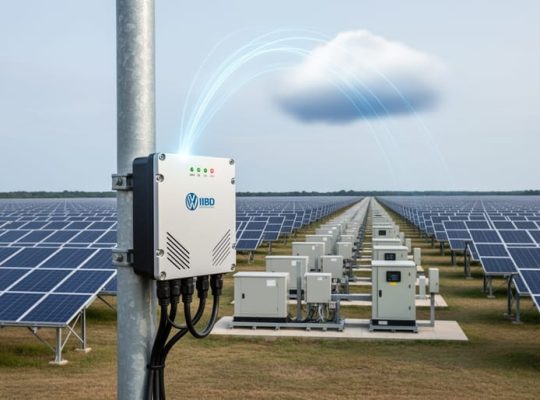
In today’s data-driven industrial landscape, real-time anomaly detection serves as a critical cornerstone for maintaining operational efficiency and preventing costly system failures. By leveraging advanced real-time analytics and machine learning algorithms, organizations can now identify and respond to anomalies in their solar PV systems within milliseconds rather than hours or days. This technological breakthrough has revolutionized how we approach system monitoring, enabling predictive maintenance strategies that dramatically reduce downtime and optimize performance across entire solar installations.
The implementation of real-time anomaly detection represents a paradigm shift from traditional reactive maintenance to proactive system management, offering unprecedented visibility into system behavior patterns and potential issues before they escalate into critical failures. As solar PV installations continue to grow in scale and complexity, the ability to detect and diagnose anomalies in real-time has become not just an operational advantage, but a fundamental requirement for maintaining competitive edge in the renewable energy sector.
Understanding Solar PV System Anomalies
Types of PV System Anomalies
PV system anomalies can be categorized into three main groups, each requiring distinct detection and mitigation approaches. Hardware failures represent critical system issues, including inverter malfunctions, connection failures, and module defects that can immediately impact energy production. These common performance issues often manifest as sudden drops in power output or complete system shutdowns.
Performance degradation encompasses gradual efficiency losses caused by factors such as panel soiling, potential-induced degradation (PID), and micro-cracks. These issues typically develop over time and may go unnoticed without proper monitoring systems in place. Regular assessment of performance ratios and string-level comparisons can help identify these anomalies early.
Environmental factors constitute the third category, including shading from nearby structures or vegetation, weather-related impacts, and seasonal variations in solar irradiance. These anomalies can be particularly challenging to diagnose as they may be intermittent or location-specific. Understanding the distinction between normal environmental fluctuations and genuine system anomalies is crucial for maintaining optimal system performance and implementing effective corrective measures.

Impact on System Performance
Anomalies in photovoltaic systems can significantly impact both immediate energy production and long-term system performance. When left undetected, minor issues can escalate into major problems, potentially reducing overall system efficiency by 15-30%. String-level faults, for instance, can decrease energy yield by up to 50% in affected arrays, while partial shading issues typically result in 20-25% production losses.
The presence of persistent anomalies accelerates component degradation, particularly in inverters and modules. Hot spots caused by cell mismatch or physical damage can lead to permanent module deterioration, reducing their operational lifespan by 5-10 years. Similarly, inverter stress from undetected DC-side faults can decrease their expected service life by up to 40%.
From an economic perspective, the cumulative effect of unmanaged anomalies extends beyond immediate production losses. Research indicates that proactive anomaly detection can improve system availability by up to 99%, while reducing maintenance costs by 25-35%. Moreover, early intervention in response to detected anomalies can prevent cascading failures, ultimately preserving system integrity and maintaining optimal performance throughout the installation’s intended lifecycle.
Real-Time Detection Technologies
Sensor Networks and Data Collection
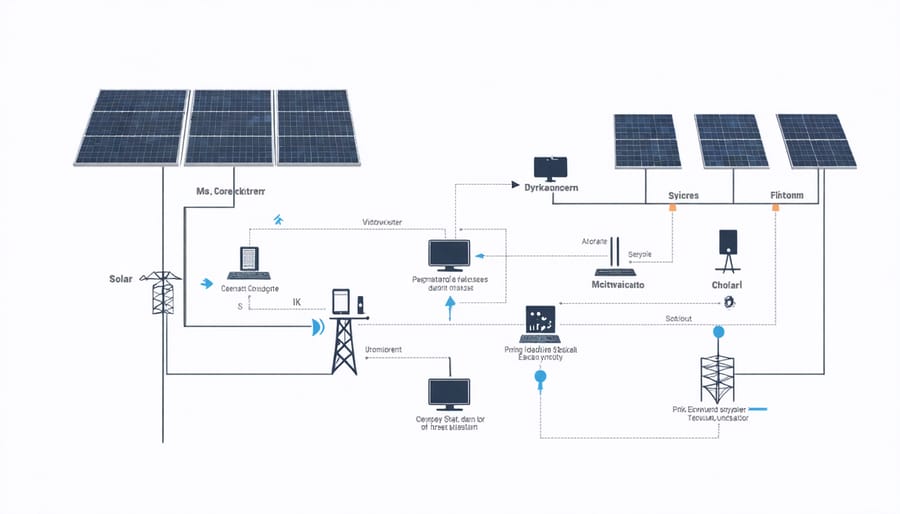
Effective real-time anomaly detection relies on a robust network of sensors and data collection systems strategically deployed throughout solar PV installations. Modern monitoring equipment includes string-level current sensors, voltage meters, irradiance sensors, and temperature probes that continuously measure critical operational parameters. These devices communicate through industrial protocols such as Modbus or wireless networks to centralized data acquisition systems.
Data gathering occurs at predetermined intervals, typically ranging from milliseconds to minutes, depending on the monitored parameters and system requirements. Advanced monitoring solutions incorporate smart meters and microinverters that provide granular performance data at the module level. The collected information is processed through data loggers and gateway devices before transmission to cloud-based servers or local databases.
Quality assurance measures, including sensor calibration and data validation protocols, ensure measurement accuracy and reliability. Redundant sensors and backup communication channels help maintain continuous monitoring capabilities. Modern systems also feature edge computing capabilities, enabling preliminary data processing at the source to reduce transmission loads and enable faster response times to detected anomalies.
Machine Learning Algorithms
Modern real-time anomaly detection relies heavily on sophisticated machine learning algorithms that can process vast amounts of sensor data. Common approaches include supervised learning methods like Support Vector Machines (SVM) and Random Forests, which excel at identifying known fault patterns based on historical data. These algorithms learn from labeled examples of normal operations and various anomaly types to create robust detection models.
Unsupervised learning techniques, particularly clustering algorithms and autoencoders, play a crucial role in detecting previously unknown anomalies. These methods establish baseline performance patterns and flag deviations without requiring pre-labeled training data. Deep learning models, especially Long Short-Term Memory (LSTM) networks, have proven particularly effective in capturing temporal dependencies in solar PV system performance.
AI-powered monitoring systems often combine multiple algorithms to achieve higher accuracy. For example, ensemble methods might integrate predictions from various models, while hybrid approaches combine statistical methods with machine learning for more reliable detection.
Recent advances in reinforcement learning have enabled adaptive detection systems that continuously improve their accuracy based on feedback from maintenance personnel and system performance data. These self-learning capabilities ensure the detection system remains effective as equipment ages and environmental conditions change.
Integration with SCADA Systems
Integration with existing SCADA (Supervisory Control and Data Acquisition) systems is crucial for implementing effective real-time anomaly detection in solar PV facilities. Modern SCADA platforms serve as the central nervous system of solar installations, collecting and processing data from various sensors, inverters, and monitoring devices across the facility.
The anomaly detection system interfaces with SCADA through standardized communication protocols such as Modbus, DNP3, or IEC 61850. This integration enables seamless data exchange and allows operators to monitor system performance, receive alerts, and respond to detected anomalies through their existing operational interface.
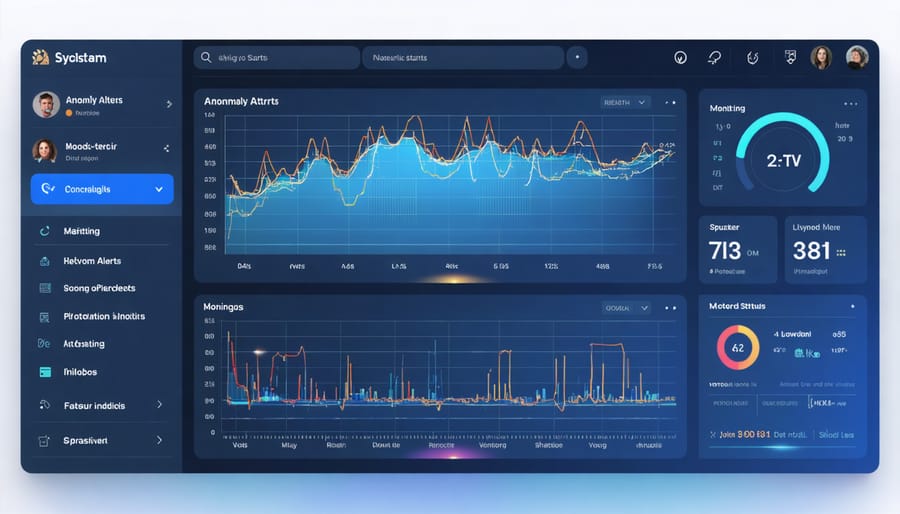
Real-time anomaly detection algorithms process the incoming SCADA data streams, comparing current operational parameters against established baseline models. When deviations are detected, the system automatically generates alerts that are transmitted through the SCADA network to relevant stakeholders.
The integration also facilitates historical data analysis, enabling operators to track performance trends, validate detection accuracy, and continuously refine detection parameters. This symbiotic relationship between SCADA and anomaly detection systems enhances overall plant reliability while minimizing false alarms and operational disruptions.
Implementation Strategies
System Requirements
Effective real-time anomaly detection in photovoltaic systems requires robust hardware and software infrastructure to ensure reliable monitoring and rapid response capabilities. The primary hardware components include high-precision sensors, data acquisition systems, and processing units capable of handling continuous data streams.
For sensor deployment, a minimum of industrial-grade monitoring equipment with sampling rates of at least 1 Hz is recommended. The system should incorporate current sensors, voltage meters, and environmental monitoring devices with accuracy ratings of ±0.5% or better. Processing hardware should feature multi-core processors with clock speeds of at least 2.5 GHz and a minimum of 16GB RAM to handle concurrent data analysis.
On the software side, the system demands a reliable operating system (Windows Server, Linux, or equivalent) with support for real-time processing. Database management systems must be capable of handling time-series data with write speeds exceeding 10,000 points per second. The analytics platform should support machine learning frameworks and possess sufficient computational resources for model training and deployment.
Network infrastructure requirements include dedicated high-speed internet connectivity with minimum upload speeds of 100 Mbps and redundant communication channels. Storage systems should accommodate at least 12 months of historical data, typically requiring 1-2 TB of space depending on the facility size.
For optimal performance, the system should maintain a latency of less than 100 milliseconds between data acquisition and anomaly detection, ensuring truly real-time monitoring capabilities.
Data Analysis and Response Protocols
Effective data analysis and response protocols are essential components of a successful real-time anomaly detection system in solar PV installations. When anomalies are detected, the system should follow a structured decision-making process to determine the appropriate response level and actions required.
The first step involves automated classification of detected anomalies based on severity levels: low (monitoring required), medium (investigation needed), and high (immediate action necessary). This classification considers factors such as performance impact, potential equipment damage, and safety risks.
Response protocols should establish clear lines of communication and responsibility. Automated notifications should be sent to designated personnel, with escalation procedures for unaddressed issues. For high-priority anomalies, the system may initiate automatic protective measures, such as equipment shutdown or load redistribution.
Data interpretation requires both automated analysis and human expertise. Historical performance data, weather conditions, and maintenance records should be readily accessible to support decision-making. Regular review of detection thresholds and response effectiveness ensures continuous improvement of the system.
Documentation of all anomalies and responses is crucial for system optimization and compliance requirements. This includes maintaining detailed logs of detected issues, actions taken, and resolution outcomes. Regular analysis of these records helps identify patterns and refine detection parameters for enhanced system reliability.
Training personnel in data interpretation and response procedures ensures consistent and effective handling of anomalies across all operational shifts.
Maintenance and Optimization
Maintaining and optimizing real-time anomaly detection systems requires a systematic approach and adherence to established maintenance best practices. Regular system calibration is essential to ensure accurate detection thresholds and minimize false positives. This includes periodic review and adjustment of baseline parameters to account for seasonal variations and system aging.
Data quality management plays a crucial role in system optimization. Implement automated data validation processes to filter out noise and ensure consistent input quality. Regular auditing of detection algorithms helps identify potential bias or drift in performance metrics, allowing for timely adjustments.
Performance monitoring should include both automated and manual reviews of system outputs. Track key performance indicators such as detection accuracy, response time, and false alarm rates. Document all system adjustments and their impacts to build a knowledge base for future optimizations.
Consider implementing a staged update process for algorithm modifications. Test changes in a controlled environment before deployment to prevent disruption of ongoing monitoring activities. Regular stakeholder feedback sessions can provide valuable insights for system improvements and help align detection parameters with operational requirements.
Maintain comprehensive documentation of system architecture, configuration settings, and update history. This documentation supports efficient troubleshooting and ensures knowledge retention across maintenance teams.
Future Developments
The landscape of real-time anomaly detection in PV systems continues to evolve rapidly, driven by technological advancements and increasing demand for more efficient monitoring solutions. Machine learning algorithms are becoming more sophisticated, incorporating deep learning techniques that can identify subtle patterns and predict potential failures with greater accuracy.
Edge computing is emerging as a game-changer in PV monitoring, enabling faster processing of data directly at the source. This advancement reduces latency and bandwidth requirements while improving response times to detected anomalies. The integration of 5G technology promises to further enhance real-time monitoring capabilities by enabling higher data transmission rates and supporting more connected devices.
Artificial Intelligence is expected to play an increasingly significant role, with AI-powered systems capable of self-learning and adapting to changing environmental conditions. These systems will not only detect anomalies but also recommend optimal maintenance schedules and suggest performance improvements.
The development of advanced sensor technologies, including smart dust sensors and wireless sensor networks, will enable more comprehensive monitoring of PV systems. These innovations will provide granular data collection at lower costs while maintaining high accuracy.
Blockchain technology is being explored for secure data storage and sharing, ensuring the integrity of monitoring data and facilitating better collaboration between stakeholders. Additionally, augmented reality applications are being developed to assist maintenance teams in visualizing and addressing anomalies more effectively.
The integration of these technologies with existing monitoring systems will create more robust and efficient PV monitoring solutions, ultimately leading to improved system performance and reduced maintenance costs.
Real-time anomaly detection represents a crucial advancement in solar PV system monitoring and maintenance, offering immediate insights into system performance deviations and potential issues. Through the implementation of sophisticated algorithms and machine learning techniques, facility managers and operators can now identify and respond to anomalies as they occur, significantly reducing downtime and preventing potential system failures.
The integration of real-time monitoring solutions has demonstrated substantial benefits, including increased system efficiency, reduced maintenance costs, and improved overall reliability of solar installations. By leveraging advanced sensors, data analytics, and automated alert systems, organizations can maintain optimal performance levels while minimizing resource expenditure.
As the renewable energy sector continues to evolve, real-time anomaly detection will play an increasingly vital role in ensuring the sustainability and efficiency of solar PV systems. The ability to detect and address issues promptly not only protects valuable infrastructure investments but also contributes to the broader goal of reliable clean energy generation. Moving forward, continued technological advancement and refinement of detection methodologies will further enhance our capability to maintain and optimize solar energy systems, securing their place in our sustainable energy future.