Revolutionary advancements in solar panel technology have ushered in a new era of photovoltaic efficiency, with cutting-edge innovations pushing the boundaries of what’s possible in renewable energy generation. The latest generation of high-performance solar panels, equipped with real-time PV monitoring systems, achieves unprecedented conversion rates exceeding 47% in laboratory conditions. These state-of-the-art panels integrate multi-junction cell architectures, quantum dot technology, and advanced perovskite materials, representing a significant leap forward from traditional silicon-based modules.
Leading research institutions and manufacturers have developed sophisticated surface texturing techniques and anti-reflective coatings that maximize light absorption across the solar spectrum, while innovative thermal management systems maintain optimal operating temperatures even in extreme conditions. These technological breakthroughs not only enhance energy production efficiency but also extend panel longevity, offering a compelling solution for both utility-scale installations and residential applications seeking maximum power output per square meter.
The integration of artificial intelligence and machine learning algorithms further optimizes performance through predictive maintenance and automated adjustment capabilities, establishing new benchmarks in renewable energy technology.
Next-Generation Solar Panel Technology
Integrated Smart Sensors
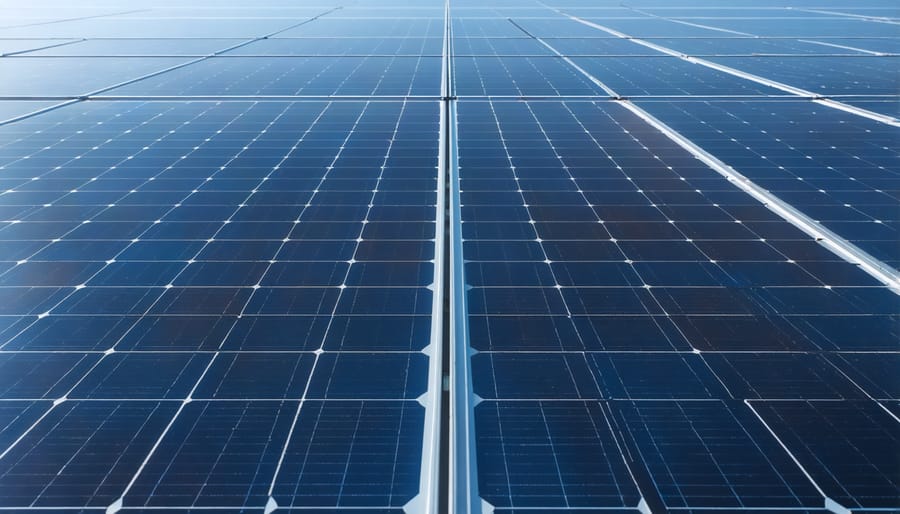
Modern solar panels have revolutionized renewable energy monitoring through integrated smart monitoring solutions that continuously track performance metrics in real-time. These advanced sensor systems incorporate multiple monitoring technologies, including irradiance sensors, temperature probes, and power output analyzers, all working in concert to optimize panel efficiency.
The sensors utilize sophisticated algorithms to detect variations in performance, identifying potential issues before they impact energy generation. Temperature monitoring ensures optimal operating conditions, while voltage and current sensors provide precise power output measurements. Built-in communication modules transmit this data to central monitoring stations, enabling remote diagnostics and predictive maintenance.
What sets these smart sensors apart is their ability to adapt to environmental conditions. They can automatically adjust panel settings based on weather patterns, shading effects, and load requirements. This intelligent response system maximizes energy harvest while minimizing degradation risks. The collected data also proves invaluable for research institutions studying long-term panel performance and developing next-generation solar technologies.
Advanced Material Engineering
Recent breakthroughs in material engineering have revolutionized solar panel efficiency and monitoring capabilities. Perovskite-silicon tandem cells represent a significant advancement, achieving conversion efficiencies exceeding 29% by combining traditional silicon with perovskite materials. These hybrid structures capture a broader spectrum of solar energy while maintaining durability.
Nano-engineered surfaces incorporating moth-eye texturing significantly reduce light reflection, enabling panels to absorb more sunlight throughout the day. This biomimetic approach, combined with advanced anti-soiling coatings, ensures optimal performance even in challenging environmental conditions.
Smart materials integration has enabled real-time monitoring at the molecular level. Quantum dot sensors embedded within the panel structure provide precise data on temperature variations, structural integrity, and performance metrics. Self-healing polymers incorporated into the encapsulation layer extend panel lifespan by automatically repairing micro-cracks and preventing moisture ingress.
Carbon-based materials, including graphene and carbon nanotubes, enhance electrical conductivity and thermal management, leading to improved efficiency during high-temperature operations. These innovations, coupled with advanced manufacturing techniques, have resulted in panels that are not only more efficient but also more reliable and easier to monitor.
Artificial Intelligence in PV Monitoring
Predictive Maintenance Systems
Modern solar panel systems leverage advanced artificial intelligence to revolutionize maintenance protocols and maximize system longevity. AI-powered predictive maintenance utilizes sophisticated algorithms to analyze real-time performance data, weather patterns, and historical maintenance records, enabling proactive intervention before issues escalate.
These intelligent systems continuously monitor key performance indicators such as voltage fluctuations, temperature variations, and power output efficiency. By processing this data through machine learning models, the system can identify subtle anomalies that might indicate potential component failures or performance degradation. This predictive capability allows maintenance teams to address issues during scheduled maintenance windows, reducing unexpected downtime and operational costs.
The AI algorithms also factor in environmental conditions, such as dust accumulation patterns and local weather forecasts, to optimize cleaning schedules and adjust performance expectations. This dynamic approach ensures optimal system efficiency while preventing unnecessary maintenance interventions.
Advanced sensors integrated throughout the solar array provide granular data about individual panel performance, connection integrity, and microinverter health. When combined with predictive analytics, this information creates a comprehensive health monitoring system that can extend the operational lifespan of solar installations by up to 25% while maintaining peak performance levels.
The system also generates detailed maintenance reports and recommendations, enabling facility managers to make data-driven decisions about resource allocation and maintenance scheduling.

Performance Optimization Algorithms
Performance optimization algorithms represent a groundbreaking advancement in solar panel technology, leveraging artificial intelligence and machine learning to maximize energy yield. These sophisticated systems continuously analyze environmental data, panel performance metrics, and weather patterns to make real-time adjustments that enhance overall efficiency.
Modern optimization algorithms employ predictive analytics to anticipate solar irradiance levels and adjust panel positioning accordingly. This dynamic response system enables panels to maintain optimal angles throughout the day, significantly improving energy capture compared to static installations. Machine learning models process historical performance data to identify patterns and anomalies, allowing for preemptive maintenance and performance adjustments.
Deep learning networks monitor individual cell performance within panels, detecting micro-inefficiencies and compensating through intelligent load distribution. These algorithms can redirect power flow to minimize losses from partially shaded or underperforming cells, ensuring maximum power output under varying conditions.
Advanced monitoring systems integrate weather forecasting data with performance metrics to optimize energy storage and distribution strategies. The algorithms calculate precise timing for energy storage and grid feed-in, maximizing both efficiency and economic return. Performance data is continuously fed back into the system, creating a self-improving cycle that enhances accuracy and effectiveness over time.
These AI-driven solutions have demonstrated efficiency improvements of up to 20% in field tests, marking a significant advancement in solar technology optimization.
Remote Monitoring Capabilities
Cloud-Based Analytics
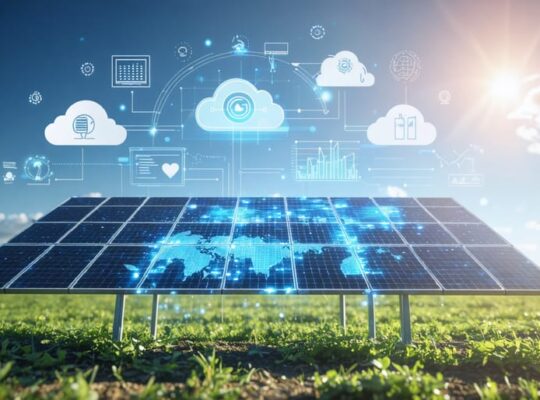
The integration of cloud-based analytics represents a significant leap forward in solar panel monitoring and optimization. These sophisticated systems collect and analyze real-time performance data from multiple sensors embedded within the solar installation, providing unprecedented insights into energy generation patterns and system efficiency.
Advanced machine learning algorithms process this data to identify performance anomalies, predict maintenance needs, and optimize energy production based on historical weather patterns and consumption trends. The analytics platform continuously monitors key parameters such as voltage, current, temperature, and irradiance levels, creating detailed performance reports and actionable recommendations.
System operators can access comprehensive dashboards through secure web portals or mobile applications, enabling remote monitoring and control of their solar installations. The platform’s predictive maintenance capabilities can detect potential issues before they impact system performance, significantly reducing downtime and maintenance costs.
These cloud-based solutions also facilitate better grid integration by providing utilities with accurate forecasting of solar power generation. The data collected helps in load balancing and enables smart grid functionality, contributing to more efficient energy distribution networks. Additionally, the analytics platform generates detailed environmental impact reports, tracking carbon offset metrics and supporting sustainability reporting requirements.

Mobile Integration
Modern advanced solar panels now integrate seamlessly with mobile devices through sophisticated monitoring applications, offering unprecedented control and insight into system performance. These mobile solutions enable real-time monitoring of energy production, consumption patterns, and system health through intuitive user interfaces accessible from smartphones and tablets.
Key innovations include AI-powered predictive maintenance alerts, augmented reality system visualization, and automated performance optimization algorithms. Users can receive instant notifications about system irregularities, weather-related impacts, and maintenance requirements, ensuring optimal system efficiency and rapid response to potential issues.
The latest mobile interfaces feature customizable dashboards that display critical metrics such as power output, environmental impact calculations, and financial savings. Advanced data analytics capabilities allow users to track historical performance trends, generate detailed reports, and make informed decisions about energy usage patterns.
Security protocols have also evolved, incorporating blockchain technology and multi-factor authentication to protect system data and control access. Remote configuration capabilities enable system adjustments and updates without physical intervention, while cloud integration ensures data accessibility and backup across multiple devices.
These mobile solutions particularly benefit large-scale installations and commercial applications, where real-time monitoring and quick response capabilities are crucial for maintaining optimal system performance.
Future-Proofing Solar Investments
Investing in advanced solar panel systems with integrated monitoring capabilities is essential for long-term sustainability and financial returns. Modern monitoring systems enable operators to maximize your solar investment returns through predictive maintenance and real-time performance optimization.
Advanced monitoring solutions provide comprehensive data analytics that help identify potential issues before they become costly problems. By tracking key performance indicators such as power output, voltage fluctuations, and environmental conditions, system owners can make informed decisions about maintenance schedules and upgrades. This proactive approach significantly reduces downtime and extends the operational lifespan of solar installations.
The integration of artificial intelligence and machine learning algorithms further enhances the value proposition of modern monitoring systems. These technologies can predict performance trends, optimize energy generation based on weather patterns, and automatically adjust system parameters for peak efficiency. The resulting improvements in system reliability and energy yield directly contribute to faster ROI achievement.
Furthermore, advanced monitoring platforms facilitate compliance with evolving industry regulations and warranty requirements. By maintaining detailed performance records and maintenance histories, system owners can ensure their installations meet certification standards and preserve manufacturer warranties. This documentation also proves invaluable when seeking financing options or planning system expansions.
The scalability of current monitoring solutions ensures that investments made today will remain relevant as solar technology continues to advance. Cloud-based platforms can be updated remotely to incorporate new features and analytics capabilities, protecting the initial investment while enabling continuous improvement in system performance and efficiency.
Advanced monitoring technologies have revolutionized the efficiency and performance of modern solar panel systems. Through the integration of sophisticated sensors, data analytics, and real-time monitoring capabilities, solar installations now operate at unprecedented levels of optimization. These monitoring systems enable precise tracking of energy production, immediate detection of performance issues, and predictive maintenance scheduling, resulting in significantly improved system longevity and return on investment.
The impact of these technologies extends beyond individual installations to influence the entire renewable energy landscape. By providing detailed performance data and actionful insights, monitoring systems have contributed to the continuous improvement of solar panel design and installation practices. This has led to increased energy yields, reduced maintenance costs, and enhanced grid integration capabilities.
Furthermore, the adoption of advanced monitoring solutions has strengthened the reliability of solar energy as a mainstream power source. As these technologies continue to evolve, incorporating artificial intelligence and machine learning capabilities, the potential for even greater efficiency gains and operational improvements remains substantial. This technological progression ensures that solar energy will maintain its position as a leading sustainable energy solution for future generations.