
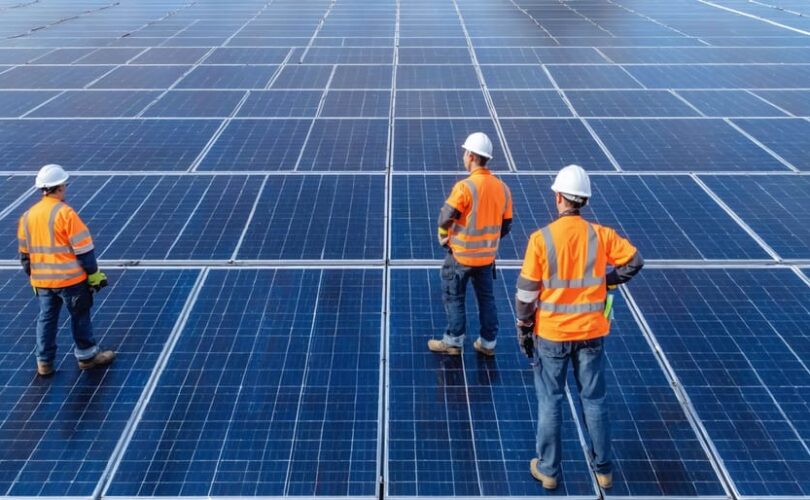
Emergency response protocols in solar PV installations demand meticulous attention to safety procedures and rapid decision-making capabilities. Following strict OSHA safety guidelines, facility managers must establish comprehensive emergency response frameworks that protect both personnel and equipment during critical situations. These protocols serve as the cornerstone of workplace safety, combining preventive measures with reactive procedures to address potential hazards ranging from electrical malfunctions to environmental emergencies.
The integration of standardized emergency protocols within solar installations has become increasingly crucial as the industry expands and facilities grow more complex. Modern emergency response systems incorporate advanced monitoring technologies, automated shutdown procedures, and coordinated communication channels to ensure swift, effective reactions to potential threats. This systematic approach not only safeguards valuable assets but also ensures compliance with regulatory requirements while maintaining operational continuity during adverse events.
Understanding and implementing these protocols requires a balanced combination of technical expertise, practical experience, and continuous training to maintain readiness for various emergency scenarios. The effectiveness of these measures directly correlates with the level of preparation and the ability to execute precise responses under pressure.
Understanding Solar PV Hazards
Electrical Hazards
Electrical hazards in photovoltaic systems pose significant risks that require careful attention during emergency responses. DC current, which remains active even when the main grid connection is disconnected, presents unique challenges for first responders. Unlike AC systems, DC arrays continue generating electricity whenever exposed to light, necessitating specialized safety protocols and solar system security measures.
Arc flash dangers are particularly severe in solar installations, capable of producing temperatures exceeding 35,000°F and creating explosive forces. These incidents can occur during emergency operations, especially when disconnecting components under load. Proper arc-rated personal protective equipment (PPE) and maintaining safe working distances are essential precautions.
Electrical shock potential exists throughout the system, from individual modules to combiner boxes and inverters. The risk is amplified because PV systems can generate lethal voltage levels even in low-light conditions. Emergency responders must treat all components as energized unless verified otherwise through proper testing procedures. Implementation of rapid shutdown systems and clear labeling of disconnect points helps mitigate these risks during emergency situations.
Environmental and Structural Risks
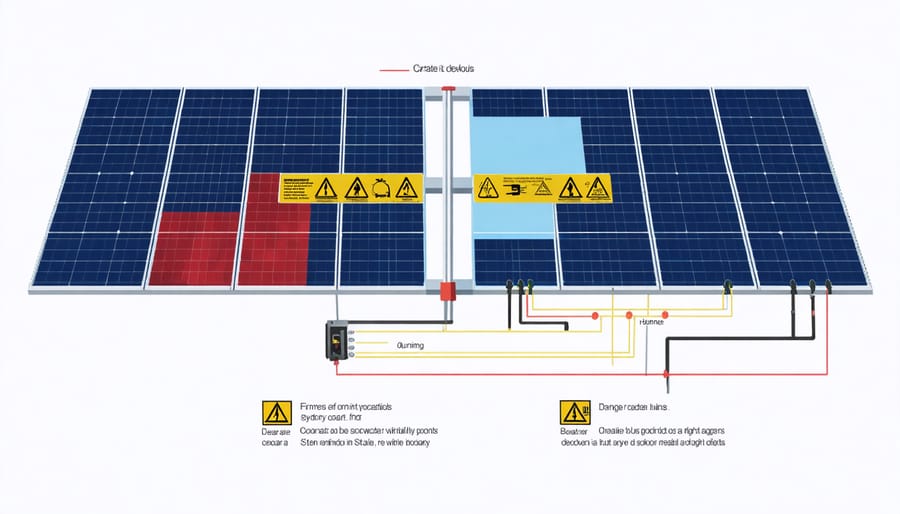
Environmental and structural risks pose significant challenges in photovoltaic installations, requiring specific emergency response protocols. Weather-related emergencies, such as severe storms, lightning strikes, and high winds, can compromise system integrity and create hazardous conditions. Facility managers must implement comprehensive monitoring systems and establish clear evacuation procedures when severe weather threatens personnel safety.
Structural failures present another critical concern, particularly in rooftop installations where weight distribution and building integrity are paramount. Regular structural assessments help identify potential weaknesses before they escalate into emergencies. Load-bearing capacity must be continuously monitored, especially after severe weather events or when modifications are made to the existing system.
Fire hazards require special consideration due to the electrical nature of PV systems. High-voltage components can ignite during malfunctions, and the presence of combustible materials near installations increases risk. Emergency protocols must include proper firefighting procedures specific to electrical fires, clearly marked shutdown procedures, and designated access routes for emergency responders. Additionally, proper ventilation systems and fire barriers should be maintained to prevent fire spread and protect critical infrastructure.
Emergency Response Plan Components
Rapid Shutdown Procedures
In emergency situations, executing a rapid shutdown of photovoltaic systems requires swift, precise actions to ensure safety and minimize potential hazards. Begin by immediately accessing the rapid shutdown initiator, typically located near the main service disconnect or at the system’s point of interconnection. Activate the shutdown mechanism by pulling the lever or pressing the designated button, which will initiate the voltage reduction sequence across all solar modules.
Verify that the monitoring system indicates successful shutdown implementation. All solar modules should reduce their voltage output to 30 volts or less within 30 seconds of activation, in accordance with NEC 2017 requirements. Monitor the system status indicators to confirm power disruption throughout the array.
During the shutdown process, maintain clear communication with emergency responders and facility personnel. Document the time of shutdown initiation and system response. Once the shutdown is confirmed, secure the area and prevent unauthorized access to the array and electrical equipment.
Following the emergency resolution, conduct a thorough system inspection before reactivation. This includes examining all electrical connections, mounting equipment, and control systems for potential damage. Only qualified personnel should perform system restoration procedures, ensuring compliance with manufacturer specifications and safety protocols.
Remember that rapid shutdown requirements may vary by jurisdiction and system configuration. Regular testing and maintenance of rapid shutdown mechanisms are essential for reliable emergency response functionality.

Communication Protocols
Effective communication during emergencies is critical for ensuring swift and coordinated responses in photovoltaic installations. The primary communication chain begins with the facility operator or first discoverer of the incident, who must immediately contact the designated emergency coordinator. This coordinator then activates the emergency response plan and notifies relevant first responders.
All facilities must maintain an updated emergency contact list that includes contact information for local fire departments, emergency medical services, police, and utility companies. This list should be prominently displayed in the control room and other strategic locations throughout the facility. Additionally, facility operators must establish clear protocols for internal communication using multiple channels, including two-way radios, mobile phones, and emergency notification systems.
When communicating with first responders, provide clear, concise information about the nature of the emergency, potential hazards (especially electrical), and the location of emergency shutdown systems. Designated facility personnel should meet first responders at predetermined staging areas to provide site maps, access cards, and critical facility information.
Regular coordination meetings with local emergency services help familiarize them with the facility layout and specific hazards associated with photovoltaic systems. These meetings should include facility tours, reviews of emergency response procedures, and updates on any significant system modifications that could affect emergency response strategies.
Documentation of all emergency communications must be maintained for post-incident analysis and protocol refinement.
Safety Equipment Requirements
Emergency response protocols require comprehensive protective equipment requirements to ensure worker safety during hazardous situations. Essential safety equipment includes Class E electrical-rated hard hats, arc-rated face shields, insulated gloves rated for appropriate voltage levels, and safety glasses with side shields. Workers must also be equipped with fire-resistant clothing and safety-toe footwear with electrical hazard protection.
Emergency response kits should contain first aid supplies, automated external defibrillators (AEDs), and appropriate fire extinguishers rated for electrical fires. Communication devices, including two-way radios and emergency phones, must be readily available and maintained in working condition. Personal voltage detectors and properly rated insulated tools are crucial for addressing electrical emergencies safely.
Fall protection equipment, including full-body harnesses and appropriate anchoring systems, is mandatory for work at heights. Emergency evacuation equipment such as rescue ladders and descent devices should be strategically placed throughout the facility. Proper signage, including emergency exit routes and equipment locations, must be clearly visible and maintained.
All safety equipment must undergo regular inspection and maintenance according to manufacturer specifications and industry standards. Documentation of equipment checks, certifications, and replacement schedules should be maintained and readily accessible. Training records for proper equipment use must be kept current for all personnel authorized to respond to emergencies.
First Responder Guidelines
Identification and Assessment
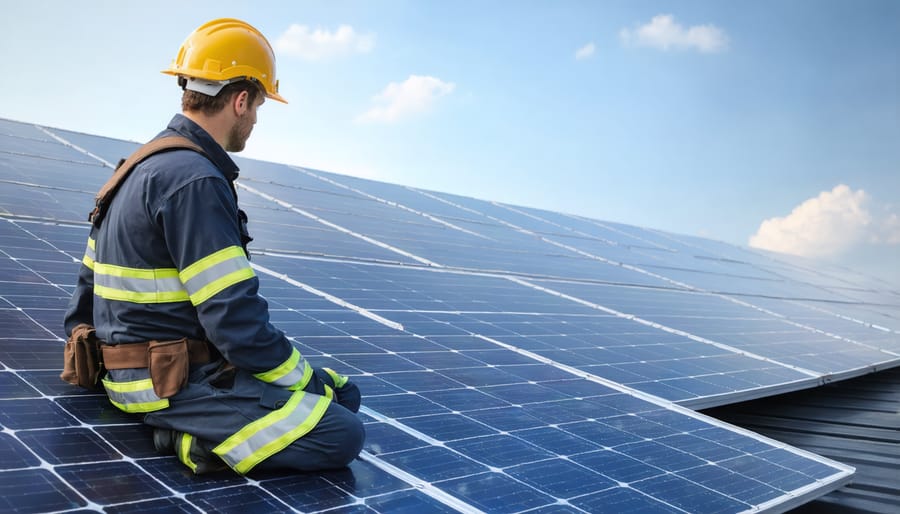
The initial step in any emergency response involving solar PV systems is proper identification and assessment of the situation. Solar installations can be identified by visible panels on rooftops or ground-mounted arrays, presence of inverters, disconnect switches, and warning labels or placards. These systems may also be indicated on building plans or electrical diagrams.
When approaching an emergency situation, responders must first conduct a rapid visual assessment to identify potential hazards. This includes checking for damaged panels, exposed wiring, signs of electrical arcing, or structural compromises. Weather conditions and time of day significantly impact system operation, as panels continue generating electricity during daylight hours even when disconnected from the grid.
The assessment process follows a systematic approach:
1. Establish a safe perimeter around the affected area
2. Identify system components and their locations
3. Locate main disconnects and shutdown mechanisms
4. Evaluate environmental conditions affecting system operation
5. Document visible damage or abnormalities
Professional responders should utilize thermal imaging cameras when available to detect hot spots or unusual temperature patterns that might indicate system malfunctions. Communication with facility managers or system owners is crucial for obtaining system specifications and accessing documentation that details system layout and emergency shutdown procedures.
Remember that solar PV systems vary in configuration and complexity, necessitating a thorough understanding of system architecture before implementing response measures.
Safe Intervention Procedures
Safe intervention during emergency situations requires a systematic approach that prioritizes both responder and victim safety. Begin by conducting a rapid scene assessment to identify potential hazards, including electrical dangers, structural instability, or environmental risks. Maintain a safe distance from the emergency area until proper safety equipment is in place and hazards are properly identified.
Personal protective equipment (PPE) must be worn before any intervention, including appropriate electrical insulation gloves, safety goggles, and fire-resistant clothing when necessary. Establish a clear communication channel with emergency services and ensure all team members understand their roles before initiating the intervention.
When approaching the emergency scene, follow the “two-person rule” – never work alone during emergency responses. One person should serve as the primary responder while the other maintains communication with emergency services and monitors for developing hazards. Maintain clear escape routes and establish emergency assembly points before beginning any intervention procedures.
For electrical emergencies, utilize appropriate isolation methods and verify power disconnection before approaching affected areas. Document all actions taken during the intervention process, including time stamps and specific safety measures implemented. After the immediate danger has passed, conduct a thorough assessment of the area before declaring it safe for normal operations to resume.
Regular training and simulation exercises should be conducted to ensure all personnel remain proficient in these intervention procedures. This preparation enables quick, efficient responses while maintaining the highest safety standards.
Post-Emergency Procedures
After addressing an emergency situation, conducting a thorough post-incident assessment is crucial for system restoration and future prevention. Begin by documenting all aspects of the incident, including the initial trigger, response actions taken, and their outcomes. This documentation serves as a valuable resource for improving system security protocols and training procedures.
Perform a comprehensive inspection of all affected components, including solar panels, inverters, wiring, and mounting structures. Document any damage using photographs and detailed written descriptions. Create an inventory of components requiring repair or replacement, and assess whether the damage might affect warranty coverage or insurance claims.
Before system restart, verify that all safety systems are fully operational and properly calibrated. This includes testing emergency shutdown mechanisms, ground fault protection devices, and monitoring equipment. Ensure all repairs meet current safety standards and local regulations.
Conduct a detailed review of the emergency response effectiveness, identifying areas for improvement in procedures, communication, and response times. Update emergency response documentation and protocols based on lessons learned from the incident.
Implement preventive measures to reduce the likelihood of similar incidents occurring in the future. This may include enhanced monitoring systems, additional safety equipment, or revised maintenance schedules. Schedule follow-up training sessions for personnel to review updated procedures and reinforce emergency response protocols.
Finally, prepare a comprehensive post-incident report that includes:
– Detailed incident timeline
– Actions taken during the emergency
– Equipment damage assessment
– Repair and replacement costs
– Recommended procedural improvements
– Updated emergency response protocols
– Training requirements for staff
This report should be shared with relevant stakeholders and incorporated into future safety planning and training programs.
Emergency response protocols in photovoltaic installations represent a critical framework that safeguards both personnel and equipment while ensuring operational continuity. Throughout this discussion, we’ve explored the essential components of effective emergency management, from risk assessment and prevention to immediate response procedures and post-incident recovery.
The implementation of comprehensive emergency response protocols is not merely a regulatory requirement but a fundamental aspect of responsible solar facility management. These protocols protect lives, preserve assets, and maintain the integrity of renewable energy infrastructure that communities increasingly depend upon.
Key takeaways include the importance of regular training and drills, clear communication channels, and detailed documentation of emergency procedures. The integration of modern monitoring systems, proper labeling, and up-to-date safety equipment has proven instrumental in minimizing risks and optimizing response times during critical situations.
Looking ahead, the evolution of emergency response protocols must keep pace with advancing solar technology and emerging industry challenges. Organizations must remain committed to continuous improvement, incorporating lessons learned from incidents and staying current with best practices and safety standards.
Remember that successful emergency management relies on preparation, coordination, and swift action. By maintaining robust emergency response protocols and ensuring all stakeholders understand their roles, solar facilities can better protect their personnel, equipment, and the environment while contributing to a sustainable energy future.


