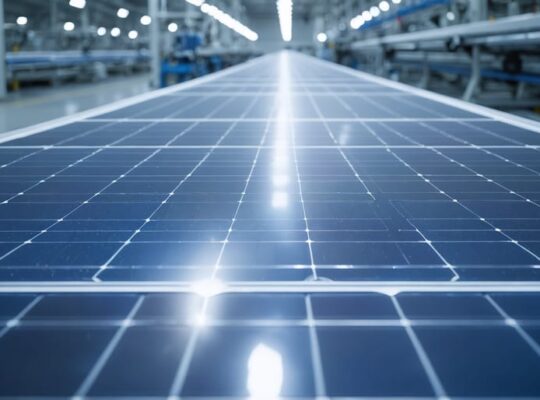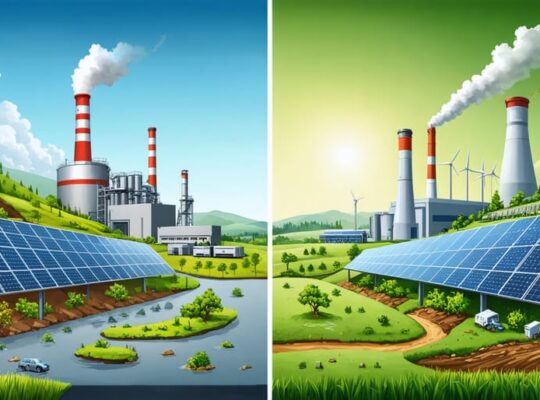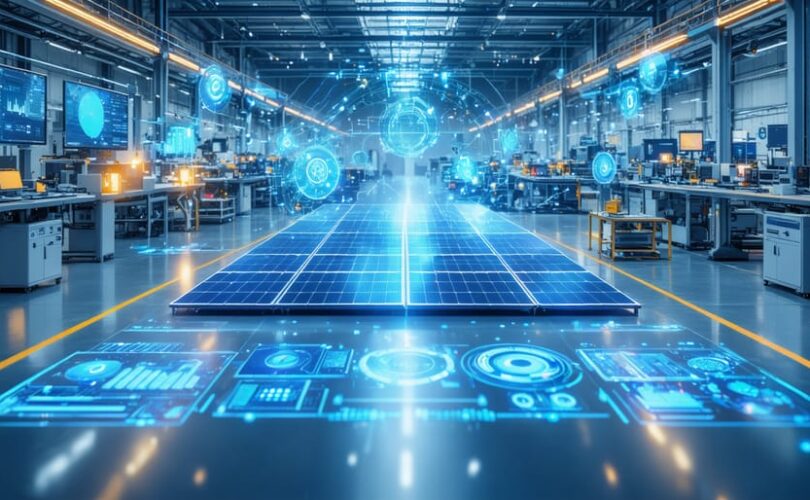
In the race toward Industry 4.0, digital twins in manufacturing have emerged as a transformative force, particularly in photovoltaic (PV) production. These virtual replicas create precise, real-time representations of physical manufacturing systems, enabling unprecedented levels of optimization and predictive maintenance. By integrating IoT sensors, artificial intelligence, and advanced simulation capabilities, 3D digital twins provide manufacturers with a powerful tool to analyze, optimize, and enhance their production processes without risking physical assets. As organizations worldwide embrace this technology, early adopters in the PV sector report up to 25% improvement in operational efficiency and a 20% reduction in maintenance costs. The convergence of digital twin technology with renewable energy manufacturing represents a crucial step toward sustainable, intelligent production systems that can adapt and evolve in real-time to meet changing market demands.
Understanding 3D Digital Twins in Solar Manufacturing
Core Components of PV Digital Twins
A PV digital twin system comprises several interconnected components that work together to create an accurate virtual representation of physical solar manufacturing processes. The foundation begins with high-precision 3D modeling, which captures the exact geometry and specifications of photovoltaic components and production equipment. This is enhanced by real-time data acquisition systems that continuously collect information from sensors monitoring temperature, pressure, material flow, and quality parameters throughout the manufacturing line.
The system incorporates advanced simulation engines that process this data to predict performance and identify potential issues before they occur. These simulations are powered by machine learning algorithms that analyze historical production data to improve accuracy over time. A comprehensive visualization interface enables operators to interact with the digital twin, displaying both real-time operations and predictive analytics in an intuitive format.
Integration layers connect various subsystems, including manufacturing execution systems (MES), enterprise resource planning (ERP), and quality management systems. The final essential component is a robust data storage and management infrastructure that securely maintains historical information while enabling quick access for analysis and decision-making processes.

Real-time Data Integration Systems
Real-time data integration systems form the backbone of digital twin technology in modern PV manufacturing facilities. These systems continuously collect, process, and analyze data from various sensors, equipment, and control systems throughout the automated PV production line. Advanced IoT sensors monitor critical parameters such as temperature, pressure, material flow, and equipment performance, transmitting this information to centralized data processing platforms.
The integration architecture typically employs edge computing devices that filter and pre-process data before sending it to cloud-based servers. This approach reduces latency and ensures efficient data handling. Machine learning algorithms analyze this continuous stream of information, identifying patterns, predicting maintenance needs, and optimizing production parameters in real-time.
Digital twins utilize standardized communication protocols like OPC UA and MQTT to ensure seamless data exchange between different manufacturing systems. This interconnected network enables manufacturers to maintain a precise virtual representation of their production environment, facilitating immediate response to process variations and equipment issues while maintaining optimal production efficiency.
Optimizing Production Through Virtual Simulation
Predictive Maintenance Capabilities
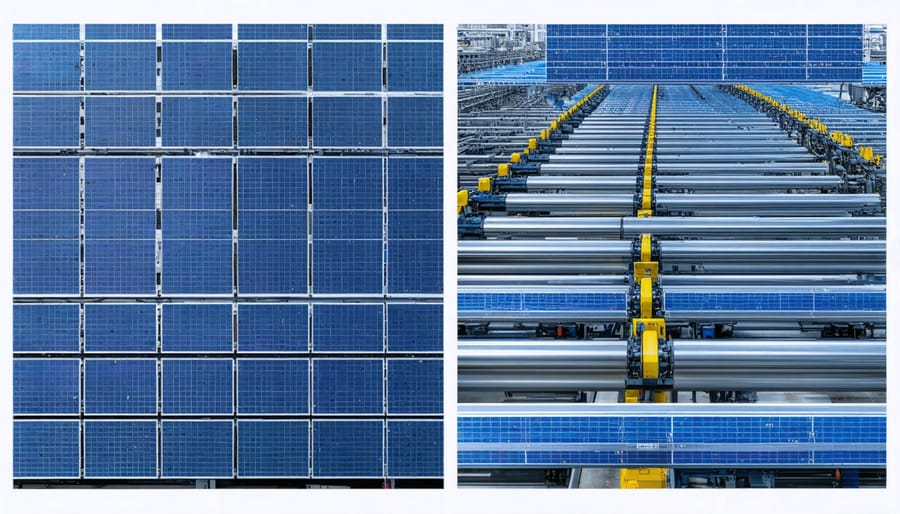
Digital twins in photovoltaic manufacturing leverage advanced sensor networks and real-time data analytics to predict potential equipment failures and maintenance needs before they occur. This predictive capability significantly reduces downtime and optimizes maintenance schedules, ensuring continuous production efficiency.
By continuously monitoring equipment parameters such as temperature, vibration, pressure, and performance metrics, digital twins create baseline operational profiles. Any deviation from these established patterns triggers alerts, enabling maintenance teams to address issues proactively. This data-driven approach helps identify wear patterns, component degradation, and potential failure points with remarkable accuracy.
The system analyzes historical maintenance data alongside real-time performance metrics to generate precise maintenance forecasts. Manufacturing facilities can schedule interventions during planned downtimes, minimizing production disruptions. This predictive capability extends to supply chain management, ensuring replacement parts are available when needed.
Advanced machine learning algorithms enhance the digital twin’s predictive accuracy over time. The system learns from each maintenance event, refining its ability to identify subtle indicators of developing issues. This continuous improvement cycle results in increasingly accurate predictions and more efficient maintenance planning.
The economic impact of predictive maintenance through digital twins is substantial, with studies showing potential maintenance cost reductions of up to 30% and increased equipment lifetime by 20-25%. These benefits make predictive maintenance capabilities a crucial advantage of implementing digital twin technology in PV manufacturing operations.
Quality Control Enhancement
Digital twin technology revolutionizes quality control in photovoltaic manufacturing by enabling comprehensive virtual testing and validation before physical production begins. This advanced simulation capability allows manufacturers to identify potential defects, optimize processes, and ensure consistent product quality through detailed virtual inspections.
Through sophisticated 3D modeling, manufacturers can simulate various environmental conditions, stress tests, and performance scenarios, significantly reducing the need for physical prototypes. The integration of AI-powered quality control systems further enhances the accuracy of these virtual inspections, enabling real-time monitoring and predictive maintenance.
The digital twin platform continuously analyzes data from multiple sources, including production equipment sensors, environmental monitors, and quality inspection systems. This comprehensive approach allows manufacturers to:
– Detect potential quality issues before they manifest in physical products
– Validate design modifications without disrupting production
– Optimize manufacturing parameters for maximum efficiency
– Ensure compliance with industry standards and specifications
– Reduce material waste and production costs
By implementing virtual testing and validation through digital twin technology, manufacturers can achieve higher first-pass yields, minimize defects, and maintain consistent product quality throughout the production lifecycle. This proactive approach to quality management significantly improves overall manufacturing efficiency while reducing the cost of quality control operations.
Implementation Strategies and Best Practices
Integration Challenges and Solutions
Implementing 3D digital twins in PV manufacturing environments presents several significant challenges that require strategic solutions. Data integration across multiple systems poses a primary hurdle, particularly when legacy equipment lacks modern connectivity features. Organizations can address this through phased implementation approaches and the use of standardized communication protocols.
Another common challenge is maintaining real-time synchronization between physical assets and their digital counterparts. This can be resolved by implementing robust IoT sensor networks and automated data validation systems. The substantial computational requirements for processing complex 3D models and real-time data streams often necessitate scalable cloud infrastructure solutions.
In the context of sustainable PV manufacturing, organizations must also address skill gaps among existing personnel. Comprehensive training programs and partnerships with technology providers can help bridge this knowledge divide. Additionally, ensuring data security while maintaining accessibility requires implementing multi-layered cybersecurity protocols and access control systems.
Success in digital twin implementation often depends on establishing clear governance structures, defining standardized processes, and maintaining consistent data quality standards across all integrated systems. Regular system audits and continuous improvement protocols help ensure long-term effectiveness and ROI.
ROI and Performance Metrics
The implementation of 3D digital twin technology in photovoltaic manufacturing demonstrates significant returns on investment through multiple performance metrics. Organizations typically observe a 15-25% reduction in operational costs within the first year of deployment, primarily through improved maintenance scheduling and reduced equipment downtime. Key performance indicators (KPIs) for measuring digital twin effectiveness include maintenance cost reduction, equipment uptime improvement, and prediction accuracy rates.
Quantifiable benefits include a 20-30% decrease in unplanned downtime, 10-15% improvement in overall equipment effectiveness (OEE), and up to 40% reduction in maintenance-related costs. Energy efficiency optimization through digital twin simulation typically yields 8-12% savings in power consumption across manufacturing operations.
Quality control metrics show substantial improvements, with defect detection rates increasing by up to 35% and production yield improving by 5-8% on average. The technology’s predictive maintenance capabilities demonstrate an 80-90% accuracy rate in identifying potential equipment failures, allowing for proactive interventions that save both time and resources.
Investment recovery periods generally range from 12 to 24 months, depending on implementation scope and existing infrastructure. Organizations should establish baseline measurements before implementation to accurately track performance improvements and ROI calculations.

The integration of 3D digital twin technology in photovoltaic manufacturing represents a significant leap forward in optimizing production processes and enhancing operational efficiency. By creating precise virtual replicas of physical manufacturing systems, companies can now predict potential issues, optimize production parameters, and reduce waste while maintaining high-quality standards. The technology has demonstrated substantial cost savings through reduced downtime, improved maintenance scheduling, and enhanced quality control.
Looking ahead, the future of 3D digital twins in PV manufacturing appears promising. As artificial intelligence and machine learning capabilities continue to advance, these virtual models will become increasingly sophisticated and accurate in their predictions. The integration of real-time data analytics and IoT sensors will further enhance the technology’s capability to provide actionable insights and optimize manufacturing processes.
The adoption of 3D digital twin technology is expected to accelerate as more manufacturers recognize its potential to drive innovation and sustainability in solar panel production. This transformation will likely lead to more efficient, cost-effective, and environmentally friendly manufacturing processes, ultimately contributing to the broader adoption of solar energy solutions worldwide.