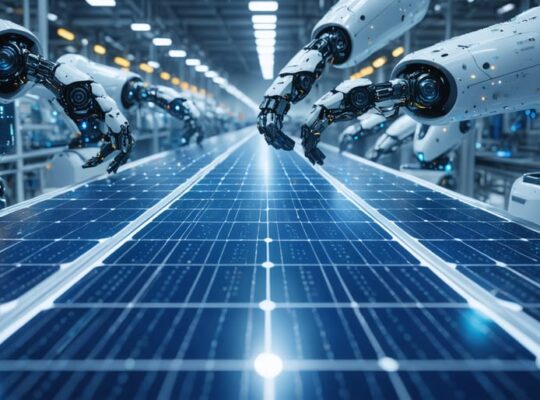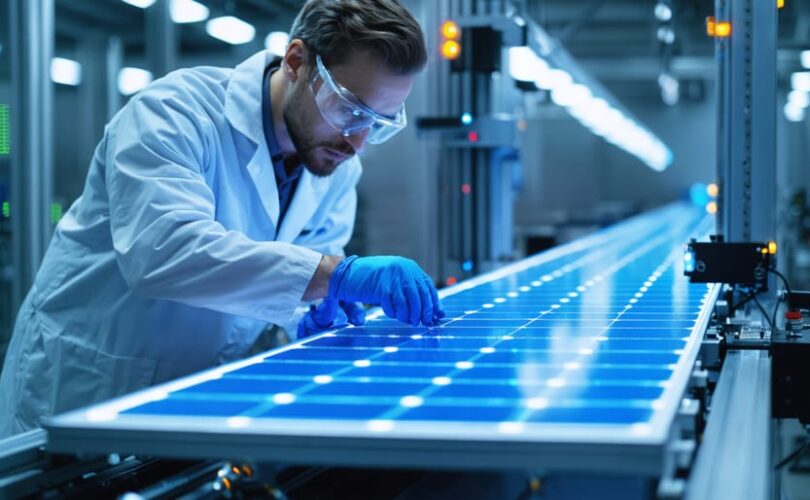
The solar photovoltaic manufacturing landscape is undergoing a fundamental transformation as Internet of Things (IoT) technology revolutionizes production efficiency, quality control, and operational intelligence. IoT integrators serve as the critical bridge between traditional manufacturing systems and smart, data-driven operations—professionals who design, implement, and optimize interconnected sensor networks, automation systems, and analytical platforms that enable solar manufacturers to achieve unprecedented levels of productivity and precision.
In an industry where marginal efficiency gains translate directly to competitive advantage and cost reductions, IoT integrators deploy sophisticated monitoring solutions that track everything from silicon wafer temperature variations to cell degradation patterns in real-time. These specialists combine expertise in industrial automation, data analytics, cybersecurity, and solar manufacturing processes to create integrated ecosystems where equipment communicates seamlessly, predictive maintenance prevents costly downtime, and production parameters self-optimize based on continuous feedback loops.
As global solar capacity continues its exponential growth trajectory, manufacturers face mounting pressure to reduce production costs while maintaining stringent quality standards. IoT integrators address this challenge by implementing smart manufacturing solutions that provide granular visibility into every production stage—from ingot casting through final module assembly. Their work directly impacts yield rates, energy consumption, defect detection accuracy, and supply chain responsiveness, making them indispensable architects of the modern solar manufacturing facility. Understanding this role is essential for professionals entering the photovoltaic sector and organizations seeking to maintain technological leadership in an increasingly competitive renewable energy marketplace.
What IoT Integrators Do in Solar PV Manufacturing
The Difference Between IoT Integrators and Traditional IT Professionals
While traditional IT professionals excel at managing networks, databases, and enterprise software systems, IoT integrators possess a distinctly different expertise crucial for solar PV manufacturing environments. The fundamental distinction lies in their mastery of operational technology (OT) alongside information technology (IT)—a convergence essential for modern manufacturing facilities.
IoT integrators specialize in industrial communication protocols such as Modbus, PROFINET, and OPC UA, which govern how manufacturing equipment exchanges data. These protocols differ significantly from standard IT networking and require deep understanding of both legacy systems and contemporary IoT architectures. Traditional IT staff typically lack exposure to these manufacturing-specific communication standards.
Additionally, IoT integrators demonstrate proficiency in sensor networks and edge computing configurations specific to production environments. They understand how to integrate diverse sensing technologies—from temperature and humidity monitors to current sensors on production lines—ensuring accurate data collection without disrupting manufacturing operations.
The manufacturing context introduces unique requirements that general IT professionals rarely encounter. IoT integrators must navigate stringent uptime requirements, real-time data processing demands, and safety-critical systems integration. They understand electromagnetic interference considerations in industrial settings and implement cybersecurity measures that address both IT and OT vulnerabilities.
Furthermore, these specialists possess knowledge of manufacturing execution systems (MES) and how IoT data flows integrate with existing enterprise resource planning (ERP) platforms. Many IoT integrators develop their expertise through specialized educational programs offered through industry partnerships with universities, combining theoretical knowledge with hands-on manufacturing experience—a learning pathway distinct from conventional IT training programs.
Key Technologies IoT Integrators Work With
IoT integrators in solar PV manufacturing deploy a sophisticated ecosystem of interconnected technologies designed to optimize production efficiency and quality control. Understanding these key platforms and systems is essential for professionals entering this specialized field.
**Industrial IoT Platforms** serve as the central nervous system, connecting disparate manufacturing equipment and sensors into unified networks. Leading platforms like Siemens MindSphere, GE Predix, and PTC ThingWorx enable real-time monitoring of production lines, facilitating predictive maintenance and process optimization. These platforms integrate seamlessly with digital twin technology, creating virtual replicas of manufacturing processes for advanced simulation and testing.
**SCADA Systems** (Supervisory Control and Data Acquisition) provide critical oversight of industrial processes. In solar cell manufacturing, SCADA systems monitor temperature profiles during crystallization, control chemical vapor deposition processes, and manage automated material handling systems. These platforms ensure consistent production parameters while enabling rapid response to anomalies.
**Edge Computing Devices** process data locally at manufacturing stations, reducing latency and bandwidth requirements. Edge nodes analyze sensor data in milliseconds, triggering immediate corrective actions when production variables deviate from specifications—crucial for maintaining the tight tolerances required in photovoltaic cell fabrication.
**Sensor Arrays** form the foundation of data collection, measuring temperature, humidity, pressure, optical properties, and electrical characteristics throughout production stages. Advanced spectroscopic sensors assess silicon wafer quality, while thermal imaging systems detect micro-defects invisible to conventional inspection methods.
**Data Analytics Tools** transform raw sensor data into actionable insights. Machine learning algorithms identify patterns correlating with defect rates, while statistical process control systems optimize yield. Universities collaborating with manufacturers increasingly incorporate these analytics platforms into research programs, preparing the next generation of professionals for data-driven manufacturing environments.
Critical Applications of IoT Integration in Solar PV Production
Real-Time Quality Control in Cell and Module Manufacturing
IoT integrators deploy sophisticated monitoring and inspection technologies throughout the solar manufacturing pipeline to ensure each component meets rigorous quality standards. These systems provide continuous oversight during the most critical production phases, where even microscopic defects can significantly impact panel performance and longevity.
During wafer production, IoT-enabled sensors monitor crystal growth parameters, temperature distributions, and cutting precision in real-time. Machine vision systems equipped with high-resolution cameras scan wafer surfaces at speeds exceeding 100 wafers per minute, identifying micro-cracks, contamination, or thickness variations that could compromise cell efficiency. This automated inspection eliminates human error while processing vast quantities of data instantaneously.
In cell processing stages, integrators implement AI-powered quality control systems that analyze electrical characteristics, thermal imaging results, and visual defects simultaneously. These systems track each cell’s performance metrics—including conversion efficiency, series resistance, and shunt resistance—creating digital twins that document every production variable. When deviations occur, the system immediately alerts operators and can automatically adjust process parameters to prevent defect propagation.
Module assembly benefits from IoT integration through electroluminescence testing, automated busbar soldering verification, and lamination process monitoring. Sensors track temperature profiles, pressure distribution, and curing times to prevent delamination or hotspot formation. Many integrators collaborate with universities to develop advanced algorithms that predict potential failure modes based on production data patterns.
This comprehensive quality infrastructure generates actionable insights that reduce scrap rates by 15-30% while ensuring only premium-grade modules reach customers. For manufacturing managers, these systems provide complete traceability—from raw silicon to finished module—essential for warranty management and continuous improvement initiatives.
Predictive Maintenance for Manufacturing Equipment
IoT integrators deploy sophisticated sensor networks and analytics platforms to revolutionize maintenance strategies in solar PV manufacturing facilities. By implementing predictive maintenance systems, these specialists enable manufacturers to transition from reactive repairs to proactive equipment management, significantly reducing unplanned downtime and extending machinery lifespan.
Connected sensors continuously monitor critical parameters in laminating machines, including temperature variations, pressure inconsistencies, and vibration patterns. These real-time data streams feed into advanced analytics platforms that establish baseline performance profiles and identify subtle deviations indicating potential failures. For instance, abnormal vibration signatures in string welders may signal bearing degradation weeks before catastrophic failure occurs, allowing maintenance teams to schedule interventions during planned production breaks.
Testing equipment benefits similarly from IoT-enabled monitoring. Electrical testing stations and electroluminescence inspection systems generate performance metrics that reveal calibration drift or component wear patterns. Machine learning algorithms analyze historical failure data alongside current sensor readings to calculate failure probability scores, enabling maintenance prioritization based on actual equipment condition rather than arbitrary schedules.
The financial impact proves substantial. Manufacturing facilities implementing predictive maintenance typically report 25-40% reductions in maintenance costs and 45-75% decreases in unplanned downtime. IoT integrators collaborate with universities to refine these predictive models, incorporating research findings on equipment degradation patterns and developing increasingly accurate failure prediction algorithms. This data-driven approach ensures optimal equipment availability while minimizing maintenance expenditure, directly improving manufacturing efficiency and product quality.

Energy Consumption Optimization
Energy consumption represents one of the largest operational costs and environmental impacts in solar PV manufacturing. IoT integrators deploy sophisticated monitoring systems that track real-time energy usage across energy-intensive processes, including wafer crystallization, diffusion furnaces, and controlled cleanroom environments. These systems utilize smart sensors and predictive analytics to identify inefficiencies, optimize equipment performance, and reduce unnecessary consumption.
In crystallization processes, IoT-enabled temperature and power monitoring ensures furnaces operate at peak efficiency, preventing energy waste during the multi-day silicon ingot formation. Diffusion furnaces benefit from automated thermal profiling that adjusts heating cycles based on production load, minimizing idle energy draw. Cleanroom HVAC systems, which can consume up to 40% of facility energy, are optimized through IoT controls that adjust filtration and climate management according to real-time occupancy and production requirements.
These implementations directly support sustainable manufacturing practices by reducing carbon footprints and operational costs simultaneously. Leading manufacturers partnering with research universities have documented energy reductions of 15-30% through IoT optimization, demonstrating measurable progress toward sustainability goals while enhancing competitive positioning in an increasingly environmentally conscious market.
Supply Chain and Inventory Management
IoT integrators deploy sophisticated tracking systems throughout solar PV manufacturing facilities to monitor critical raw materials including silicon wafers, tempered glass panels, and protective backsheets. These real-time monitoring solutions utilize RFID tags, barcode scanners, and sensor networks to provide complete inventory visibility across warehouse and production floor locations. By implementing automated inventory management platforms, manufacturers achieve just-in-time delivery of components, minimizing storage costs while preventing production delays caused by material shortages. The systems generate predictive analytics that forecast material consumption patterns based on production schedules, enabling procurement teams to optimize ordering cycles. This data-driven approach significantly reduces waste from expired materials or obsolete inventory, particularly important for temperature-sensitive encapsulants and adhesives with limited shelf lives. IoT integrators often collaborate with universities to develop machine learning algorithms that continuously refine inventory predictions, ensuring manufacturing operations maintain optimal material flow without excess capital tied up in surplus stock.
The IoT Integration Process: From Assessment to Deployment
Initial Assessment and Requirements Gathering
IoT integrators begin their engagement by conducting comprehensive audits of existing manufacturing infrastructure within solar PV facilities. This systematic evaluation examines current production equipment, legacy control systems, data collection methods, and communication protocols to identify technological gaps that hinder operational efficiency. During this phase, integrators map the entire manufacturing workflow—from silicon ingot processing through cell fabrication to module assembly—documenting each stage’s data generation capabilities and connectivity limitations.
The assessment process involves close collaboration with production managers, quality assurance teams, and IT departments to understand operational pain points and strategic objectives. Integrators analyze production bottlenecks, quality control challenges, energy consumption patterns, and maintenance inefficiencies that IoT solutions can address. This collaborative approach often extends to partnerships with universities conducting research on advanced manufacturing technologies, ensuring solutions incorporate cutting-edge methodologies.
Critical to this phase is defining measurable Key Performance Indicators (KPIs) aligned with specific production goals. These metrics typically include Overall Equipment Effectiveness (OEE), product defect rates, energy usage per watt produced, predictive maintenance accuracy, and real-time yield optimization. Establishing baseline measurements and target improvements provides a framework for evaluating IoT implementation success and demonstrating return on investment throughout the integration journey.
System Design and Technology Selection
IoT integrators begin the architecture planning phase by conducting comprehensive assessments of manufacturing environments to identify optimization opportunities. This involves selecting appropriate sensor types—including temperature monitors, humidity sensors, vibration detectors, and production line cameras—strategically positioned across facilities to capture critical manufacturing parameters.
Network infrastructure design represents a crucial decision point. Integrators evaluate wireless protocols such as LoRaWAN for long-range communication, Zigbee for low-power applications, and industrial Ethernet for high-bandwidth data transmission. These networks must ensure reliable connectivity across expansive production floors while maintaining cybersecurity protocols essential for protecting proprietary manufacturing data.
Data storage solutions typically incorporate edge computing devices for real-time processing alongside cloud-based platforms for historical analysis and scalability. Integrators configure hybrid architectures that balance immediate decision-making capabilities with comprehensive data warehousing needs.
Analytics platforms are customized specifically for photovoltaic manufacturing metrics, incorporating machine learning algorithms that predict equipment failures, optimize energy consumption, and identify quality control issues. Many integrators collaborate with universities to develop advanced predictive models, ensuring solutions reflect cutting-edge research while remaining practical for industrial deployment. This tailored approach transforms raw sensor data into actionable intelligence that drives continuous manufacturing improvement.
Implementation and Testing
The deployment process begins with a comprehensive site assessment to map existing infrastructure and production workflows. IoT integrators systematically install sensors, edge computing devices, and network infrastructure across manufacturing lines, ensuring minimal disruption to ongoing operations. This phased approach allows production to continue while new systems are gradually commissioned.
Integration with existing Manufacturing Execution Systems (MES) and Enterprise Resource Planning (ERP) platforms represents a critical phase. Integrators establish secure data pipelines using standardized protocols like OPC UA and MQTT, enabling seamless communication between legacy systems and modern smart factory automation infrastructure. This connectivity ensures real-time visibility across all production stages, from wafer processing to module assembly.
Validation testing follows rigorous protocols to verify system reliability and data accuracy. Integrators conduct parallel runs where IoT systems operate alongside traditional monitoring methods, comparing outputs to identify discrepancies. Stress testing simulates various production scenarios, including peak capacity conditions and equipment failures, to confirm the system’s resilience. Only after successful validation across multiple production cycles do integrators transition to full operational deployment, providing comprehensive documentation and training to ensure manufacturing teams can effectively utilize the new capabilities.
Training and Knowledge Transfer
IoT integrators provide comprehensive training programs that empower manufacturing personnel to effectively manage connected systems. These educational initiatives include hands-on workshops covering sensor operation, dashboard interpretation, predictive maintenance protocols, and basic troubleshooting procedures. Training modules are customized to different skill levels—from production floor operators monitoring real-time equipment performance to engineers analyzing complex data patterns for process optimization.
Knowledge transfer extends beyond initial implementation, with integrators offering ongoing technical support, documentation, and periodic refresher courses as systems evolve. This educational component aligns with Mose Solar’s commitment to workforce development, ensuring that photovoltaic professionals possess the competencies required for Industry 4.0 manufacturing environments. Many integrators collaborate with universities and technical institutions to develop certification programs, creating standardized skill frameworks that benefit the entire solar manufacturing sector. This structured approach to education reduces operational risks, accelerates return on investment, and builds internal expertise that sustains long-term IoT system effectiveness.
Essential Skills for Aspiring IoT Integrators in Solar Manufacturing
Technical Competencies
IoT integrators in solar PV manufacturing require a diverse technical skill set that bridges information technology, operational technology, and domain-specific knowledge. Proficiency in **industrial networking protocols** forms the foundation of this role, with Modbus TCP/RTU and OPC-UA (Open Platform Communications Unified Architecture) being essential for connecting manufacturing equipment, sensors, and control systems. These protocols enable seamless data exchange across heterogeneous production environments.
**Programming capabilities** are equally critical, with Python and JavaScript frequently used for data processing, visualization, and custom application development. Integrators should also possess working knowledge of SQL and NoSQL database management systems to handle the massive volumes of production data generated throughout the manufacturing process. Understanding data structuring, query optimization, and real-time data streaming ensures efficient information flow from production lines to analytics platforms.
Domain expertise in **photovoltaic manufacturing processes** distinguishes exceptional integrators from generalists. Familiarity with wafer fabrication, cell processing stages (texturing, diffusion, passivation), module assembly techniques, and quality control parameters enables integrators to identify meaningful data points and optimize sensor placement. This knowledge proves invaluable when configuring monitoring systems to detect process deviations or equipment degradation.
Additional competencies include cloud platform administration (AWS IoT, Azure IoT Hub), cybersecurity fundamentals for industrial networks, and experience with SCADA (Supervisory Control and Data Acquisition) systems. Many universities now collaborate with industry partners to develop specialized IoT curriculum that addresses these manufacturing-specific requirements, creating educational pathways for aspiring professionals.
Industry Certifications and Educational Pathways
Professional competency in IoT integration requires a combination of technical certifications and specialized training that bridges information technology with industrial applications. Industry-recognized credentials such as the Certified Industrial IoT Professional (CIIoTP), CompTIA IoT+, and AWS IoT Core certifications provide foundational knowledge in connected systems architecture, data analytics, and security protocols essential for solar PV manufacturing environments.
For professionals specifically targeting photovoltaic applications, certifications in industrial automation systems—including Siemens SIMATIC, Rockwell Automation, and SCADA programming—complement IoT credentials by addressing the unique requirements of production line integration. The North American Board of Certified Energy Practitioners (NABCEP) now offers advanced technical courses that incorporate IoT monitoring and optimization within solar system design.
Mose Solar distinguishes itself through university-affiliated educational programs that combine theoretical frameworks with practical implementation experience. These collaborative initiatives with academic institutions provide aspiring IoT integrators access to real-world case studies from operating solar manufacturing facilities, hands-on training with industrial IoT platforms, and mentorship from experienced professionals. Program participants gain exposure to predictive maintenance algorithms, quality control automation, and energy management systems specific to photovoltaic production.
Additionally, coursework covering cybersecurity protocols for industrial control systems has become essential, as IoT-enabled manufacturing environments require robust protection against potential vulnerabilities. This comprehensive educational approach ensures graduates possess both the technical certifications and applied knowledge necessary to implement effective IoT solutions in solar PV manufacturing contexts.
Measuring ROI: How IoT Integration Impacts Solar PV Manufacturing Metrics
Efficiency Gains and Yield Improvements
IoT integration delivers measurable performance improvements across solar PV manufacturing operations. Industry data demonstrates that manufacturers implementing comprehensive IoT systems typically achieve production throughput increases of 15-25% through optimized process flows and reduced machine idle time. These systems enable real-time monitoring and adjustment of production parameters, minimizing bottlenecks and maximizing equipment utilization.
Defect reduction represents another significant benefit, with IoT-enabled quality control systems reducing manufacturing defects by 30-40% on average. Automated inspection technologies and predictive analytics identify potential quality issues before they impact final products, substantially lowering waste and rework costs.
Overall Equipment Effectiveness (OEE) improvements ranging from 10-20 percentage points are commonly reported following IoT implementation. This metric, which combines availability, performance, and quality measurements, reflects the comprehensive impact of real-time monitoring, predictive maintenance, and data-driven decision-making. Research collaborations between IoT integrators and universities have validated these improvements through controlled studies, demonstrating that facilities achieving OEE levels above 85% typically realize return on investment within 18-24 months. These quantifiable gains make IoT integration increasingly essential for maintaining competitive advantage in solar manufacturing.
Cost Reduction and Risk Mitigation
IoT integration delivers substantial financial benefits for solar PV manufacturers through multiple cost-reduction pathways. Real-time equipment monitoring prevents costly unplanned downtime by enabling predictive maintenance schedules. Research collaborations between leading universities and manufacturing facilities demonstrate that IoT-enabled predictive analytics can reduce equipment failures by up to 30%, translating to significant production continuity improvements.
Energy consumption optimization represents another critical savings area. Smart sensors continuously monitor manufacturing processes, identifying inefficiencies and automatically adjusting parameters to minimize energy waste. Solar module production facilities implementing IoT systems report energy cost reductions of 15-25% annually, directly improving profit margins while supporting sustainability goals.
Material waste reduction occurs through precise process control and quality monitoring. IoT integrators deploy systems that detect defects early in production lines, preventing the progression of flawed materials through expensive manufacturing stages. This precision minimizes raw material losses and reduces rework costs.
Regulatory compliance becomes more manageable with automated documentation systems. IoT platforms generate comprehensive audit trails for quality assurance, environmental compliance, and safety protocols. This streamlined approach reduces administrative burden while ensuring manufacturers meet increasingly stringent renewable energy industry standards and certifications.
Challenges and Considerations When Selecting IoT Integrators
Security and Data Privacy Concerns
As solar PV manufacturing facilities adopt IoT technologies to connect production equipment, quality monitoring systems, and supply chain networks, they simultaneously expand their vulnerability to cyber threats. Connected manufacturing environments face risks including unauthorized access to proprietary production data, ransomware attacks that can halt operations, and potential manipulation of quality control systems that could compromise panel performance standards.
Selecting IoT integrators with comprehensive security protocols is essential for protecting manufacturing assets and intellectual property. Qualified integrators implement multi-layered security architectures that include network segmentation, encrypted data transmission, secure authentication systems, and continuous monitoring for anomalous activity. They should demonstrate expertise in industrial cybersecurity frameworks such as IEC 62443 and NIST standards specifically designed for operational technology environments.
Industry compliance knowledge is equally critical. Solar manufacturers must ensure IoT systems meet regulatory requirements including data privacy laws, environmental reporting standards, and energy sector regulations. Integrators collaborating with universities and research institutions often maintain current knowledge of emerging security threats and best practices. During vendor evaluation, manufacturing managers should verify integrators’ security certifications, incident response capabilities, and experience implementing compliant systems within renewable energy facilities to safeguard both operational continuity and competitive advantages.
Scalability and Future-Proofing
Successful IoT integration in solar PV manufacturing requires architectures designed for long-term adaptability. As production technologies advance and facility capacities expand, integrators must implement systems capable of accommodating new sensor types, communication protocols, and analytical tools without requiring complete infrastructure overhauls.
Modular IoT platforms enable manufacturers to scale operations incrementally—adding production lines, incorporating emerging cell technologies like tandem perovskites, or integrating automated quality inspection systems as market demands evolve. Industry-leading integrators collaborate with universities to anticipate technological trends and design solutions that remain compatible with future innovations.
Cloud-based architectures with standardized APIs facilitate seamless integration of third-party applications, while edge computing capabilities ensure system performance as data volumes grow. This flexibility proves essential when manufacturers diversify product offerings or adopt Industry 4.0 standards, protecting capital investments while maintaining competitive manufacturing efficiency throughout the facility’s operational lifecycle.
Integration with Legacy Equipment
Most solar PV manufacturing facilities operate with a mix of legacy equipment that predates modern IoT infrastructure. Skilled IoT integrators excel at retrofitting existing machinery with smart sensors, connectivity modules, and data collection capabilities without requiring costly wholesale equipment replacement. This approach preserves capital investments while unlocking Industry 4.0 benefits.
Integrators employ gateway devices that translate proprietary protocols from older equipment into standardized communication formats, enabling seamless data flow to centralized monitoring systems. They strategically install non-invasive sensors on legacy inverters, production line components, and quality control instruments to capture critical performance metrics. This incremental modernization strategy minimizes operational disruption during implementation.
Universities collaborating with industry partners have documented successful retrofitting projects demonstrating 70-85% of new IoT functionality achievable through integration rather than replacement. These case studies inform educational programs training the next generation of integration specialists in balancing technological advancement with practical economic constraints facing manufacturing operations.
The transformation of solar PV manufacturing through IoT integration represents more than a technological evolution—it marks a fundamental shift in how the industry operates and competes in the global renewable energy market. IoT integrators stand at the forefront of this revolution, bridging the gap between cutting-edge digital technologies and manufacturing excellence. Their expertise in deploying connected systems, analyzing real-time production data, and optimizing automated processes has become indispensable for manufacturers seeking to enhance efficiency, reduce costs, and maintain quality standards in an increasingly competitive landscape.
For aspiring photovoltaic professionals, this emerging specialization offers compelling career opportunities that combine electrical engineering, software development, data analytics, and renewable energy expertise. The demand for skilled IoT integrators continues to grow as more manufacturers recognize the competitive advantages of smart, connected production facilities. Educational institutions and industry leaders are responding by developing specialized training programs that equip the next generation with the technical competencies and practical knowledge required to excel in this field.
Mose Solar remains committed to advancing both technological innovation and workforce development within the solar industry. By collaborating with universities and supporting educational initiatives, we strive to cultivate the talent pipeline necessary for continued industry advancement. Whether you’re considering a career in IoT integration or seeking to enhance your current skill set, pursuing relevant education and hands-on training in industrial automation, data systems, and photovoltaic technology will position you to contribute meaningfully to the sustainable energy transition.