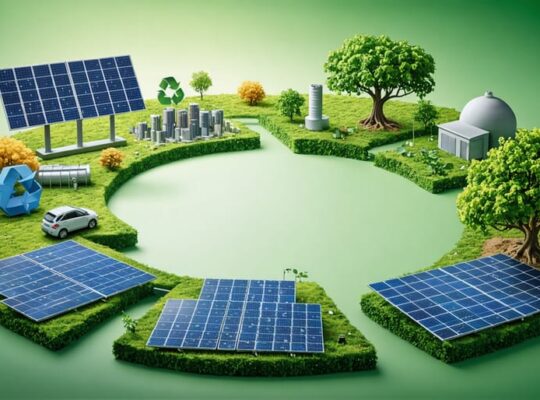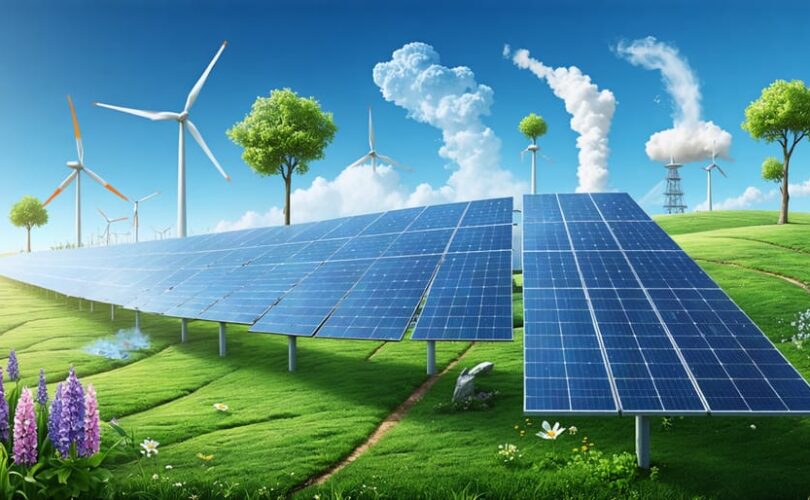
The global transition to renewable energy stands at a pivotal moment as nations, industries, and communities seek sustainable alternatives to fossil fuels. With solar PV technology leading the charge, an interconnected network of renewable energy sources is reshaping our power generation landscape. From the untapped potential of ocean thermal energy to the established reliability of hydroelectric power, these eight renewable sources represent the cornerstone of a sustainable energy future. Their integration not only addresses climate change concerns but also offers unprecedented opportunities for energy independence and economic growth. As we examine these diverse energy sources, we’ll explore their unique characteristics, implementation challenges, and the innovative solutions driving their advancement in modern power systems. Understanding these renewable technologies is crucial for professionals, researchers, and decision-makers working to create a more sustainable and resilient energy infrastructure.
Solar Energy: The Primary Power Source
Photovoltaic Effect and Energy Conversion
Solar cells harness the photovoltaic effect to convert sunlight directly into electrical energy. This process occurs when photons from sunlight strike a semiconductor material, typically silicon, creating an electron-hole pair. The semiconductor consists of two layers: an n-type layer with excess electrons and a p-type layer with electron deficiencies or “holes.”
When sunlight hits the solar cell, the photons transfer their energy to the electrons in the semiconductor material, exciting them to a higher energy state. These energized electrons break free from their atomic bonds, creating a flow of electrical current. The built-in electric field at the p-n junction drives these free electrons toward the n-type layer while the holes move toward the p-type layer.
Metal contacts on both sides of the cell collect these charged particles, establishing an electric potential difference. When connected to an external circuit, this potential difference drives a direct current (DC) through the circuit, which can then be converted to alternating current (AC) through an inverter for practical use.
Modern solar cells achieve conversion efficiencies ranging from 15% to 25%, with advanced multi-junction cells reaching even higher efficiencies. Continuous research in materials science and cell design keeps improving these efficiency rates, making solar power an increasingly viable renewable energy source.

Advanced Solar Cell Materials
Modern solar cell technology relies heavily on advanced solar cell materials that maximize energy conversion efficiency while reducing production costs. Silicon remains the predominant material, with monocrystalline silicon cells achieving efficiency rates up to 26%. These high-purity silicon crystals offer superior performance but come at a higher manufacturing cost.
Polycrystalline silicon presents a more cost-effective alternative, though with slightly lower efficiency rates of 15-17%. Recent developments in thin-film technologies have introduced promising materials such as Copper Indium Gallium Selenide (CIGS) and Cadmium Telluride (CdTe), which require less raw material and enable flexible panel designs.
Perovskite solar cells represent a breakthrough in photovoltaic technology, demonstrating remarkable efficiency improvements from 3.8% to over 25% in just a decade. These materials offer excellent light absorption properties and can be manufactured using simple solution-based processes.
Multi-junction cells, combining different semiconductor materials, achieve the highest efficiency rates exceeding 40% under concentrated sunlight. These cells utilize materials like Gallium Arsenide (GaAs) and Indium Phosphide (InP) to capture a broader spectrum of solar radiation.
Emerging technologies include quantum dots and organic photovoltaics, which promise further advances in efficiency and cost reduction, though these remain primarily in research phases.
Wind Energy Integration
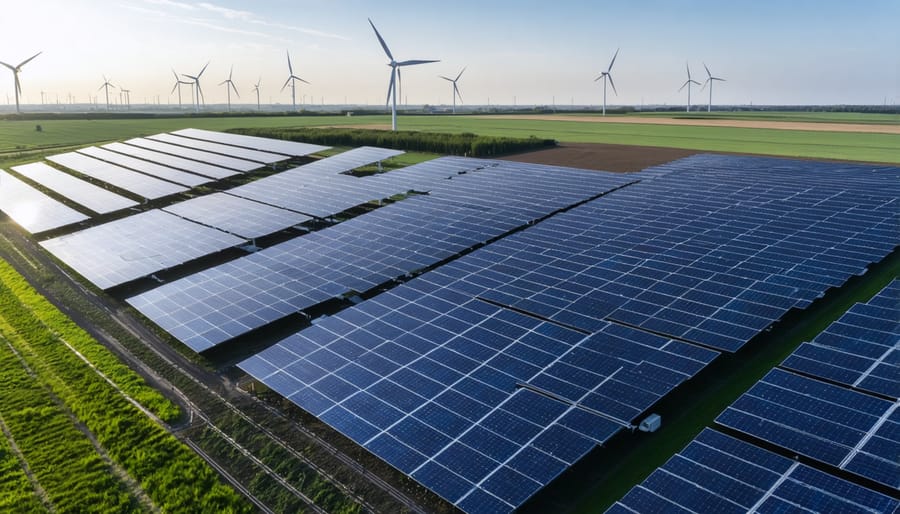
Wind energy serves as a powerful complement to solar PV systems, offering distinct advantages in terms of energy generation patterns and system reliability. The integration of wind turbines with solar installations creates hybrid renewable energy systems that maximize power production capabilities throughout various weather conditions and times of day.
Wind turbines typically generate more electricity during evening hours and cloudy conditions, precisely when solar panels are less effective. This complementary generation profile helps maintain consistent power output, reducing the reliance on energy storage systems and grid support. Modern wind integration solutions incorporate sophisticated power electronics and control systems that seamlessly manage the combined output of both renewable sources.
The technical synergy between wind and solar extends beyond mere power generation. Advanced micro-grid controllers can optimize the performance of both systems, adjusting power flow based on real-time demand and weather conditions. This integration also enhances grid stability through improved frequency regulation and voltage support capabilities.
Recent technological developments have introduced scaled solutions for different applications, from utility-scale installations to distributed generation systems. Small-scale wind turbines can be particularly effective when combined with rooftop solar installations, providing commercial and industrial facilities with diversified renewable energy sources.
Key benefits of wind-solar integration include:
– Increased overall system efficiency
– Reduced intermittency issues
– Lower energy storage requirements
– Enhanced grid reliability
– Optimized land use through co-location
– Shared infrastructure costs
When implementing wind energy integration, careful consideration must be given to site-specific factors such as wind resources, available space, and existing electrical infrastructure. Professional assessment and proper system design ensure optimal performance and return on investment while maintaining compliance with local regulations and grid requirements.
Hydroelectric Power Synergy
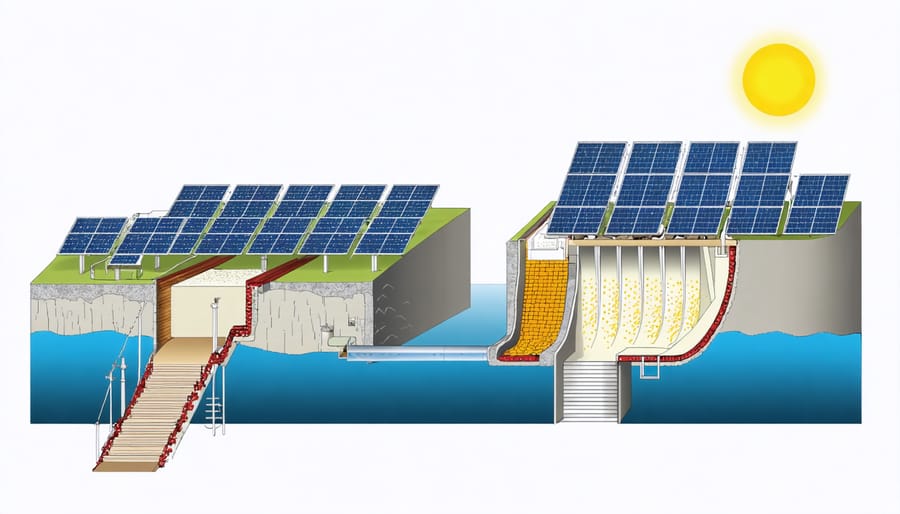
Hydroelectric power and solar PV systems create a powerful synergy in modern grid operations, offering complementary benefits that enhance overall grid stability and reliability. While solar PV generates electricity during daylight hours, hydroelectric facilities can adjust their output rapidly to balance supply and demand, effectively compensating for solar’s intermittency.
The operational flexibility of hydroelectric power plants makes them ideal partners for solar installations. When solar production peaks during midday, hydroelectric facilities can reduce their output, essentially storing water in their reservoirs. During periods of low solar generation or peak demand, these facilities can quickly increase production by releasing the stored water through their turbines.
This dynamic relationship provides several key advantages to grid operators. First, it reduces the need for expensive battery storage systems, as hydroelectric reservoirs serve as a natural form of energy storage. Second, it improves grid frequency regulation, as hydroelectric turbines can respond to demand changes within minutes or even seconds. Third, it enables more efficient use of renewable resources, maximizing clean energy production while minimizing waste.
Real-world examples demonstrate this synergy’s effectiveness. In regions like the Pacific Northwest, where both hydroelectric and solar resources are abundant, grid operators have successfully implemented integrated management systems. These systems use advanced forecasting and automated controls to optimize the interplay between hydro and solar generation, resulting in more stable power delivery and reduced operational costs.
The integration of hydroelectric and solar power also supports the development of micro-grids and regional power networks. Small-scale hydroelectric facilities can work alongside distributed solar installations to create resilient local power systems, particularly beneficial in remote or island communities.
For grid planners and renewable energy developers, understanding this synergistic relationship is crucial for designing future power systems that maximize the benefits of both technologies while ensuring reliable electricity supply.
Geothermal Energy Applications
Geothermal energy plays a crucial role in hybrid renewable systems, offering unique advantages through its consistent and reliable power generation capabilities. Unlike intermittent renewable sources, geothermal power plants can operate 24/7, providing essential baseload power that complements other renewable technologies.
In modern hybrid installations, geothermal systems often work in conjunction with solar PV arrays and wind turbines. This integration creates a more resilient and efficient energy network. The steady output from geothermal sources helps balance the variable nature of solar and wind power, ensuring consistent energy supply regardless of weather conditions or time of day.
Geothermal applications extend beyond electricity generation to include direct heating and cooling solutions. District heating systems powered by geothermal resources can serve entire communities, while ground-source heat pumps provide efficient climate control for individual buildings. These applications demonstrate particular effectiveness when combined with smart grid technologies and energy storage systems.
The integration of geothermal energy in hybrid systems offers several key benefits:
– Enhanced grid stability through consistent power output
– Reduced overall system costs through shared infrastructure
– Improved energy security through diversified generation
– Lower carbon emissions compared to conventional backup power sources
– Optimized land use when facilities are co-located
Recent technological advances have improved the efficiency of geothermal systems, particularly in areas previously considered unsuitable for geothermal development. Enhanced Geothermal Systems (EGS) technology has expanded the potential for geothermal power generation, making it increasingly viable for integration with other renewable energy sources across diverse geographical locations.
Biomass Energy Integration
Biomass energy represents a versatile renewable resource that effectively complements solar PV systems through its unique ability to provide baseload power generation. This organic energy source derives from plant and animal materials, including agricultural residues, forest debris, and organic waste products, offering a sustainable solution for energy production while addressing waste management challenges.
The integration of biomass with other renewable energy systems creates robust hybrid solutions. Modern biomass facilities utilize advanced conversion technologies such as direct combustion, gasification, and anaerobic digestion to transform organic matter into usable energy forms. These processes generate electricity, heat, and biofuels, providing flexibility in meeting diverse energy demands.
A significant advantage of biomass energy lies in its storage capability, addressing the intermittency issues common to solar and wind power. When combined with solar PV installations, biomass systems can ensure continuous power supply during periods of low solar radiation or peak demand. This complementary relationship enhances grid stability and reliability.
Furthermore, biomass energy contributes to rural development and agricultural sustainability. The establishment of biomass processing facilities creates local employment opportunities and provides farmers with additional revenue streams through energy crop cultivation and agricultural waste utilization.
However, successful biomass integration requires careful consideration of feedstock availability, transportation logistics, and environmental impact assessment. Sustainable management practices ensure that biomass harvesting does not compete with food production or compromise ecosystem health. Modern biomass facilities incorporate advanced emission control systems to minimize environmental impact while maximizing energy conversion efficiency.
Tidal and Wave Energy Potential
Tidal and wave energy represent significant untapped potential in the renewable energy sector, offering predictable and consistent power generation capabilities that complement solar PV systems. Ocean waves and tides provide a reliable energy source, with global estimates suggesting a theoretical capacity of 29,500 TWh per year from tidal resources and 32,000 TWh per year from wave energy.
These marine energy sources operate through distinct mechanisms. Tidal energy harnesses the gravitational forces between Earth and the moon, creating predictable daily cycles of water movement. Wave energy, conversely, capitalizes on surface water movements generated by wind patterns, offering a more continuous but variable power output.
The compatibility of marine energy with solar PV systems presents compelling opportunities for hybrid power solutions. While solar generation peaks during daylight hours, tidal and wave energy can provide baseload power during nighttime and adverse weather conditions. This complementary relationship enhances grid stability and reduces the need for extensive energy storage systems.
Current technologies for harvesting marine energy include tidal barrages, tidal stream generators, and various wave energy converters (WECs). These systems can achieve efficiency rates between 20% and 35%, comparable to many conventional renewable sources. Integration with solar PV infrastructure often involves shared transmission systems and grid connection points, reducing overall installation costs.
However, challenges remain in widespread adoption, including high initial capital costs, environmental impact considerations, and the need for specialized maintenance in harsh marine environments. Despite these obstacles, ongoing technological advances and declining costs are making marine energy increasingly viable as part of diversified renewable energy portfolios.
Hydrogen Energy Storage
Hydrogen energy storage represents a crucial solution for addressing one of the primary challenges in solar PV systems: intermittency. This innovative storage method converts excess solar-generated electricity into hydrogen through electrolysis, effectively storing energy for later use when sunlight isn’t available.
The process begins when surplus solar energy powers an electrolyzer, which splits water molecules into hydrogen and oxygen. The hydrogen can be stored in pressurized tanks or underground caverns for extended periods without significant energy loss, unlike traditional battery storage systems. When electricity is needed, the stored hydrogen is converted back to electrical energy through fuel cells, releasing only water vapor as a byproduct.
This storage solution offers several advantages for large-scale solar installations. Hydrogen can be stored for months or even seasons, making it particularly valuable for regions with significant seasonal variations in solar radiation. The energy density of hydrogen also surpasses that of conventional batteries, requiring less physical space for storage capacity.
In grid applications, hydrogen storage systems can provide both short-term grid balancing and long-duration backup power. For industrial applications, the stored hydrogen can serve dual purposes: energy storage and industrial processes, enhancing the overall system efficiency.
Recent technological advances have improved electrolyzer efficiency and reduced production costs, making hydrogen storage increasingly viable for solar PV integration. While initial investment costs remain higher than some alternatives, the scalability and versatility of hydrogen storage systems make them an attractive option for future renewable energy infrastructure, particularly in applications requiring long-duration storage or seasonal energy shifting.

The integration of various renewable energy sources with solar PV technology represents a significant advancement in renewable resource integration, offering enhanced reliability and efficiency in sustainable power generation. By combining solar PV systems with wind energy, hydroelectric power, and other renewable sources, we can create robust hybrid systems that overcome individual limitations while maximizing overall energy production.
Solar PV technology demonstrates remarkable versatility in its ability to complement other renewable sources. When paired with wind energy, these hybrid systems can maintain consistent power output throughout day and night, while integration with hydroelectric storage provides an effective solution for energy storage and grid stability. Biomass and geothermal systems can further supplement solar PV during periods of low sunlight, ensuring continuous power availability.
The success of these integrated systems depends on advanced control mechanisms, smart grid technologies, and sophisticated energy management systems. Modern inverters and power electronics enable seamless switching between different energy sources, while digital monitoring platforms optimize resource utilization and system performance.
As we move forward, the integration of multiple renewable sources with solar PV technology will play a crucial role in achieving grid independence and sustainability goals. This approach not only enhances system reliability but also provides a more comprehensive solution for meeting diverse energy needs while reducing carbon emissions.