Artificial intelligence is revolutionizing solar photovoltaic technology, marking a paradigm shift in how we harness and optimize renewable energy systems. By combining advanced machine learning algorithms with sophisticated sensor networks, AI solutions are dramatically improving solar panel efficiency, predictive maintenance, and grid integration capabilities. These technological innovations are addressing long-standing challenges in the solar industry, from real-time performance optimization to automated fault detection.
The convergence of AI and solar PV technology represents a critical advancement in our pursuit of sustainable energy solutions. Modern neural networks can now analyze vast amounts of environmental data, weather patterns, and system performance metrics to maximize energy yield while minimizing operational costs. This sophisticated integration is transforming solar installations from passive energy collectors into intelligent, self-optimizing systems that adapt to changing conditions in real-time.
As we stand at the intersection of artificial intelligence and renewable energy, the implications for the solar industry are profound. Manufacturing processes are becoming more efficient, maintenance schedules more precise, and energy forecasting more accurate. This technological synergy is not just enhancing current solar capabilities; it’s laying the groundwork for a more sustainable and efficient energy future.
How AI is Transforming Solar PV Performance
Machine Learning for Power Prediction
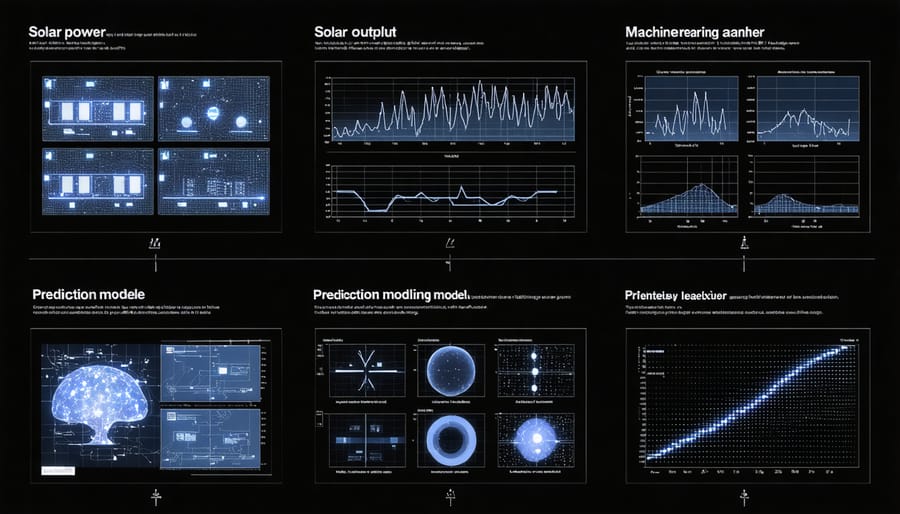
Machine learning algorithms play a crucial role in optimizing solar power generation through advanced predictive analytics. These sophisticated AI models analyze multiple data streams, including weather patterns, historical performance metrics, and real-time sensor data to forecast power output with remarkable accuracy. Understanding how machine learning maximizes PV system performance is essential for modern solar installations.
The most commonly employed algorithms include Support Vector Machines (SVM), Random Forests, and Deep Neural Networks. SVMs excel at pattern recognition within environmental data, while Random Forests provide robust predictions by combining multiple decision trees. Deep Neural Networks, particularly Long Short-Term Memory (LSTM) networks, demonstrate exceptional capability in processing sequential data and capturing long-term dependencies in power generation patterns.
These algorithms continuously improve their predictions through iterative learning, incorporating new data points to refine their models. The integration of these AI systems has demonstrated significant improvements in forecast accuracy, with some implementations achieving prediction rates exceeding 95% accuracy for day-ahead forecasting. This enhanced predictive capability enables better grid integration and more efficient energy management strategies.
Real-time Optimization Systems
Artificial Intelligence has revolutionized how solar PV installations operate through advanced real-time performance optimization systems. These intelligent platforms continuously analyze vast amounts of operational data, weather patterns, and system parameters to maximize energy yield and system efficiency.
Machine learning algorithms process inputs from multiple sensors, including irradiance measurements, temperature readings, and power output metrics, to make instantaneous adjustments to system parameters. This dynamic optimization enables solar installations to adapt to changing environmental conditions, reducing energy losses and improving overall system reliability.
The AI-driven systems excel at predictive maintenance by identifying potential issues before they impact performance. By analyzing historical performance data and current operating conditions, these systems can detect anomalies, forecast maintenance needs, and suggest optimal timing for cleaning and repairs.
Furthermore, these optimization systems integrate seamlessly with smart grid infrastructure, enabling better demand response management and grid stability. The AI algorithms help balance power generation with consumption patterns, ensuring optimal energy distribution and storage utilization while maintaining grid reliability.
Predictive Maintenance and Fault Detection
Advanced Diagnostic Systems
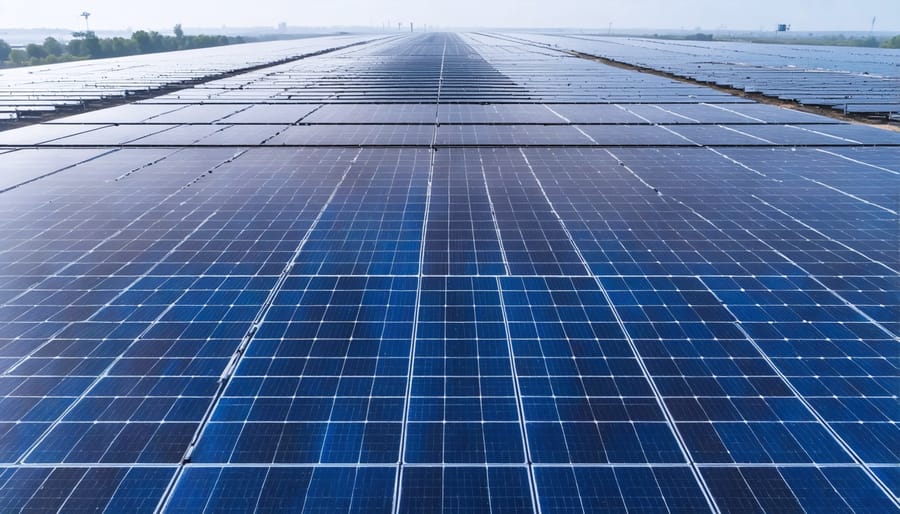
Advanced diagnostic systems powered by artificial intelligence have revolutionized the monitoring and maintenance of solar PV installations. These systems employ sophisticated machine learning algorithms to analyze vast amounts of performance data, enabling predictive maintenance and early fault detection with unprecedented accuracy.
By continuously monitoring key parameters such as voltage, current, temperature, and irradiance levels, AI-driven diagnostic tools can identify potential issues before they escalate into major problems. The systems utilize pattern recognition to establish baseline performance metrics and detect anomalies that might indicate component degradation or system inefficiencies.
Real-time monitoring capabilities allow operators to track system performance across multiple sites simultaneously, with AI algorithms processing and interpreting data streams to generate actionable insights. These systems can distinguish between temporary environmental factors and genuine equipment malfunctions, reducing false alarms and optimizing maintenance schedules.
The integration of computer vision technology further enhances diagnostic capabilities by analyzing thermal imaging and visual inspection data. AI algorithms can automatically detect physical defects such as microcracks, hotspots, or degradation in solar panels through image processing and analysis.
The implementation of these advanced diagnostic systems has demonstrated significant improvements in operational efficiency, with some installations reporting up to 30% reduction in downtime and maintenance costs. As these systems continue to evolve, they incorporate increasingly sophisticated features such as automated reporting, predictive analytics, and integration with smart grid management systems.
Automated Maintenance Scheduling
Artificial Intelligence revolutionizes maintenance scheduling in solar PV installations by implementing predictive analytics and machine learning algorithms to optimize system performance and longevity. These AI-driven systems continuously analyze real-time data from multiple sensors, weather forecasts, and historical performance metrics to create dynamic maintenance schedules that maximize energy production while minimizing downtime.
The AI scheduler evaluates component degradation patterns, environmental conditions, and performance indicators to identify potential issues before they become critical. This proactive approach enables maintenance teams to address problems during optimal weather windows and coordinate repairs efficiently, reducing operational costs and preventing unexpected failures.
Advanced AI algorithms calculate the most cost-effective maintenance intervals by considering factors such as equipment age, performance trends, replacement costs, and labor availability. The system automatically prioritizes maintenance tasks based on their impact on overall system efficiency and potential revenue loss, ensuring resources are allocated effectively.
Integration with workforce management systems allows for automated scheduling of technician visits, parts ordering, and documentation, streamlining the entire maintenance process. The AI system also learns from each maintenance intervention, continuously refining its predictive models and scheduling algorithms to improve accuracy over time.
This intelligent scheduling approach has demonstrated significant benefits, including up to 30% reduction in maintenance costs, 25% improvement in system availability, and enhanced overall plant performance through optimized timing of cleaning and repair activities.
AI in Solar Panel Manufacturing
Quality Control Enhancement
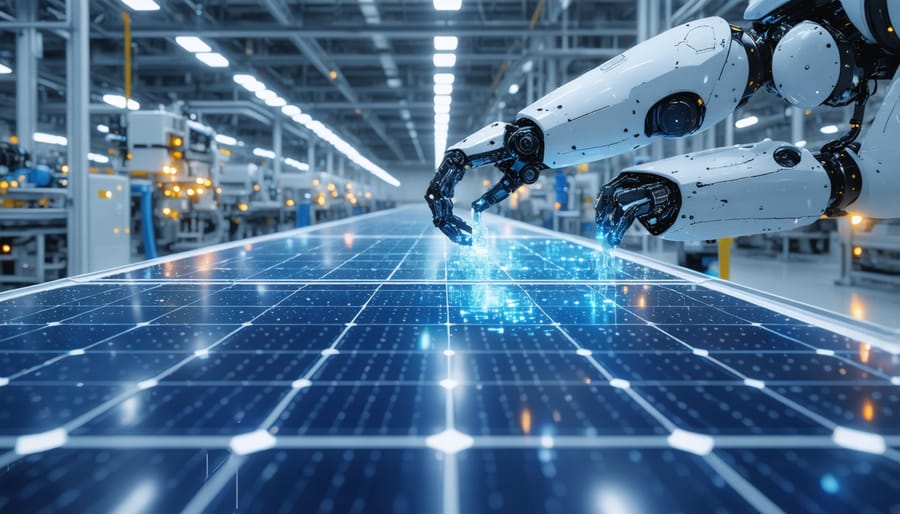
Artificial intelligence has revolutionized quality control processes in solar panel manufacturing innovations, introducing unprecedented precision and reliability. Advanced machine learning algorithms now analyze high-resolution imagery to detect microscopic defects in photovoltaic cells, achieving accuracy rates exceeding 99.5% compared to traditional manual inspection methods.
These AI-powered quality assurance systems employ deep learning networks trained on millions of product images to identify subtle variations in cell composition, microcrack formation, and surface uniformity. Real-time monitoring capabilities allow manufacturers to address production issues immediately, significantly reducing waste and improving yield rates by up to 15%.
The integration of computer vision and thermal imaging analysis enables comprehensive defect detection across multiple inspection points. This multi-layered approach examines everything from cell interconnections to lamination integrity, ensuring each panel meets rigorous performance standards. Statistical process control algorithms continuously analyze production data, automatically adjusting manufacturing parameters to maintain optimal quality levels.
Furthermore, predictive maintenance algorithms anticipate potential equipment failures before they impact product quality, reducing downtime and maintaining consistent production standards. This proactive approach has demonstrated a 30% reduction in quality-related production delays while ensuring superior product reliability.
Design Optimization
Artificial intelligence plays a transformative role in optimizing solar panel design, significantly enhancing their efficiency and performance characteristics. Advanced machine learning algorithms analyze vast datasets of panel performance metrics, environmental conditions, and material properties to identify optimal design configurations. These AI-driven insights enable manufacturers to make precise adjustments to panel architecture, leading to improved energy conversion rates and reduced material waste.
Through sophisticated simulation models, AI systems can predict how different design variations will perform under diverse environmental conditions before physical prototypes are created. This capability accelerates the development cycle while reducing costs associated with traditional trial-and-error methods. The technology also enables the fine-tuning of critical parameters such as cell thickness, anti-reflective coating properties, and bus bar configuration.
Recent implementations of AI in design optimization have achieved remarkable results, with some manufacturers reporting efficiency improvements of up to 5% compared to conventionally designed panels. The technology also facilitates the development of bifacial panels and specialized designs for specific climate conditions. By incorporating real-time performance data and weather patterns, AI systems continuously refine design recommendations, ensuring panels maintain optimal efficiency throughout their lifecycle while reducing manufacturing costs and environmental impact.
Future Implications and Industry Impact
Emerging Technologies
The integration of artificial intelligence in solar PV technology continues to evolve rapidly, with several groundbreaking innovations on the horizon. Among the most promising emerging solar technologies is the development of self-optimizing solar arrays that utilize deep learning algorithms to maximize energy capture throughout the day. These systems can predict weather patterns and adjust panel positioning with unprecedented accuracy.
Advanced neural networks are being developed to enhance predictive maintenance capabilities, utilizing real-time data analysis to identify potential equipment failures before they occur. This proactive approach significantly reduces downtime and maintenance costs while extending system longevity.
Machine learning algorithms are also being refined to improve solar cell manufacturing processes, with AI-driven quality control systems capable of detecting microscopic defects at unprecedented speeds. These innovations are expected to dramatically increase production efficiency and reduce manufacturing costs.
Perhaps most exciting is the development of AI-enabled smart grids that can autonomously manage power distribution, storage, and consumption. These systems will be capable of learning from usage patterns to optimize energy distribution and storage, leading to more efficient and reliable solar power systems.
Market Transformation
Artificial intelligence is fundamentally reshaping the solar industry landscape, driving unprecedented efficiency gains and cost reductions across the value chain. Through advanced machine learning algorithms and predictive analytics, AI enables solar manufacturers to optimize production processes, resulting in higher-quality panels with fewer defects and reduced manufacturing costs.
The market transformation is particularly evident in quality control and inspection processes, where AI-powered computer vision systems can detect microscopic defects at speeds far exceeding human capability. This technological advancement has led to a 35% increase in production efficiency and a significant reduction in waste materials.
Smart grid integration, powered by AI algorithms, is revolutionizing energy distribution and storage systems. These intelligent systems optimize power flow, predict maintenance needs, and balance supply with demand in real-time, creating more resilient and efficient solar networks.
The financial sector has also embraced AI-driven solutions, developing sophisticated models for project assessment and risk analysis. These tools enable more accurate forecasting of solar installation performance and return on investment, making solar projects more attractive to investors and facilitating faster market growth.
Furthermore, AI is democratizing access to solar technology through automated design tools and simplified customer acquisition processes, expanding the market reach beyond traditional segments.
The integration of artificial intelligence in solar PV technology represents a transformative force that continues to reshape the renewable energy landscape. Through enhanced monitoring systems, predictive maintenance capabilities, and automated manufacturing processes, AI has significantly improved the efficiency and reliability of solar installations while reducing operational costs. The implementation of machine learning algorithms has particularly excelled in optimizing energy yield, with some systems demonstrating performance improvements of up to 20% compared to traditional methods.
Looking ahead, the convergence of AI and solar technology promises even greater advances. Emerging developments in deep learning and computer vision are expected to further refine manufacturing processes, potentially reducing production costs by an additional 15-25% over the next decade. Smart grid integration powered by AI will enable more sophisticated energy management systems, facilitating better load balancing and storage optimization.
The future outlook for AI in solar PV technology remains exceptionally promising, with research indicating potential breakthroughs in self-healing solar panels, autonomous maintenance drones, and ultra-precise weather forecasting for optimal energy production. As computational capabilities continue to advance, we can expect to see more sophisticated AI applications that will further enhance the efficiency, reliability, and cost-effectiveness of solar energy systems.
For the solar industry to fully capitalize on these opportunities, continued collaboration between technology providers, research institutions, and industry stakeholders remains crucial. This partnership approach, combined with ongoing technological advancement, will be key to achieving the next generation of solar energy solutions.