Installing off-grid solar systems remains legal across the United States, though specific regulations and permit requirements vary significantly by jurisdiction. Property owners pursuing sustainable off-grid living must navigate a complex framework of federal, state, and local regulations governing renewable energy installations. While some regions actively encourage off-grid solar through incentive programs and streamlined permitting, others impose strict requirements around system specifications, safety standards, and grid interconnection policies. Understanding these legal parameters proves essential for successful implementation, as non-compliance can result in substantial fines or mandatory system removal. Key considerations include building codes, electrical permits, zoning restrictions, and homeowners’ association regulations. This article examines the current legal landscape for off-grid solar installations, providing clarity on compliance requirements while highlighting important distinctions between jurisdictions to help property owners make informed decisions about their renewable energy projects.
Federal Laws and Regulations for Off-Grid Solar
Federal Tax Incentives and Requirements
The federal government offers significant incentives for solar energy adoption, including the Solar Investment Tax Credit (ITC), which allows homeowners and businesses to deduct a percentage of their solar installation costs from their federal taxes. As of 2024, the ITC provides a 30% tax credit for both grid-tied and off-grid solar systems, provided they meet specific requirements.
To qualify for federal incentives, off-grid solar installations must comply with National Electrical Code (NEC) standards and use equipment certified by Underwriters Laboratories (UL) or other recognized testing laboratories. The system must be installed by a qualified professional and generate electricity primarily for residential or business use.
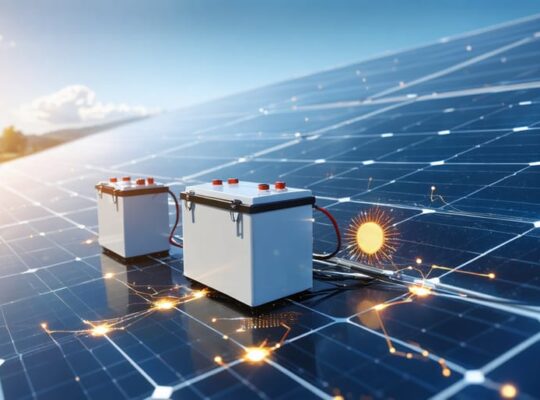
Additionally, the Energy Independence and Security Act establishes guidelines for energy storage systems commonly used in off-grid setups. Battery systems must meet safety standards and include appropriate disconnection mechanisms and overcurrent protection devices.
Documentation requirements include detailed receipts, equipment specifications, and certification of installation compliance. Property owners should maintain these records for at least five years after claiming the tax credit to ensure eligibility during potential audits.
National Electric Code Compliance
Off-grid solar installations must comply with the National Electric Code (NEC) requirements to ensure safety and system reliability. The NEC Article 690 specifically addresses photovoltaic systems, including off-grid installations, while Article 705 covers interconnected power production sources. When you design a reliable off-grid system, adherence to these codes is essential.
Key NEC compliance requirements include proper conductor sizing, appropriate overcurrent protection, grounding methods, and disconnect means. The code mandates specific labeling requirements for system components and emergency disconnects. All electrical equipment must be listed and labeled by recognized testing laboratories like UL or ETL.
Battery storage systems, common in off-grid installations, must comply with Article 480, which addresses battery installation safety requirements, ventilation, and containment. Additionally, charge controllers and inverters must meet rapid shutdown requirements implemented in NEC 2017 and subsequent editions.
Professional installation by certified electricians is typically required to ensure compliance with these standards. Regular system inspections and documentation of compliance are necessary to maintain system certification and safety standards.
State and Local Regulations
Building Permits and Zoning Laws
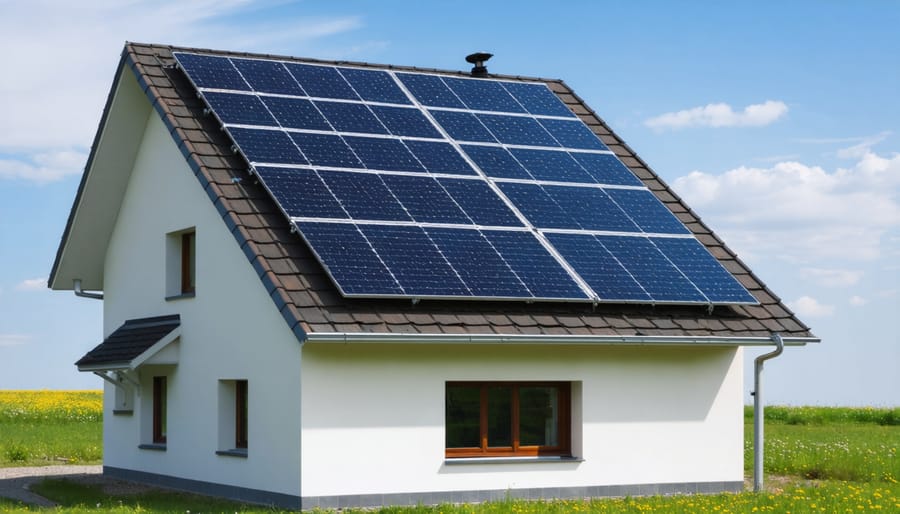
Before proceeding with building a compliant solar installation, obtaining proper permits and understanding local zoning laws is crucial. Most jurisdictions require specific permits for off-grid solar systems, which typically include electrical permits, building permits, and sometimes special solar installation permits.
Local zoning ordinances may regulate system size, placement, and setback requirements. Height restrictions can affect solar panel positioning, while aesthetic guidelines in certain communities might dictate panel visibility from public spaces. Some municipalities have solar access laws protecting your system’s exposure to sunlight from neighboring obstructions.
The permitting process generally involves submitting detailed system plans, including:
– Engineering calculations and drawings
– Equipment specifications
– Site plans showing system location
– Structural analysis for roof-mounted systems
– Electrical diagrams
– Safety and disconnection protocols
Many jurisdictions have streamlined their solar permitting processes, but requirements vary significantly. Rural areas often have fewer restrictions, while urban and suburban locations typically maintain stricter regulations. Some homeowners’ associations may impose additional requirements or restrictions on solar installations.
Professional installers typically handle permit applications, but system owners should understand these requirements to ensure compliance and avoid potential legal issues. Consulting local building departments early in the planning process helps prevent costly modifications or delays.
Utility Company Regulations
Utility companies maintain specific regulations regarding solar installations and grid interconnection that significantly impact off-grid systems. When transitioning to off-grid solar, homeowners must understand and comply with their local utility’s requirements for complete disconnection from the power grid.
Most utilities require formal documentation and inspection before approving a complete disconnect from their service. This typically involves filing a disconnection request, scheduling a final meter reading, and obtaining verification that the property will no longer draw power from the grid. Some jurisdictions mandate professional certification that the off-grid system meets local electrical codes and safety standards.
It’s important to note that certain utilities may have restrictions on complete disconnection, particularly in urban areas where maintaining grid connection is considered essential for public safety and infrastructure reliability. Some regions require properties to maintain at least a minimal grid connection as a backup power source, even with a fully functional off-grid system.
Before proceeding with an off-grid installation, property owners should:
– Request written documentation of disconnection requirements from their utility
– Verify if complete disconnection is permitted in their service area
– Obtain necessary permits and inspections
– Ensure compliance with local electrical codes
– Document all communications and approvals from the utility company
Understanding and following these utility regulations is crucial for a legal off-grid solar installation and helps avoid potential complications or penalties.
Property-Specific Legal Considerations
HOA and Deed Restrictions
Homeowners’ Associations (HOAs) and deed restrictions can significantly impact your ability to install and operate off-grid solar systems. Many HOAs have specific regulations governing solar installations, including restrictions on panel placement, system size, and aesthetic requirements. While some states have enacted “solar rights laws” that limit HOAs’ ability to prohibit solar installations entirely, these laws often focus on grid-tied systems rather than off-grid installations.
When purchasing property or planning an off-grid solar installation, carefully review your HOA covenants, conditions, and restrictions (CC&Rs) and property deed. Some deed restrictions may explicitly prohibit off-grid living or require connection to municipal utilities. These restrictions can remain legally binding even if the HOA is inactive or dissolved.
To navigate these challenges, consider these steps:
– Request and review all current HOA documents before purchase
– Consult with the HOA board about specific solar installation requirements
– Obtain written approval before beginning installation
– Consider legal counsel to review restrictions and identify potential solutions
– Research state-specific solar access laws that may override HOA restrictions
If faced with restrictive HOA policies, you may be able to petition for amendments to the CC&Rs or work with the board to develop acceptable compromise solutions that allow off-grid solar while addressing community concerns about aesthetics and property values. Some HOAs may be more receptive to off-grid systems that maintain grid connection as backup, rather than complete disconnection from utilities.
Rural vs. Urban Requirements
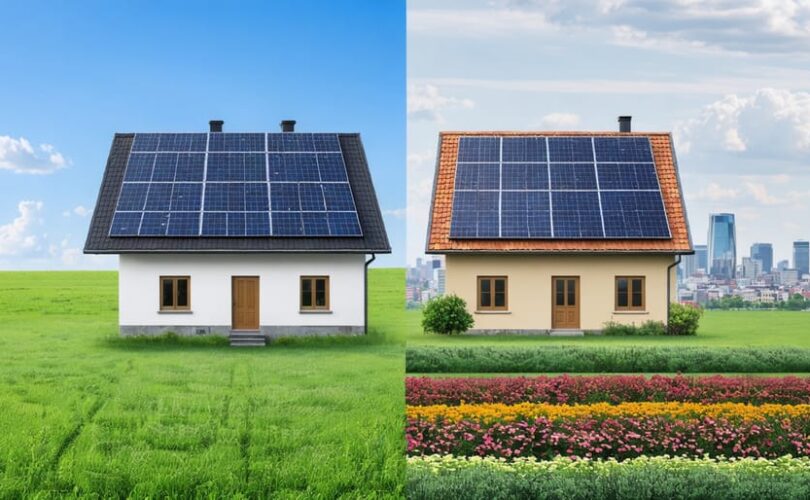
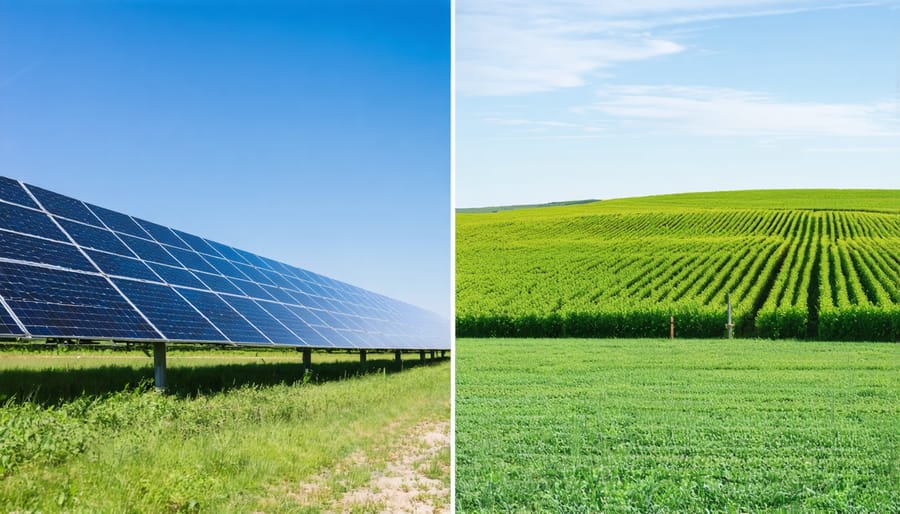
Legal requirements for off-grid solar installations vary significantly between rural and urban settings, primarily due to differences in zoning regulations, building codes, and utility interconnection policies. In rural areas, property owners typically face fewer restrictions and may have more flexibility in system design and placement. Rural jurisdictions often have simpler permitting processes and may be more accommodating to off-grid installations due to limited grid access and greater land availability.
Urban areas, conversely, tend to have more stringent requirements. City dwellers must navigate complex zoning ordinances, homeowners’ association rules, and historic district preservation guidelines. Many urban municipalities require professional engineering reviews, detailed site plans, and specific aesthetic considerations to maintain neighborhood character. Additionally, urban installations often need to comply with fire safety codes that ensure proper roof access and setback requirements.
Both settings share common requirements for electrical code compliance and safety standards. However, rural properties may have additional considerations regarding well pump operations and septic system compatibility, while urban installations must address potential impacts on neighboring properties and shared infrastructure.
Understanding these distinctions is crucial for project planning. Rural property owners should focus on system capacity and environmental impact assessments, while urban residents need to prioritize compliance with local architectural guidelines and space optimization strategies. Consulting with local authorities and experienced solar professionals can help navigate these setting-specific requirements effectively.
Common Legal Challenges and Solutions
Mandatory Grid Connection Laws
Many jurisdictions across the United States maintain mandatory grid connection requirements for residential and commercial properties. These regulations typically mandate that buildings must maintain a connection to the municipal power grid, even when implementing solar energy systems. The requirements stem from safety concerns, grid stability considerations, and local building codes developed before widespread solar adoption.
Several states have implemented specific provisions requiring grid connectivity, particularly in urban and suburban areas. However, exceptions often exist for properties in remote locations where grid connection is impractical or cost-prohibitive. These exceptions typically require detailed documentation and approval from local authorities.
Property owners interested in hybrid off-grid power systems must carefully review their local regulations, as requirements vary significantly by jurisdiction. Some areas may require maintaining minimal grid connection while allowing primary reliance on solar power, while others mandate full grid integration.
Common exemptions to mandatory connection laws include:
– Properties located more than 1,000 feet from existing power lines
– Agricultural buildings and structures
– Temporary construction sites
– Emergency backup systems
– Research facilities with specific power requirements
To navigate these requirements effectively, property owners should:
1. Consult local building departments and utility providers
2. Review specific exemption criteria
3. Obtain necessary permits and documentation
4. Consider alternative compliance methods
5. Engage qualified legal counsel when seeking exceptions
Understanding these regulations is crucial for successful solar implementation while maintaining compliance with local laws and building codes.
Safety and Insurance Requirements
Safety regulations and insurance requirements play a crucial role in the legal implementation of off-grid solar systems. All installations must comply with the National Electrical Code (NEC) standards, particularly Article 690, which specifically addresses photovoltaic system requirements. These regulations ensure proper system design, installation, and operation while minimizing potential hazards.
Professional installation by certified electricians is typically required to meet safety standards and maintain warranty validity. Installers must follow manufacturer specifications and local building codes, incorporating proper grounding, surge protection, and disconnect mechanisms. System components should carry UL (Underwriters Laboratories) certification or equivalent safety ratings from recognized testing laboratories.
Insurance considerations for off-grid solar systems extend beyond standard homeowner’s policies. Property owners should review their existing coverage and may need to obtain additional insurance specifically covering solar equipment. Key insurance aspects include:
– Property damage coverage for the solar system
– Liability protection for potential accidents or injuries
– Coverage for environmental risks and natural disasters
– Business insurance for commercial installations
Many insurance providers require regular system maintenance and professional inspections to maintain coverage. Documentation of compliance with safety codes and maintenance records should be preserved to support potential claims and demonstrate due diligence.
Battery storage systems, common in off-grid installations, require particular attention to safety regulations. These systems must include proper ventilation, temperature control, and containment measures. Local fire departments may have specific requirements for emergency access and signage, especially for larger installations.
Consulting with insurance professionals who specialize in renewable energy systems can help ensure appropriate coverage while maintaining compliance with legal requirements. Regular safety audits and updates to insurance policies are recommended as systems age and regulations evolve.

Implementing off-grid solar systems requires careful attention to legal requirements at multiple jurisdictional levels. While off-grid solar is generally legal across the United States, success depends on thorough compliance with federal regulations, state-specific requirements, and local ordinances. Property owners must conduct due diligence regarding zoning laws, building codes, and HOA restrictions before proceeding with installation.
To ensure a legally compliant off-grid solar system, consider these essential steps: First, research and understand applicable federal renewable energy policies. Second, consult state energy authorities regarding specific requirements and potential incentives. Third, obtain necessary local permits and inspections. Fourth, review property deed restrictions and HOA regulations. Finally, engage qualified professionals for system design and installation to meet all regulatory standards.
The legal landscape for off-grid solar continues to evolve as renewable energy adoption increases. Working with experienced solar professionals and legal advisors can help navigate complex requirements while ensuring compliance. Remember that maintaining proper documentation throughout the planning and installation process is crucial for demonstrating adherence to regulations.
While legal considerations may seem daunting, they serve to ensure safety, reliability, and proper integration of off-grid solar systems. By approaching these requirements systematically and maintaining open communication with relevant authorities, property owners can successfully implement legal off-grid solar solutions that provide sustainable energy independence.