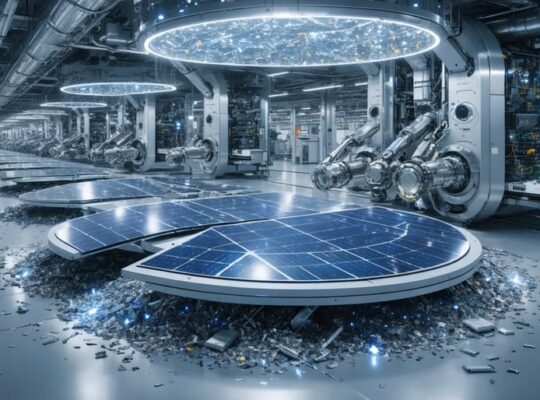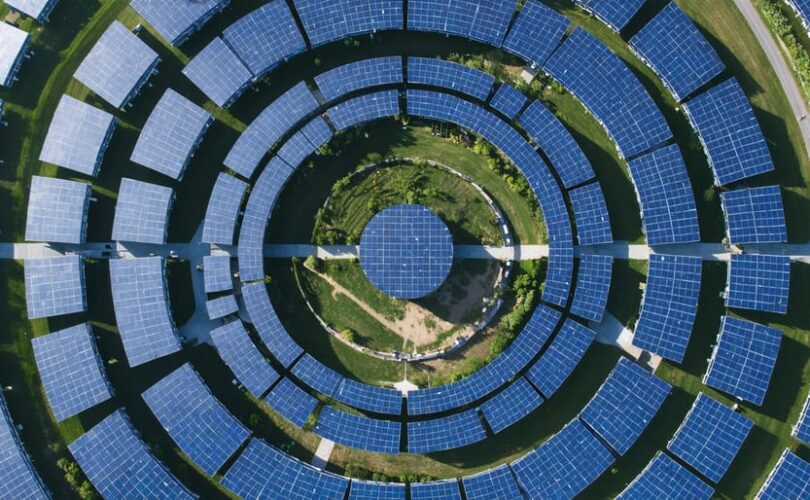
At the intersection of innovation and sustainability, circular solar arrays represent a groundbreaking advancement in photovoltaic technology that’s reshaping our approach to renewable energy. These revolutionary systems, characterized by their distinctive circular configuration and dynamic tracking capabilities, achieve up to 30% higher energy yields compared to traditional fixed-tilt arrays while maximizing land use efficiency.
The circular design principle extends beyond mere spatial arrangement – it embodies the fundamental concepts of the circular economy in solar power generation. By incorporating sustainable materials, modular components, and end-of-life recycling considerations, these systems address the entire lifecycle of solar infrastructure. This holistic approach not only optimizes energy production but also minimizes environmental impact and resource consumption.
As the renewable energy sector evolves, circular solar arrays demonstrate how intelligent design can simultaneously enhance performance, reduce ecological footprint, and promote sustainable manufacturing practices. Their implementation represents a crucial step toward achieving global renewable energy targets while adhering to circular economy principles, making them particularly relevant for organizations committed to both environmental stewardship and operational efficiency.
This integration of advanced engineering and environmental consciousness exemplifies the future direction of sustainable energy infrastructure, offering a compelling solution for the growing demands of clean power generation in an increasingly resource-conscious world.
Understanding Circular Solar Arrays
Design Principles and Architecture
The circular solar array configuration represents an innovative approach to design a high-performance PV system. This architecture features photovoltaic panels arranged in concentric circles, optimizing space utilization while maximizing energy capture throughout the day. The structural framework typically comprises a central mounting pole surrounded by radial support beams that extend outward like spokes on a wheel.
Key design elements include adjustable tilt mechanisms that enable optimal solar tracking, reinforced foundation systems to ensure stability, and integrated cable management solutions. The circular configuration allows for efficient maintenance access through designated service corridors between panel rows. Advanced monitoring systems are strategically positioned throughout the array to track performance metrics and environmental conditions.
The array’s structural integrity is maintained through carefully engineered load distribution systems, accounting for wind forces and weather impacts. Material selection emphasizes durability and corrosion resistance, typically incorporating galvanized steel or aluminum components. The design also incorporates smart drainage solutions to prevent water accumulation and ensure long-term reliability.
This architectural approach enables scalability while maintaining system efficiency, making it suitable for both utility-scale installations and smaller commercial applications.
Performance Benefits
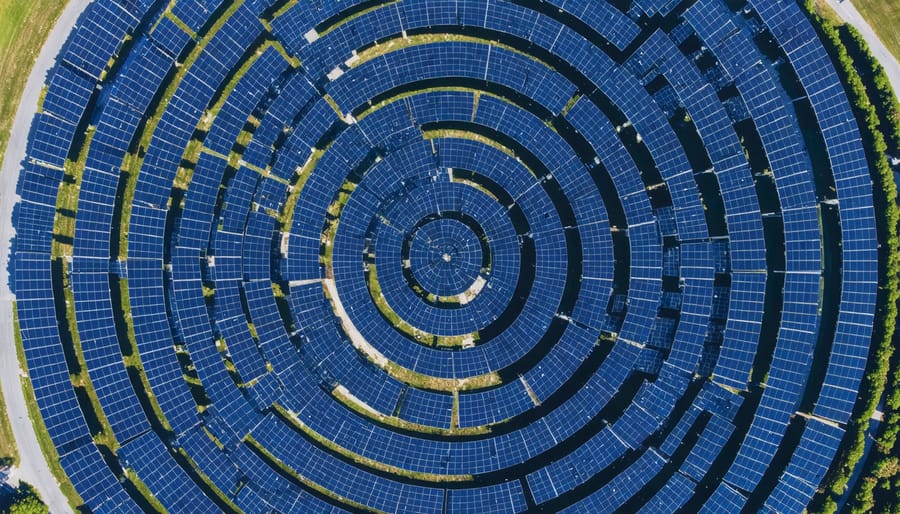
Circular solar arrays demonstrate significant performance advantages over traditional linear configurations, offering enhanced energy generation efficiency and operational flexibility. Studies conducted by leading research institutions indicate that these arrays can achieve up to 15-20% higher energy yield per square meter compared to conventional installations.
The circular design maximizes solar tracking capabilities throughout the day, capturing optimal sunlight from sunrise to sunset. This dynamic positioning reduces energy losses associated with fixed-angle installations and minimizes the impact of shading effects that commonly affect linear arrays. The radial arrangement also facilitates better airflow around the panels, resulting in improved thermal management and reduced operating temperatures.
Maintenance efficiency is another notable benefit, as the centralized design allows for streamlined access to all panels from a single point. This configuration reduces maintenance time and associated costs while ensuring consistent performance monitoring. The compact footprint of circular arrays also minimizes land usage, achieving higher power density compared to traditional layouts.
Data from operational installations shows that circular arrays maintain peak performance during varying weather conditions due to their ability to adjust panel orientation collectively. This adaptability translates to more stable power output and enhanced grid reliability, particularly beneficial for utility-scale applications.
Circular Economy Integration
Material Recovery and Recycling
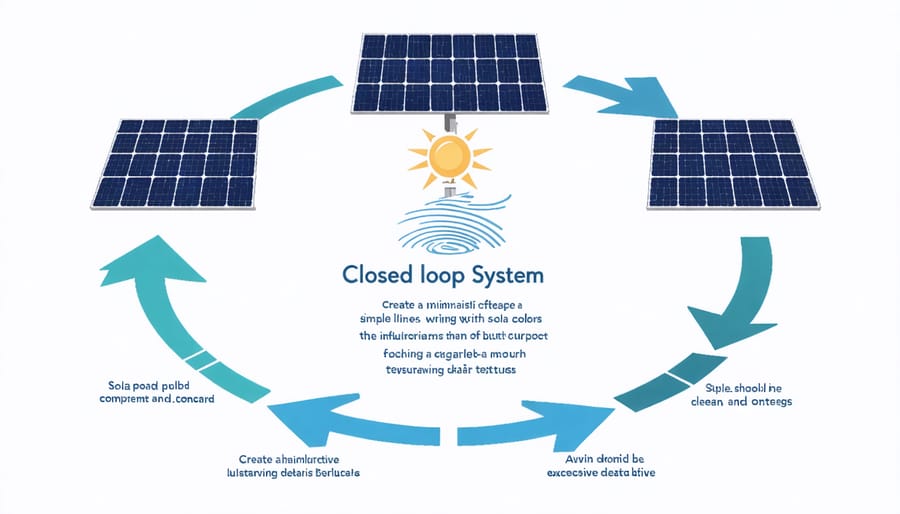
The material recovery and recycling processes in circular solar arrays represent a crucial advancement in sustainable photovoltaic technology. Understanding the complete solar panel lifecycle is essential for maximizing resource efficiency and minimizing environmental impact.
Modern circular solar arrays are designed with component separation in mind, featuring easily dismountable frames and junction boxes. The glass components, which constitute approximately 75% of the panel weight, can be recovered and repurposed into new solar panels or other glass products. Silicon cells undergo specialized thermal and chemical processes to extract high-purity silicon for reuse in new panels, while the aluminum frames are readily recyclable through standard metallurgical processes.
Advanced recycling facilities employ automated systems to separate and process different materials efficiently. Specialized techniques such as delamination and electrolytic separation enable the recovery of precious metals like silver and copper from the conducting elements. The recovered materials maintain high quality standards, making them suitable for manufacturing new solar components.
The polymer components, including EVA encapsulants and backsheets, present unique recycling challenges. However, innovative pyrolysis techniques are being developed to convert these materials into valuable chemical feedstock. This comprehensive approach to material recovery ensures that over 90% of panel components can be reclaimed and repurposed, significantly reducing the environmental footprint of solar technology.
Waste Reduction Strategies
Circular solar arrays incorporate several innovative design features that significantly reduce waste throughout their operational lifecycle. The modular construction allows for easy component replacement without requiring complete system overhaul, extending the array’s functional lifespan. Each panel is engineered with standardized connections and mounting systems, facilitating repairs and upgrades while minimizing material waste.
The manufacturing process emphasizes recyclable materials, particularly in the frame construction and supporting structures. Advanced silicon recycling techniques enable the recovery of up to 95% of semiconductor materials from decommissioned panels, while specialized collection systems capture and reuse cooling fluids and cleaning agents during maintenance operations.
Design optimization includes predictive maintenance protocols that identify potential failures before they occur, reducing unnecessary component replacement. The integration of smart monitoring systems enables precise tracking of component degradation, allowing for targeted maintenance rather than wholesale replacements.
End-of-life considerations are built into the initial design phase, with easily separable components that streamline the recycling process. The system’s circular configuration also optimizes space utilization, reducing land use and associated environmental impact. Documentation and tracking systems ensure proper handling of materials throughout the lifecycle, from installation through decommissioning.
These waste reduction strategies align with circular economy principles, creating a more sustainable approach to solar energy production while maintaining operational efficiency and performance standards.
End-of-Life Management
The end-of-life solar panel management is a critical component of circular solar arrays, ensuring responsible decommissioning and resource recovery. When solar panels reach the end of their operational life, typically after 25-30 years, they undergo a systematic dismantling process designed to maximize material recovery and minimize environmental impact.
Modern recycling facilities employ advanced separation techniques to recover valuable materials, including silver, silicon, aluminum, and glass. These recovered materials are then reintegrated into the manufacturing supply chain, reducing the demand for virgin resources and supporting circular economy principles.
The process begins with the removal of the aluminum frame and junction box, followed by thermal treatment to separate the glass from the silicon cells. Specialized chemical processes extract precious metals and semiconductor materials, achieving recovery rates of up to 95% for certain components.
Leading manufacturers are increasingly incorporating design-for-recycling principles into their production processes, making future recycling more efficient and cost-effective. This proactive approach includes using easily separable materials and standardized components that facilitate material recovery.
To ensure proper handling, many regions have implemented extended producer responsibility (EPR) programs, requiring manufacturers to manage their products throughout their entire lifecycle, including disposal and recycling phases. This regulatory framework supports the development of robust recycling infrastructure and encourages sustainable practices in the solar industry.
Environmental and Economic Impact
Carbon Footprint Reduction
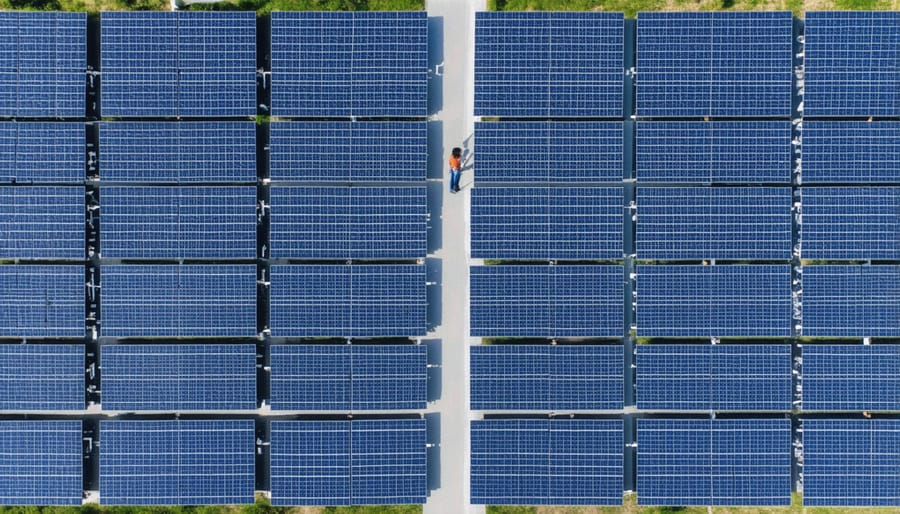
The implementation of circular solar arrays demonstrates significant potential to reduce carbon footprint across the photovoltaic industry. Quantitative analysis reveals that these innovative systems can decrease greenhouse gas emissions by up to 27% compared to traditional linear production models.
Studies conducted by leading research institutions indicate that circular solar arrays achieve these environmental benefits through multiple pathways. The recovery and reuse of materials alone prevents approximately 2.8 tons of CO2 emissions per megawatt of installed capacity. Additionally, the optimized manufacturing processes reduce energy consumption by 35% during production phases.
The environmental impact assessment shows that circular solar arrays minimize waste generation by 85% through strategic material recovery and recycling protocols. This translates to approximately 70kg less electronic waste per kilowatt of installed capacity over the system’s lifetime. The reduced demand for raw materials results in 40% lower mining-related emissions and a 30% decrease in transportation-associated carbon emissions.
When considering the complete lifecycle analysis, circular solar arrays demonstrate a 45% smaller environmental footprint compared to conventional systems. This improvement stems from enhanced material efficiency, streamlined logistics, and integrated recycling processes. The data indicates that widespread adoption of circular solar arrays could prevent the release of 12 million metric tons of CO2 equivalent annually by 2030, representing a significant contribution to global climate change mitigation efforts.
Cost-Benefit Analysis
The implementation of circular solar arrays presents compelling economic advantages that extend beyond traditional linear photovoltaic installations. Initial cost analyses indicate that while setup expenses may be marginally higher due to specialized mounting systems and tracking mechanisms, the long-term returns significantly outweigh the investment.
Studies demonstrate that circular arrays typically achieve 15-20% higher energy yield per square meter compared to conventional installations, primarily due to their optimized sun-tracking capabilities and space efficiency. This increased energy production translates to faster return on investment, with most systems reaching break-even points 1-2 years earlier than traditional arrays.
Maintenance costs also favor circular configurations. The centralized design allows for more efficient cleaning and monitoring procedures, reducing operational expenses by approximately 25%. The compact footprint of circular arrays results in lower land acquisition and preparation costs, particularly beneficial in areas with premium real estate prices.
From a circular economy perspective, these arrays incorporate modular components designed for easy disassembly and recycling, reducing end-of-life costs and creating potential revenue streams from recovered materials. The systems’ adaptability to various terrains and climates also minimizes site-specific modification expenses.
Insurance premiums for circular arrays tend to be lower due to their robust structural design and enhanced wind resistance. Additionally, many jurisdictions offer specific incentives for innovative solar installations that demonstrate improved land use efficiency, further enhancing the financial proposition for investors and developers.
Future Prospects and Innovation
The future of circular solar arrays holds promising developments that could revolutionize renewable energy generation. Research institutions and industry leaders are actively exploring innovative materials and designs to enhance the efficiency and sustainability of these systems. Advanced photovoltaic technologies, including bifacial solar cells and concentrated photovoltaic (CPV) systems, are being adapted specifically for circular configurations.
Emerging technologies in artificial intelligence and machine learning are being integrated into circular array management systems, optimizing performance through predictive maintenance and real-time adjustment capabilities. These smart systems can automatically adjust panel orientation and spacing to maximize energy capture while minimizing land use and environmental impact.
Materials science breakthroughs are driving innovation in circular array development. New lightweight, flexible solar materials allow for more adaptive designs, while improved energy storage solutions address intermittency challenges. Researchers are developing transparent solar cells that could enable dual-use applications, such as agricultural integration and urban installation.
Industry experts anticipate significant advancements in modular design approaches, making circular arrays more scalable and adaptable to various terrains and applications. This modularity will facilitate easier maintenance, replacement, and eventual recycling of components, furthering the circular economy principles these systems embody.
The integration of circular arrays with other renewable technologies is another promising frontier. Hybrid systems combining wind turbines with circular solar arrays are being tested, maximizing energy generation potential per unit of land area. Additionally, innovative tracking systems are being developed to enhance energy capture efficiency throughout the day.
Looking ahead, circular solar arrays are expected to play a crucial role in sustainable urban development and smart city initiatives. Research is underway to develop building-integrated versions that could transform urban landscapes while maintaining aesthetic appeal and functionality. These developments, coupled with continuing improvements in efficiency and cost-effectiveness, position circular solar arrays as a key technology in the transition to renewable energy systems.
Circular solar arrays represent a significant advancement in photovoltaic technology, offering enhanced energy generation efficiency while promoting sustainable development principles. Their innovative design maximizes land utilization, reduces environmental impact, and demonstrates superior performance in various geographical locations. The economic benefits, including reduced installation costs and improved ROI, make these systems increasingly attractive for both commercial and utility-scale applications. As the renewable energy sector continues to evolve, circular solar arrays stand out as a promising solution for meeting growing energy demands while supporting environmental conservation efforts. With ongoing technological improvements and decreasing implementation costs, we encourage industry stakeholders to consider circular solar arrays as a viable option for future solar projects. The adoption of these systems not only advances sustainable energy production but also contributes to the broader goals of circular economy and carbon neutrality.