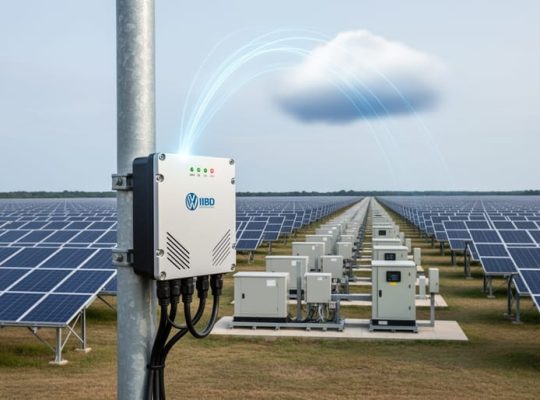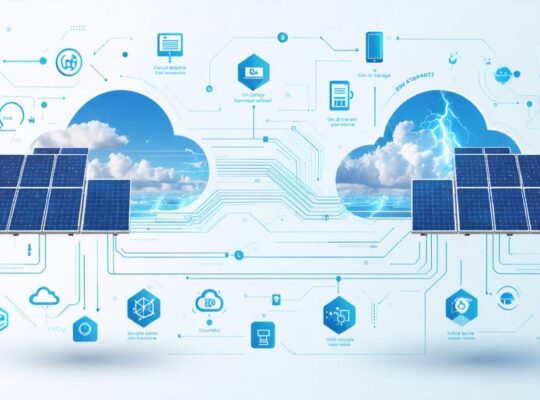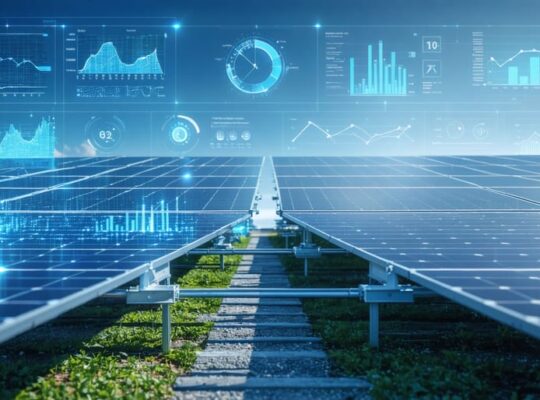
Artificial Intelligence is revolutionizing solar PV monitoring systems, transforming how we detect, analyze, and optimize photovoltaic performance in real-time. By leveraging advanced machine learning algorithms and predictive analytics, AI monitoring systems are enabling unprecedented levels of efficiency and reliability in solar installations worldwide. These intelligent systems continuously process vast amounts of data from multiple sensors, weather forecasts, and historical performance metrics to provide actionable insights that were previously impossible to obtain through traditional monitoring methods.
The integration of AI in solar monitoring represents a significant leap forward in renewable energy management, offering automated fault detection, performance optimization, and predictive maintenance capabilities that reduce operational costs while maximizing energy yield. For photovoltaic professionals and facility managers, these systems serve as powerful tools that eliminate the need for manual inspection routines and enable proactive maintenance strategies.
As solar installations continue to grow in scale and complexity, AI monitoring systems have become indispensable for ensuring optimal performance and return on investment. These sophisticated platforms not only enhance operational efficiency but also provide valuable data-driven insights for future system designs and improvements, making them essential components of modern solar energy infrastructure.
How AI Transforms Solar PV Monitoring
Real-time Performance Analysis
AI monitoring systems employ sophisticated algorithms to process and interpret live data streams from solar installations, enabling real-time analytics in solar monitoring with unprecedented accuracy. These systems continuously analyze multiple parameters, including power output, voltage levels, temperature variations, and environmental conditions, to assess system performance and identify potential issues before they escalate.
The AI algorithms utilize machine learning models trained on historical performance data to establish baseline operational parameters. By comparing real-time measurements against these benchmarks, the system can detect subtle deviations that might indicate emerging problems or efficiency losses. This predictive capability allows for proactive maintenance interventions rather than reactive repairs.
Advanced neural networks within the monitoring system can correlate multiple data points simultaneously, recognizing complex patterns that might escape traditional monitoring methods. For instance, the AI can distinguish between temporary environmental impacts, such as cloud cover, and genuine system inefficiencies, ensuring accurate performance assessment and minimizing false alarms.
The system also adapts its analytical parameters based on seasonal variations and historical performance patterns, continuously refining its predictive capabilities to maintain optimal system efficiency.

Predictive Maintenance Capabilities
AI-powered predictive maintenance represents a significant advancement in solar PV system management, enabling operators to anticipate and address potential issues before they escalate into costly failures. By analyzing real-time data from various sensors and system components, AI algorithms can detect subtle performance anomalies and deterioration patterns that might escape human observation.
The system continuously monitors key parameters such as voltage levels, current flow, temperature variations, and weather conditions. Through machine learning algorithms, it establishes baseline performance metrics and identifies deviations that could indicate impending component failures. This proactive approach allows maintenance teams to schedule interventions during optimal periods, minimizing system downtime and maximizing energy production.
Advanced AI models can predict component life expectancy with remarkable accuracy, factoring in environmental conditions, operational stress, and historical performance data. This capability enables operators to optimize maintenance schedules, reduce unnecessary interventions, and extend equipment lifespan through targeted preventive measures. The result is enhanced system reliability, reduced operational costs, and improved return on investment for solar PV installations.
Core Components of AI Monitoring Systems
Sensor Networks and Data Collection
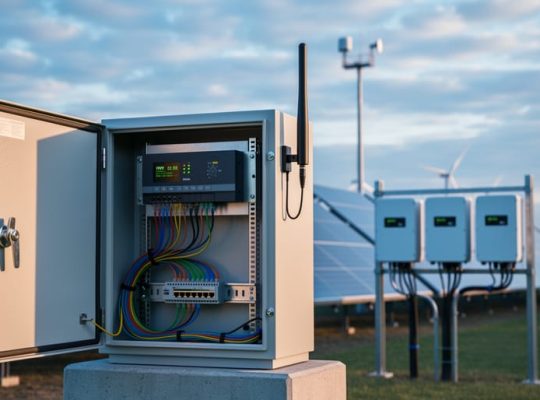
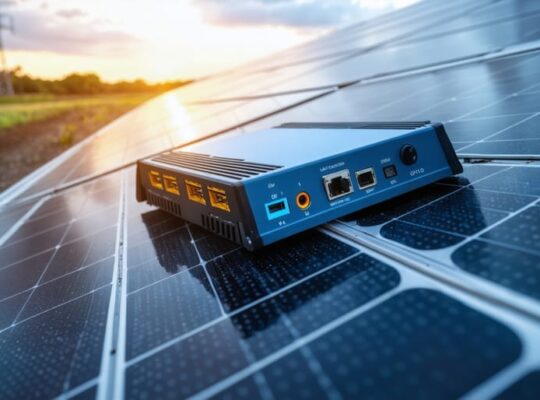
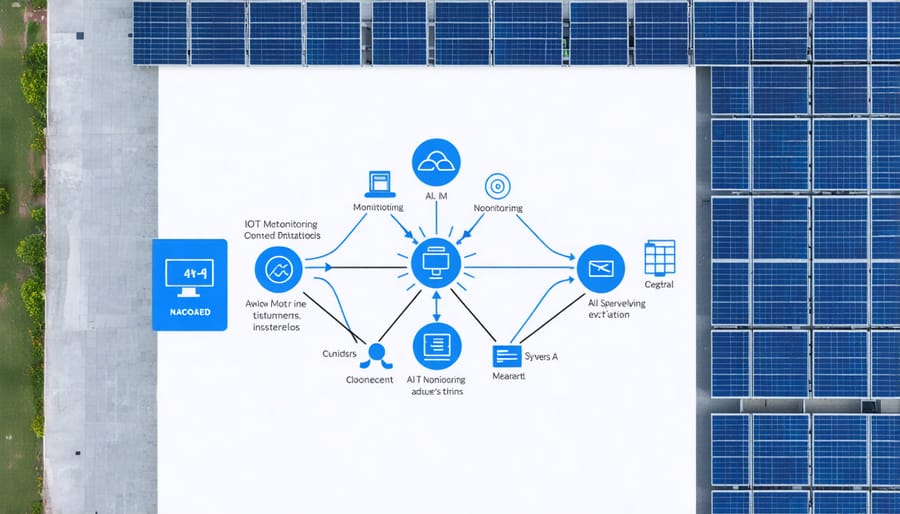
Modern AI monitoring systems rely on sophisticated IoT sensor networks that form the foundation of effective data collection and analysis. These networks integrate various sensor types, including irradiance meters, temperature sensors, voltage monitors, and current transformers, strategically positioned throughout the solar PV installation.
Each sensor type serves a specific purpose in data gathering: pyranometers measure solar radiation levels, thermal sensors monitor component temperatures, and electrical sensors track power output parameters. Advanced weather stations complement these measurements by providing comprehensive environmental data, including wind speed, humidity, and ambient temperature.
The data acquisition system (DAS) orchestrates this sensor network, collecting readings at predetermined intervals – typically ranging from seconds to minutes. This granular data collection enables real-time monitoring and swift response to performance variations. Modern DAS implementations utilize robust communication protocols, ensuring reliable data transmission even in challenging environmental conditions.
Data preprocessing occurs at the edge level, where smart sensors filter and compress information before transmission to central servers. This approach optimizes bandwidth usage and ensures data quality. The system employs redundancy measures and automated validation checks to maintain data integrity, crucial for accurate AI analysis and decision-making processes.
High-precision calibration and regular maintenance of these sensor networks ensure measurement accuracy within industry-standard tolerances, typically ±0.5% for critical parameters. This precision is essential for the AI algorithms to make reliable performance assessments and predictions.
Machine Learning Algorithms
The AI monitoring system employs several sophisticated machine learning algorithms to optimize solar PV performance and maintenance. Supervised learning algorithms, particularly Random Forest and Support Vector Machines (SVM), analyze historical performance data to predict potential system failures and identify maintenance requirements. These algorithms learn from labeled datasets containing normal operating conditions and various fault scenarios.
Deep Neural Networks (DNNs) process complex visual data from thermal imaging and drone inspections, enabling the detection of micro-cracks, hotspots, and other physical defects in solar panels. Convolutional Neural Networks (CNNs) specifically excel at pattern recognition in panel imagery, achieving detection accuracy rates exceeding 95% in most conditions.
For real-time performance optimization, Reinforcement Learning algorithms continuously adjust system parameters based on environmental conditions and energy demand patterns. These algorithms optimize inverter settings and panel positioning to maximize energy yield while minimizing component stress.
Anomaly detection algorithms, including Isolation Forest and One-Class SVM, monitor system metrics to identify unusual behavior patterns that might indicate emerging issues. These unsupervised learning techniques are particularly effective at detecting novel failure modes not present in training data.
The system also incorporates ensemble methods, combining multiple algorithms to improve overall prediction accuracy and reliability. This approach ensures robust performance across varying environmental conditions and operational scenarios, while reducing false positives in fault detection.
Practical Benefits for PV System Operators
Enhanced Energy Yield Optimization
AI-driven monitoring systems significantly enhance energy yield optimization in solar PV installations through sophisticated data analysis and predictive capabilities. These systems continuously analyze performance metrics, weather patterns, and equipment status to maximize energy production while minimizing losses.
By leveraging machine learning algorithms, the system identifies optimal operating parameters for different environmental conditions. It processes real-time data from multiple sources, including irradiance sensors, temperature monitors, and power output measurements, to make instantaneous adjustments that improve overall system efficiency.
The AI monitoring system excels in predictive maintenance by detecting potential issues before they impact performance. It analyzes historical data patterns to identify subtle changes in equipment behavior that might indicate developing problems. This proactive approach helps maintain peak system efficiency and prevents unexpected downtime.
Weather pattern analysis is another crucial optimization feature. The system uses advanced forecasting models to predict solar resource availability and adjusts system settings accordingly. This capability enables better power generation planning and helps operators maximize energy harvest during optimal conditions.
Performance optimization extends to inverter efficiency as well. The AI system continuously monitors and adjusts inverter parameters to maintain optimal power conversion rates across varying conditions. It also identifies and mitigates factors that could reduce conversion efficiency, such as partial shading or module soiling.
String-level monitoring enables precise performance tracking across the installation. The system compares actual versus expected output for each string, identifying underperforming sections and suggesting specific corrective actions. This granular approach ensures that every component operates at its maximum potential, contributing to improved overall system yield.
Through these comprehensive optimization strategies, AI monitoring systems typically achieve energy yield improvements of 3-5% compared to traditional monitoring solutions, while simultaneously reducing operational costs and extending equipment lifespan.
Cost Reduction Through Smart Management
AI monitoring systems significantly reduce operational costs through intelligent management of solar PV installations. By implementing predictive maintenance strategies and automated performance optimization, organizations can maximize solar ROI while minimizing resource expenditure.
The financial benefits are substantial, with studies showing that AI-powered monitoring can reduce maintenance costs by up to 30% compared to traditional methods. This reduction stems from several key factors: early detection of potential issues, elimination of unnecessary site visits, and optimization of maintenance schedules based on real-time performance data.
Labor costs see significant reduction through automated fault detection and diagnosis. Instead of conducting routine physical inspections, technicians can focus on addressing specific issues identified by the AI system. This targeted approach not only saves time but also reduces the risk of overlooking critical problems that could lead to costly failures.
Energy yield optimization through AI monitoring directly impacts revenue generation. By continuously analyzing performance data and environmental conditions, these systems can adjust operating parameters in real-time, ensuring optimal power output under varying conditions. This optimization typically results in a 3-5% increase in annual energy yield.
The system’s predictive capabilities also contribute to reduced equipment replacement costs. By identifying potential component failures before they occur, organizations can schedule maintenance during planned downtimes and avoid emergency repair scenarios, which often come with premium service charges and extended production losses.
Insurance costs may also decrease, as many providers offer better rates for installations equipped with advanced monitoring systems, recognizing their role in risk mitigation and asset protection.
Implementation Considerations
System Integration Requirements
Effective AI monitoring systems for solar PV installations require careful consideration of integration requirements to ensure seamless operation with existing infrastructure. The system must be compatible with industry-standard communication protocols, including Modbus TCP/IP, SCADA systems, and standard API interfaces commonly used in solar monitoring equipment.
The monitoring solution should support integration with various data sources, including string inverters, weather stations, energy meters, and grid connection points. A robust database management system is essential for handling large volumes of sensor data, typically requiring SQL or NoSQL databases with high-performance capabilities.
Network infrastructure requirements include reliable internet connectivity with minimum latency, preferably through ethernet or cellular connections with fallback options. The system should maintain secure encrypted connections and comply with cybersecurity standards to protect sensitive operational data.
Hardware compatibility extends to various sensor types and data acquisition devices, with support for both analog and digital inputs. The AI processing unit must have sufficient computational power, typically requiring dedicated servers or cloud computing resources with GPU acceleration for real-time analysis.
Software requirements include compatibility with common operating systems, support for containerization technologies, and the ability to interface with existing plant management software. The system should also provide standardized data export capabilities for integration with enterprise resource planning (ERP) systems and asset management platforms.
Training and Support Needs
Implementing an AI monitoring system requires comprehensive training programs and ongoing support to ensure optimal operation and maximum benefit for solar PV installations. Personnel must be trained in both system operation and data interpretation, with particular emphasis on understanding AI-generated insights and troubleshooting procedures.
Initial training typically involves a structured curriculum covering basic system architecture, dashboard navigation, alert management, and response protocols. Technical staff require additional training in system maintenance, sensor calibration, and integration with existing SCADA systems. Management personnel need focused instruction on utilizing AI-generated reports for strategic decision-making and performance optimization.
Ongoing support requirements include regular system updates, technical assistance, and access to expert consultation. Organizations should establish a tiered support structure, beginning with in-house technical teams for routine issues and escalating to vendor support for complex challenges. Regular refresher training sessions help staff stay current with system improvements and new features.
Knowledge transfer is crucial for long-term success. Organizations should document standard operating procedures, create troubleshooting guides, and maintain a knowledge base of common issues and solutions. This documentation supports continuous learning and ensures consistent system operation across different shifts and personnel changes.
Successful implementation also requires clear communication channels between operations teams, maintenance staff, and AI system vendors. Regular performance reviews and feedback sessions help identify training gaps and support needs, enabling continuous improvement of the monitoring system’s effectiveness.
As we look to the future of solar PV installations, AI monitoring systems represent a critical advancement in maximizing energy production and operational efficiency. These intelligent systems have proven instrumental in transforming how we manage and maintain solar facilities, offering unprecedented levels of automation, accuracy, and predictive capabilities.
The integration of AI monitoring continues to evolve, with emerging technologies promising even more sophisticated analysis and decision-making capabilities. Machine learning algorithms are becoming increasingly refined, enabling more accurate predictions of system performance and potential issues. This evolution suggests a future where solar PV installations will operate with minimal human intervention while maintaining optimal performance levels.
The economic and environmental benefits of AI monitoring systems are clear, from reduced maintenance costs to improved energy yields. As these systems become more accessible and cost-effective, their adoption across the solar industry is expected to accelerate, particularly among medium and small-scale installations.
Looking ahead, we can anticipate further innovations in AI monitoring technology, including enhanced integration with smart grid systems, improved real-time analytics, and more sophisticated predictive maintenance capabilities. The continued development of these systems will play a vital role in advancing the renewable energy sector and supporting the global transition to sustainable power generation.
For solar PV stakeholders, investing in AI monitoring systems is no longer just an option but a strategic necessity for maintaining competitive advantage and ensuring long-term operational success.