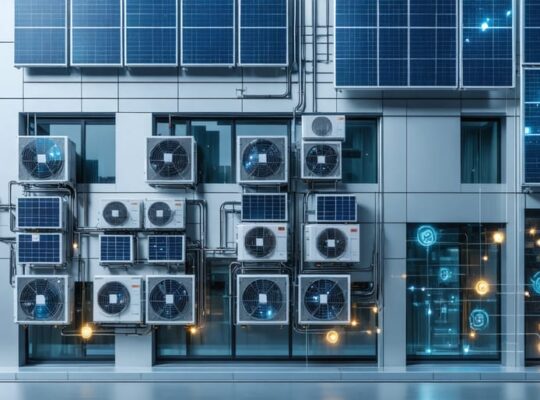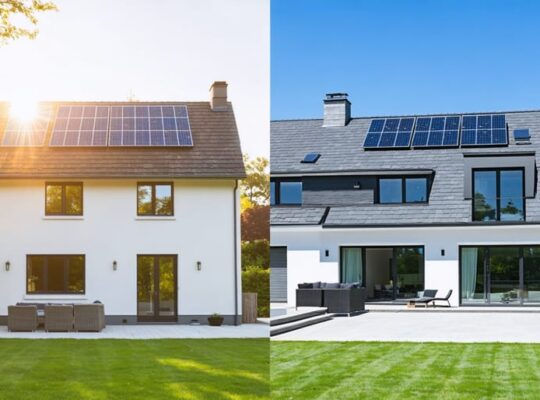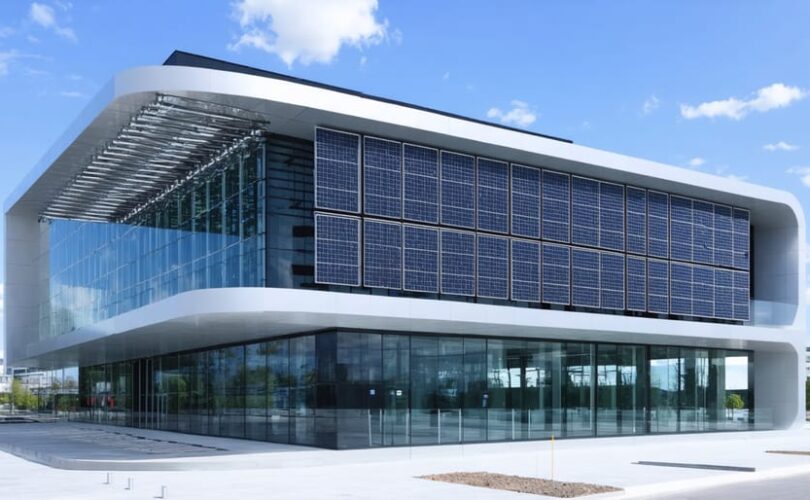
Building-integrated photovoltaic (BIPV) technology revolutionizes modern architecture by transforming standard building materials into energy-generating assets. As building-integrated photovoltaic systems reshape the construction landscape, they represent a crucial advancement in sustainable building design, seamlessly merging renewable energy generation with architectural functionality.
These innovative solar solutions replace conventional building elements—including roofing materials, facades, and windows—with photovoltaic components that generate clean electricity while maintaining structural integrity and aesthetic appeal. By incorporating solar technology directly into building materials, BIPV systems eliminate the need for separate mounting systems and reduce overall construction costs while maximizing energy efficiency.
The global shift toward net-zero buildings and sustainable architecture has positioned BIPV technology at the forefront of modern construction practices. As municipalities worldwide implement stricter energy efficiency requirements and environmental regulations, these integrated solar solutions offer architects, developers, and property owners a sophisticated approach to meeting sustainability goals while enhancing building performance and value.
Understanding Building-Integrated PV Panels
Core Components of BIPV Lighting Systems
Building Integrated Photovoltaic (BIPV) lighting systems comprise several essential components that work in harmony to convert solar energy into usable light. At the core are photovoltaic cells, typically made from crystalline silicon or thin-film materials, which capture sunlight and convert it into electrical energy through the photovoltaic effect.
The system relies on power conditioning units, primarily inverters, which transform the direct current (DC) generated by PV cells into alternating current (AC) suitable for lighting applications. These inverters often include Maximum Power Point Tracking (MPPT) technology to optimize energy harvest under varying environmental conditions.
The lighting fixture assembly consists of LED arrays, which offer high efficiency and longevity, coupled with specialized optical systems for optimal light distribution. Control systems integrate sensors and smart technology to regulate illumination based on occupancy, daylight availability, and user preferences.
Energy storage solutions, such as lithium-ion batteries, enable continuous operation during low-light periods or nighttime. The entire system is connected through a network of cables and junction boxes, with monitoring equipment providing real-time performance data and system diagnostics.
Types of BIPV Lighting Solutions
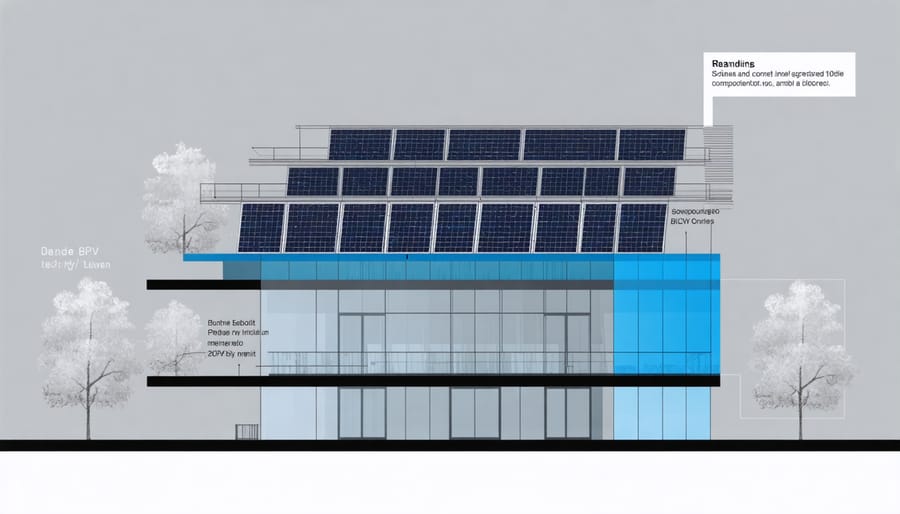
BIPV lighting solutions encompass various configurations designed to integrate photovoltaic technology seamlessly into building structures while providing illumination. The most common applications include window-integrated PV solutions, which combine natural daylighting with power generation through semi-transparent solar cells.
Skylight-integrated systems represent another significant category, utilizing specialized photovoltaic panels that allow controlled light transmission while generating electricity. These installations are particularly effective in atria and large commercial spaces, optimizing both natural and artificial lighting requirements.
Facade-integrated lighting solutions incorporate PV cells into vertical building surfaces, often combining them with LED systems for enhanced energy efficiency. These systems can be designed with varying opacity levels to balance power generation with desired lighting conditions.
Solar canopies and awnings represent a dual-purpose application, providing shade while powering integrated lighting systems. These installations are particularly valuable in outdoor spaces and transitional areas between interior and exterior environments.
Light tubes and solar tunnels with integrated PV technology offer innovative solutions for bringing natural light to interior spaces while generating power for supplementary artificial lighting needs.
Design Considerations and Installation
Architectural Integration Strategies
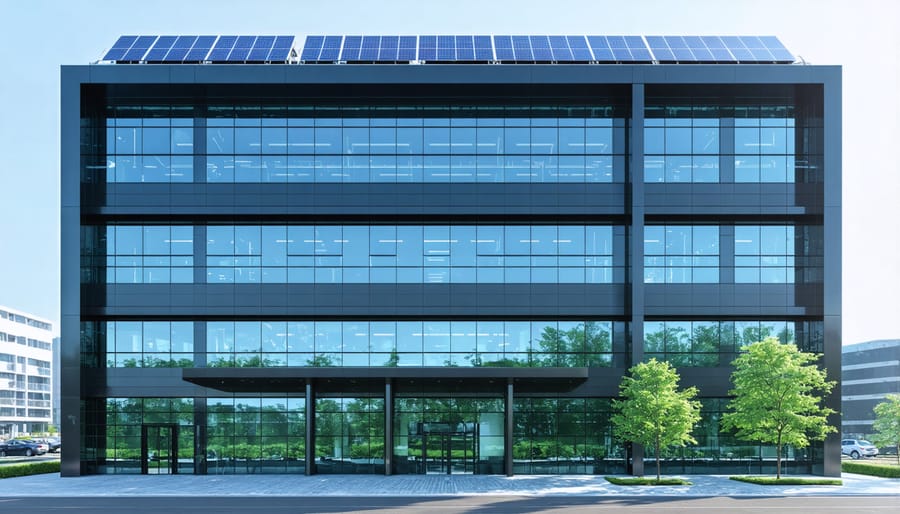
Successful architectural integration of BIPV panels requires careful consideration of both aesthetic and functional aspects during the building’s design phase. Architects and engineers employ several proven strategies to achieve seamless incorporation while maintaining optimal energy generation capabilities.
The most common integration approach involves using BIPV as building envelope components, replacing traditional materials in facades, roofs, and skylights. Custom-sized panels can be engineered to match existing architectural elements, ensuring visual continuity. Color-matching and surface texturing technologies allow BIPV panels to mimic conventional building materials like slate, terra cotta, or metal cladding.
Cold facades represent another effective integration method, where BIPV panels are mounted on a ventilated curtain wall system. This approach offers excellent thermal management while maintaining a modern aesthetic. Warm facades, alternatively, integrate PV cells directly into insulated glass units, combining energy generation with thermal insulation.
For roof integration, architects often utilize specialized mounting systems that maintain watertight integrity while allowing panels to sit flush with the roofline. Semi-transparent BIPV solutions are particularly effective for atria and skylights, balancing natural daylighting with power generation.
Advanced design software enables architects to optimize panel placement for maximum energy yield while considering aesthetic impact. This technology allows for precise modeling of shadow patterns and energy production throughout the year, ensuring both form and function are properly balanced in the final design.
Performance Optimization Techniques
To maximize the performance of building integrated photovoltaic (BIPV) panels, several key optimization techniques must be implemented during design and installation phases. Optimizing panel efficiency begins with proper orientation and tilt angles, typically between 30-40 degrees in most geographical locations, to maximize solar exposure throughout the day.
Temperature management plays a crucial role in BIPV performance. Implementing effective ventilation systems behind panels helps maintain optimal operating temperatures, as excessive heat can reduce efficiency by 0.4-0.5% per degree Celsius above standard testing conditions. Advanced thermal management solutions, such as phase change materials and active cooling systems, can further enhance performance.
Regular maintenance and cleaning protocols are essential for sustaining peak efficiency. Automated cleaning systems and anti-soiling coatings can help maintain optimal light transmission while reducing manual maintenance requirements. Smart monitoring systems equipped with real-time performance analytics enable quick identification and resolution of efficiency issues.
The integration of micro-inverters or power optimizers at the panel level helps minimize the impact of partial shading and ensures each panel operates at its maximum power point. Additionally, implementing advanced light-redirecting technologies, such as prismatic glass and reflective surfaces, can enhance both energy generation and natural daylighting capabilities, creating a more efficient building envelope system.
Benefits and Applications
Energy Efficiency and Cost Savings
Building integrated PV panels offer substantial financial advantages through reduced energy costs and enhanced building efficiency. Studies show that BIPV systems can decrease annual energy consumption by 30-60% compared to conventional buildings, depending on the installation scale and geographical location. The initial investment, while higher than traditional construction materials, typically achieves payback within 5-10 years through energy savings and potential government incentives.
When combined with advanced energy storage solutions, BIPV systems can optimize energy usage patterns, reducing peak demand charges and maximizing self-consumption rates. The integration of smart monitoring systems enables real-time performance tracking and automated energy management, further enhancing cost-effectiveness.
Beyond direct energy savings, BIPV panels contribute to building value appreciation, with studies indicating a 3-7% increase in property values. Additionally, these systems reduce HVAC loads by providing thermal insulation and solar shading, resulting in secondary energy savings of 5-15%. The dual functionality of BIPV as both building material and power generator eliminates costs associated with traditional cladding or roofing materials, effectively offsetting installation expenses.
Maintenance costs remain minimal, with most systems requiring only routine cleaning and periodic inspections. Modern BIPV panels demonstrate exceptional durability, often matching or exceeding the lifespan of conventional building materials while maintaining consistent energy production capabilities.
Sustainable Building Certification
Building integrated photovoltaic (BIPV) systems play a crucial role in achieving green building certifications and meeting environmental compliance standards. These systems contribute significantly to Leadership in Energy and Environmental Design (LEED) certification, offering points across multiple categories including Energy and Atmosphere, Innovation in Design, and Sustainable Sites.
Under LEED v4, BIPV installations can contribute up to 7 points in the Energy and Atmosphere category through renewable energy production. The systems also support compliance with other major certification frameworks such as BREEAM (Building Research Establishment Environmental Assessment Method) and Green Star, particularly in categories related to energy efficiency and carbon reduction.
BIPV systems help buildings meet increasingly stringent environmental regulations, including local building codes and national energy standards. In regions with net-zero energy requirements, these systems are often essential for compliance. For instance, California’s Title 24 Building Energy Efficiency Standards specifically recognizes BIPV as a pathway to meet renewable energy requirements for new construction.
Moreover, BIPV installations support Environmental Product Declarations (EPDs) and contribute to whole-building life cycle assessments. They demonstrate commitment to sustainable construction practices and often help projects qualify for additional environmental certifications such as Living Building Challenge and Passive House standards. The integration of BIPV also supports corporate Environmental, Social, and Governance (ESG) goals, increasingly important for commercial building owners and investors.
Future Developments and Innovations
Next-Generation Materials
Research in next-generation photovoltaic materials is revolutionizing the BIPV industry, introducing innovative solutions that combine enhanced efficiency with architectural versatility. Perovskite solar cells have emerged as a promising advancement, offering exceptional light absorption properties and the potential for higher conversion efficiencies at lower production costs. These materials can be manufactured as semi-transparent panels, making them ideal for window integration.
Organic photovoltaic materials (OPVs) represent another breakthrough, featuring flexible and lightweight properties that enable integration into curved surfaces and non-traditional building elements. Their ability to be produced in various colors and transparency levels provides architects with greater design freedom while maintaining energy generation capabilities.
Quantum dot solar cells are advancing rapidly, promising improved performance in low-light conditions and the ability to capture a broader spectrum of solar energy. These materials can be tuned to specific wavelengths, potentially allowing for customized solutions based on building location and climate conditions.
Researchers are also developing hybrid materials that combine different technologies to maximize efficiency and aesthetic appeal, including tandem cells that layer multiple photovoltaic materials to capture different parts of the solar spectrum more effectively.
Smart Integration Technologies
Building integrated PV panels are increasingly incorporating smart technologies to enhance their performance and functionality within modern buildings. Internet of Things (IoT) sensors and controllers enable real-time monitoring of power generation, consumption patterns, and system health. These smart systems can automatically adjust panel orientation for optimal solar exposure and regulate power distribution based on building demand.
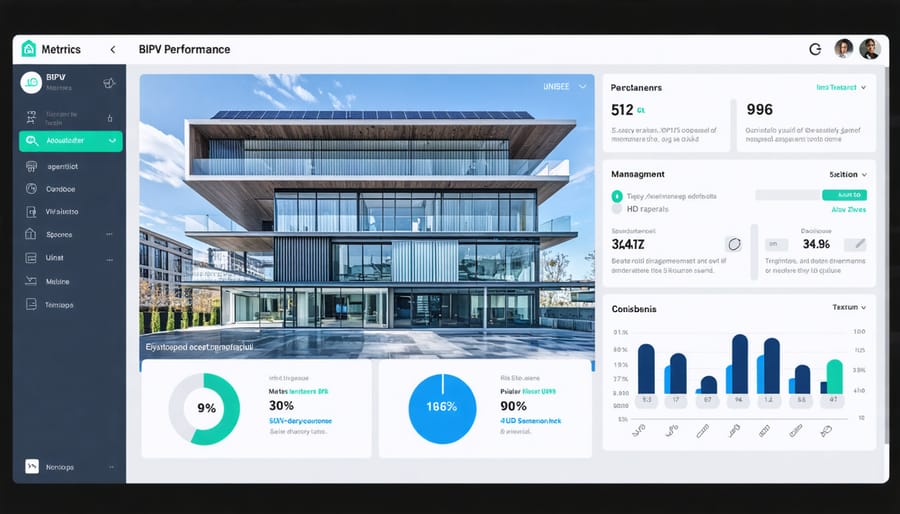
Advanced monitoring platforms provide facility managers with detailed analytics and predictive maintenance alerts, helping prevent system failures and optimize energy yields. Integration with building management systems (BMS) allows BIPV installations to work seamlessly with other building systems, including HVAC, lighting, and energy storage solutions.
Smart inverters enable bi-directional communication between BIPV systems and the power grid, facilitating demand response programs and grid stability. Machine learning algorithms analyze historical performance data to predict energy generation and optimize system operations based on weather forecasts and building usage patterns.
Mobile applications give building occupants real-time visibility into energy production and consumption, promoting energy-conscious behavior and system transparency. These smart features contribute to improved system efficiency, reduced maintenance costs, and enhanced building performance.
Building integrated photovoltaic (BIPV) lighting solutions represent a significant advancement in sustainable building technology, combining energy generation with functional lighting design. Throughout this exploration, we’ve seen how BIPV systems offer multiple benefits, from reduced energy costs to enhanced architectural aesthetics, while contributing to environmental sustainability goals.
The future outlook for BIPV lighting solutions appears particularly promising, with technological innovations driving improved efficiency and reduced manufacturing costs. Advanced materials research, including the development of more transparent and efficient photovoltaic cells, continues to expand the possibilities for seamless integration into building designs. Market projections indicate substantial growth in the BIPV sector over the next decade, supported by increasingly stringent building energy codes and growing environmental awareness.
Key developments on the horizon include smart BIPV systems that optimize energy generation and consumption through artificial intelligence, improved energy storage solutions, and enhanced durability of materials. The integration of Internet of Things (IoT) technology is expected to further revolutionize how these systems operate and interact with other building components.
For industry professionals and stakeholders, staying informed about these developments while understanding current best practices remains crucial. As BIPV technology continues to evolve, collaboration between architects, engineers, and manufacturers will become increasingly important in creating innovative, efficient, and aesthetically pleasing lighting solutions that meet both environmental and functional requirements.