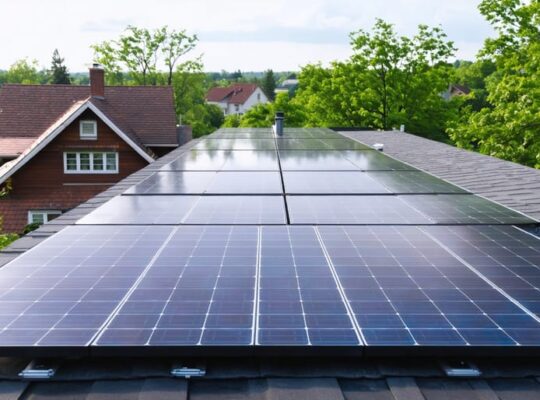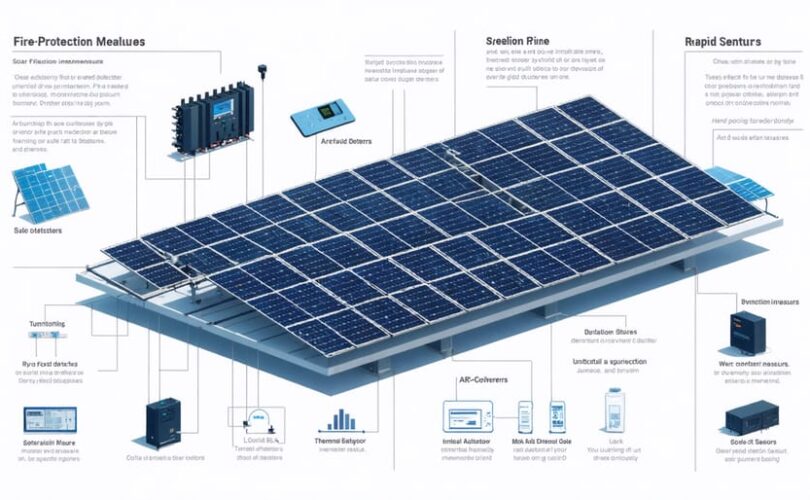
Conduct comprehensive fire risk assessments in photovoltaic installations to safeguard life, property, and system performance. Professional evaluation of potential fire hazards, combined with implementation of robust fire protection strategies, forms the cornerstone of PV system safety compliance. National electrical codes and international safety standards mandate regular assessment of combustible materials, electrical connection integrity, and emergency response protocols. These evaluations identify critical vulnerabilities in system design, installation quality, and maintenance procedures while establishing clear mitigation pathways.
Modern PV installations require specialized risk analysis focusing on arc-fault detection, ground-fault protection, and thermal monitoring systems. Industry data demonstrates that proactive risk assessments reduce fire-related incidents by up to 75% when combined with proper documentation and staff training. System owners and operators must prioritize these assessments as essential components of their overall safety management strategy, ensuring both regulatory compliance and operational excellence.
The systematic evaluation of fire risks encompasses equipment placement, wiring methods, and environmental factors that could compromise system safety. Regular assessments create a documented safety framework that protects investments and maintains optimal system performance throughout the installation’s lifecycle.
Key Components of a PV System Fire Risk Assessment
System Component Analysis
A thorough system component analysis forms a crucial part of any PV system fire risk assessment. Each major component must be evaluated individually for potential fire hazards and failure points. The DC conductors and connectors require particular attention, as these components can deteriorate over time and potentially create arc faults. Similarly, inverters should be assessed for proper installation, ventilation, and signs of thermal stress.
Junction boxes and combiner boxes need inspection for water intrusion, loose connections, and heat damage indicators. Module conditions, including hot spots, delamination, or physical damage, must be documented as these issues can escalate into significant fire risks. The mounting system should be examined for proper grounding and structural integrity, as compromised mounting can lead to electrical faults.
String configuration and voltage levels must be verified against manufacturer specifications to prevent system overload. Monitoring systems and safety devices, including rapid shutdown equipment, should be tested for proper functionality. Additionally, the condition of surge protection devices and circuit breakers requires verification to ensure they can effectively interrupt fault currents when necessary.
Installation Environment Assessment
The installation environment plays a crucial role in determining potential fire risks associated with photovoltaic systems. A thorough assessment begins with evaluating the building’s structural components, including roof material composition, load-bearing capacity, and existing electrical infrastructure. Inspectors must examine the surrounding area for natural hazards such as overhanging vegetation, debris accumulation zones, and exposure to extreme weather conditions.
Key environmental factors to consider include ambient temperature variations, wind patterns, and precipitation levels that could affect system performance and safety. The assessment should document the presence of nearby structures, their height and proximity, as well as any features that might impede emergency response access.
Building material flammability ratings, fire resistance levels, and the condition of existing fire barriers require careful evaluation. The location of existing fire suppression systems, emergency exits, and ventilation systems must be mapped to ensure integration with the PV installation won’t compromise their effectiveness.
Special attention should be given to identifying potential water accumulation areas, checking roof drainage systems, and assessing the building’s lightning protection measures. These environmental factors directly influence both the initial system design and ongoing maintenance requirements for fire safety compliance.
Conducting the Assessment Process
Documentation Review
A thorough review of system documentation forms a critical component of any fire risk assessment for photovoltaic installations. This process involves examining detailed system specifications, including electrical schematics, component datasheets, and installation certificates. Special attention should be given to reviewing compliance documentation that confirms adherence to relevant safety standards and building codes.
Key documents to examine include manufacturer warranties, maintenance records, and previous inspection reports. These materials provide valuable insights into the system’s historical performance and any past issues that might indicate potential fire risks. Installation certificates should verify that qualified professionals performed the initial setup according to industry standards.
System specifications should be cross-referenced with current safety requirements to ensure all components meet updated fire safety regulations. This includes reviewing documentation for surge protection devices, circuit breakers, and emergency shutdown mechanisms. Documentation should also include verification of proper grounding methods and conductor sizing.
For older installations, it’s essential to verify that any modifications or upgrades have been properly documented and certified. This documentation trail helps identify potential compatibility issues or unauthorized alterations that could compromise system safety.
Physical Inspection Protocol
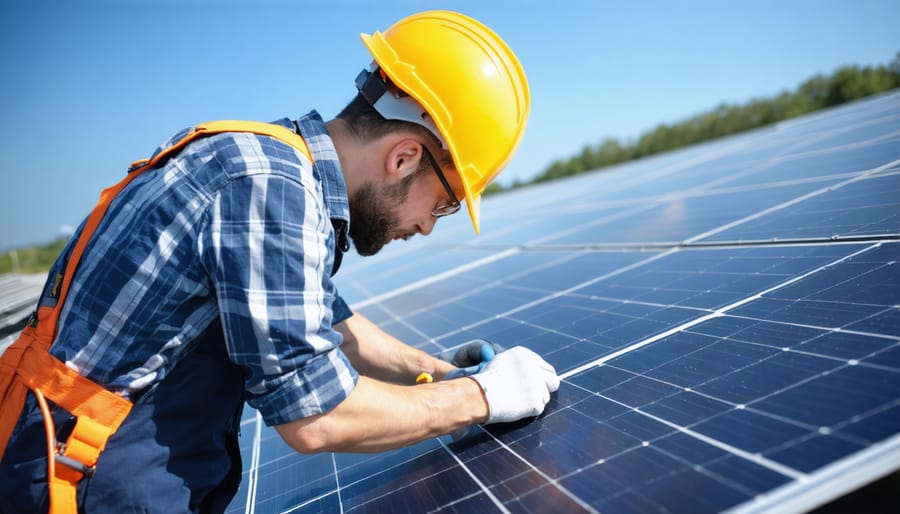
The physical inspection phase requires a systematic evaluation of all PV system components and their surrounding environment. Inspectors should follow established fire safety protocols while examining mounting structures, electrical connections, and wiring systems. Begin with a visual assessment of panel conditions, checking for damage, degradation, or signs of thermal stress. Pay particular attention to junction boxes, connectors, and cable management systems, as these are common points of failure.
Document the condition of DC isolators, inverters, and other electrical equipment, noting any signs of overheating or deterioration. Verify proper clearances between components and combustible materials, ensuring adequate ventilation around heat-generating equipment. Inspect rooftop access points and structural integrity where panels are mounted.
Use thermal imaging cameras to identify potential hotspots and conduct voltage testing of electrical connections. Record all findings systematically, including photographic evidence of defects or concerns. This detailed documentation forms the foundation for risk assessment conclusions and recommended corrective actions.
Risk Scoring and Classification
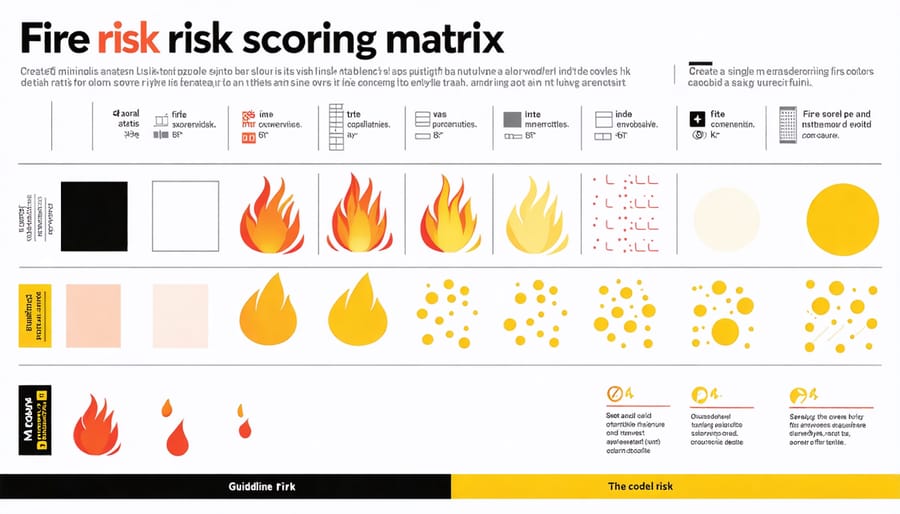
Risk scoring in fire risk assessments employs both quantitative and qualitative methods to evaluate potential hazards systematically. The assessment typically uses a matrix-based approach, combining likelihood and severity ratings to determine overall risk levels.
The likelihood scale usually ranges from 1 (rare) to 5 (almost certain), while severity ratings span from 1 (negligible) to 5 (catastrophic). Multiplying these factors yields a risk score between 1 and 25, enabling clear classification of risks into priority levels.
Common risk classifications include:
– Low Risk (1-4): Minimal threat requiring basic monitoring
– Medium Risk (5-12): Notable concerns needing regular assessment
– High Risk (13-19): Significant hazards requiring immediate attention
– Critical Risk (20-25): Severe threats demanding urgent intervention
Each identified risk should be documented with its score, classification, and recommended mitigation measures. This standardized approach ensures consistent evaluation across different system components and facilitates prioritized resource allocation for risk management. Regular reviews and updates of risk scores help maintain the assessment’s relevance and effectiveness over time.
Mitigation Measures and Solutions
Technical Solutions
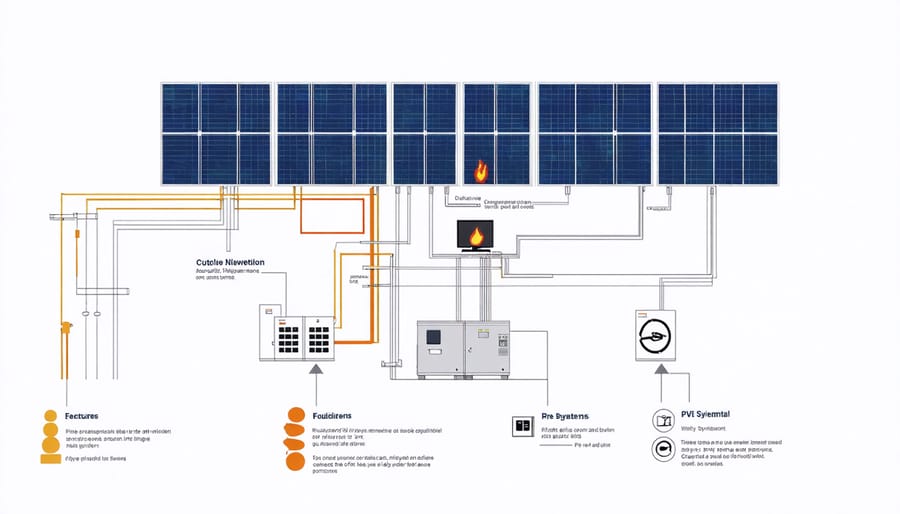
Several technical solutions can effectively minimize fire risks in photovoltaic systems through strategic hardware and system design modifications. The implementation of DC arc fault circuit interrupters (AFCIs) serves as a primary safety measure, automatically disconnecting the system when dangerous arc faults are detected. Rapid shutdown devices provide an additional layer of protection by quickly de-energizing solar panels during emergencies.
System designers should incorporate proper cable management solutions, including robust conduit systems and appropriate cable sizing to prevent overheating and potential ignition sources. The installation of DC optimizers or microinverters can help limit the maximum voltage in individual modules, reducing the risk of DC arcing and improving overall system safety.
Temperature monitoring systems equipped with automated shutdown capabilities offer real-time protection against thermal events. These systems can detect abnormal temperature rises and initiate protective measures before dangerous conditions develop. The strategic placement of disconnect switches at critical points throughout the system enables quick manual intervention when necessary.
Proper grounding systems, including equipment grounding conductors and surge protection devices, help prevent electrical faults that could lead to fires. The selection of fire-resistant materials for module mounting systems and junction boxes further enhances system safety. Regular maintenance access points should be incorporated into the design to facilitate routine inspections and preventive maintenance procedures, ensuring the long-term effectiveness of these safety measures.
Maintenance Protocols
Regular maintenance is crucial for minimizing fire risks in photovoltaic systems. Following established maintenance inspection guidelines, system owners should implement a structured maintenance protocol that includes monthly visual inspections of all electrical connections, wire insulation, and mounting structures.
Key maintenance procedures include:
– Quarterly thermal imaging scans to detect potential hotspots
– Bi-annual testing of all protection devices and circuit breakers
– Regular cleaning of panels to prevent debris accumulation
– Annual verification of grounding system integrity
– Systematic documentation of all maintenance activities
Professional technicians should conduct comprehensive inspections at least annually, focusing on:
– Connection tightness and signs of corrosion
– DC connector condition and proper seating
– Inverter ventilation system cleanliness
– Weather sealing integrity
– Cable management system integrity
Emergency response procedures should be clearly documented and readily accessible. Maintenance staff must be trained in these procedures and equipped with appropriate safety gear. System modifications or repairs should only be performed by qualified personnel following manufacturer specifications and relevant safety standards.
Maintaining detailed maintenance records is essential for tracking system performance, identifying recurring issues, and demonstrating compliance with safety regulations. These records should include dates, findings, actions taken, and follow-up requirements.
Compliance and Documentation
Regulatory Standards
Fire risk assessments must adhere to stringent regulatory requirements established by national and international standards organizations. The International Electrotechnical Commission (IEC) 60364-7-712 provides fundamental guidelines for photovoltaic system safety, while the National Fire Protection Association (NFPA) 70 (National Electrical Code) Article 690 outlines specific requirements for PV installations in the United States.
System owners and installers must ensure safety standards compliance with local building codes and fire safety regulations. These typically include requirements for proper labeling, emergency disconnects, and access pathways for firefighters. The UL 1741 standard for inverters and the IEC 61730 for module safety testing are crucial benchmarks for component certification.
Documentation requirements include maintaining detailed records of assessment procedures, findings, and implemented safety measures. Regular updates to these assessments are mandatory, particularly when system modifications occur or new safety guidelines are introduced. Compliance with these standards not only ensures legal operation but also validates insurance coverage and warranty terms.
Assessment Documentation
Proper documentation is essential for maintaining a comprehensive record of fire risk assessments in photovoltaic installations. A detailed assessment report should include the system specifications, identified hazards, risk levels, and recommended mitigation measures. The documentation must record the date of assessment, name and qualifications of the assessor, and any specific observations made during the inspection.
Maintain digital or physical copies of all inspection checklists, photographs of potential hazards, thermal imaging results, and electrical measurements. Document any modifications or upgrades to the system that could affect fire safety. Keep records of maintenance schedules, incident reports, and corrective actions taken.
The assessment documentation should also include emergency response procedures, evacuation plans, and contact information for relevant emergency services. Update these records regularly, especially after system modifications or when new risks are identified. Retain all documentation for the system’s lifetime and ensure accessibility to authorized personnel, regulatory bodies, and insurance providers.
Store backup copies of all documentation in a secure, off-site location to prevent loss in case of emergencies. This comprehensive record-keeping approach supports compliance requirements and facilitates ongoing system safety management.
Regular fire risk assessments are fundamental to ensuring the safety and longevity of photovoltaic installations. Through comprehensive evaluation of system components, installation methods, and environmental factors, these assessments serve as crucial preventive measures against potential fire hazards. The systematic approach to identifying and addressing risks not only protects valuable assets but also safeguards human life and property.
By maintaining consistent assessment schedules, system owners and operators can stay ahead of potential issues, ensure compliance with current safety standards, and optimize system performance. The documentation generated through these assessments provides valuable insights for future maintenance planning and system improvements. It also serves as essential evidence of due diligence for insurance purposes and regulatory compliance.
Remember that fire risk assessment is not a one-time activity but an ongoing process that should evolve with system changes and technological advances. Regular updates to assessment protocols, coupled with proper staff training and emergency response planning, create a robust safety framework. This proactive approach to fire safety ultimately contributes to the sustainable growth and public acceptance of photovoltaic technology in our renewable energy future.