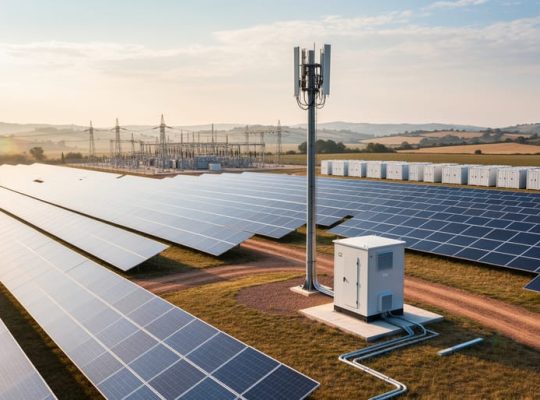
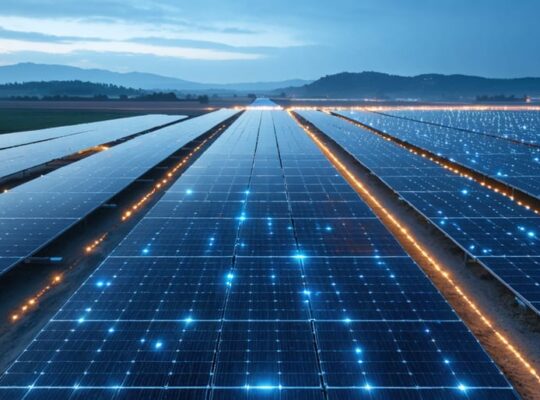
The convergence of Internet of Things (IoT) technology and predictive maintenance is revolutionizing industrial operations, offering unprecedented insights into equipment health and performance. By leveraging real-time sensor data, machine learning algorithms, and automated monitoring systems, organizations can now detect potential failures before they occur, optimize maintenance schedules, and significantly reduce operational downtime. This proactive approach represents a fundamental shift from traditional reactive maintenance models, enabling facilities to achieve up to 30% reduction in maintenance costs and 70% fewer breakdowns.
As industrial equipment becomes increasingly complex and interconnected, the integration of IoT sensors and predictive analytics provides facility managers with a comprehensive view of their assets’ condition. These smart systems continuously monitor critical parameters such as temperature, vibration, pressure, and electrical consumption, transforming raw data into actionable maintenance insights. By identifying subtle patterns and anomalies that human operators might miss, IoT-enabled predictive maintenance ensures optimal equipment performance while maximizing resource efficiency.
The impact extends beyond mere cost savings, fostering a new era of data-driven decision-making in maintenance operations. Companies implementing these solutions are witnessing enhanced equipment reliability, extended asset lifecycles, and improved workforce productivity, positioning themselves at the forefront of Industry 4.0 innovation.
The IoT Revolution in Solar PV Systems
Essential IoT Sensors for PV Monitoring
Several key sensors play crucial roles in monitoring photovoltaic systems through IoT integration. Temperature sensors measure both ambient conditions and module temperatures, helping detect potential heat-related efficiency losses. Irradiance sensors monitor solar intensity levels, providing essential data for performance ratio calculations and system optimization.
Current and voltage sensors track electrical output at various points in the system, enabling real-time power generation monitoring and early detection of performance degradation. Weather stations, incorporating humidity sensors and anemometers, provide comprehensive environmental data that affects PV system performance.
Dust and soiling sensors measure particle accumulation on panel surfaces, helping optimize cleaning schedules and maintain peak efficiency. Advanced systems may include thermal imaging sensors for hotspot detection and string monitoring devices to identify underperforming modules.
These sensors work in conjunction with data acquisition systems to provide a complete picture of system health. The integration of multiple sensor types ensures comprehensive monitoring capabilities, allowing for accurate performance assessment and predictive maintenance scheduling. Modern IoT platforms can process this multi-sensor data to generate actionable insights and maintenance recommendations.

Data Collection and Communication Networks
IoT devices form the foundation of modern PV system monitoring by continuously collecting crucial performance data through an array of strategically placed sensors. These sensors measure key parameters including voltage, current, temperature, irradiance, and environmental conditions. The collected data is processed by local edge computing devices that filter and organize the information before transmission.
The communication infrastructure typically employs a multi-tiered network architecture. At the field level, sensors communicate through protocols like Modbus, MQTT, or wireless standards such as LoRaWAN and Zigbee. This data is then aggregated by gateway devices that bridge the gap between local sensors and cloud platforms where advanced analytics demonstrate how monitoring systems boost efficiency and performance.
Real-time data transmission ensures immediate detection of performance anomalies, while edge computing capabilities help reduce bandwidth requirements by processing data locally. The system’s scalability allows for easy integration of additional sensors and devices as monitoring needs evolve, making it adaptable to growing PV installations while maintaining reliable data collection and transmission.
Predictive Analytics: The Brain Behind Smart Maintenance

Machine Learning Algorithms in PV Maintenance
Machine learning algorithms play a crucial role in modern PV system maintenance by analyzing vast amounts of operational data to detect patterns and predict potential failures. AI-powered predictive maintenance systems typically employ several key algorithms to optimize solar panel performance and reliability.
Support Vector Machines (SVM) are commonly used to classify normal versus anomalous operating conditions by analyzing multiple parameters simultaneously, including voltage, current, and temperature readings. These algorithms excel at identifying subtle deviations that might indicate emerging issues before they become critical failures.
Random Forest algorithms help in predicting component degradation by evaluating historical performance data alongside environmental conditions. This enables maintenance teams to forecast when specific components might require replacement or servicing, allowing for better resource allocation and minimized downtime.
Deep Learning Neural Networks process complex temporal patterns in performance data, making them particularly effective at detecting seasonal variations and distinguishing between normal weather-related fluctuations and actual system problems. These networks can continuously learn from new data, improving their prediction accuracy over time.
Clustering algorithms group similar performance patterns together, helping identify common failure modes and their early warning signs. This information is invaluable for developing preventive maintenance strategies and optimizing maintenance schedules across large solar installations.
Real-time Performance Optimization
Real-time performance optimization through IoT and predictive analytics enables solar facilities to achieve peak efficiency through dynamic system adjustments. Advanced sensors continuously monitor key performance indicators, including power output, voltage levels, and environmental conditions, feeding this data into sophisticated analytics platforms.
These platforms utilize machine learning algorithms to analyze operational patterns and identify opportunities for immediate performance improvements. When deviations from optimal operating parameters are detected, the system can automatically implement corrective measures or alert maintenance teams for necessary interventions.
For example, if analytics detect a gradual decline in panel efficiency due to soiling, the system can adjust cleaning schedules accordingly. Similarly, when weather conditions change, inverter settings can be automatically modified to maximize energy harvest. This real-time responsiveness ensures that solar installations maintain optimal performance regardless of changing environmental conditions.
The integration of edge computing capabilities allows for faster response times by processing data locally before transmission to central servers. This reduces latency and enables split-second decisions that can prevent performance degradation or equipment damage.
Performance optimization extends beyond individual components to encompass entire solar arrays. By analyzing data from multiple sources simultaneously, these systems can orchestrate coordinated adjustments across the facility, ensuring that modifications to one component don’t adversely affect others while maintaining overall system stability and efficiency.
Benefits of IoT-Enabled Predictive Maintenance
Cost Reduction and ROI
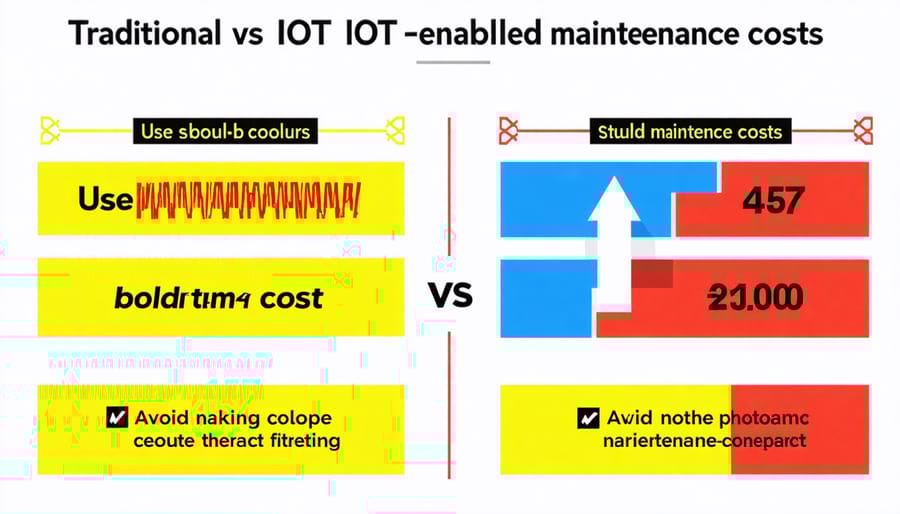
Implementing IoT-based predictive maintenance delivers significant financial benefits through reduced operational costs and enhanced system efficiency. Studies show that organizations can reduce maintenance costs by 25-30% while decreasing equipment downtime by up to 45% through predictive maintenance strategies.
The cost savings materialize through several channels. First, by detecting potential failures before they occur, facilities avoid expensive emergency repairs and replacement costs. Second, optimized maintenance schedules eliminate unnecessary routine maintenance, reducing labor costs and extending component lifespans. Third, improved system efficiency leads to higher energy yield and revenue generation.
To maximize your solar ROI, predictive maintenance leverages real-time data analytics to optimize maintenance timing and resource allocation. The initial investment in IoT sensors and monitoring systems typically achieves payback within 12-18 months through reduced operational expenses and improved system performance.
Organizations implementing IoT-based predictive maintenance report average annual savings of $17-22 per kW installed capacity. Additional benefits include reduced insurance premiums due to lower risk profiles and enhanced asset value through documented maintenance histories and performance data.
Enhanced System Reliability
IoT-enabled predictive maintenance significantly enhances system reliability in photovoltaic installations by establishing a proactive approach to equipment management. Through continuous monitoring and real-time data analysis, these systems can maintain optimal performance levels while minimizing unexpected downtime.
The implementation of IoT sensors and predictive analytics enables facilities to achieve documented improvements in system availability, often reaching uptime rates of 99% or higher. This enhanced reliability stems from the ability to detect and address potential issues before they escalate into system failures. For instance, early detection of inverter anomalies or declining panel efficiency allows maintenance teams to schedule interventions during planned downtimes rather than responding to emergency situations.
Performance consistency is markedly improved through automated monitoring systems that track key performance indicators around the clock. These systems analyze patterns in equipment behavior, environmental conditions, and operational parameters to maintain peak efficiency. The result is more stable energy output and reduced performance variability across different operating conditions.
Furthermore, the integration of IoT technology creates a self-learning system that becomes increasingly accurate in predicting maintenance needs over time. This adaptive capability ensures that system reliability continues to improve as the artificial intelligence models gain more operational data and experience.
Implementation Strategies and Best Practices
Implementing IoT-based predictive maintenance in photovoltaic systems requires a systematic approach and careful consideration of several key factors. Start by conducting a comprehensive assessment of your existing PV infrastructure and identifying critical components that would benefit most from continuous monitoring. This evaluation should align with essential PV maintenance tips while incorporating IoT capabilities.
Begin with sensor deployment at strategic locations, focusing on critical parameters such as temperature, voltage, current, and environmental conditions. Choose sensors with appropriate IP ratings for outdoor conditions and ensure proper calibration for accurate data collection. Establish a robust communication infrastructure using protocols like LoRaWAN or cellular networks, depending on your site’s requirements and geographical constraints.
Implement a centralized data management system that can handle large volumes of sensor data effectively. This should include:
– Real-time data collection and storage capabilities
– Secure data transmission protocols
– Scalable cloud infrastructure
– Advanced analytics engines for pattern recognition
Develop clear maintenance protocols based on the predictive insights generated by your IoT system. Set appropriate thresholds for various parameters and establish alert mechanisms for different severity levels. Train maintenance personnel to interpret data analytics results and respond appropriately to system notifications.
Consider integrating machine learning algorithms to improve prediction accuracy over time. Start with basic anomaly detection and gradually incorporate more sophisticated predictive models as you accumulate historical data. Regular system calibration and validation ensure the ongoing accuracy of your predictive maintenance program.
Maintain detailed documentation of all implemented processes and establish clear communication channels between technical teams. Regular review and optimization of the system ensure continuous improvement in prediction accuracy and maintenance efficiency. Remember to include cybersecurity measures to protect your IoT infrastructure from potential threats and ensure compliance with relevant data protection regulations.
The integration of IoT and predictive maintenance in photovoltaic systems represents a significant advancement in solar energy management. By leveraging real-time data analytics, machine learning algorithms, and interconnected sensors, facility managers can now predict and prevent potential system failures before they occur. This proactive approach has demonstrated substantial improvements in system efficiency, reduced downtime, and increased ROI for solar installations. Looking ahead, the continued evolution of IoT technologies, coupled with advances in artificial intelligence and data analytics, promises even more sophisticated maintenance solutions. As the solar industry continues to grow, the adoption of these smart maintenance strategies will become increasingly crucial for optimizing system performance and ensuring long-term sustainability. Organizations that embrace these technological innovations will be better positioned to maximize their solar investments while contributing to a more reliable and efficient renewable energy future.