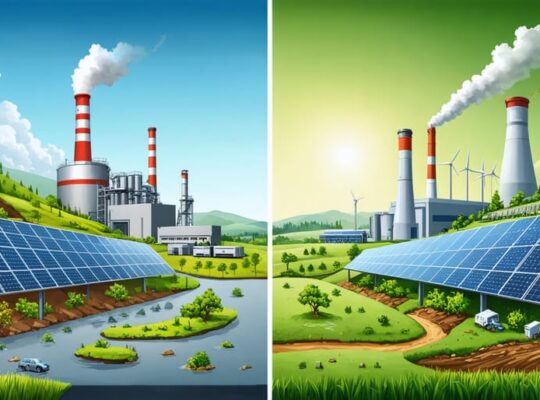
Examining the environmental impact of manufacturing solar panels is crucial for a sustainable future. While solar energy offers a clean alternative to fossil fuels, the production process involves extracting and processing raw materials, consuming energy, and generating waste. This introduction delves into the key aspects of solar panel manufacturing’s ecological footprint, exploring the balance between the technology’s green potential and the environmental costs incurred during production. By presenting a comprehensive overview of the issues at stake, this article aims to inform critical discussions and decision-making around one of the most promising renewable energy solutions of our time.
The Solar Panel Manufacturing Process

Raw Materials Used
Solar panels primarily consist of silicon, a semiconductor material that forms the heart of the photovoltaic cells. Silicon is derived from sand or quartz and undergoes an energy-intensive purification process to reach the required purity levels for solar applications. The silicon is then formed into wafers, which are assembled into solar cells.
In addition to silicon, solar panels incorporate various metals, such as copper, silver, and aluminum, for electrical connections and structural support. The front surface of the panel is typically made of tempered glass, which provides protection from the elements while allowing sunlight to pass through. The back sheet, usually composed of a polymer or plastic material, acts as an insulating and protective layer.
Other components include the frame, often made of aluminum, which provides structural integrity and enables easy installation. Junction boxes, usually made of plastic, house the electrical connections and bypass diodes that protect the panel from overheating. Ethylene-vinyl acetate (EVA) is used as an encapsulant to seal the solar cells and protect them from moisture and other environmental factors.
While many of these materials are abundant and recyclable, the extraction, processing, and disposal of these raw materials can have environmental implications that must be carefully managed.
Energy Requirements
The production of solar panels requires a significant amount of energy, particularly in processing raw materials and manufacturing the components. The energy-intensive process of transforming silica sand into pure silicon is a key contributor to the energy footprint of solar panel production. This process involves heating the raw materials to extremely high temperatures, often using fossil fuels as an energy source. Additionally, the fabrication of solar cells and the assembly of the panels themselves consume substantial amounts of electricity. While some manufacturers are transitioning to renewable energy sources to power their production facilities, the industry still heavily relies on conventional energy sources, partially offsetting the environmental benefits of solar power. As solar panel technology continues to advance, efforts are being made to reduce the energy requirements of manufacturing processes through efficiency improvements and the adoption of cleaner energy sources. Nonetheless, it is crucial to consider the full lifecycle energy consumption of solar panels when assessing their overall environmental impact and sustainability.
Environmental Impacts
Greenhouse Gas Emissions
The manufacturing of solar panels, while crucial for the transition to renewable energy, does contribute to greenhouse gas emissions. The primary source of these emissions is the use of fossil fuels for energy during the production process. The extraction and processing of raw materials, such as silicon, also require significant energy inputs, often derived from non-renewable sources. According to a study by the National Renewable Energy Laboratory, the carbon footprint of manufacturing a single solar panel is approximately 50g CO2-eq per kWh over its lifetime.
However, it’s important to note that the carbon footprint of solar panel manufacturing has been steadily decreasing as the industry adopts more sustainable practices and renewable energy sources. Many solar panel manufacturers are now committed to using 100% renewable energy in their production facilities, significantly reducing their greenhouse gas emissions. Additionally, as solar technology becomes more efficient and the manufacturing process is optimized, the carbon footprint per panel is expected to decrease further.
Despite the greenhouse gas emissions associated with manufacturing, solar panels still offer a significant net positive impact on the environment over their lifespan. Once installed, solar panels generate clean, renewable electricity without emitting any greenhouse gases. The carbon footprint of manufacturing is typically offset within the first few years of operation, depending on factors such as location and grid mix. As the world transitions to a low-carbon economy, the environmental benefits of solar energy will continue to outweigh the emissions from manufacturing, making solar panels an essential tool in the fight against climate change.
Toxic Chemicals and Waste
The manufacturing of solar panels involves the use of various hazardous chemicals and materials that can have detrimental effects on the environment if not properly managed. One of the primary toxic substances used in the production process is cadmium, a heavy metal that is a key component in thin-film solar cells. Cadmium is known to be carcinogenic and can accumulate in the environment, posing risks to human health and wildlife. Additionally, the production of solar panels requires the use of hydrochloric acid, sulfuric acid, nitric acid, and hydrogen fluoride, all of which are highly corrosive and toxic. Improper handling or disposal of these substances can lead to soil, water, and air pollution.
Moreover, the manufacturing process generates a significant amount of solid and liquid waste, including silicon tetrachloride, a highly toxic byproduct of polysilicon production. If not recycled or disposed of properly, silicon tetrachloride can release hydrochloric acid into the environment, acidifying soil and water sources. Other waste products include used solvents, rejected solar cells, and damaged modules, all of which may contain harmful substances that can leach into the environment if not handled appropriately.
To mitigate these environmental risks, solar panel manufacturers must adhere to strict regulations and implement proper waste management systems. This includes the safe storage, transportation, and disposal of hazardous materials, as well as the development of recycling technologies to recover valuable materials from waste products. Failure to address these issues can lead to significant ecological damage and undermine the overall environmental benefits of solar energy. As the demand for solar panels continues to grow, it is crucial for the industry to prioritize the development of cleaner production processes and responsible waste management practices to ensure a truly sustainable future.
Land and Water Usage
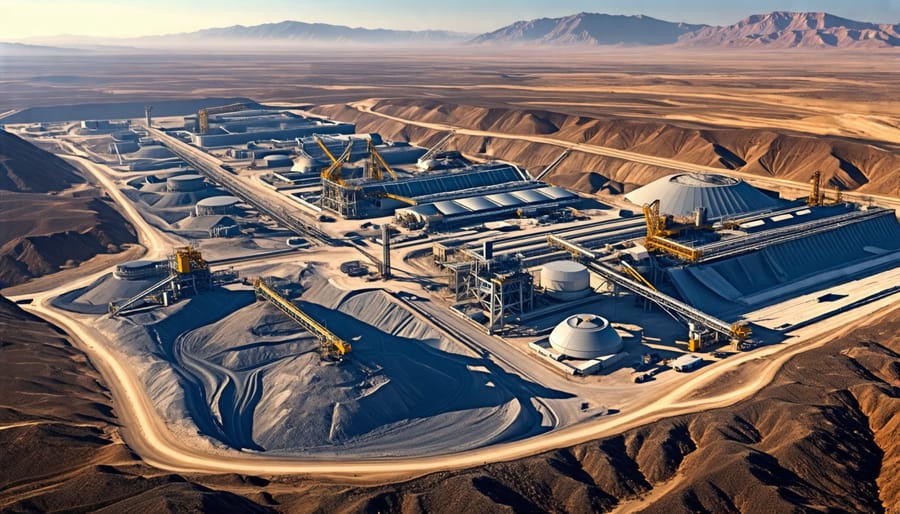
The manufacturing of solar panels requires the extraction of raw materials, such as silicon, glass, and various metals, which can lead to significant land disturbance. Mining operations often involve clearing vegetation, excavating large areas, and constructing access roads, all of which can contribute to habitat loss and erosion. The extent of land disturbance varies depending on the specific materials and mining techniques used, but it is an important consideration when assessing the overall environmental impact of solar panel production.
In addition to land usage, solar panel manufacturing also consumes substantial amounts of water. The process of purifying and crystallizing silicon, a key component in most solar cells, is particularly water-intensive. Other stages of production, such as cutting wafers and cleaning panels, also require significant water resources. While some manufacturers have implemented water recycling and conservation measures, the industry as a whole still has room for improvement in terms of water efficiency.
It is worth noting that the land and water impacts of solar panel manufacturing are largely concentrated in the regions where raw materials are sourced and where factories are located. This means that certain communities may bear a disproportionate burden of these environmental costs. However, as the demand for solar energy grows, there is increasing pressure on the industry to adopt more sustainable practices and to minimize its ecological footprint. Ongoing research and development efforts are focused on finding ways to reduce land disturbance, optimize water usage, and promote responsible sourcing of raw materials.
Advancing Sustainability in Solar Manufacturing
Recycling and Circular Economy
The solar industry is actively working to minimize the environmental impact of panel production through recycling initiatives and the development of a circular economy. Manufacturers are increasingly implementing recycling programs to recover valuable materials like silicon, silver, and aluminum from end-of-life panels and production waste. These recovered materials can then be reused in new solar panels or other products, reducing the need for virgin raw materials and the associated environmental footprint. Additionally, researchers are exploring innovative recycling technologies to improve the efficiency and cost-effectiveness of solar panel recycling processes. By embracing a circular economy approach, the solar industry aims to close the loop on material use, minimize waste, and reduce the overall environmental impact of solar panel manufacturing. As recycling initiatives continue to gain traction and become more widespread, they will play a crucial role in enhancing the sustainability of solar energy and supporting its growth as a clean, renewable power source.

Cleaner Production Methods
The solar panel manufacturing industry is actively developing cleaner production methods to minimize environmental impact. Innovative approaches include using less toxic materials, such as lead-free solders and cadmium-free thin films, to reduce hazardous waste generation. Manufacturers are also optimizing resource efficiency by recycling water, implementing closed-loop systems, and utilizing renewable energy sources like solar and wind to power production facilities. Advanced automation and precision manufacturing techniques help reduce material waste and improve overall energy efficiency. Furthermore, many companies are investing in research and development to create more sustainable and recyclable solar panel components, such as biodegradable encapsulants and eco-friendly backsheets. These cleaner production methods not only decrease the environmental footprint of solar panel manufacturing but also contribute to the overall sustainability and cost-effectiveness of the solar energy industry.
Conclusion
The environmental impact of manufacturing solar panels is an important consideration as the world transitions towards renewable energy sources. While solar energy offers a cleaner alternative to fossil fuels, the production process itself has environmental consequences that must be acknowledged and addressed. From the mining of raw materials to the energy-intensive manufacturing process, there are several key points to keep in mind.
However, it’s crucial to recognize that the long-term benefits of solar energy far outweigh the short-term impacts of production. As technology advances and manufacturing processes become more efficient, the environmental footprint of solar panel production will continue to decrease. By investing in research and development, the industry can work towards a more sustainable future for solar energy that minimizes negative impacts and maximizes the potential for clean, renewable power.
In conclusion, understanding the environmental impact of solar panel manufacturing is essential for making informed decisions and driving progress towards a more sustainable energy future. By acknowledging the challenges and working collaboratively to address them, we can harness the incredible potential of solar energy while minimizing its environmental footprint. The path forward is clear – with continued innovation, commitment, and responsible practices, solar energy will play a vital role in creating a cleaner, greener world for generations to come.