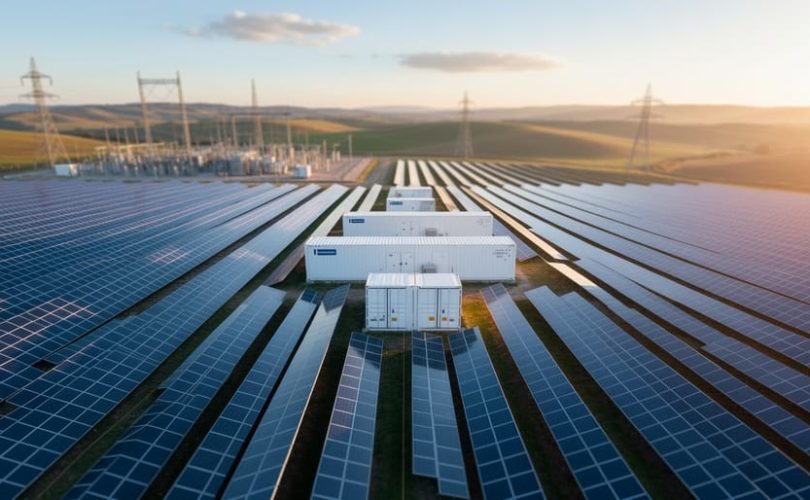
Solar-plus-storage systems represent one of the most significant technological advances in the renewable energy transition, combining photovoltaic arrays with battery storage to create resilient, dispatchable clean energy solutions. As global energy systems shift away from fossil fuels, understanding the climate impact of these integrated systems has become essential for industry professionals, researchers, and decision-makers alike.
The climate benefits of solar-plus-storage extend far beyond simple carbon displacement calculations. These systems fundamentally transform how we generate, store, and consume electricity, enabling renewable energy to provide baseload power while reducing grid strain during peak demand periods. However, quantifying their true environmental value requires sophisticated analytical frameworks that account for manufacturing emissions, operational efficiencies, grid displacement factors, and end-of-life considerations.
This comprehensive analysis examines the methodologies, metrics, and tools professionals use to measure the climate impact of solar-plus-storage installations. We explore lifecycle assessment approaches, carbon accounting standards, and real-world performance data that demonstrate measurable environmental benefits. The article also addresses critical considerations including battery production impacts, recycling challenges, and the importance of transparent impact measurement.
For aspiring photovoltaic professionals and researchers, mastering climate impact analytics has become a competitive necessity. Understanding these evaluation frameworks enables more informed system design, supports accurate environmental claims, and drives continuous improvement in renewable energy technologies. Through collaboration with leading universities and industry experts, this article provides the foundational knowledge needed to assess, communicate, and optimize the climate benefits of solar-plus-storage deployments.
Understanding Solar-Plus-Storage Systems: Beyond Basic Solar
The Integration Advantage
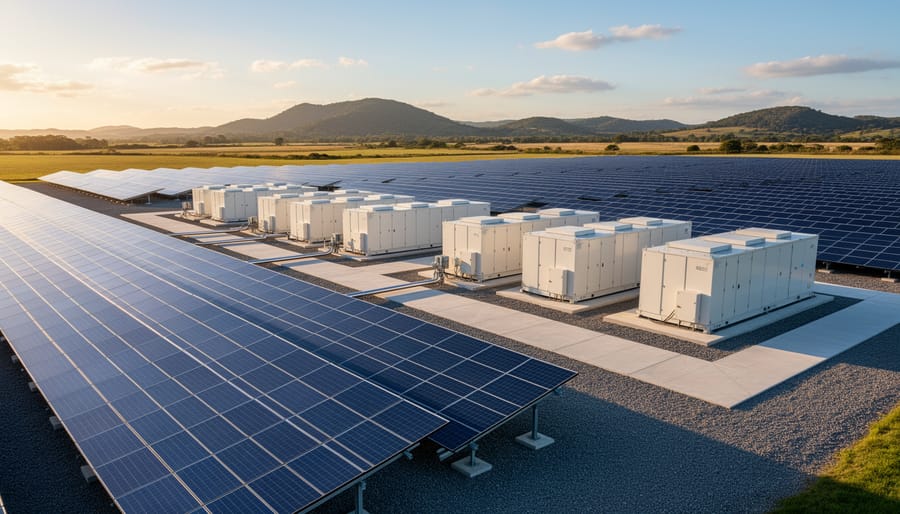
Solar panels alone face an inherent limitation: they generate electricity only when the sun shines. Energy storage systems address this temporal mismatch by capturing excess generation during peak production hours and dispatching it when demand exceeds supply or solar output declines. This integration creates measurable synergies that amplify climate benefits beyond what either technology achieves independently.
When solar arrays connect with battery storage, renewable energy utilization rates increase substantially. Rather than curtailing excess solar generation during low-demand periods—a common occurrence in high-penetration solar markets—these systems store surplus electrons for later use. This stored energy displaces fossil fuel generation during evening peak hours, precisely when grid carbon intensity typically rises as utilities activate natural gas peaker plants.
The synergy extends to grid stability as well. Solar-plus-storage systems provide essential services including frequency regulation, voltage support, and rapid ramping capabilities that help integrate variable renewable resources. These ancillary services reduce the need for fossil-fuel reserves traditionally maintained for grid balancing, creating additional carbon displacement that climate impact analytics must account for. The combined system operates as a dispatchable clean energy resource, fundamentally transforming solar from an intermittent generator into a reliable power source that accelerates decarbonization while maintaining grid reliability.
Key System Components and Their Roles
Solar-plus-storage systems integrate several critical components that work synergistically to capture, store, and dispatch renewable energy. At the heart of these systems are battery storage technologies, primarily lithium-ion batteries, which dominate the market due to their high energy density, declining costs, and proven reliability. These electrochemical storage units can charge during peak solar generation periods and discharge when demand exceeds supply or when solar production ceases. Flow batteries represent an emerging alternative, offering advantages in scalability and longer discharge durations, though currently at higher costs.
Inverters serve as the essential interface between DC solar generation and AC grid requirements. Hybrid inverters specifically designed for solar-plus-storage applications manage bidirectional power flow, converting solar DC to AC for immediate use while simultaneously directing excess energy to battery storage. Advanced inverter functionality includes grid support services such as voltage regulation and frequency response.
Energy management systems provide intelligent oversight, utilizing algorithms and real-time data to optimize charge-discharge cycles based on electricity rates, weather forecasts, and consumption patterns. These control systems maximize economic returns while extending battery lifespan through strategic operation within optimal parameters, ultimately enhancing the climate benefits of solar-plus-storage installations.
Climate Impact Analytics: Measuring What Matters
Carbon Footprint Reduction Metrics
Quantifying the climate benefits of solar-plus-storage systems requires comprehensive measurement frameworks that capture both immediate and long-term environmental impacts. Analysts employ several key methodologies to assess these systems’ effectiveness in reducing greenhouse gas emissions.
The primary metric involves calculating direct greenhouse gas displacement, which measures the quantity of carbon dioxide equivalents avoided when solar-plus-storage systems replace conventional fossil fuel generation. This calculation considers the specific emissions profile of the displaced grid electricity, which varies significantly by region and time of day. Energy storage components enhance this displacement by enabling solar energy utilization during peak demand periods when carbon-intensive peaker plants would otherwise operate.
Avoided emissions metrics extend beyond simple displacement calculations. Analysts evaluate how battery storage systems optimize renewable energy integration by reducing curtailment—instances when solar generation exceeds immediate demand and would otherwise be wasted. This optimization increases the effective carbon offset per installed kilowatt of solar capacity.
Lifecycle assessment provides the most comprehensive evaluation framework, incorporating manufacturing emissions, transportation impacts, installation processes, operational efficiency, and end-of-life disposal or recycling considerations. These carbon displacement metrics reveal that despite initial embodied carbon in system components, solar-plus-storage installations typically achieve net positive climate impact within two to four years of operation.
Industry analysts also track capacity factor improvements and grid decarbonization acceleration rates, demonstrating how storage enables higher renewable energy penetration levels while maintaining grid stability. These comprehensive metrics provide stakeholders with evidence-based insights for investment decisions and policy development.
Lifecycle Assessment Frameworks
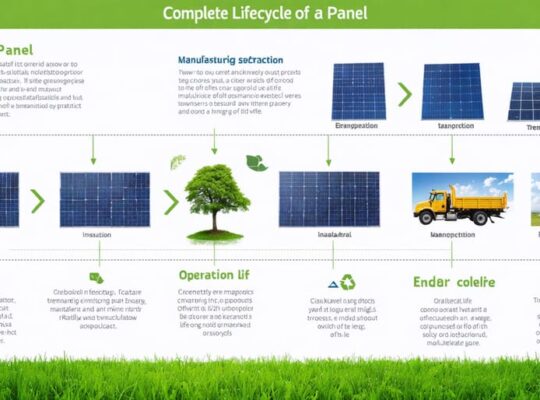
Comprehensive lifecycle assessment frameworks provide the methodological foundation for quantifying the true environmental impact of solar-plus-storage systems from cradle to grave. These frameworks evaluate three critical phases: manufacturing, operation, and end-of-life management, enabling professionals to calculate net climate benefits with scientific rigor.
During the manufacturing phase, analysts measure embodied carbon emissions from raw material extraction, component production, and system assembly. Silicon purification for photovoltaic cells and lithium extraction for battery systems represent the most energy-intensive processes. However, studies consistently demonstrate that manufacturing emissions are offset within 1-3 years of system operation, depending on geographic location and grid carbon intensity. The lifecycle carbon footprint accounts for these upfront emissions while projecting decades of clean energy generation.
The operational phase delivers substantial climate benefits through displaced fossil fuel generation and reduced transmission losses from distributed energy resources. Advanced frameworks incorporate capacity factors, degradation rates, and charging efficiency to model real-world performance accurately. Modern battery systems achieve round-trip efficiencies exceeding 90 percent, maximizing renewable energy utilization.
End-of-life considerations address material recovery and circular economy principles. Current assessment frameworks evaluate recycling potential for silicon, aluminum, lithium, and cobalt, with emerging technologies achieving recovery rates above 95 percent for certain materials. Universities and industry partners collaborate on standardized protocols that ensure transparent reporting and enable comparative analysis across different system configurations and geographic contexts.
Grid Decarbonization Acceleration
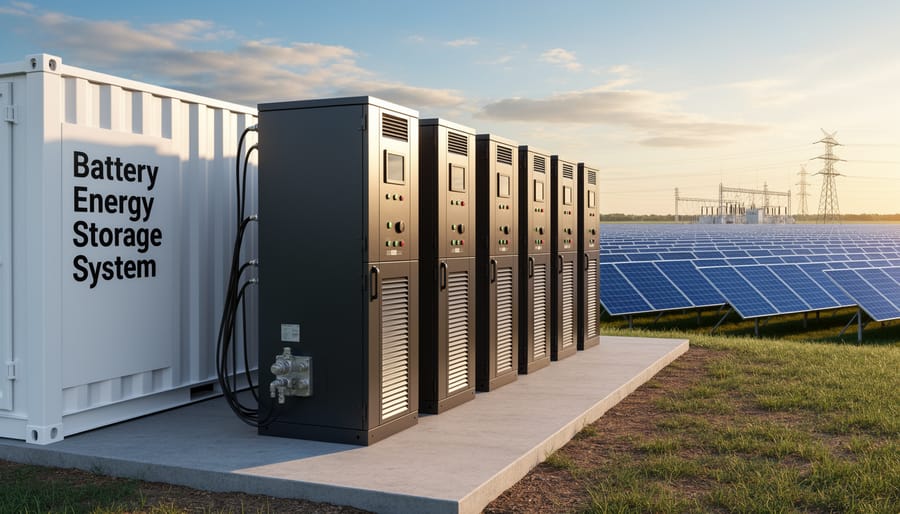
Energy storage systems fundamentally transform how renewable energy integrates into the electrical grid, addressing the primary obstacle to widespread solar adoption: intermittency. While photovoltaic installations generate power only during daylight hours, battery storage captures excess production for dispatch when generation ceases or demand peaks, effectively decoupling energy supply from real-time solar availability.
This capability directly accelerates grid decarbonization by enabling utilities and grid operators to maintain reliability while dramatically increasing renewable penetration rates. Traditional grids without storage typically accommodate only 20-30% variable renewable energy before stability concerns arise. However, solar-plus-storage systems push this threshold to 50% and beyond, with some forward-thinking jurisdictions targeting 80-100% renewable energy portfolios.
The mechanism works through strategic discharge timing. Storage systems provide ancillary services including frequency regulation, voltage support, and peak shaving—functions previously dominated by fossil fuel peaker plants. By displacing these carbon-intensive facilities, storage accelerates emissions reductions beyond what solar generation alone achieves. Studies indicate that pairing 1 MW of solar with 4 hours of storage can displace approximately 2-3 times more fossil generation than solar without storage over equivalent timeframes.
Furthermore, storage mitigates curtailment—the wasteful practice of disconnecting solar farms when grid demand cannot absorb their output. In regions with high solar penetration like California, curtailment rates have exceeded 20% during peak production periods. Battery systems capture this otherwise-lost clean energy, maximizing carbon displacement per installed solar capacity and significantly improving the economic and environmental return on renewable infrastructure investments.
Quantifying Climate Benefits: Real-World Impact Data
Emissions Displacement Rates
Solar-plus-storage systems demonstrate measurable advantages in greenhouse gas displacement compared to conventional fossil fuel generation. Current data indicates that each megawatt-hour (MWh) generated by integrated solar-battery systems displaces approximately 0.4 to 0.7 metric tons of carbon dioxide equivalent, depending on the regional grid mix being offset. In coal-dependent regions, displacement rates reach the higher end of this spectrum, while natural gas-dominated grids show more modest reductions.
The displacement calculation extends beyond direct carbon dioxide to include methane emissions from natural gas infrastructure and nitrous oxide from combustion processes. Comprehensive lifecycle assessments reveal that solar-plus-storage systems achieve emissions displacement rates 85-95% lower than combined-cycle natural gas plants and 92-98% lower than coal-fired generation over a 25-year operational period.
Storage components enhance these displacement rates by enabling solar energy utilization during peak demand hours when grid carbon intensity typically increases. Research from the National Renewable Energy Laboratory demonstrates that optimally dispatched battery systems can increase effective emissions displacement by 15-30% compared to solar-only installations. Universities collaborating with industry researchers continue refining these methodologies, incorporating real-time grid data and advanced modeling techniques to provide increasingly precise displacement metrics for stakeholders evaluating project climate benefits.

Peak Demand Reduction and Clean Capacity
Solar-plus-storage systems deliver their most significant climate benefits by shifting clean energy generation to periods of highest electricity demand. Traditional power grids rely heavily on peaker plants—typically natural gas turbines or older coal facilities—that operate only during peak demand hours. These plants are among the most carbon-intensive energy sources, often producing 50-100% more emissions per kilowatt-hour than baseload generation.
By storing excess solar energy generated during midday hours and dispatching it during evening peak demand (typically 4-9 PM), battery systems directly displace these high-emission sources. This temporal shift creates a disproportionate climate benefit: each kilowatt-hour of stored solar energy offset during peak hours prevents significantly more carbon emissions than displacing baseload power.
Research from the National Renewable Energy Laboratory demonstrates that strategically deployed storage can reduce grid emissions by 15-30% beyond solar-only installations in the same location. In regions with coal-heavy peaker capacity, the impact intensifies. California’s Self-Generation Incentive Program data shows participating solar-plus-storage systems collectively displaced over 200,000 metric tons of CO2 in 2022 by reducing peaker plant operations.
The effectiveness of this displacement depends on regional grid composition, storage capacity sizing, and discharge timing strategies. Advanced energy management systems optimize these variables, maximizing both economic returns and emissions reductions for system operators.
The Battery Question: Storage Technology and Environmental Trade-offs
Material Sourcing and Manufacturing Impacts
Battery energy storage systems rely heavily on critical minerals including lithium, cobalt, nickel, and manganese. Lithium extraction, predominantly through hard rock mining in Australia and brine extraction in South America, can significantly impact local water resources and ecosystems. Cobalt mining, concentrated in the Democratic Republic of Congo, has raised serious concerns regarding labor practices and environmental degradation. These extraction activities contribute greenhouse gas emissions and habitat disruption that must be factored into comprehensive climate impact analytics.
The solar-plus-storage industry has increasingly prioritized responsible material sourcing through several initiatives. Leading battery manufacturers now participate in the Responsible Minerals Initiative and implement supply chain transparency measures. Technological advances are reducing cobalt content in lithium-ion batteries, with some chemistries eliminating it entirely. Recycling programs are emerging to recover valuable materials from end-of-life batteries, potentially reducing primary extraction demands by 30-50% by 2040. These efforts represent critical steps toward minimizing the environmental footprint of energy storage components while maintaining the climate benefits these systems deliver.
End-of-Life Management and Circular Economy Approaches
As solar-plus-storage systems reach end-of-life, typically after 20-30 years for solar panels and 10-15 years for batteries, proper disposal and resource recovery become critical for minimizing environmental impact. Advanced battery recycling technologies now enable recovery of valuable materials like lithium, cobalt, and nickel from spent batteries, with some processes achieving over 95% material recovery rates. These recovered materials can re-enter manufacturing supply chains, reducing demand for virgin resource extraction.
Second-life applications extend battery utility before recycling becomes necessary. Batteries that retain 70-80% capacity are often unsuitable for electric vehicles but perform well in stationary storage applications, providing an additional 5-10 years of service for grid support or residential backup power. This cascading use model maximizes value while deferring recycling costs.
Emerging circular economy models integrate product design, take-back programs, and refurbishment services into comprehensive lifecycle strategies. Leading manufacturers now collaborate with universities to develop design-for-disassembly approaches and establish reverse logistics networks. These initiatives, combined with regulatory frameworks like extended producer responsibility programs, create closed-loop systems that transform waste streams into resource opportunities while significantly reducing the overall carbon footprint of solar-plus-storage deployments.
Advanced Analytics Tools for Climate Impact Assessment
Energy Modeling and Simulation Platforms
Accurately predicting solar-plus-storage system performance and environmental benefits requires sophisticated modeling platforms. The System Advisor Model (SAM), developed by the National Renewable Energy Laboratory, enables detailed techno-economic analysis of renewable energy projects, incorporating location-specific weather data, equipment specifications, and grid interaction patterns. HOMER (Hybrid Optimization of Multiple Energy Resources) excels at comparing different system configurations and optimizing battery sizing for specific applications. These platforms integrate climate impact modeling capabilities, quantifying emissions reductions under various operational scenarios. PVsyst and HelioScope offer additional simulation options with specialized photovoltaic modeling features. Through partnerships with academic institutions, professionals can access training programs that develop proficiency in these analytical tools. These platforms consider temporal resolution, dispatch strategies, and degradation rates to provide realistic performance projections, enabling stakeholders to make evidence-based decisions about system design and expected climate benefits throughout project lifecycles.
Data-Driven Optimization Strategies
Machine learning algorithms and predictive analytics have transformed solar-plus-storage dispatch strategies, enabling systems to anticipate grid conditions and optimize energy flows for maximum climate benefit. These data-driven approaches analyze historical weather patterns, electricity demand curves, and grid carbon intensity forecasts to determine optimal charging and discharging schedules. Advanced algorithms can predict when fossil fuel peaker plants will activate, allowing battery systems to discharge stored solar energy precisely when it displaces the dirtiest grid resources.
Universities collaborate with industry partners to develop sophisticated optimization models that balance multiple objectives: maximizing renewable energy utilization, reducing carbon emissions, providing grid services, and delivering economic returns. Predictive analytics continuously refine dispatch decisions by incorporating real-time data streams including solar generation forecasts, electricity price signals, and marginal emissions rates. This intelligent coordination ensures that stored solar energy depletes during high-carbon intensity periods rather than simply following price arbitrage opportunities. Educational programs now teach aspiring professionals to leverage these analytical tools, equipping the next generation with skills to design systems that prioritize environmental impact alongside financial performance.
Regional Climate Impact Variations: Location Matters
The climate benefits of solar-plus-storage systems vary significantly depending on geographic location and regional energy characteristics. Understanding these variations is essential for accurately assessing environmental impact and making informed deployment decisions.
Grid carbon intensity stands as perhaps the most critical factor influencing climate benefits. In regions where coal-fired power plants dominate the energy mix, solar-plus-storage systems deliver substantially greater carbon reductions compared to areas already reliant on cleaner generation sources like natural gas or hydroelectric power. For instance, a system deployed in the coal-dependent Midwest may offset three to four times more emissions than an identical installation in the Pacific Northwest, where hydropower provides much of the baseload generation.
Solar resource availability directly affects system performance and corresponding climate benefits. High-irradiance regions such as the Southwest generate more electricity per installed kilowatt, translating to greater fossil fuel displacement and enhanced carbon offset potential. However, superior solar resources alone don’t guarantee maximum climate impact. A location with moderate solar resources but high grid carbon intensity may deliver comparable or even superior climate benefits compared to a sunnier region with cleaner electricity generation.
The temporal alignment between solar generation, battery dispatch patterns, and regional grid characteristics further compounds these geographic variations. Peak demand periods vary by climate zone and season. In hot southern states, air conditioning drives afternoon summer peaks when solar generation naturally aligns well. Conversely, northern regions experience evening winter peaks requiring strategic battery discharge to maximize fossil fuel displacement.
Local energy policies, utility rate structures, and renewable energy penetration levels also influence how effectively solar-plus-storage systems reduce emissions. Markets with high existing renewable capacity may experience diminishing marginal climate benefits from additional solar installations, while underserved regions offer greater opportunities for meaningful impact. Context-specific analytics that account for these multifaceted geographic factors enable stakeholders to optimize system design, placement, and operation strategies for maximum climate benefit while supporting evidence-based policy development and investment decisions.
Policy Frameworks and Climate Accounting Standards
Robust policy frameworks and standardized climate accounting methodologies are essential for accurately measuring and incentivizing the deployment of solar-plus-storage systems. Governments worldwide have implemented various mechanisms, including investment tax credits, production-based incentives, and renewable portfolio standards that increasingly recognize the value of energy storage paired with solar generation. In the United States, the Inflation Reduction Act extended tax credits for standalone storage systems, significantly enhancing project economics and deployment rates.
Standardized measurement protocols have emerged to ensure consistent climate impact assessment across projects. The Greenhouse Gas Protocol provides internationally recognized frameworks for calculating emissions reductions, while ISO 14064 standards guide verification and reporting processes. These methodologies enable developers and stakeholders to quantify avoided emissions, displaced fossil fuel generation, and lifecycle carbon benefits with credible, comparable metrics.
Regulatory frameworks increasingly mandate transparent reporting of climate impacts. California’s Self-Generation Incentive Program requires detailed performance data, while European Union directives establish carbon accounting standards for renewable energy installations. These requirements drive adoption of sophisticated monitoring systems and analytics platforms that track real-time environmental performance.
Financial institutions and corporate purchasers now demand standardized climate impact data for investment decisions and sustainability reporting. The Task Force on Climate-related Financial Disclosures framework and Science Based Targets initiative have elevated the importance of verifiable emissions data, creating market advantages for projects with robust climate analytics. Academic institutions partner with industry leaders to refine these methodologies, developing educational programs that train professionals in climate accounting best practices and emerging regulatory requirements.
Educational Pathways for Climate Impact Analysts
The expanding field of climate impact analytics for solar-plus-storage systems has created significant demand for professionals equipped with specialized analytical skills. Universities and technical institutions are responding by developing interdisciplinary programs that combine renewable energy engineering, environmental science, and data analytics. These programs typically cover lifecycle assessment methodologies, carbon accounting frameworks, and energy modeling software specific to photovoltaic and battery storage applications.
Leading academic institutions have established partnerships with solar developers and energy storage manufacturers to create curriculum that addresses real-world analytical challenges. Students gain hands-on experience with industry-standard tools such as PVsyst, SAM, and specialized carbon footprint calculators designed for renewable energy systems. Many programs also incorporate case studies examining actual solar-plus-storage deployments and their measured climate benefits.
Professional development opportunities include certificate programs in energy analytics, specialized courses in grid integration modeling, and workshops on emerging assessment standards. Industry collaborations ensure graduates understand both theoretical frameworks and practical implementation requirements. As the renewable energy sector continues evolving, these educational pathways provide essential training for the next generation of climate impact analysts who will quantify and optimize the environmental benefits of integrated solar and storage solutions.

The climate imperative for solar-plus-storage systems has never been more urgent. As global temperatures rise and extreme weather events intensify, these integrated solutions offer a proven pathway to decarbonize our energy infrastructure while maintaining grid reliability. However, realizing their full potential requires more than good intentions—it demands rigorous, data-driven analytics that accurately quantify emissions reductions, validate performance claims, and guide strategic deployment decisions.
Throughout this analysis, we’ve explored how comprehensive climate impact assessments combine lifecycle analysis, grid displacement calculations, and temporal modeling to reveal the true environmental value of solar-plus-storage systems. These analytical frameworks transform abstract environmental benefits into measurable metrics that inform policy, attract investment, and accelerate adoption. The evidence is clear: properly designed and optimally dispatched systems can reduce carbon emissions by 60-90% compared to fossil fuel alternatives while providing essential grid services.
For aspiring photovoltaic professionals, this represents both a challenge and an opportunity. The transition to clean energy requires technically proficient analysts who can navigate complex datasets, apply sophisticated modeling tools, and communicate findings effectively to diverse stakeholders. By developing expertise in climate impact analytics—whether through university partnerships, professional certification programs, or hands-on project experience—you position yourself at the forefront of the clean energy transition. The analytical skills you cultivate today will directly influence how quickly we can deploy solar-plus-storage solutions at the scale necessary to address the climate crisis while building a more resilient, sustainable energy future.