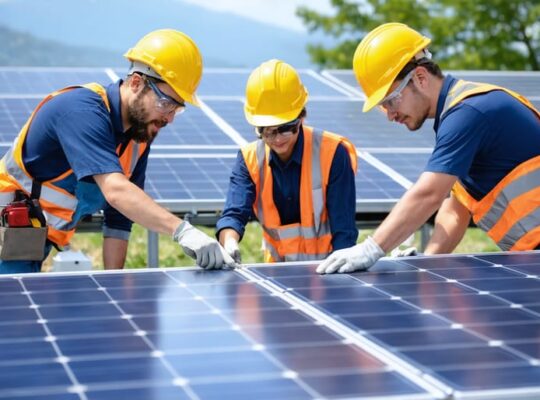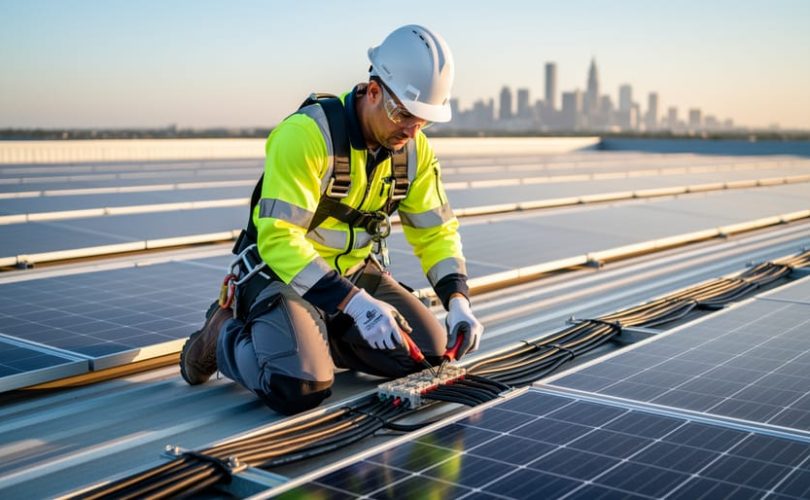
The solar industry’s rapid expansion has created an urgent demand for qualified maintenance professionals who can ensure photovoltaic systems operate at peak efficiency throughout their 25-plus year lifespan. As installations multiply across residential, commercial, and utility-scale sectors, the gap between available positions and certified technicians continues to widen, making professional certification not just valuable but increasingly essential for career advancement.
Maintenance certification programs validate your technical competency in diagnosing system failures, conducting preventive maintenance, and implementing safety protocols that protect both equipment and personnel. These credentials demonstrate to employers that you possess standardized knowledge of inverter troubleshooting, module degradation assessment, electrical testing procedures, and performance monitoring systems. Unlike general electrical certifications, specialized PV maintenance credentials address the unique challenges of DC systems, grounding requirements, and renewable energy equipment.
Certification requirements typically include completing accredited coursework covering system components, maintenance procedures, and safety standards, followed by passing rigorous examinations that test both theoretical knowledge and practical application. Programs vary in depth and focus, ranging from entry-level technician credentials to advanced certifications for system designers and project managers. Universities increasingly partner with industry organizations to develop curriculum that balances academic rigor with real-world applications, ensuring graduates understand both the engineering principles and hands-on techniques required in daily operations.
Pursuing the right certification program represents a strategic investment in your professional future, positioning you to capitalize on the solar industry’s projected growth while contributing to the global transition toward sustainable energy. Understanding which credentials align with your career goals requires evaluating program quality, industry recognition, and the specific competencies each certification develops.
The Critical Role of Maintenance in PV System Performance
Performance Degradation Without Proper Maintenance
Photovoltaic systems experience measurable performance degradation without consistent maintenance protocols. Research indicates that unmaintained solar installations typically lose 0.8-1.5% efficiency annually, significantly exceeding the 0.5% degradation rate of properly maintained systems. This accelerated decline translates directly into reduced energy production and diminished return on investment for system owners.
Common failure points include soiling accumulation, which can decrease output by 15-25% in dusty environments, and connector degradation that creates resistance hotspots. Inverter failures represent the most economically significant concern, with premature replacements costing $0.10-$0.15 per watt installed. Unchecked microcracks in solar cells propagate under thermal stress, while bypass diode failures can compromise entire module strings.
The economic consequences extend beyond immediate performance losses. Systems lacking preventive maintenance require reactive repairs averaging 40% higher costs than scheduled interventions. Over a 25-year system lifespan, deferred maintenance can erode 12-18% of total expected energy yield, representing substantial revenue loss for commercial operators and higher electricity costs for residential owners. Properly trained maintenance technicians certified in systematic inspection protocols can identify and address these issues before they escalate, protecting long-term system value and ensuring optimal energy generation throughout the installation’s operational life.
The Business Case for Certified Maintenance Personnel
The solar industry’s maturation has transformed certification from optional credential to business necessity. Asset owners and operators now routinely specify certified maintenance personnel in service contracts, recognizing that proper system care directly impacts return on investment. Equipment manufacturers increasingly tie warranty compliance to qualified technician involvement, meaning uncertified maintenance work can void coverage worth thousands of dollars per installation.
Insurance carriers have followed suit, with many policies requiring documented proof of certified personnel performing major maintenance activities. This shift reflects quantifiable risk reduction—certified technicians demonstrate lower incident rates and fewer costly errors compared to uncertified counterparts. For operations and maintenance companies, certification status has become a competitive differentiator in contract bidding processes.
Liability considerations further strengthen the certification case. When system failures occur, having certified professionals on record provides legal protection and demonstrates due diligence. This documentation proves particularly valuable during warranty claims or performance disputes. Educational institutions partnering with industry leaders now offer comprehensive certification programs that address these business realities while maintaining rigorous technical standards, ensuring graduates meet both operational competency requirements and commercial expectations that define today’s professional solar maintenance landscape.
What PV Operations and Maintenance Certification Entails
Core Curriculum Components
A comprehensive maintenance certification program covers several critical knowledge domains essential for solar professionals. The curriculum typically begins with electrical systems fundamentals, teaching participants to understand photovoltaic array configurations, inverter operations, and electrical safety standards specific to solar installations. This foundational knowledge ensures technicians can properly assess system performance and identify potential issues before they escalate.
Safety protocols form another cornerstone of certification training. Participants learn industry-standard procedures for working at heights, electrical lockout/tagout requirements, arc flash protection, and personal protective equipment usage. These protocols align with OSHA regulations and National Electrical Code standards, ensuring certified professionals maintain safe work environments.
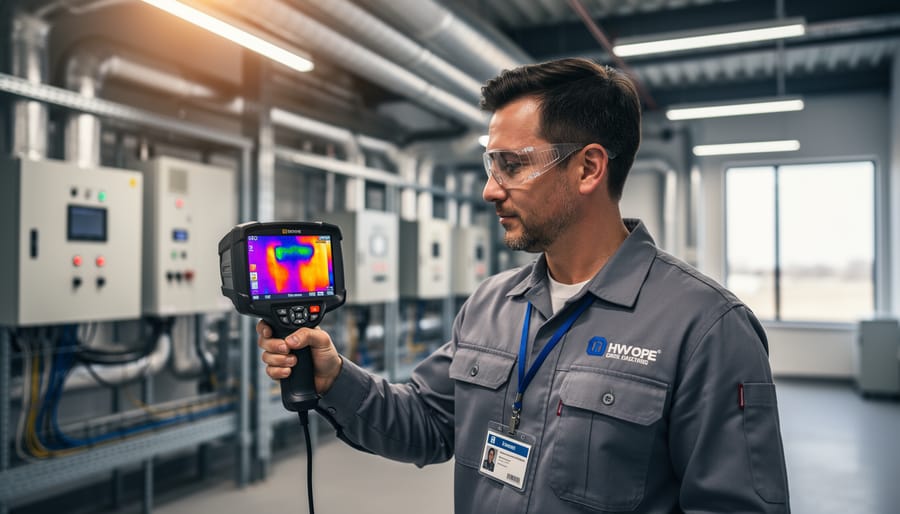
Diagnostic techniques represent a critical competency area where professionals master tools and methodologies for system troubleshooting. Training encompasses infrared thermography for hotspot detection, I-V curve analysis, ground fault identification, and performance ratio calculations. Many programs complement traditional instruction with online PV courses that provide flexible learning opportunities.
Component inspection modules teach systematic evaluation of solar panels, mounting structures, wiring systems, and balance-of-system equipment. Participants learn to identify common degradation patterns, mechanical failures, and environmental damage indicators.
Performance analysis training equips professionals with skills to interpret monitoring data, calculate energy yields, and benchmark system efficiency against expected outputs. This knowledge enables technicians to optimize system performance and provide valuable insights to system owners about their solar investments.
Hands-On Training Requirements
Practical competency forms the cornerstone of any credible maintenance certification program for photovoltaic systems. Beyond theoretical knowledge, technicians must demonstrate proficiency in real-world scenarios that mirror the challenges encountered in daily solar operations. Hands-on training components typically encompass several critical areas that validate a technician’s readiness for field work.
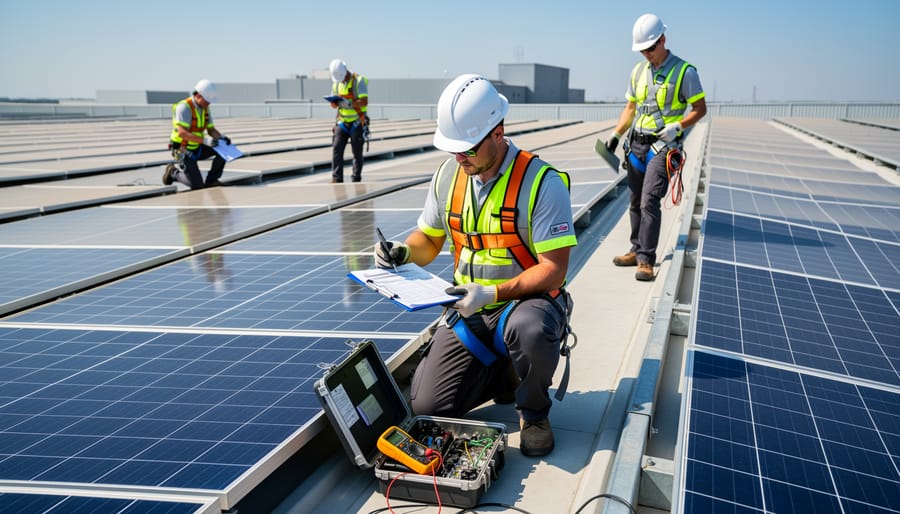
Equipment operation requirements include direct experience with industry-standard diagnostic tools such as digital multimeters, infrared cameras, and I-V curve tracers. Candidates must demonstrate proper safety protocols while testing voltage levels, current flow, and system continuity under various operating conditions. This practical assessment ensures technicians can safely navigate energized systems without compromising personal safety or equipment integrity.
Troubleshooting exercises simulate common performance issues including inverter malfunctions, module degradation, shading problems, and connection failures. Participants analyze system data, identify root causes, and implement appropriate corrective measures within specified timeframes. These scenarios develop critical thinking skills essential for minimizing downtime and optimizing energy production.
Real-world problem-solving modules often involve complete system assessments where candidates document findings, prioritize maintenance tasks, and recommend corrective actions. Many programs incorporate simulation environments or live demonstration systems to provide authentic learning experiences. Universities collaborating with industry leaders enhance these practical components by providing access to diverse system configurations and emerging technologies, ensuring graduates possess current, relevant skills valued by employers in the rapidly evolving renewable energy sector.
Key Competencies Gained Through Certification
Safety and Compliance Expertise
Professional photovoltaic maintenance certification programs place significant emphasis on safety and compliance expertise, recognizing that solar installations present unique hazards requiring specialized knowledge. Comprehensive training covers Occupational Safety and Health Administration (OSHA) requirements specific to renewable energy systems, including fall protection for rooftop installations, lockout/tagout procedures, and confined space protocols. Electrical safety standards form a critical component, with detailed instruction on National Electrical Code (NEC) Article 690 governing solar PV systems, proper use of personal protective equipment, and safe working distances from energized components.
Arc flash protocols receive particular attention due to the serious risks associated with DC electrical systems. Certification candidates learn to interpret arc flash labels, understand hazard boundaries, and implement appropriate safety measures when working on energized equipment. Programs aligned with industry best practices ensure graduates understand regulatory compliance requirements at federal, state, and local levels, including permitting processes and inspection procedures. This comprehensive safety foundation not only protects maintenance professionals in the field but also demonstrates to employers a commitment to workplace safety culture. Organizations partnering with universities to develop certification curricula often integrate the latest OSHA updates and evolving safety standards, ensuring training remains current with regulatory changes.
Advanced Diagnostic and Troubleshooting Skills
Comprehensive maintenance certification programs equip professionals with advanced diagnostic capabilities essential for identifying and resolving complex photovoltaic system issues. Mastery of specialized testing equipment forms the foundation of these skills, including multimeters for electrical measurements, insulation resistance testers, and ground fault detectors that ensure system safety and performance.
Thermal imaging technology represents a critical diagnostic tool that certified technicians must command proficiently. Infrared cameras detect temperature anomalies in solar arrays, revealing hidden problems such as hotspots, faulty bypass diodes, failing connections, and cell degradation before they escalate into costly failures. Interpreting thermal patterns requires training to distinguish between normal operational variations and genuine defects.
IV curve analysis provides detailed insight into photovoltaic module and array performance characteristics. This diagnostic technique measures current-voltage relationships under varying conditions, enabling technicians to identify specific issues including shading problems, module mismatch, degradation patterns, and inverter inefficiencies. Certification programs emphasize both equipment operation and data interpretation to support accurate troubleshooting decisions.
Systematic problem identification methodologies ensure technicians approach diagnostics logically rather than relying on trial-and-error approaches. Structured frameworks guide professionals through sequential testing procedures, from initial visual inspections to advanced electrical measurements, minimizing diagnostic time while maximizing accuracy. These methodologies incorporate documentation practices that create valuable maintenance records for long-term system optimization.
Programs developed through collaboration with universities integrate theoretical knowledge with practical application, ensuring certified professionals possess both conceptual understanding and hands-on competency with diagnostic technologies that drive effective photovoltaic system maintenance.
The University-Industry Collaboration Advantage
Academic Foundation Meets Real-World Application
The most effective maintenance certification programs bridge the gap between academic rigor and industry demands. University-developed curricula provide essential theoretical frameworks in photovoltaic system design, electrical engineering principles, and renewable energy physics. When combined with input from experienced industry professionals, these programs deliver comprehensive training that prepares technicians for real-world challenges they’ll encounter in the field.
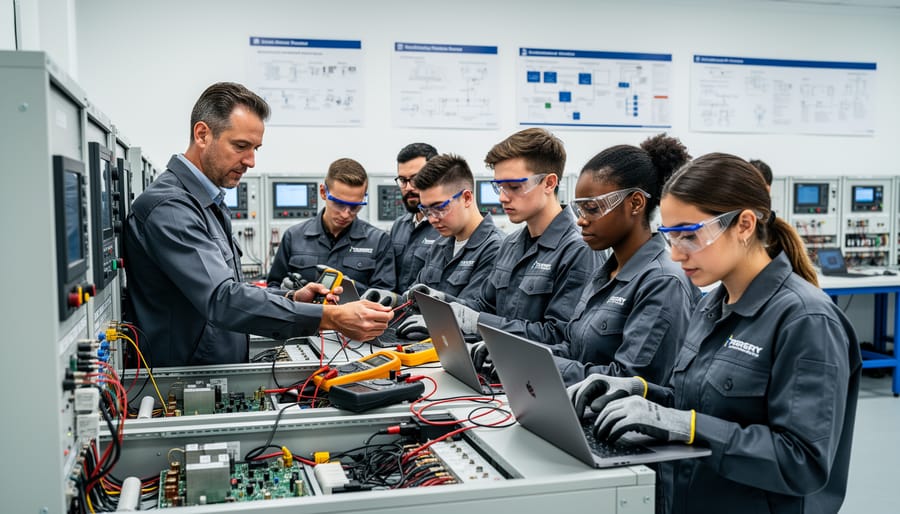
This dual approach ensures participants understand not only how to perform maintenance tasks correctly but also why specific procedures matter for system longevity and performance. Leading PV training programs incorporate laboratory experiences with actual solar equipment, case studies from operating installations, and troubleshooting scenarios based on common field conditions. Academic institutions contribute evidence-based best practices and cutting-edge research findings, while industry partners provide current market insights, equipment specifications, and evolving safety standards. This collaborative model produces certification programs that meet employer expectations while maintaining educational integrity, ultimately creating maintenance professionals who can adapt to technological advances and contribute meaningfully to solar installation success from day one.
Access to Cutting-Edge PV Technology
Partnership-based maintenance certification programs offer participants unprecedented access to the latest photovoltaic innovations, ensuring training remains relevant in this rapidly evolving field. Through university collaborations, certification candidates gain hands-on experience with cutting-edge technologies that are shaping the industry’s future.
Modern programs expose technicians to advanced monocrystalline PERC (Passivated Emitter and Rear Cell) panels, which deliver superior efficiency rates compared to conventional modules. Participants learn proper handling, installation considerations, and maintenance protocols specific to these high-performance systems. Additionally, training encompasses emerging technologies like building-integrated photovoltaics, including solar tiles and facade systems that blur the line between architectural elements and energy generation.
University partnerships facilitate access to research laboratories where next-generation technologies are being developed and tested. Certification candidates may encounter bifacial modules, tandem solar cells, and advanced inverter technologies before they become mainstream. This early exposure positions certified professionals as knowledgeable experts who can confidently service diverse PV systems.
Furthermore, collaborative programs frequently update curricula to reflect technological advancements, ensuring graduates possess current knowledge rather than outdated information. This commitment to staying abreast of industry innovations distinguishes quality certification programs from static training courses, ultimately preparing professionals to maintain tomorrow’s solar infrastructure with expertise and confidence.
Career Pathways and Professional Advantages
Employment Opportunities in the Growing Solar Sector
The solar industry’s rapid expansion has created substantial demand for certified photovoltaic maintenance professionals. According to the U.S. Bureau of Labor Statistics, solar photovoltaic installer positions are projected to grow significantly faster than average occupations through 2032, with maintenance technicians experiencing parallel growth as the installed solar capacity continues expanding.
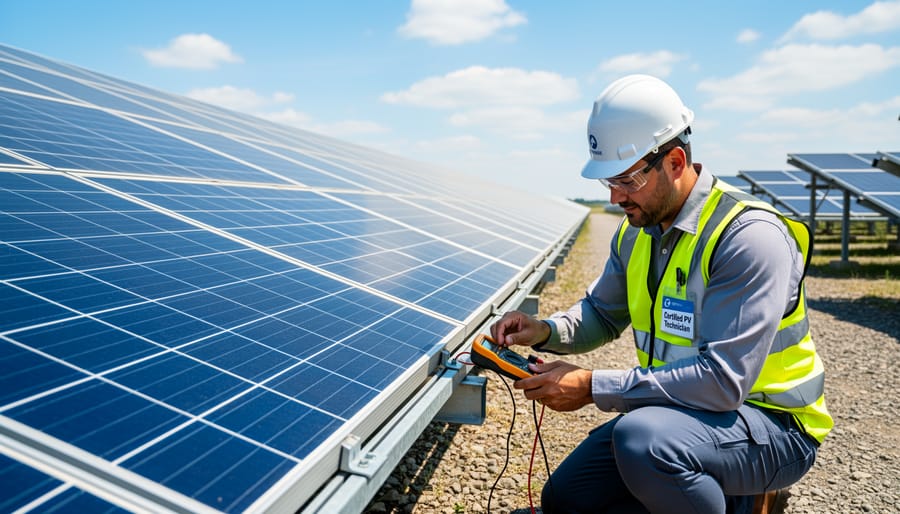
Certified PV maintenance technicians find employment across diverse sectors. Utility-scale solar farms require dedicated maintenance teams to optimize performance across thousands of panels. Commercial building owners increasingly seek certified professionals to service rooftop installations. Residential solar companies hire technicians for routine maintenance contracts and warranty service. Additionally, independent service contractors, equipment manufacturers, and engineering consulting firms actively recruit certified professionals.
Geographic opportunities cluster in regions with substantial solar deployment. California, Texas, Florida, Arizona, and Nevada lead in installed capacity, offering abundant positions. However, emerging markets in the Southeast and Midwest are expanding rapidly as solar adoption increases nationwide. International opportunities also exist, particularly in European markets and developing nations investing heavily in renewable infrastructure.
Certification provides competitive advantages in hiring processes, often commanding higher starting salaries compared to non-certified applicants. Many employers specifically require certification in job postings, making credentials essential for accessing premium positions. Universities collaborating with industry-recognized programs help students transition smoothly into these growing career pathways.
Compensation and Advancement Potential
Certified photovoltaic maintenance technicians typically earn 15-25% higher salaries compared to their non-certified counterparts, with compensation varying by geographic location, experience level, and specialized skills. Entry-level certified technicians can expect annual salaries ranging from $42,000 to $55,000, while experienced professionals with advanced certifications often command $65,000 to $85,000 or more. Organizations increasingly recognize certification as evidence of competence, making it a valuable differentiator in competitive job markets.
Career progression opportunities expand significantly with certification credentials. Technicians can advance into supervisory roles, quality assurance positions, or specialized maintenance planning functions. Many professionals pursue solar career advancement through specialization paths including large-scale utility operations, residential installation oversight, or emerging technologies like battery energy storage systems integration.
Specialization pathways offer diverse opportunities for certified professionals. Some technicians focus on diagnostic and troubleshooting expertise, becoming go-to specialists for complex system failures. Others develop proficiency in specific equipment brands or technologies, establishing themselves as subject matter experts. Additional certifications in electrical systems, safety protocols, or project management further enhance earning potential and create pathways toward consulting roles or independent contractor opportunities within the expanding renewable energy sector.
Selecting the Right Certification Program
Accreditation and Industry Recognition
Nationally recognized certifications serve as crucial benchmarks for professional competence in photovoltaic system maintenance. Organizations such as the North American Board of Certified Energy Practitioners (NABCEP) and the Electronics Technicians Association International (ETA) provide third-party validation that confirms technicians meet established industry standards. These credentials demonstrate to employers that certificate holders possess verified knowledge in solar panel diagnostics, electrical safety protocols, and system troubleshooting.
Employer acceptance varies significantly across certification programs. NABCEP certifications remain the gold standard, with most utility-scale solar companies and commercial installation firms requiring or strongly preferring these credentials for hiring and advancement. State-level certifications may satisfy local regulatory requirements but often carry limited recognition beyond specific jurisdictions. Programs developed through university collaborations typically combine academic rigor with practical training, offering graduates credentials that employers view favorably due to their comprehensive curriculum structure.
Third-party validation eliminates concerns about self-assessment or inadequate training quality. Independent testing ensures candidates demonstrate actual competency rather than simply completing coursework. This external verification protects both employers seeking qualified technicians and consumers relying on properly maintained solar installations for long-term energy production and system reliability.
Online vs. In-Person Training Considerations
Choosing between online and in-person training formats requires careful consideration of your learning preferences and practical needs. Traditional classroom settings offer direct hands-on experience with photovoltaic equipment, immediate instructor feedback, and networking opportunities with peers. These programs excel at developing tactile skills through supervised panel installations, troubleshooting exercises, and system diagnostics.
However, quality online certification programs have evolved significantly, incorporating virtual simulations, interactive modules, and hybrid components that address practical training requirements. Many reputable programs partner with universities and regional training centers to provide hands-on lab sessions, complementing online theoretical instruction. This blended approach offers flexibility for working professionals while maintaining educational rigor.
Online formats provide advantages including geographic accessibility, self-paced learning, and cost-effectiveness by eliminating travel expenses. They accommodate diverse schedules without compromising content quality. When evaluating online programs, verify they include practical assessment components, offer technical support, and maintain accreditation standards equivalent to in-person counterparts. Programs developed through university collaborations typically ensure comprehensive coverage of both theoretical knowledge and applied competencies essential for effective PV system maintenance.
Pursuing photovoltaic maintenance certification represents a strategic investment in both professional development and the global renewable energy transition. As solar installations continue expanding worldwide, the demand for qualified technicians who can ensure system reliability and performance has never been greater. Certification validates your technical competence while demonstrating commitment to industry best practices, positioning you as a trusted professional in this rapidly evolving field.
For aspiring solar professionals, maintenance certification opens doors to rewarding career opportunities across residential, commercial, and utility-scale sectors. Certified technicians command higher salaries, enjoy greater job security, and contribute meaningfully to reducing carbon emissions through optimal system performance. Every properly maintained solar array represents measurable environmental impact, transforming professional expertise into tangible climate action.
The certification journey extends beyond credential acquisition. Through comprehensive training programs—particularly those developed in collaboration with universities—professionals gain deep understanding of electrical systems, safety protocols, diagnostic techniques, and emerging technologies. This knowledge base supports continuous career advancement as the industry evolves.
Choosing a maintenance certification program affiliated with respected educational institutions ensures curriculum rigor and industry recognition. These partnerships combine academic excellence with practical application, preparing professionals to meet real-world challenges while maintaining the highest safety and quality standards.
As the renewable energy sector matures, certified maintenance professionals serve as essential guardians of system reliability and performance. Your certification journey represents more than personal achievement—it’s a contribution to sustainable energy infrastructure that will power communities for decades to come.