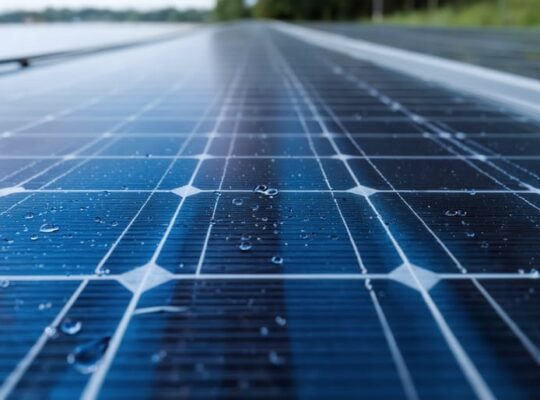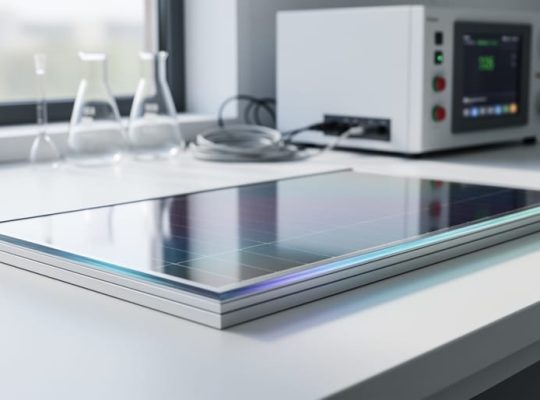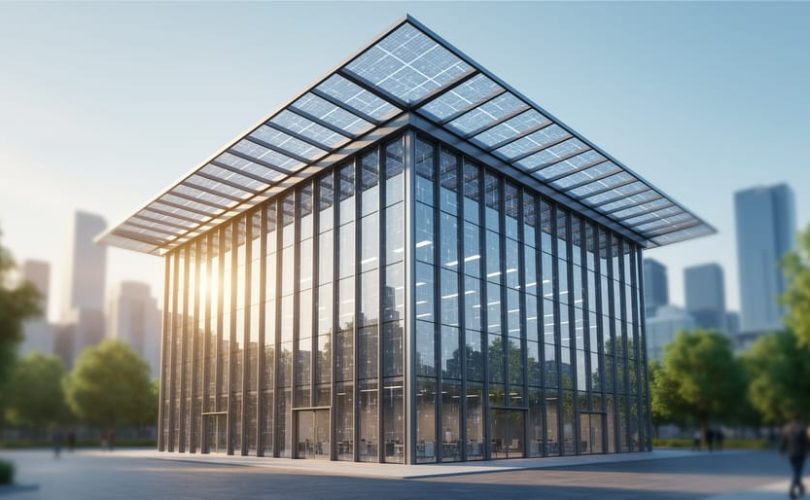
Building-Integrated Photovoltaics (BIPV) represent a transformative shift in solar energy technology, where photovoltaic materials replace conventional building components while simultaneously generating electricity. Unlike traditional rack-mounted solar panels added after construction, BIPV systems serve dual functions as both architectural elements and power generators, integrated directly into facades, roofing, windows, and shading devices during the construction phase.
The global BIPV market has accelerated dramatically as architects, engineers, and developers recognize the aesthetic and functional advantages of seamlessly merging energy generation with building design. Manufacturing these sophisticated products requires specialized techniques that balance electrical performance, structural integrity, weather resistance, and architectural aesthetics. From crystalline silicon cells embedded in glass curtain walls to thin-film photovoltaics laminated onto flexible roofing membranes, the production processes demand precision engineering and quality control standards far exceeding conventional solar panel requirements.
Understanding BIPV manufacturing and integration techniques has become essential knowledge for photovoltaic professionals entering this specialized sector. The technical complexities span materials science, electrical engineering, building codes, and construction methodologies. Modern BIPV products must withstand decades of thermal cycling, moisture exposure, and mechanical stress while maintaining power output warranties comparable to traditional solar installations.
This comprehensive guide examines the complete pipeline from raw materials to finished installations, exploring manufacturing processes, quality assurance protocols, integration methods, and emerging innovations shaping the future of building-integrated renewable energy systems. Whether designing net-zero buildings or advancing photovoltaic technology, mastering these fundamentals establishes the foundation for professional competence in this rapidly expanding field.
What Makes BIPV Panels Different from Conventional Solar Modules
Structural and Aesthetic Requirements
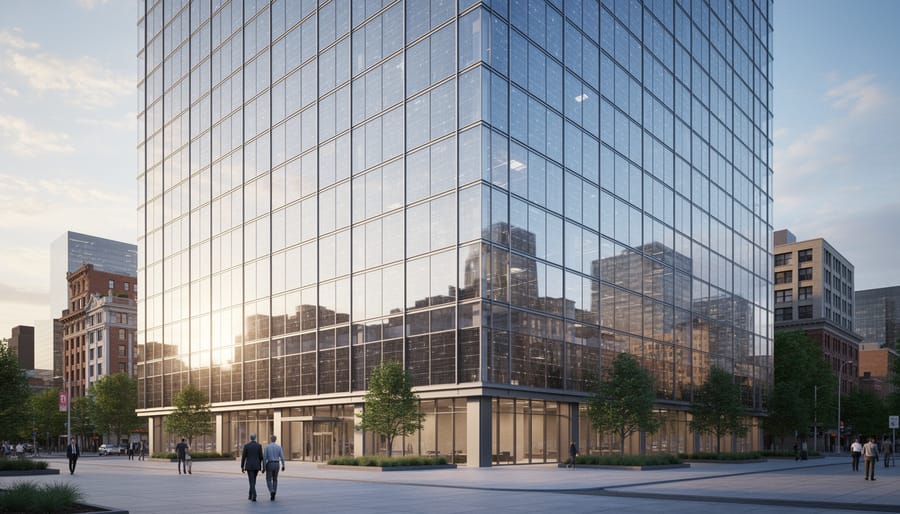
BIPV panels function as integral building components, requiring them to satisfy stringent structural and aesthetic standards beyond conventional photovoltaic systems. These multifunctional elements must comply with local building codes and international construction standards, including wind load calculations, seismic requirements, and fire safety regulations that vary by jurisdiction and building type.
From a structural perspective, BIPV modules must demonstrate adequate load-bearing capacity to support their own weight plus additional environmental stresses. Manufacturers conduct rigorous testing to certify that panels can withstand snow accumulation, wind pressure, and thermal expansion cycles without compromising building integrity. The mounting systems and integration methods must distribute loads appropriately across the building envelope, often requiring collaboration between photovoltaic engineers and structural architects during the design phase.
Weather resistance constitutes another critical requirement. BIPV panels undergo testing for water penetration, UV degradation, freeze-thaw cycles, and impact resistance to ensure long-term performance as building materials. Industry certifications typically include IP ratings for moisture protection and hail impact classifications that exceed those required for conventional rooftop installations.
Design flexibility has emerged as a distinguishing feature of modern BIPV technology. Manufacturers now offer customizable options including varied colors, transparency levels, textures, and form factors that accommodate diverse architectural visions. Semi-transparent modules enable daylighting strategies in facades and canopies, while colored cells and custom patterns allow integration into historically sensitive or aesthetically demanding projects. This design versatility enables architects to maintain creative control while meeting renewable energy objectives, transforming functional solar technology into expressive architectural elements that enhance rather than compromise building aesthetics.
Performance Expectations vs. Traditional Modules
BIPV modules face unique performance challenges compared to traditional PV modules due to their dual functionality as both building materials and energy generators. Standard PV modules typically achieve efficiency ratings between 18-22%, while BIPV products often range from 15-19% due to aesthetic requirements, transparency needs, and installation angle constraints. However, BIPV manufacturers compensate through enhanced durability standards, as these products must meet both electrical performance certifications and stringent building material codes.
Durability testing for BIPV extends beyond standard IEC 61215 protocols to include thermal cycling, mechanical load testing, and weatherproofing requirements specific to facade and roofing applications. This dual compliance ensures products withstand building envelope stresses while maintaining energy generation over 25-30 year lifespans.
Warranty structures differ significantly between product types. Traditional modules typically offer 25-year performance warranties guaranteeing 80-85% output retention. BIPV warranties must cover both energy production and building material integrity, with manufacturers often providing separate guarantees for structural performance, waterproofing, and power generation. Understanding these distinctions helps professionals make informed specification decisions when designing integrated solar building systems.
Core Manufacturing Techniques for BIPV Panels
Cell Technology Selection and Processing
Building-integrated photovoltaic systems require careful consideration of cell technology to balance efficiency, aesthetics, and structural requirements. The three primary cell technologies utilized in BIPV applications—monocrystalline, multi-crystalline, and PERC cell technologies—each offer distinct advantages for specific integration scenarios.
Monocrystalline cells deliver the highest efficiency rates, typically ranging from 20-24%, making them ideal for BIPV applications where space is limited, such as building facades or rooftop systems with constrained surface areas. Their uniform black appearance also provides a sleek aesthetic that architects often prefer for modern commercial structures. Research collaborations between industry manufacturers and universities have demonstrated that monocrystalline cells perform exceptionally well in low-light conditions, a critical factor for vertically-mounted facade installations.
Multi-crystalline cells, while offering slightly lower efficiency at 17-20%, present a cost-effective solution for larger BIPV installations where budget constraints are significant. Their distinctive blue coloration can complement certain architectural designs, particularly in educational facilities and industrial buildings where aesthetic uniformity is less critical.
PERC technology has emerged as a game-changer in BIPV manufacturing, enhancing cell performance through rear-surface passivation that reduces electron recombination. This innovation increases efficiency by 1-2 percentage points compared to standard cells, making PERC particularly valuable for semi-transparent BIPV applications like skylights and curtain walls, where maximizing light transmission while generating power is essential. Educational programs now emphasize PERC processing techniques as fundamental knowledge for aspiring photovoltaic professionals entering the building integration sector.
Encapsulation and Lamination Methods
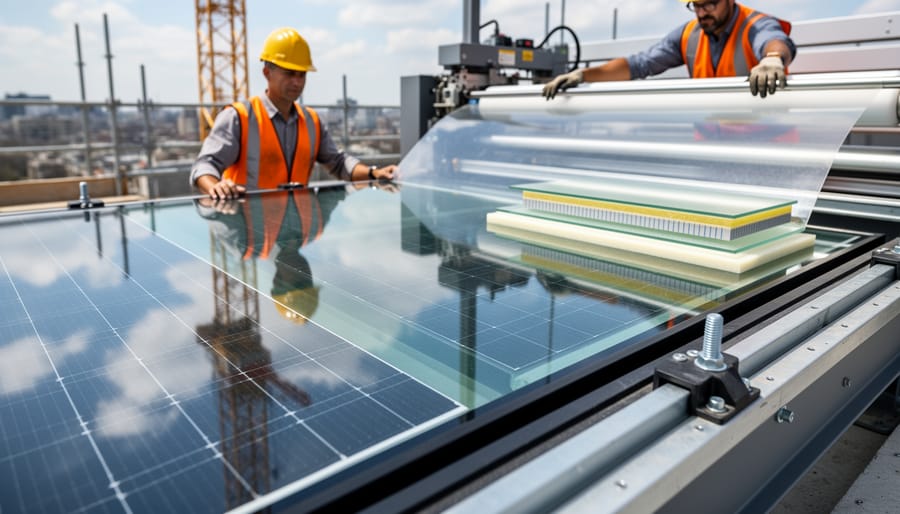
Building-integrated photovoltaic panels require specialized encapsulation and lamination techniques that differ from conventional solar manufacturing processes. The lamination process bonds photovoltaic cells between protective layers using encapsulant materials that ensure long-term durability and performance within building envelopes.
Ethylene-vinyl acetate (EVA) remains the most widely used encapsulant due to its excellent optical transparency, adhesion properties, and cost-effectiveness. The material undergoes vacuum lamination at temperatures between 140-150°C, creating a hermetic seal that protects cells from moisture infiltration and mechanical stress. Polyvinyl butyral (PVB), traditionally used in architectural glazing, offers superior acoustic dampening and enhanced safety characteristics for overhead applications, though it requires careful moisture management during processing.
Ionomer-based encapsulants have gained prominence in premium BIPV applications, providing exceptional weathering resistance and maintaining clarity over extended service periods. These thermoplastic materials enable lower processing temperatures and facilitate potential module recycling at end-of-life.
Advanced lamination techniques for BIPV incorporate edge-sealing technologies and moisture barriers specifically engineered for building envelope integration. Research collaborations with universities continue exploring novel encapsulation materials that enhance both energy performance and architectural functionality while meeting stringent building codes.
Glass and Substrate Engineering
Glass selection represents a critical engineering decision in BIPV panel design, directly impacting structural integrity, light transmission, and energy yield. Tempered glass serves as the primary substrate for most BIPV applications, offering four to five times greater strength than standard annealed glass while maintaining the ability to withstand thermal stress and mechanical loads inherent in building facades and roofing systems.
Low-iron glass has become the preferred material for premium BIPV installations due to its enhanced light transmittance. Standard float glass contains iron impurities that absorb light in the blue spectrum, reducing transmission by 8-10%. Low-iron variants minimize this absorption, achieving light transmission rates exceeding 91% and improving overall module efficiency by 3-5%. This advantage proves particularly valuable in semi-transparent BIPV designs where balancing natural daylighting with energy generation remains paramount.
Alternative substrates including laminated glass composites and specialized polymers continue gaining traction for specific applications. Lightweight polymer substrates enable flexible BIPV solutions for curved architectural elements, while dual-pane insulated glass units incorporate photovoltaic cells between layers, combining thermal insulation properties with electricity generation. These engineered solutions demonstrate the industry’s ongoing collaboration with materials science research institutions to expand BIPV design possibilities across diverse architectural contexts.
BIPV Product Categories and Manufacturing Variations
Solar Facade Panels and Curtain Wall Systems
Manufacturing solar facade panels and curtain wall systems presents unique technical challenges compared to traditional rooftop applications. These vertical installations require specialized production processes that balance energy generation with architectural aesthetics and building envelope functionality.
Semi-transparency represents a critical design parameter for facade applications. Manufacturers achieve this through controlled spacing between photovoltaic cells within laminated glass units, creating see-through patterns that maintain natural daylighting while generating electricity. The spacing ratio, typically ranging from 10% to 40% coverage, directly influences both power output and visual transparency. Advanced production lines incorporate precision robotic placement systems to ensure consistent cell positioning and electrical interconnection within these custom configurations.
Mounting system integration demands close coordination between panel manufacturers and curtain wall suppliers. Structural considerations include thermal expansion coefficients, wind load calculations, and seismic requirements specific to vertical installations. Many manufacturers now collaborate with universities to develop standardized mounting profiles that accommodate various building designs while maintaining weatherproofing integrity.
Architectural customization options extend beyond transparency levels to include colored glass substrates, varied cell patterns, and custom dimensions matching specific building modules. Digital printing technologies enable additional aesthetic layers without compromising performance. Educational program offerings from leading manufacturers help architects and engineers understand these design possibilities early in project development, ensuring successful integration between building envelope requirements and photovoltaic functionality.
Solar Roof Tiles and Shingles
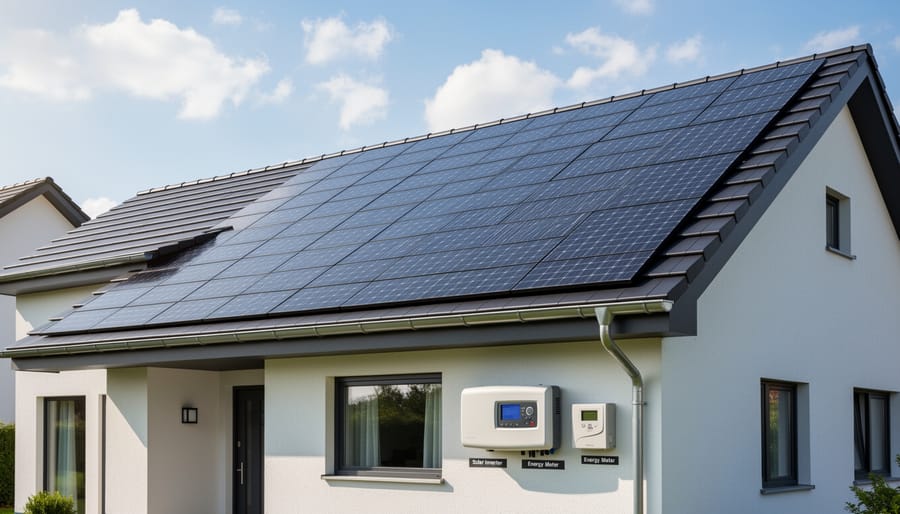
Solar roof tiles and shingles represent a sophisticated evolution in BIPV manufacturing, requiring specialized production techniques that balance aesthetic authenticity with photovoltaic performance. Unlike conventional solar panels, these products must seamlessly replicate traditional roofing materials in size, texture, and installation methods while maintaining electricity generation capabilities.
Manufacturing these smaller-format products involves precision cutting of photovoltaic cells into custom shapes that accommodate overlap designs essential for weatherproofing. Advanced encapsulation processes protect the cells within durable housings made from tempered glass, polymer composites, or ceramic materials that mimic slate, clay, or asphalt shingles. The overlap design is critical, allowing tiles to interlock while maintaining electrical connectivity through concealed wiring systems or integrated connector clips.
Weatherproofing standards for solar tiles exceed those of standard panels, as products must withstand direct exposure to wind-driven rain, freeze-thaw cycles, and thermal expansion across decades of service. Manufacturers collaborate with universities to develop enhanced sealing techniques and conduct accelerated weathering tests that simulate extreme conditions. Leading programs offer specialized training modules on installation procedures specific to solar roofing products, addressing unique challenges like maintaining proper drainage planes and ensuring electrical safety during standard roofing practices. Quality assurance protocols verify both waterproofing integrity and sustained electrical output under diverse environmental stresses.
Skylight and Canopy Modules
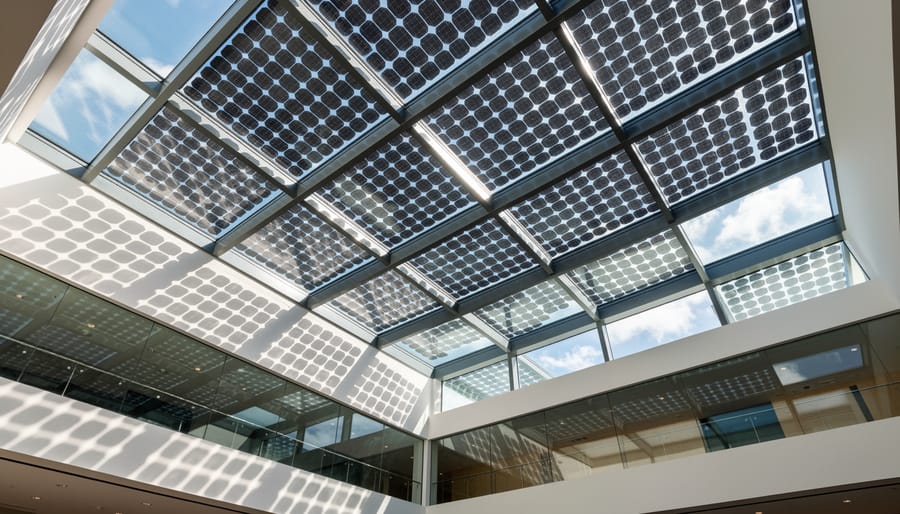
Skylight and canopy modules represent specialized BIPV applications where semi-transparency becomes essential for maintaining natural illumination while generating electricity. Manufacturers achieve this balance through strategic cell spacing techniques, where photovoltaic cells are positioned with calculated gaps between them, allowing daylight to filter through the module. The spacing ratio typically ranges from 10% to 50% transparency, depending on the application’s lighting requirements and aesthetic preferences.
Glass treatments play a crucial role in these overhead installations. Low-iron glass maximizes light transmission and solar cell efficiency, while tempered or laminated glass options ensure structural integrity and safety compliance for overhead applications. Some manufacturers incorporate advanced coatings that enhance light diffusion, creating even illumination patterns while reducing glare.
Manufacturing processes for these modules must address unique weatherproofing challenges, as skylights and canopies face direct exposure to rain, snow, and debris accumulation. Enhanced edge sealing and drainage-friendly framing systems prevent water infiltration. Collaboration between manufacturers and universities has led to innovative interlayer materials that improve both transparency control and thermal performance.
Integration considerations include structural load calculations, building code compliance for overhead glazing, and electrical connections that accommodate expansion joints. These modules increasingly feature in commercial atriums, transit stations, and parking structures, where they simultaneously reduce lighting costs and generate renewable energy.
Integration Techniques: From Factory to Building Envelope
Mounting and Attachment Systems
Successful BIPV integration depends critically on robust mounting and attachment systems that address both structural demands and architectural aesthetics. Unlike conventional solar installations, BIPV systems must function as integral building components, requiring specialized framing systems that accommodate thermal expansion, building movement, and long-term material compatibility.
Mechanical fastening systems represent the primary attachment method for most BIPV applications. Aluminum framing profiles provide lightweight yet durable support structures, featuring interlocking rail systems that distribute wind loads and dead weight across the building envelope. These frames incorporate pressure equalization channels and drainage pathways to manage moisture infiltration effectively. Advanced clip systems allow for precise panel positioning while maintaining electrical isolation from structural elements.
Adhesive bonding technologies have emerged as viable alternatives for curtain wall and facade applications where visible fasteners compromise design integrity. Structural silicones and polyurethane-based adhesives create weathertight seals while accommodating differential movement between dissimilar materials. These systems require rigorous surface preparation and precise application protocols validated through peel and shear testing.
For standing-seam metal roof integration, concealed clip attachments eliminate roof penetrations, preserving waterproofing integrity. Collaboration between BIPV manufacturers, architectural firms, and structural engineers ensures attachment systems meet regional building codes and withstand site-specific environmental loads. Professional training programs increasingly emphasize proper installation techniques, recognizing that mounting system failures account for significant performance degradation and warranty claims in deployed BIPV systems.
Electrical System Integration
Electrical system integration for BIPV installations presents unique challenges compared to conventional rack-mounted solar arrays. The dual-purpose nature of these systems requires careful coordination between electrical design and architectural elements to ensure both safety and optimal performance.
Wiring strategies for BIPV installations must account for the distributed nature of building-integrated modules. String configurations typically follow building geometry rather than optimal electrical layouts, requiring designers to balance series-parallel arrangements with aesthetic requirements. Concealed conduit routing within building cavities eliminates visible wiring while maintaining code compliance. Many installations employ module-level power electronics (MLPE) such as microinverters or DC optimizers to mitigate shading losses and improve system monitoring capabilities.
Inverter placement requires strategic consideration of accessibility, ventilation, and proximity to the main service panel. Wall-mounted inverters in mechanical rooms or basement locations provide protection from weather while facilitating maintenance access. For larger commercial installations, string inverters may be distributed across multiple locations to reduce DC voltage drop and improve system redundancy.
Junction box design for BIPV modules incorporates weatherproofing rated to match building envelope standards, typically IP67 or higher. These boxes must accommodate thermal expansion differentials between the module and building structure while maintaining reliable electrical connections. Many manufacturers integrate junction boxes directly into module frames to streamline installation and reduce potential failure points.
Electrical code compliance follows National Electrical Code (NEC) Article 690 requirements, with additional considerations for rapid shutdown systems, arc-fault protection, and structural grounding. Building-integrated installations must also satisfy local building codes governing exterior electrical equipment and fire safety pathways. Working with certified electrical contractors experienced in both solar installations and commercial building systems ensures comprehensive compliance and long-term system reliability.
Building System Coordination
Successful BIPV implementation requires careful coordination with multiple building systems to optimize performance and occupant comfort. The integration of photovoltaic facades and roofing elements significantly impacts thermal dynamics, necessitating adjustments to HVAC system specifications. BIPV installations create additional thermal mass and can alter heat transfer patterns, potentially reducing cooling loads in summer while affecting heating requirements during winter months.
Building management systems must incorporate BIPV monitoring capabilities to track energy generation, panel temperatures, and system efficiency in real time. This data integration enables facility managers to optimize overall energy consumption and identify maintenance needs proactively. Advanced BMS platforms can coordinate BIPV output with battery storage systems and grid connectivity for maximum efficiency.
Ventilation requirements demand particular attention, especially with facade-integrated systems. Proper air gaps between BIPV modules and building envelopes prevent excessive heat buildup that could compromise both panel efficiency and interior comfort. Research collaborations with universities have demonstrated that optimized ventilation channels can improve panel efficiency by 5-15 percent while reducing HVAC operational costs. Architects and engineers must work closely during design phases to establish ventilation pathways, electrical routing, and thermal bridge mitigation strategies that ensure seamless system integration without compromising building envelope integrity or energy performance.
Quality Control and Testing Standards for BIPV
Dual Certification Requirements
Building-integrated photovoltaic panels must satisfy two distinct certification frameworks to ensure both electrical performance and structural integrity. From the photovoltaic perspective, BIPV modules undergo testing according to IEC 61215 for crystalline silicon products or IEC 61646 for thin-film technologies, which verify electrical output, durability through thermal cycling, and resistance to environmental stress. Additionally, IEC 61730 certification addresses electrical and mechanical safety requirements specific to photovoltaic modules.
Beyond electrical standards, BIPV products must meet conventional building material regulations since they function as structural envelope components. Fire resistance classifications vary by jurisdiction but typically follow ASTM E108 or equivalent European standards, with ratings ranging from Class A to Class C based on flame spread and ignition resistance. Structural load certifications verify the panel’s capacity to withstand wind uplift, snow accumulation, and seismic forces according to local building codes. Weatherproofing standards ensure adequate water penetration resistance, with testing protocols measuring performance under simulated rain conditions and thermal expansion cycles.
Many universities collaborating with industry leaders now incorporate these dual certification requirements into their photovoltaic engineering curricula, preparing professionals to navigate both electrical and architectural compliance frameworks effectively.
Long-Term Performance Testing
Long-term performance testing ensures BIPV panels withstand decades of building envelope exposure while maintaining power generation efficiency. Accelerated aging tests simulate years of environmental stress through concentrated ultraviolet radiation exposure, humidity-freeze cycles, and mechanical load applications. These assessments typically follow IEC 61215 and IEC 61646 standards, adapted for architectural applications that demand extended durability beyond conventional solar panel requirements.
Thermal cycling protocols subject BIPV modules to temperature extremes ranging from -40°C to +85°C, testing material expansion differentials between glass, photovoltaic cells, and encapsulation layers. Building-integrated applications face unique challenges including reduced ventilation behind modules, creating higher operating temperatures that accelerate degradation. Testing facilities conduct damp heat exposure at 85°C and 85% relative humidity for 1,000-hour periods, identifying potential delamination or corrosion issues.
Durability assessments specific to facade and roofing integration include hail impact resistance testing, wind load simulations, and water penetration analysis under various pressure conditions. Universities collaborate with manufacturers to develop testing protocols that address architectural glazing requirements, including edge seal integrity and structural bonding performance over projected 30-year service lives.
Emerging Innovations in BIPV Manufacturing
Advanced Materials and Transparent Solar Cells
The evolution of BIPV technology increasingly relies on advanced materials that expand aesthetic and functional possibilities beyond traditional crystalline silicon. Perovskite cells represent a breakthrough in transparent solar technology, offering tunable opacity levels and simplified manufacturing processes through solution-based deposition methods. These materials achieve impressive power conversion efficiencies while maintaining varying degrees of transparency, making them ideal for window applications.
Organic photovoltaics provide another avenue for architectural integration, featuring lightweight, flexible substrates that can be manufactured using roll-to-roll printing techniques. Their semitransparent nature and diverse color options enable designers to create visually striking facades without compromising energy generation. Quantum dot technologies further enhance BIPV capabilities by selectively absorbing specific wavelengths while allowing visible light transmission, creating opportunities for innovative glazing solutions.
Research collaborations between manufacturers and universities continue advancing these materials toward commercial viability. Educational programs increasingly emphasize these emerging technologies, preparing the next generation of professionals to implement advanced BIPV solutions that balance architectural aesthetics, energy performance, and manufacturing scalability.
Digital Manufacturing and Customization
Digital manufacturing technologies are revolutionizing the architectural flexibility and economic feasibility of building-integrated photovoltaic systems. Advanced automation in cell processing and module assembly has significantly reduced production costs while enabling precise customization for specific architectural requirements. Robotic handling systems ensure consistent quality across diverse panel configurations, from standard rectangular units to complex curved geometries.
Digital printing techniques represent a particularly transformative advancement, allowing manufacturers to apply custom colors, patterns, and textures directly onto solar cells or encapsulation layers. This ceramic frit printing technology maintains energy conversion efficiency while delivering aesthetic options that meet architectural design specifications. Universities collaborating with industry partners have developed sophisticated color-matching algorithms that balance visual appeal with photovoltaic performance.
Mass customization platforms now enable architects and developers to specify precise dimensions, transparency levels, and visual characteristics through digital interfaces. Computer-aided design integration streamlines the transition from architectural vision to manufactured product, reducing lead times from months to weeks. These manufacturing innovations, combined with parametric design software, have made architecturally distinctive BIPV solutions economically competitive with conventional building materials, expanding market accessibility beyond premium projects to include mid-range commercial and residential applications.
Economic and Environmental Considerations
Cost Analysis and Market Trends
BIPV systems typically cost between $300-$600 per square meter, representing a premium of 30-50% over conventional photovoltaic installations. However, this comparison becomes misleading when accounting for displaced building materials. When BIPV replaces traditional cladding, glazing, or roofing materials, the net additional cost often decreases to $100-$200 per square meter, significantly improving economic viability.
Manufacturing expenses comprise approximately 40% of total BIPV costs, with crystalline silicon modules and thin-film technologies each presenting distinct cost profiles. Installation accounts for another 30-35%, though this varies considerably based on system complexity and integration type. Facade installations generally require higher labor investment than rooftop applications due to structural considerations and weatherproofing requirements.
Market trends indicate steady price reductions of 6-8% annually, driven by manufacturing scale improvements and enhanced production efficiency. Research collaborations between industry leaders and universities are accelerating cost-reduction innovations, particularly in lamination processes and automated quality control systems. Educational programs are increasingly incorporating BIPV cost-benefit analysis, preparing professionals to evaluate projects using total building lifecycle metrics rather than simple payback calculations. This holistic approach reveals that BIPV systems often achieve cost parity with conventional building envelopes over 20-25 year periods while generating renewable energy.
Life Cycle Assessment and Sustainability Impact
Building-integrated photovoltaic systems demonstrate strong sustainability credentials despite their environmental footprint during manufacturing. Life cycle assessments reveal that BIPV panels typically achieve energy payback within 2-4 years, significantly shorter than the 25-30 year operational lifespan. The manufacturing process involves energy-intensive steps including silicon purification and glass production, yet these emissions are offset through decades of clean electricity generation. BIPV systems offer distinct sustainability advantages over conventional installations by eliminating redundant materials—replacing traditional building facades rather than adding extra components. This dual functionality reduces overall material consumption and associated emissions. Universities collaborating on BIPV research have documented carbon footprint reductions of 30-50% compared to separate building envelopes plus rooftop solar installations. Furthermore, BIPV contributes to building energy independence by generating power at the point of consumption, reducing transmission losses and grid dependency while supporting net-zero energy building objectives essential for sustainable urban development.
The convergence of building science and photovoltaic technology represents a transformative shift in how we conceptualize and construct the built environment. Building-integrated photovoltaic manufacturing and integration techniques have evolved from experimental applications into commercially viable solutions that address both energy generation and architectural functionality. This dual-purpose approach fundamentally reimagines building envelopes as active energy-producing systems rather than passive structural elements.
As manufacturing processes continue to advance through innovations in thin-film deposition, precision glass engineering, and customization technologies, BIPV products are becoming increasingly accessible and versatile. The integration techniques discussed throughout this article demonstrate that successful implementation requires interdisciplinary knowledge spanning photovoltaic engineering, construction methodology, building physics, and electrical systems design. Quality assurance standards and certification protocols ensure that these integrated systems meet rigorous performance benchmarks for both energy generation and building safety.
For aspiring photovoltaic professionals, the BIPV sector offers exceptional opportunities to participate in sustainable development at the intersection of renewable energy and architecture. The field demands continuous learning and adaptation as technologies evolve and building codes incorporate new provisions for energy-active facades and roofing systems.
Mose Solar remains committed to advancing photovoltaic education through collaborative programs with universities and comprehensive training offerings. By equipping the next generation of professionals with technical expertise in BIPV manufacturing and integration, we contribute to accelerating the global transition toward net-zero energy buildings and resilient, sustainable communities. The future of construction is energy-positive, and BIPV technology stands at the forefront of this essential transformation.