As the global solar energy market continues to expand, a critical question looms on the horizon: how can we ensure the sustainable management of photovoltaic (PV) panels at the end of their life cycle? With millions of tons of PV panels set to reach their end-of-life stage in the coming decades, developing efficient and environmentally sound recycling processes is paramount. This article delves into the world of PV panel recycling, exploring its significance, current practices, and the challenges and opportunities that lie ahead. Join us as we shed light on this crucial aspect of the renewable energy industry and discover how innovative recycling solutions can pave the way for a greener future.
The Importance of Photovoltaic Panel Recycling
Conserving Valuable Materials
Photovoltaic panels contain valuable materials that can be recovered through recycling, significantly reducing the environmental impact and conserving resources. The primary recoverable materials in PV panels are silicon, glass, and various metals. Silicon, the core component of most solar cells, can be extracted and purified for reuse in new panels or other electronic devices. The glass, which typically makes up the majority of a panel’s weight, can be recycled and repurposed for a wide range of applications. Metals such as aluminum, copper, and silver, used in the frames, wiring, and contacts, can be separated and reclaimed for use in new products. By recovering these materials, the demand for virgin resources is reduced, lowering the carbon footprint associated with mining and processing. Furthermore, recycling PV panels helps to conserve valuable landfill space and prevents the release of potentially harmful substances into the environment. As the solar industry continues to grow, developing efficient and cost-effective recycling methods for these materials will become increasingly crucial to ensure the long-term sustainability of photovoltaic technology.
Reducing E-Waste
Recycling photovoltaic panels is essential in reducing electronic waste and minimizing the environmental impact of the solar industry. By properly recycling end-of-life panels, we can prevent valuable materials from ending up in landfills and contribute to a more sustainable future. PV panel recycling not only conserves limited natural resources but also reduces the need for mining and processing raw materials, further decreasing the industry’s carbon footprint.
Mose Baer Solar is committed to promoting responsible waste reduction practices and raising awareness about the importance of PV panel recycling. By implementing efficient recycling processes and collaborating with industry partners, we aim to maximize the recovery of valuable materials such as silicon, glass, and metals, which can be repurposed in the production of new panels or other products. This circular approach to resource management is crucial in ensuring the long-term sustainability of the solar energy sector and minimizing its environmental impact.


The Photovoltaic Panel Recycling Process
Collection and Transportation
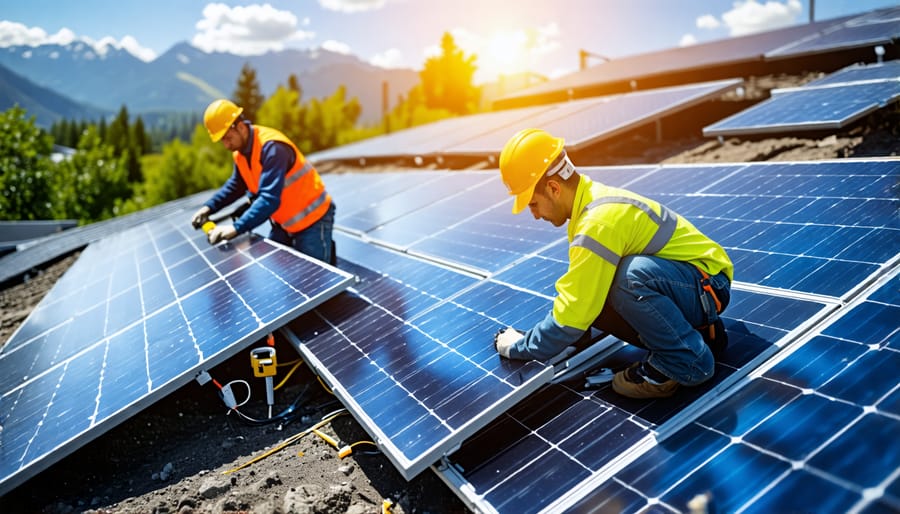
The collection and transportation of end-of-life photovoltaic (PV) panels is a crucial step in the recycling process. PV panel manufacturers, installers, and waste management companies collaborate to establish efficient collection systems. When PV panels reach the end of their useful life, they are carefully dismantled and removed from their installation sites. The panels are then sorted and packaged to prevent damage during transportation. Specialized vehicles, such as flatbed trucks or containers, are used to transport the panels safely to recycling facilities. These facilities are strategically located to minimize transportation distances and costs. Proper handling and transportation are essential to maintain the integrity of the panels and maximize the recovery of valuable materials during the recycling process. As the volume of end-of-life PV panels increases, the development of efficient collection and transportation infrastructure becomes increasingly important to support the growing recycling industry and ensure the sustainable management of PV waste.
Dismantling and Separation
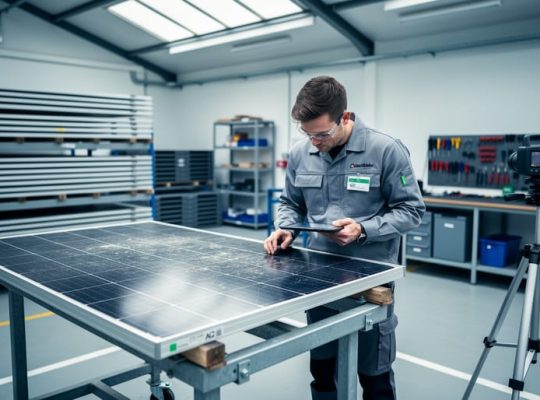
The dismantling and separation process is a crucial step in photovoltaic (PV) panel recycling. First, the panel is disassembled, and the aluminum frame is removed for recycling. The junction box and cables are also detached and sorted for appropriate processing. Next, the laminated glass-foil assembly is separated using specialized equipment, such as a cutting tool or a shredder. This process allows for the isolation of the glass, silicon cells, and polymers.
The glass is then cleaned and recycled for use in new products. The silicon cells are further processed to recover the valuable silicon material. Thermal or chemical treatments are employed to remove the polymer layers, such as EVA (ethylene-vinyl acetate), from the cells. The recovered silicon can be purified and reused in the production of new solar cells or other electronic devices.
Other materials, such as copper from the cables and silver from the cell contacts, are also separated and sent for recycling. The polymer materials are typically treated as waste and incinerated for energy recovery or used in the production of cement. Throughout the dismantling and separation process, strict safety measures and environmental controls are implemented to prevent any hazardous materials from being released into the environment.
Material Recovery and Purification
The material recovery and purification phase is a crucial step in the photovoltaic panel recycling process. Various methods are employed to recover and purify valuable materials from end-of-life PV panels. One common approach is mechanical separation, which involves crushing and shredding the panels into smaller fragments. These fragments then undergo a series of separation techniques, such as magnetic separation for ferrous metals and eddy current separation for non-ferrous metals like aluminum and copper.
Another method is thermal processing, where the panels are subjected to high temperatures to melt and separate the materials. This allows for the recovery of high-purity silicon, which can be further refined for reuse in new solar cells. Chemical processing, involving the use of solvents and acids, is also utilized to extract and purify valuable materials such as silver, tellurium, and indium. Throughout these processes, strict quality control measures are implemented to ensure the recovered materials meet the required purity standards for reintegration into the manufacturing of new photovoltaic components, contributing to a more sustainable and circular economy within the solar industry.
Challenges and Opportunities in PV Panel Recycling
Despite the growing need for photovoltaic (PV) panel recycling, the industry faces several challenges that hinder widespread adoption. One of the primary hurdles is the high cost associated with recycling processes, which can be more expensive than landfilling. This economic barrier discourages many solar panel owners from choosing the environmentally friendly option. Additionally, the current lack of infrastructure for collecting, transporting, and processing end-of-life PV panels further complicates the recycling process.
However, as the demand for sustainable solutions grows, emerging technologies and innovative approaches are paving the way for more efficient and cost-effective PV panel recycling. Research institutions and industry leaders are collaborating to develop advanced recycling methods that can recover valuable materials more effectively while minimizing environmental impact. For instance, new chemical and thermal processes are being explored to separate and purify silicon, glass, and metals from discarded panels.
Moreover, governments and organizations are recognizing the importance of creating a robust recycling infrastructure. Initiatives such as extended producer responsibility (EPR) programs and eco-design guidelines are being implemented to encourage manufacturers to design panels with recyclability in mind and to establish collection and recycling networks. These efforts aim to streamline the recycling process and reduce the financial burden on solar panel owners.
As the PV industry continues to expand, the increasing volume of decommissioned panels presents a significant opportunity for the recycling sector. By developing a circular economy around PV panels, we can reduce waste, conserve resources, and create new jobs in the recycling industry. Furthermore, reclaimed materials from recycled panels can be used to manufacture new solar products, reducing the need for virgin raw materials and lowering the overall environmental footprint of the solar industry.
As the solar industry continues to grow, photovoltaic panel recycling will play an increasingly crucial role in ensuring its sustainable development. By recovering valuable materials and reducing waste, PV panel recycling not only minimizes the environmental impact of solar energy but also creates new economic opportunities within the industry. However, the success of this endeavor relies on the active participation and collaboration of all stakeholders, including manufacturers, installers, researchers, and policymakers.
Mose Solar, as a leading provider of solar education and training, recognizes the importance of fostering awareness and knowledge about PV panel recycling among industry professionals and the general public. By integrating this topic into our educational programs and collaborating with universities and research institutions, we aim to drive innovation and best practices in the field.
As the solar industry evolves, it is imperative that we embrace the challenges and opportunities presented by PV panel recycling. By working together to develop efficient, cost-effective, and environmentally sound recycling processes, we can ensure that solar energy remains a truly sustainable solution for generations to come. The future of the industry depends on our collective commitment to responsible end-of-life management of solar panels, and Mose Solar is dedicated to being at the forefront of this essential endeavor.