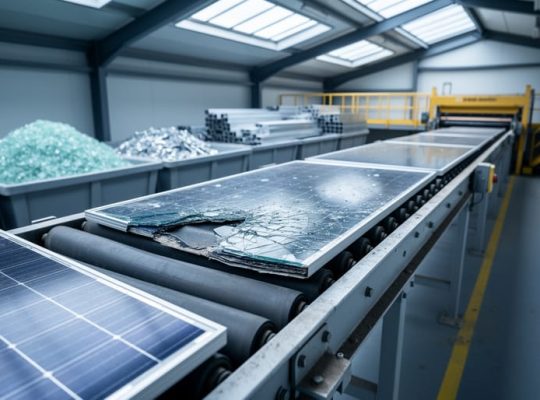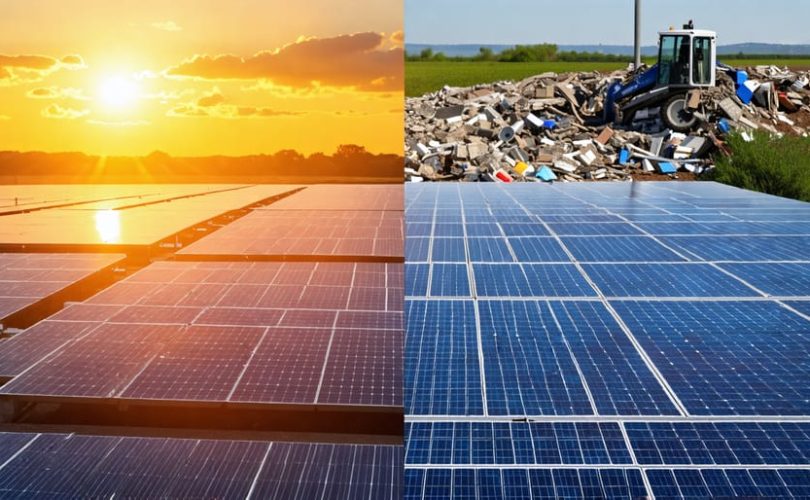
Evaluate the lifecycle of solar panels thoroughly to minimize disposal waste, focusing on end-of-life strategies. Incorporate recycling solutions by partnering with specialized facilities that reclaim valuable materials like silicon and silver. Invest in extended producer responsibility (EPR) programs to ensure manufacturers play a role in waste management and sustainability. Explore collaborations with universities for research on biodegradable materials to innovate future solar panel designs.
Understanding Solar Panel Waste

Components of Solar Panels
Solar panels are primarily composed of photovoltaic cells, glass, metal, and polymer layers. Understanding these components is crucial to addressing the waste management issues posed by their disposal. The cells themselves typically consist of semiconductor materials, most commonly silicon, which are crucial for converting sunlight into electricity. For a more detailed understanding of solar panel design, you can explore the process of solar cell construction.
The glass layer, usually tempered, provides durability and protection, while the metal frames and connections, primarily made of aluminum and copper, offer structural integrity and conductivity. Polymer back sheets play a pivotal role in insulating and shielding the solar cells from environmental factors. Proper disposal and recycling are challenging due to these mixed materials, especially concerning the recovery of valuable metals and the treatment of potentially hazardous substances. Collaboration with universities and educational programs can facilitate innovative recycling methods, promoting sustainability in the solar industry.
Volume and Growth of Solar Panel Waste
As the global adoption of solar panels accelerates, the volume of solar panel waste is a growing concern for the industry. Currently, the International Renewable Energy Agency (IRENA) estimates that solar panel waste could reach up to 60 million metric tons by 2050 if proactive measures aren’t implemented. This surge is primarily due to the 25 to 30-year lifespan of photovoltaic panels, meaning many installed today will require disposal by mid-century. With annual installations increasing, this wave of waste poses significant environmental and logistical challenges.
The industry’s growth demands innovative solutions for managing panel end-of-life. Collaborative initiatives between industry leaders, universities, and governments are vital to developing effective recycling and disposal strategies. These partnerships explore advanced technologies and educational programs that not only address current waste volumes but also focus on sustainable growth. By prioritizing research and fostering education, stakeholders aim to mitigate the environmental impact and contribute to a circular energy economy, ensuring solar power remains a key player in the renewable energy landscape.
Environmental Impacts of Improper Disposal
Toxic Material Leakage
Improper disposal of solar panels poses significant environmental risks due to toxic material leakage. These panels contain hazardous substances such as lead, cadmium, and selenium, which, if not managed correctly, can leach into soil and waterways, contaminating ecosystems and posing health risks. When solar panels are discarded in landfills, these toxic elements can escape over time, especially through processes like weathering and degradation. This uncontrolled release not only undermines the sustainability goals of solar energy but also poses challenges for regulatory compliance and waste management. By prioritizing proper disposal methods and collaborating with universities and educational programs, industry stakeholders can advance innovative solutions to mitigate these risks. Promoting recycling and recovery projects prevents hazardous leachate formation, ensuring that solar energy remains a clean and sustainable option. Understanding these challenges is crucial for aspiring photovoltaic professionals and environmentally conscious consumers, who can drive industry shifts towards more responsible solar panel lifecycle management.
Resource Wastage
The improper disposal of solar panels poses a significant challenge in resource management and environmental sustainability. These panels contain valuable materials such as silicon, silver, and aluminum. When panels are discarded in landfills instead of being recycled, these reusable components are lost, exacerbating resource wastage. Recycling not only recuperates these essential materials but also reduces the demand for raw material extraction, lessening the overall environmental footprint of the photovoltaic industry. However, the current recycling infrastructure is underdeveloped, often leading to inefficiencies in material recovery. By not harnessing the potential of recyclable materials, the industry missed an opportunity to implement a circular economy that benefits manufacturers and consumers alike. Collaboration with research institutions and the enhancement of educational programs can play a vital role in advancing recycling technologies. Such initiatives can transform solar panel disposal practices, turning potential waste into a valuable asset for future renewable energy solutions.
Current Methods of Solar Panel Disposal
Landfilling vs. Recycling
In tackling the challenge of solar panel disposal, two prevalent methods are landfilling and recycling. Landfilling involves disposing of end-of-life panels in waste sites, raising concerns about soil and water contamination from hazardous materials like lead and cadmium. In contrast, recycling harnesses advanced technologies to recover valuable materials such as silicon, silver, and aluminum, considerably mitigating environmental impact and aiding resource conservation. Although currently more costly, recycling offers a sustainable pathway, aligning with renewable energy goals. Collaboration with universities and industry stakeholders is bolstering innovative recycling techniques and educational programs, gradually overcoming economic barriers and enhancing efficiency. Emphasizing a circular economy, these efforts are crucial for aspiring photovoltaic professionals and environmentally conscious consumers, shaping a future resilient against resource depletion.
Emerging Technologies and Approaches
Innovative technologies and approaches are transforming how solar panel disposal is managed, paving the way for more sustainable practices. Leading this transformation, solutions such as advanced recycling technologies aim to efficiently extract valuable materials like silver and silicon for reuse. Furthermore, collaborations between universities and solar manufacturers are fostering research initiatives dedicated to improving recycling techniques and reducing waste. Educational programs are playing a pivotal role by equipping aspiring photovoltaic professionals with the knowledge and skills to tackle disposal challenges. Some companies are exploring the remanufacturing of older panels into new products, while others focus on developing biodegradable solar cells, which decompose safely over time. These advancements not only offer effective waste management solutions but also promote a circular economy, essential for supporting the solar industry’s sustainable growth.

Innovative Strategies for Improving Solar Panel Disposal
Policy and Regulatory Frameworks
As the solar industry expands, managing solar panel disposal poses significant environmental challenges. To address this, robust policy and regulatory frameworks are essential. Currently, extended producer responsibility (EPR) laws, already implemented in regions like Europe, provide a roadmap. These laws mandate solar panel manufacturers to take charge of their products throughout the life cycle, including end-of-life disposal, thereby promoting recycling and reuse. In contrast, the United States lacks uniform regulations, resulting in inconsistent practices and unintended waste issues.
To create a comprehensive solution, collaboration with universities and research institutions can play a pivotal role in developing sustainable disposal methods while encouraging innovation in recycling technologies. Educational programs can further equip aspiring photovoltaic professionals with the necessary skills to navigate and improve these frameworks effectively. Policymakers need to prioritize harmonizing international standards and encouraging cross-border cooperation to mitigate environmental impacts globally. By fostering partnerships between industry stakeholders, government agencies, and academia, viable pathways for managing solar panel waste can be devised, ensuring a sustainable transition towards renewable energy systems. Further efforts in this domain could set a precedent for responsible environmental stewardship across all renewable technologies.
Technological Innovations
Technological innovations are at the forefront of enhancing the recycling and disposal processes of solar panel waste, crucial for the sustainable growth of the industry. Advances in technology, such as automated disassembly and material recovery systems, are bolstering recycling efficiency, allowing for the extraction of valuable raw materials like silicon, silver, and aluminum. Notably, some of these systems are being developed through collaborations with universities and research institutions, fostering an educational focus on renewable energy sustainability.
Programs focusing on photovoltaic recycling are educating a new generation of engineers and scientists on innovative disposal methods. This educational push is critical as these breakthroughs are often simultaneously enhancing solar panel efficiency, aligning ecological mindfulness with technological advancement. Furthermore, industry stakeholders are investing in methods like thermal and chemical treatments that promise to process end-of-life panels more effectively. These technologies offer economic benefits by reducing waste management costs and creating a circular economy for materials, ensuring that the solar industry’s environmental footprint keeps pace with its growth.
Case Studies: Successful Solar Panel Disposal Programs
Global Leaders in Solar Panel Recycling
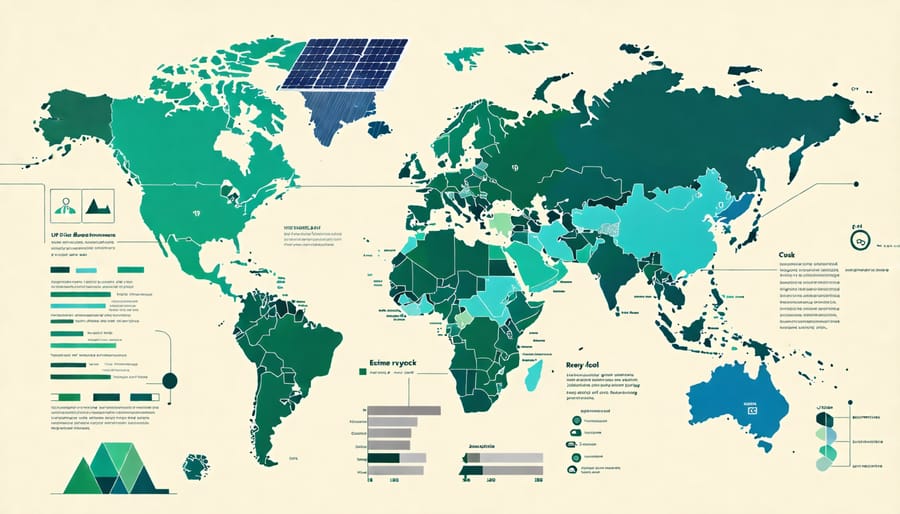
Countries such as Germany and Japan stand at the forefront of solar panel recycling, demonstrating effective strategies for mitigating photovoltaic waste. Germany’s ReclaimPV, in collaboration with universities, pioneers cutting-edge techniques to recover over 90% of a panel’s components. This success stems from government mandates coupled with industry innovation. Japan, a leader in solar innovation, supports extensive research initiatives and educational programs to refine recycling methods. The European Union, alongside individual national efforts, enforces strict solar panel recycling directives, fostering an environment where companies must comply with environmental standards. Meanwhile, organizations like the International Renewable Energy Agency (IRENA) and partners focus on technology-driven solutions, exemplifying global leadership in this sector. These initiatives not only address environmental concerns but also pave the way for sustainable solar energy industry growth.
Lessons Learned
Successful solar panel disposal programs demonstrate that collaboration across sectors is crucial. Partnerships with universities have proven critical in these initiatives, fostering research and development of efficient recycling technologies while training future photovoltaic professionals. For instance, educational program offerings help disseminate knowledge, ensuring that upcoming professionals are well-informed about sustainable practices. These collaborations also underline the importance of shared expertise, paving the way for industry standards and innovative disposal techniques. Another key takeaway is the necessity for transparent regulations and incentives that encourage proper disposal methods, which can be replicated internationally. By adopting a holistic approach, combining education, regulation, and technological advancement, these programs offer a replicable model that others can follow to address the growing issue of solar panel waste responsibly and efficiently.
Conclusion
In conclusion, tackling solar panel waste is crucial for the sustainable advancement of the renewable energy sector. Through addressing the challenges of solar panel disposal, we not only mitigate environmental impacts but also pave the way for innovative recycling methods and sustainable practices. It is imperative for industry stakeholders to commit to developing technologies and policies that facilitate efficient waste management. Collaboration with universities can accelerate research and development of new recycling technologies, while educational program offerings can enhance understanding of waste management among aspiring photovoltaic professionals. Academic researchers should continue to explore innovative solutions, while renewable energy enthusiasts and environmentally conscious consumers must advocate for responsible disposal practices. By working together, all stakeholders can contribute to extending the lifecycle of solar panels, minimizing waste, and ensuring that solar energy remains a truly green solution for the future. Conscientious actions today will lead to a cleaner and more sustainable tomorrow, reinforcing the critical importance of addressing solar panel waste.