Discover the power of photovoltaic (PV) circuits, the heart of solar energy systems that convert sunlight into electricity. A PV circuit consists of interconnected solar cells, wiring, and protective components that work together to generate clean, renewable energy. In this comprehensive guide, we’ll explore the key elements of a PV circuit, their roles, and best practices for designing efficient and reliable solar power systems. Whether you’re an aspiring PV professional, a renewable energy enthusiast, or simply curious about the technology behind solar panels, this article will provide you with the essential knowledge to understand and appreciate the intricacies of PV circuits.
Solar PV Modules: The Power Generators

Monocrystalline vs. Multi-crystalline Modules
When comparing monocrystalline and multi-crystalline PV modules, several key differences emerge in terms of efficiency, durability, and cost. Monocrystalline modules, made from a single continuous crystal structure, typically exhibit higher efficiency rates, ranging from 17% to 22%. This enhanced efficiency allows for more energy generation in a smaller surface area. In contrast, multi-crystalline modules, composed of multiple crystal structures, have lower efficiency rates of around 13% to 16%. However, recent advancements in multi-crystalline technology have narrowed this efficiency gap.
Regarding durability, both mono and multi-crystalline modules demonstrate robust performance, with expected lifespans of 25 to 30 years. Monocrystalline panels tend to have a slight edge in terms of longevity and performance under high-temperature conditions. The manufacturing process of monocrystalline modules is more energy-intensive and costly compared to multi-crystalline modules, resulting in higher upfront costs for consumers. Our in-depth article on Monocrystalline vs. Polycrystalline Solar Panels explores these differences further. Ultimately, the choice between mono and multi-crystalline modules depends on specific project requirements, space constraints, and budget considerations.
The Rise of PERC Technology
PERC (Passivated Emitter and Rear Cell) technology has revolutionized the solar industry by significantly enhancing the efficiency and performance of photovoltaic modules. By incorporating an additional passivation layer on the rear side of the solar cell, PERC modules minimize electronic losses and improve light capture. This passivation layer reflects unabsorbed light back into the cell, providing a second opportunity for energy conversion. The result is a notable increase in energy output, with PERC Technology enabling solar cells to achieve higher efficiencies compared to traditional designs. Moreover, PERC modules demonstrate enhanced performance in low-light conditions and at elevated temperatures, expanding their versatility across various climates. As the demand for renewable energy grows, the adoption of PERC technology in PV circuits is expected to accelerate, driving the industry towards more efficient and cost-effective solar solutions.
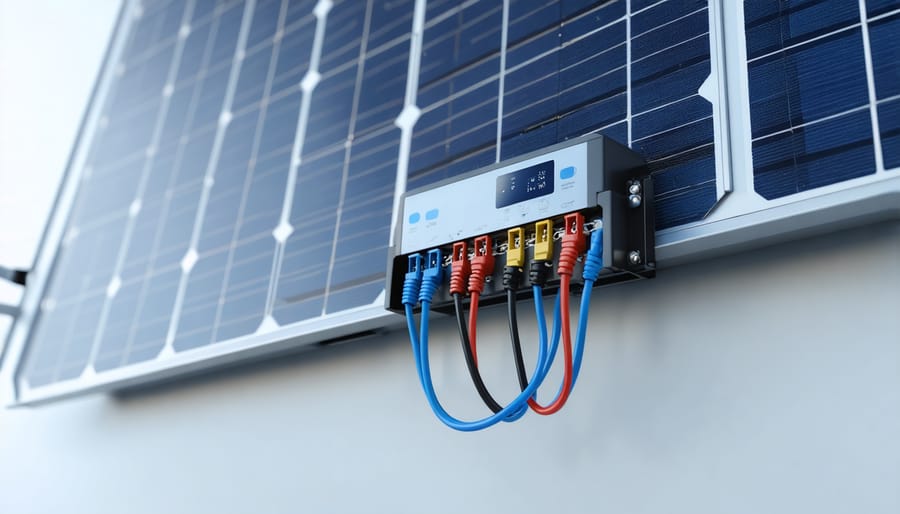
Inverters: Converting DC to AC
String Inverters vs. Microinverters
In photovoltaic systems, the choice between string inverters and microinverters significantly impacts performance, reliability, and maintenance. String inverters centralize the DC to AC conversion process, connecting multiple solar panels in series to a single inverter. This approach is cost-effective and efficient for systems with uniform shading and orientation. However, if one panel underperforms, it can drag down the entire string’s output. Microinverters, on the other hand, convert DC to AC at the individual module level. This allows for panel-level optimization, mitigating the impact of shading or performance issues on specific modules. Microinverters also enable module-level monitoring, simplifying troubleshooting and maintenance. While more expensive upfront, microinverters offer enhanced system resilience and energy harvest. The decision between string inverters and microinverters depends on site-specific factors, budget, and performance requirements. Careful evaluation of these trade-offs is crucial for designing an optimal PV circuit that maximizes energy production and long-term reliability.
Mounting Systems: Securing the Array
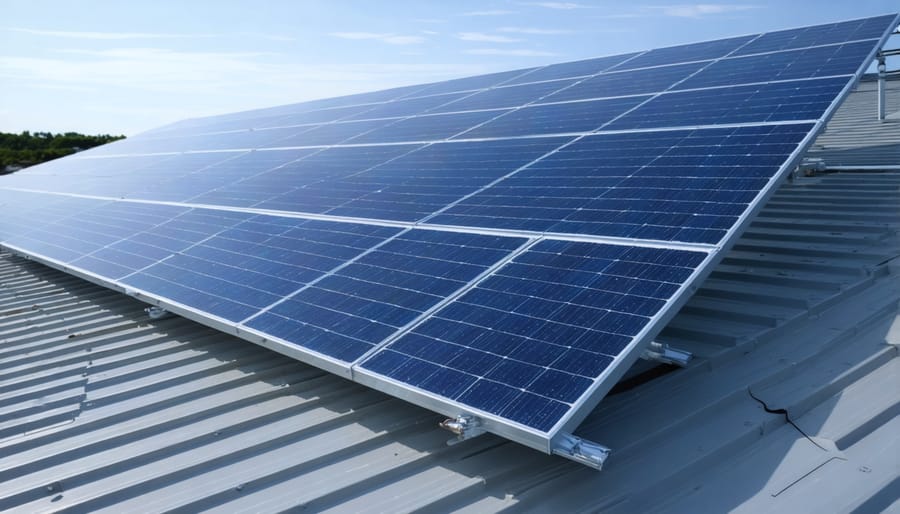
Mounting systems play a crucial role in ensuring the optimal performance and longevity of PV modules. A well-designed mounting system secures the modules at the ideal angle to maximize sun exposure, enhancing energy production. Sturdy materials, such as aluminum or galvanized steel, are used to withstand harsh weather conditions and prevent damage to the modules. Proper installation is essential to maintain the structural integrity of the array and avoid potential safety hazards. Mounting systems also allow for adequate ventilation behind the modules, preventing heat buildup and efficiency losses. Different mounting options are available to accommodate various roof types, ground-mounted arrays, and tracking systems that follow the sun’s movement throughout the day. Investing in a high-quality mounting system ensures the PV array remains secure and operates at peak efficiency for decades, maximizing the return on investment for solar energy projects. As the foundation of a successful PV installation, mounting systems deserve careful consideration and selection based on site-specific requirements and long-term performance goals.
Wiring and Conductors: Efficient Electron Highways
In a photovoltaic circuit, wiring and conductors play a crucial role in ensuring the efficient and safe transmission of electricity from the solar panels to the inverter and beyond. Proper selection and sizing of wires and conductors are essential to minimize power losses and maintain optimal system performance. Wires with inadequate cross-sectional area or low conductivity can lead to significant voltage drops, reducing the overall efficiency of the PV system. To combat this, industry professionals recommend using high-quality, low-resistance copper conductors that are appropriately sized based on the current-carrying capacity and distance between components.
Moreover, the insulation and sheathing materials used in the wiring must withstand the harsh outdoor conditions, such as UV radiation, temperature extremes, and moisture. Choosing wires with robust insulation, like cross-linked polyethylene (XLPE) or ethylene propylene rubber (EPR), helps prevent degradation and ensures long-term reliability. Proper wire management techniques, such as using conduits, cable trays, or wire ties, also contribute to the system’s longevity by protecting the wires from mechanical damage and environmental factors.
To further enhance safety and efficiency, it is crucial to adhere to local and national electrical codes when designing and installing the wiring for a PV circuit. This includes using appropriate grounding techniques, overcurrent protection devices, and disconnect switches to prevent electrical hazards and facilitate maintenance. By prioritizing the quality and proper installation of wiring and conductors, PV professionals can create efficient electron highways that optimize power output and ensure the long-term performance of the photovoltolic system.
Protection Devices: Guarding Against Faults
In a PV circuit, protection devices play a crucial role in safeguarding the system from faults, surges, and lightning strikes. Fuses and circuit breakers are essential components that prevent overcurrent conditions from damaging the wiring and equipment. Fuses contain a metal strip that melts when the current exceeds a specific threshold, breaking the circuit and preventing further damage. Circuit breakers, on the other hand, use electromagnetic or thermal mechanisms to trip and interrupt the current flow when an overcurrent is detected. Both fuses and circuit breakers must be properly sized according to the ampacity of the conductors and the maximum short-circuit current of the PV array.
Surge protection devices (SPDs) are another critical component in a PV circuit, particularly in areas prone to lightning strikes. SPDs divert the excess energy from lightning-induced transients or utility grid surges away from the sensitive electronic components, such as inverters and charge controllers. By installing SPDs at strategic locations, such as the combiner box, inverter, and main service panel, the risk of damage from transient overvoltages is significantly reduced.
Proper grounding is also essential for the safety and reliability of a PV circuit. Grounding involves connecting the metal frames of PV modules, mounting structures, and other conductive parts to the earth via a low-resistance path. This helps to prevent electric shock hazards, reduces the risk of fire, and provides a stable reference point for the system’s electrical potential. Grounding conductors must be sized appropriately and connected to a grounding electrode system, such as ground rods or a buried metal grid.
Regular maintenance and testing of protection devices are crucial to ensure their proper operation. Fuses and circuit breakers should be visually inspected for signs of damage or corrosion, and their connections should be tightened periodically. SPDs should be monitored for any visual indications of failure, such as burnt or melted components. Grounding connections should be checked for continuity and resistance to ensure a low-impedance path to the earth. By implementing a comprehensive protection scheme and adhering to best practices in installation and maintenance, PV professionals can ensure the safe and reliable operation of PV circuits, even in the face of electrical faults and lightning strikes.
Monitoring Systems: Tracking Performance
Monitoring systems are crucial for tracking the performance of PV circuits, ensuring optimal energy yield and identifying potential issues. These sophisticated systems provide real-time data on various parameters such as voltage, current, power output, and environmental factors like temperature and irradiance. By continuously monitoring these metrics, monitoring systems enable PV system owners and operators to quickly detect any deviations from expected performance, allowing for prompt corrective action.
Moreover, monitoring systems facilitate the analysis of historical data, helping to identify patterns and trends that can be used to optimize system design and maintenance strategies. This data-driven approach not only maximizes energy production but also extends the lifespan of PV components by preventing premature failures. With the ability to generate detailed performance reports and alerts, monitoring systems empower stakeholders to make informed decisions and ensure the long-term profitability of their PV investments.
In addition to performance tracking, monitoring systems play a vital role in fault detection and diagnostics. By pinpointing the exact location and nature of any issues within the PV circuit, these systems minimize downtime and reduce maintenance costs. This proactive approach to problem-solving is essential for maintaining the reliability and efficiency of PV systems, particularly in large-scale installations where manual inspections can be time-consuming and costly.
Conclusion
In conclusion, a PV circuit is a complex system that requires careful consideration of each component to ensure optimal performance and reliability. From the PV modules that convert sunlight into electricity, to the inverters that transform DC to AC power, and the wiring and protection devices that ensure safe and efficient operation, every element plays a crucial role. It is essential to emphasize the importance of proper design and quality components when building a PV circuit. Investing in high-quality, durable materials and adhering to best practices in installation and maintenance can significantly improve the longevity and effectiveness of the system. As the demand for renewable energy continues to grow, understanding the intricacies of PV circuits will be increasingly valuable for professionals, researchers, and consumers alike. By prioritizing education, innovation, and best practices, we can unlock the full potential of solar power and contribute to a more sustainable future.