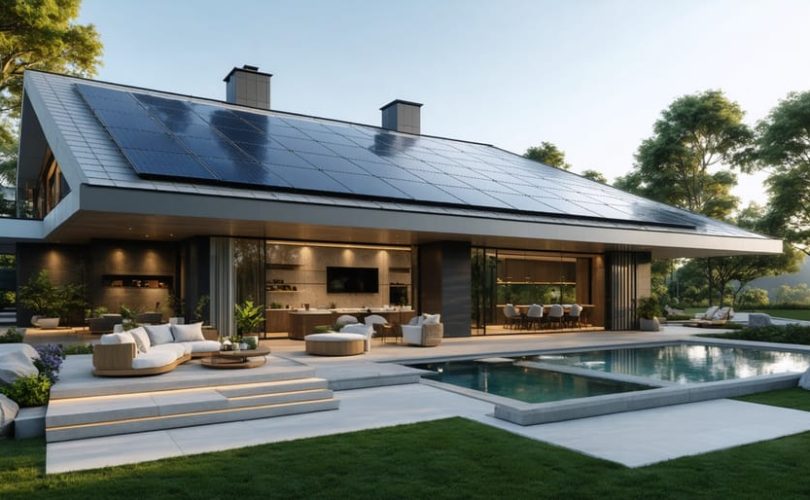
Solar roof tiles, the innovative fusion of renewable energy and architectural design, are revolutionizing the way we harness the sun’s power. As the demand for sustainable energy solutions surges, solar roof tile manufacturers are stepping up to meet the challenge, crafting products that seamlessly integrate with residential and commercial structures. These visionary companies are at the forefront of the green building revolution, combining cutting-edge photovoltaic technology with aesthetic appeal to create a new generation of energy-efficient roofing solutions. In this article, we’ll delve into the world of solar roof tile manufacturers, exploring their groundbreaking products, innovative manufacturing processes, and the transformative impact they’re having on the renewable energy landscape.
What are Solar Roof Tiles?
Components of Solar Roof Tiles
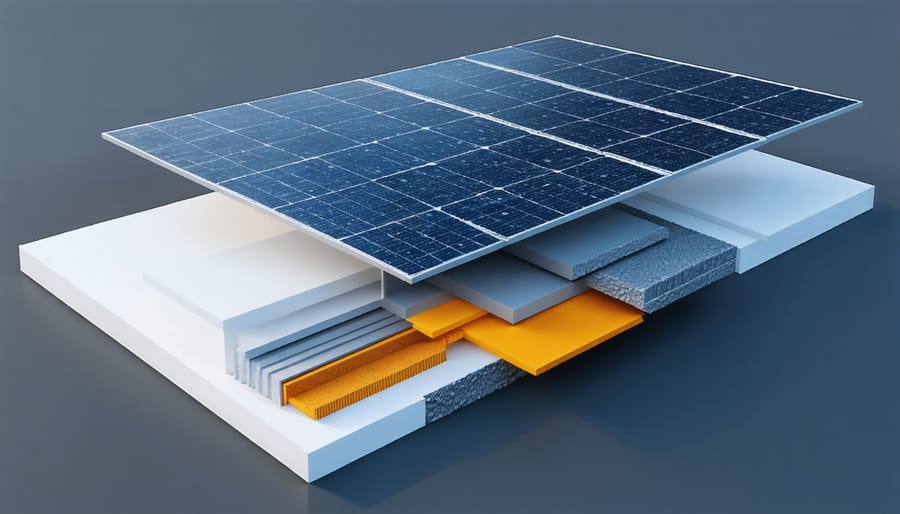
Solar roof tiles are engineered to seamlessly integrate photovoltaic cells into durable, weatherproof roofing materials. The primary components include:
1. Photovoltaic cells: High-efficiency monocrystalline or polycrystalline silicon cells convert sunlight into electricity. These cells are carefully selected for optimal performance and longevity.
2. Tempered glass: A layer of tough, transparent tempered glass protects the PV cells while allowing maximum sunlight penetration. This glass is designed to withstand impact, extreme temperatures, and harsh weather conditions.
3. Encapsulant: A specialized encapsulant material, such as EVA (ethylene-vinyl acetate), surrounds and safeguards the PV cells, ensuring long-term durability and performance.
4. Backsheet: A durable, moisture-resistant backsheet material, often made of polyvinyl fluoride (PVF) or polyethylene terephthalate (PET), provides additional protection and insulation for the solar cells.
5. Framing and mounting: Robust framing materials, such as aluminum or polymers, secure the solar tile components and enable easy installation on various roof types. The mounting system ensures a watertight seal and allows for thermal expansion and contraction.
These meticulously designed components work together to create a reliable, efficient, and aesthetically pleasing solar roofing solution that generates clean energy while preserving the architectural integrity of the building.
Efficiency and Performance
Solar roof tiles, also known as solar shingles, offer comparable efficiency and performance to traditional solar panels. While the efficiency of solar tiles may be slightly lower due to their smaller size and the spacing between them, advancements in technology have significantly narrowed this gap. High-quality solar tiles can achieve efficiencies of around 18-22%, which is only marginally lower than the 22-25% efficiency of premium solar panels. For more insights into the different types of silicon cells used in these technologies, you can read about monocrystalline vs. polycrystalline solar panels. In terms of power output, solar tiles are designed to generate electricity that effectively meets the energy needs of a household. The modular nature of solar tiles allows for customizable installations that can be optimized for the specific energy requirements and roof dimensions of each home. Additionally, solar tiles are engineered to withstand harsh weather conditions, ensuring reliable performance and durability over their lifespan, which is typically on par with traditional solar panels.
Benefits of Solar Roof Tiles
Energy Savings and ROI
Solar roof tiles offer significant potential for energy savings and return on investment (ROI) for homeowners. By generating electricity from the sun, solar roof tiles can reduce or eliminate reliance on grid-supplied power, leading to lower monthly utility bills. The exact energy savings depend on factors such as the size of the installation, local climate, and electricity rates.
Over the long term, solar roof tiles can provide a compelling ROI. While the initial installation costs may be higher than traditional roofing materials, the energy savings and potential tax incentives can offset these expenses. Many manufacturers offer warranties of 25 years or more, ensuring that the tiles will continue to generate electricity for decades.
Moreover, solar roof tiles can increase the value of a home. As energy efficiency and renewable energy become increasingly important to buyers, properties with solar installations may command a premium in the real estate market. This can further enhance the ROI for homeowners who invest in solar roof tiles.
To maximize energy savings and ROI, it is essential to work with experienced installers who can optimize the design and placement of the solar roof tiles based on the specific characteristics of the property and local climate conditions.
Aesthetics and Curb Appeal
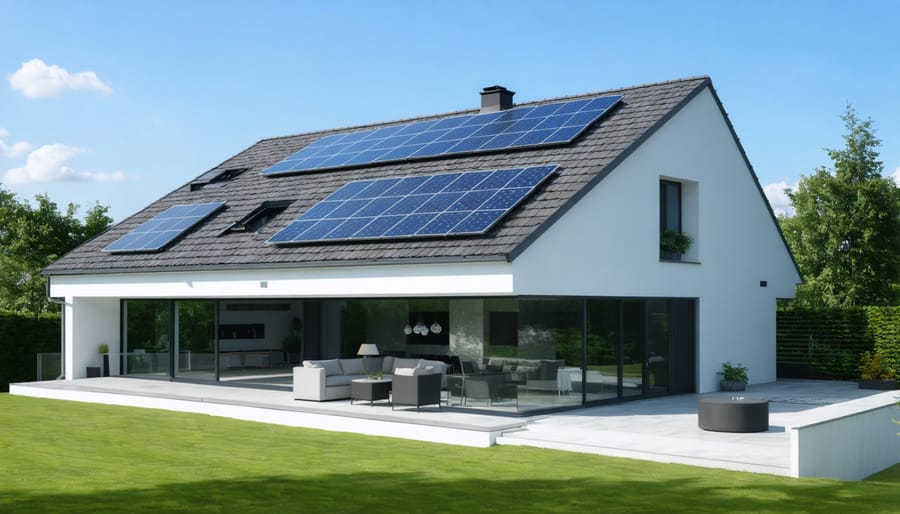
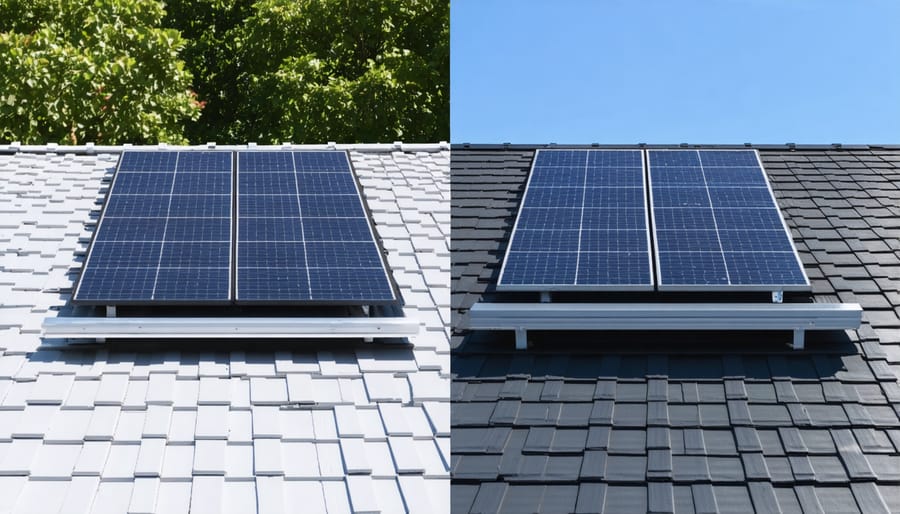
Solar roof tiles offer a visually appealing alternative to traditional solar panels, seamlessly integrating with various architectural styles. These innovative tiles are designed to mimic the appearance of conventional roofing materials, such as asphalt shingles, clay tiles, or slate, while harnessing the power of the sun. By blending in with the existing roof, solar tiles enhance the overall aesthetics of a home, providing a sleek and modern look without compromising on curb appeal.
One of the key advantages of solar roof tiles is their ability to maintain the architectural integrity of a building. Homeowners no longer have to choose between embracing renewable energy and preserving the visual charm of their property. Solar tile manufacturers offer a wide range of colors, textures, and styles, ensuring that there is a suitable option for every roof type and design preference. Whether a home features a classic, contemporary, or rustic style, solar tiles can be customized to complement the existing architecture seamlessly.
Moreover, solar roof tiles eliminate the need for bulky and conspicuous mounting systems required for traditional solar panels. The low-profile nature of solar tiles allows for a flush installation, creating a streamlined and cohesive appearance. This discreet integration not only enhances the visual appeal of a home but also reduces the risk of leaks and maintenance issues associated with conventional solar panel installations.
Leading Solar Roof Tile Manufacturers
Tesla Solar Roof
Tesla’s Solar Roof has revolutionized the solar industry by seamlessly integrating solar energy generation with aesthetically pleasing roofing materials. The Solar Roof consists of durable, tempered glass tiles that contain high-efficiency solar cells, allowing homeowners to generate clean electricity while maintaining a sleek, traditional roof appearance. Tesla’s innovative design and engineering have set a new standard for photovoltaic shingles, attracting environmentally conscious consumers who value both sustainability and style. The Solar Roof’s impact on the market has been significant, pushing other manufacturers to develop similar products and driving increased adoption of solar energy in residential settings. Tesla’s strong brand recognition and marketing efforts have also helped raise awareness about the potential of solar roof tiles, contributing to the growth of this emerging sector within the solar industry.
Mose Solar Products
Mose Solar, a leading innovator in the solar industry, offers a comprehensive range of solar roof tiles and shingles designed to seamlessly integrate with various architectural styles. Their cutting-edge monocrystalline solar panels are engineered for optimal efficiency, durability, and aesthetics. Mose Solar’s commitment to advancing photovoltaic technologies is evident in their collaborations with renowned universities. Through these partnerships, they develop educational programs and research initiatives to foster innovation and train the next generation of solar professionals. Their solar roof tiles are meticulously crafted to withstand harsh weather conditions while maintaining their sleek appearance, making them an ideal choice for environmentally conscious homeowners seeking to harness clean energy without compromising on style. Mose Solar’s dedication to quality, performance, and education sets them apart as a trusted manufacturer in the solar roofing industry, empowering customers to embrace sustainable living while contributing to the growth of the renewable energy sector.
Other Notable Manufacturers
In addition to the industry leaders, several other manufacturers are making strides in the solar roof tile market. SunTegra offers an integrated solar roof system that combines high-efficiency solar cells with durable, lightweight polymeric roofing tiles. Their products are designed for seamless integration with traditional roofing materials. Exasun, a Dutch company, has developed the X-Tile, a sleek and efficient solar roof tile that boasts a unique click-on mounting system for easy installation. Systovi, a French manufacturer, offers the SystoPico solar tile, which features a discreet design and high power output. These companies, along with others like Romag and Panotron, are contributing to the growth and diversification of the solar roof tile market by offering innovative solutions tailored to various architectural styles and customer preferences. As the demand for aesthetically pleasing and efficient solar roofing grows, expect to see more players enter this competitive space.
Installation and Maintenance
Installation Process
The installation process for solar roof tiles requires precision and expertise to ensure optimal performance and longevity. First, a thorough assessment of the roof’s structural integrity and suitability for solar tile installation is conducted. Next, the existing roofing material is removed, and the roof deck is prepared to accommodate the solar tiles. The solar tiles are then carefully laid out according to the predetermined design, ensuring proper alignment and spacing. Each tile is securely fastened to the roof deck using specialized mounting hardware and weatherproofing materials to prevent leaks and maintain the roof’s structural integrity. The solar tiles are electrically connected in series and parallel configurations to maximize energy production and efficiency. Finally, the system is connected to the home’s electrical grid through an inverter, which converts the DC power generated by the solar tiles into AC power suitable for household use. Professional installation by trained and certified technicians is crucial to ensure the system’s safety, reliability, and optimal performance. Improper installation can lead to reduced energy output, system failures, and potential safety hazards. By adhering to industry best practices and utilizing the expertise of qualified professionals, homeowners can enjoy the benefits of a well-designed and properly installed solar roof tile system for years to come.
Maintenance and Longevity
Solar roof tiles are designed for durability and low maintenance, with an expected lifespan of 25-30 years. The tiles are engineered to withstand harsh weather conditions, impact, and UV exposure. Regular cleaning with water and a soft brush can help maintain their efficiency. Built-in monitoring systems alert owners to any performance issues, allowing for timely repairs. Manufacturers typically offer warranties covering defects and performance. To ensure optimal performance and longevity, it’s essential to follow the manufacturer’s maintenance secrets and schedule professional inspections annually. With proper care, solar roof tiles can provide a reliable, sustainable energy solution for decades.
Conclusion
Solar roof tiles offer an innovative and aesthetically pleasing solution for homeowners looking to embrace renewable energy. As the technology continues to advance, leading manufacturers are developing more efficient and cost-effective solar roof tiles that seamlessly integrate with various architectural styles. These solar roof tiles not only generate clean electricity but also provide excellent durability and weather resistance, making them a smart long-term investment for homeowners.
The solar roof tile industry is poised for significant growth in the coming years, driven by increasing consumer demand for sustainable energy solutions and supportive government policies. As more manufacturers enter the market and competition intensifies, we can expect to see further improvements in solar roof tile performance, affordability, and customization options.
For homeowners considering a switch to solar energy, solar roof tiles present a compelling alternative to traditional solar panels. By carefully evaluating their energy needs, budget, and the offerings of different manufacturers, homeowners can make an informed decision that aligns with their goals and values. As the world moves towards a cleaner, more sustainable future, solar roof tiles are set to play an increasingly vital role in the residential renewable energy landscape. Embracing this technology not only benefits individual households but also contributes to the collective effort to combat climate change and secure a greener future for generations to come.