Showing 25 Result(s)
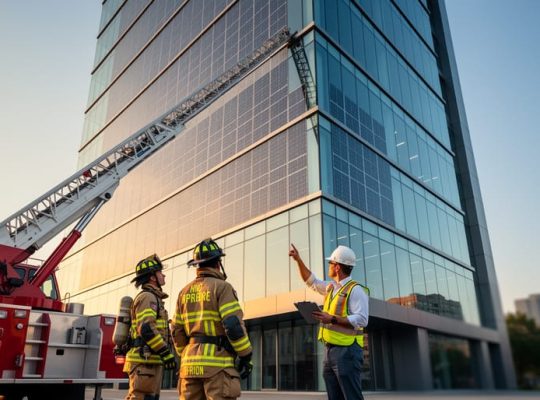
Firefighters and a building inspector evaluate a modern mid-rise with solar-integrated photovoltaic glass facade beside an extended ladder truck in warm late-afternoon light, with a soft urban skyline behind them.

Why Unified Building Codes Matter When Solar Panels Meet Fire Safety

Building-integrated photovoltaics represent a convergence of architectural innovation and renewable energy technology, but their successful deployment hinges on navigating a complex regulatory landscape. Unified building codes provide the essential framework that ensures BIPV systems meet structural, electrical, and fire safety requirements while maintaining consistency across jurisdictions.
Understanding these standardized codes is fundamental for anyone entering the photovoltaic profession. Unlike traditional solar installations, BIPV systems function as both building envelope components and power generators, subjecting them to …
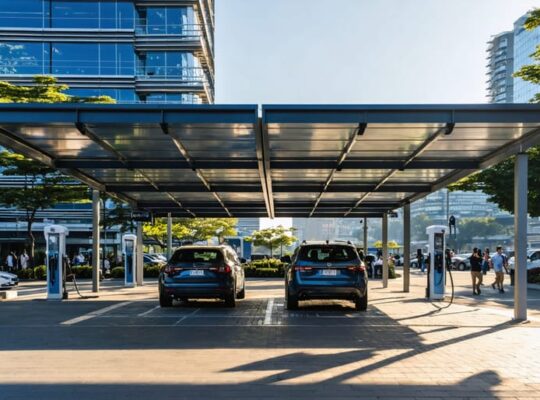
Low-angle view of a large solar carport shading parked cars and pedestrians at sunset, with EV chargers, trees, and a soft city skyline in the background.

How Shade Buildings Are Transforming Solar Architecture Into Dual-Purpose Powerhouses

Shade buildings represent a transformative convergence of architectural design and solar energy generation, where structures specifically engineered to provide shelter simultaneously serve as productive photovoltaic installations. Unlike conventional building-integrated photovoltaics that retrofit solar panels onto existing structures, shade buildings are purpose-designed from inception to maximize both shading functionality and electricity generation—creating dual-purpose infrastructure that addresses urban heat mitigation while advancing renewable energy adoption.
These specialized structures include solar carports protecting …

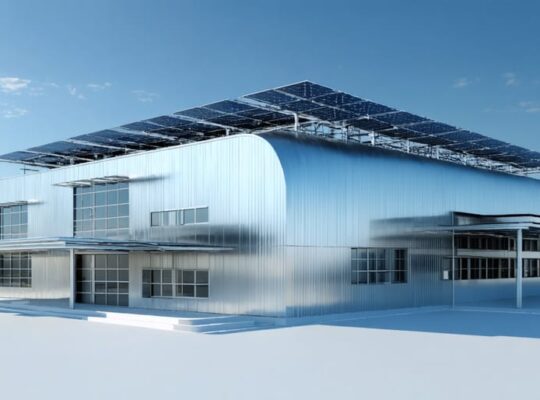
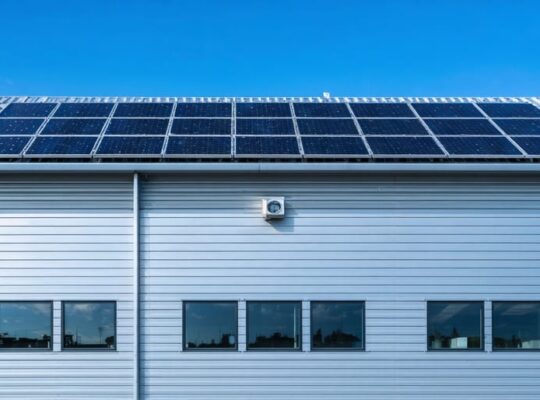
"A modern metal industrial building with rooftop solar panels, showcasing renewable energy integration."

Metal Building Insulation: The Key to Maximizing Your Solar PV Retrofit Success

Modernizing metal buildings with retrofit insulation delivers critical energy efficiency gains and optimal conditions for solar PV retrofits. Advanced insulation systems, when properly integrated during building upgrades, reduce HVAC loads by up to 40% while extending the structural lifespan of metal facilities. This dual-benefit approach not only maximizes return on investment through decreased energy consumption but also creates ideal temperature conditions for …

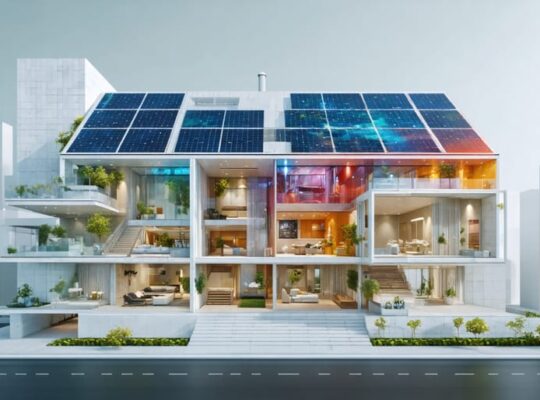
Conceptual illustration showing the transformation of a traditional building into a solar powerhouse with integrated solar tiles and panels, representing sustainable urban development.

Building-Integrated PV Retrofits: Transform Your Existing Structure into a Solar Powerhouse

Retrofitting existing buildings with modern energy solutions represents a critical pathway to achieving sustainable urban development and meeting ambitious climate goals. The integration of building-integrated photovoltaics and other renewable technologies into aging structures has emerged as a cornerstone of construction modernization. This transformation goes beyond simple upgrades, encompassing comprehensive structural modifications, energy system overhauls, and smart …

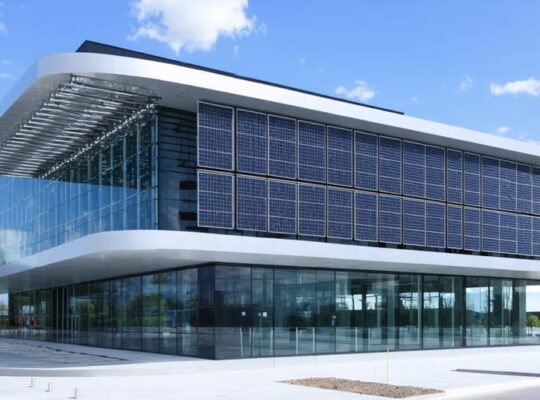
A contemporary building showcasing building-integrated photovoltaic panels integrated into its structure. The facade features sleek solar panels and glass elements, exemplifying the fusion of innovative solar technology and modern architecture.

Building-Integrated PV Lighting: Transform Your Building into a Power Generator

Building-integrated photovoltaic (BIPV) technology revolutionizes modern architecture by transforming standard building materials into energy-generating assets. As building-integrated photovoltaic systems reshape the construction landscape, they represent a crucial advancement in sustainable building design, seamlessly merging renewable energy generation with architectural functionality.
These innovative solar solutions replace conventional building elements—…

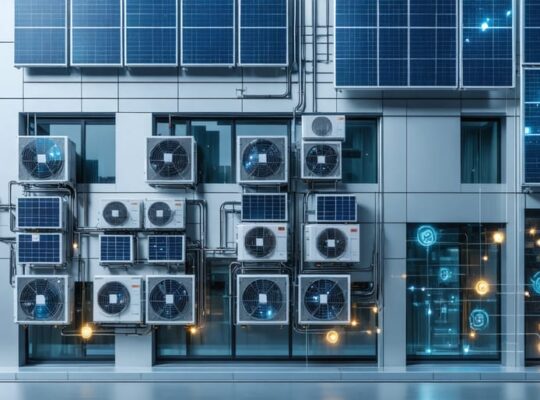
Conceptual image showing a building facade with photovoltaic panels and integrated HVAC unit ventilators, symbolizing modern energy-efficient climate control solutions.

How Unit Ventilators Transform Building-Integrated PV HVAC Performance

Unit ventilators represent a critical component in modern building-integrated photovoltaics and HVAC systems, delivering targeted climate control while maximizing energy efficiency. These sophisticated devices combine heating, cooling, and ventilation capabilities within a single, compact unit installed directly within individual rooms or zones. By integrating advanced temperature sensors, variable-speed fans, and smart controls, unit ventilators optimize indoor air quality…

Illustration of a modern building with structural insulated panels and integrated solar panels, highlighting thermal efficiency through R-value cross-section details and energy generation.

How SIP R-Values Enhance Building-Integrated PV Performance

Structural Insulated Panels (SIPs) revolutionize modern construction by delivering exceptional R-values ranging from R-14 to R-28 per inch, significantly outperforming traditional frame construction methods. When integrated with building-integrated photovoltaic systems, these high-performance panels create an energy-efficient envelope that optimizes both insulation and power generation capabilities. The expanded polystyrene (EPS) core, sandwiched between oriented strand …

Conceptual illustration of a modern building featuring metal structural insulated panels with integrated solar panels, representing advanced energy-efficient construction technology.

Metal SIPs: The Future of Building-Integrated Solar Power

Metal Structural Insulated Panels (MSIPs) represent a revolutionary advancement in modern construction technology, seamlessly integrating with building-integrated photovoltaic systems to create energy-efficient building envelopes. These engineered composite panels, consisting of two metal facings bonded to an insulating core, deliver superior thermal performance while maintaining exceptional structural integrity. By combining the durability of metal with high-performance …

A futuristic city skyline showcasing buildings with integrated solar technologies, such as solar panels embedded in facades and roofing, demonstrating sustainable architectural design through BIPV implementation.

Building-Integrated PV Elements: Transform Your Structure into a Power Plant

Building-integrated photovoltaics (building-integrated photovoltaics) represent a revolutionary convergence of renewable energy and modern architecture, transforming conventional building elements into power-generating assets. This innovative technology seamlessly integrates solar cells into building materials—including windows, facades, and roofing components—creating structures that simultaneously serve as both shelter and clean energy generators. By replacing …

Conceptual illustration of a futuristic city skyline featuring high-rise buildings with integrated solar panels and gravity storage systems, depicting the fusion of architecture and renewable energy technologies.

Building-Integrated Gravity Storage: The Next Evolution in Solar PV Energy Management

Gravity energy storage systems represent a transformative solution in the renewable energy landscape, offering a powerful complement to building-integrated photovoltaics and other clean energy technologies. By harnessing the fundamental force of gravity, these systems store excess energy by lifting heavy weights during peak production periods and generate electricity by lowering them when demand increases.
Unlike conventional battery storage, gravity-based systems …