The production of solar panels has been heralded as a beacon of hope in the fight against climate change, but it is crucial to examine the environmental impact of this rapidly growing industry. While solar energy offers a clean and renewable alternative to fossil fuels, the manufacturing process of solar panels comes with its own set of environmental challenges. From the extraction of raw materials to the disposal of end-of-life panels, every stage of production has the potential to leave a significant ecological footprint. This article delves into the complex relationship between solar panel production and the environment, shedding light on the key issues and exploring the steps being taken to mitigate the negative consequences. As we strive towards a sustainable future powered by the sun, it is essential to understand the true cost of this transformative technology and work towards minimizing its impact on our planet.
The Solar Panel Production Process

Raw Material Sourcing
The production of solar panels relies on various raw materials, each with its own environmental implications. Silicon, the primary component of most solar cells, is derived from quartz sand through an energy-intensive process. While silicon is abundant, mining and processing it can lead to habitat destruction and greenhouse gas emissions. Glass, another major component, requires significant energy for manufacturing and transportation. Aluminum, used for panel frames and mounting structures, has a high embodied energy and can contribute to mining-related environmental issues. Other materials, such as copper, silver, and rare earth elements, are also used in smaller quantities but can have significant ecological impacts due to mining and refining processes. It is crucial for the solar industry to prioritize responsible sourcing, recycling, and minimizing material usage to reduce the environmental footprint of solar panel production. Ongoing research focuses on developing alternative materials and production methods to enhance the sustainability of solar technology.
Panel Manufacturing
The manufacturing of solar panels involves a series of energy-intensive processes that transform raw materials into functional photovoltaic cells. The process begins with the production of solar-grade silicon, which requires high temperatures and significant energy input to purify and crystallize the raw material. Next, the silicon is sliced into thin wafers, a process that generates waste and consumes additional energy. The wafers then undergo various treatments, including etching, doping, and the application of anti-reflective coatings, to enhance their electrical properties and optimize light absorption. These steps rely on specialized equipment and controlled environments, contributing to the overall energy footprint of solar panel production.
Once the solar cells are fabricated, they are interconnected, laminated, and encased in protective materials to form complete solar panels. The assembly process involves the use of various materials, such as glass, aluminum frames, and polymer backsheets, which also have their own environmental impact during production. However, innovations in solar panel production, such as thinner silicon wafers, more efficient cell designs, and streamlined manufacturing processes, are continually being developed to reduce the energy and resource intensity of solar panel manufacturing, making the technology more sustainable and environmentally friendly in the long run.

Environmental Impacts of Solar Panel Production
Greenhouse Gas Emissions
The production of solar panels involves energy-intensive processes that generate greenhouse gas emissions, primarily carbon dioxide (CO2). The manufacturing process, which includes the extraction and refining of raw materials, such as silicon, aluminum, and glass, as well as the fabrication of solar cells and modules, contributes to the carbon footprint of solar panels. Studies have shown that the environmental costs of solar panel manufacturing can vary depending on factors like the energy mix used in production, the efficiency of manufacturing facilities, and the transportation of materials and finished products.
However, it’s crucial to consider the life cycle assessment of solar panels when evaluating their impact on climate change. While the production phase does emit greenhouse gases, solar panels generate clean, renewable energy during their operational lifetime, typically lasting 25-30 years. Over this period, the emissions avoided by using solar energy instead of fossil fuels can significantly outweigh the initial carbon footprint of production. As the solar industry continues to grow and adopt more sustainable practices, such as increasing the use of renewable energy in manufacturing and improving energy efficiency, the carbon footprint of solar panel production is expected to decrease further, making solar energy an even more viable solution to combat climate change.
Water Usage and Pollution
Water usage and potential pollution are significant environmental concerns in the production of solar panels. The manufacturing process consumes substantial amounts of water, primarily for cleaning and cooling purposes during various stages of production. Estimates suggest that producing one megawatt of solar panels requires approximately 1,500 cubic meters of water. This high water consumption can strain local water resources, particularly in regions facing water scarcity. Moreover, the use of hazardous chemicals in the manufacturing process, such as hydrofluoric acid and sodium hydroxide, poses risks of water contamination if not properly managed. Wastewater from solar panel manufacturing facilities may contain toxic substances that can harm aquatic ecosystems and human health if discharged without adequate treatment. To mitigate these impacts, solar panel manufacturers are adopting water conservation measures, such as recycling and reusing water, implementing closed-loop cooling systems, and exploring waterless cleaning technologies. Stringent environmental regulations and monitoring are essential to ensure that wastewater is treated effectively before being released into the environment. As the solar industry continues to grow, addressing water usage and pollution challenges will be crucial for sustainable development and minimizing the environmental footprint of solar panel production.
Toxic Chemicals and Waste
The production of solar panels involves the use of various hazardous chemicals, including hydrochloric acid, sulfuric acid, nitric acid, and hydrogen fluoride. These substances are essential for cleaning and etching the wafers, as well as for removing impurities. However, their use poses significant ecological risks if not properly handled and disposed of. The manufacturing process also generates toxic waste, such as silicon tetrachloride, which can be harmful to the environment if released. Proper treatment and disposal of these waste products are crucial to mitigate their impact on ecosystems. Failure to do so can lead to soil, water, and air pollution, endangering flora and fauna. The solar industry must adhere to strict environmental regulations and implement robust waste management systems to minimize the release of toxic chemicals and ensure the safe handling of hazardous materials. Ongoing research aims to develop alternative, less toxic materials and processes to reduce the environmental footprint of solar panel production while maintaining their efficiency and cost-effectiveness.

Balancing Environmental Costs and Benefits
Lifetime Carbon Savings
While the production of solar panels does result in some upfront carbon emissions, the long-term environmental benefits far outweigh this initial impact. Over their 25-30 year lifespan, solar panels generate clean, renewable electricity without emitting greenhouse gases or other pollutants. Studies have shown that the carbon footprint of solar panel manufacturing is offset within 1-4 years of installation, depending on factors such as location and panel efficiency. This means that for the majority of their operational life, solar panels are actively reducing carbon emissions by displacing fossil fuel-based energy sources. As technology improves and manufacturing processes become more efficient, the carbon payback period continues to decrease, further enhancing the long-term sustainability of solar energy. When considering the full lifecycle impact, the carbon savings achieved by solar panels far exceed the emissions associated with their production, making them a crucial tool in the fight against climate change. As more individuals and businesses adopt solar power, the collective carbon savings will continue to grow, contributing to a cleaner, more sustainable future for generations to come.
Recyclability and Circularity
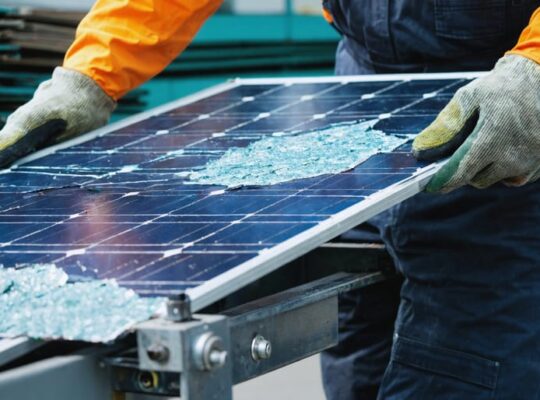
As solar panel installations continue to rise, addressing their end-of-life management becomes crucial for a sustainable future. While solar panels have a lifespan of 25-30 years, developing effective recycling solar panels strategies is essential to minimize waste and maximize resource recovery. The solar industry is making strides towards a circular economy model, where materials from decommissioned panels are reused in the production of new ones. This approach reduces the need for virgin raw materials, conserves resources, and lowers the overall environmental footprint. However, challenges remain in terms of technology, infrastructure, and economic viability. Innovative recycling processes are being developed to efficiently separate and recover valuable materials like silicon, silver, and aluminum. Collaborations between manufacturers, recyclers, and researchers are crucial to establish a robust recycling ecosystem. By embracing recyclability and circularity, the solar industry can further enhance its environmental benefits and contribute to a more sustainable future.
Conclusion
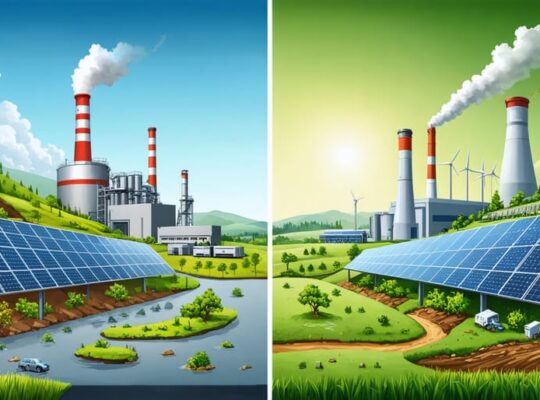
In conclusion, the environmental impact of solar panel production is a complex issue that requires careful consideration as the industry continues to grow. While solar energy offers significant long-term benefits in reducing greenhouse gas emissions and combating climate change, it is crucial to acknowledge and address the environmental consequences associated with the manufacturing process. By investing in research and development, implementing sustainable practices, and promoting recycling and end-of-life management, the solar industry can work towards minimizing its ecological footprint. As demand for solar energy increases, it is essential for industry stakeholders, policymakers, and consumers to prioritize sustainability and support initiatives that drive positive change. By striking a balance between the upfront environmental costs and the long-term benefits of solar energy, we can pave the way for a cleaner, more sustainable future powered by the sun. Ultimately, the solar industry has the potential to play a vital role in the transition to a low-carbon economy, but it must do so in a manner that respects and protects the environment at every stage of the product lifecycle.