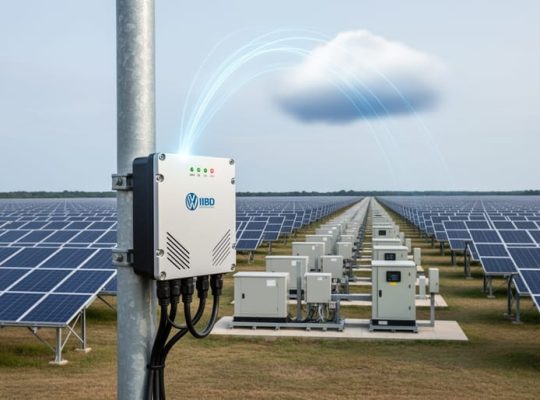
Blockchain technology revolutionizes data security in solar PV systems by creating an immutable, distributed ledger that safeguards critical operational data. Through advanced cryptographic protocols and decentralized architecture, blockchain ensures tamper-proof record-keeping for real-time PV system monitoring and performance metrics. This innovative approach addresses traditional cybersecurity vulnerabilities while enabling secure data sharing among stakeholders, from system operators to utility companies.
Recent implementations demonstrate blockchain’s capacity to protect against unauthorized access, data manipulation, and cyber threats that increasingly target renewable energy infrastructure. By incorporating smart contracts and automated verification processes, blockchain technology establishes a robust foundation for maintaining data integrity across distributed solar networks. This security framework proves particularly vital as solar installations become more interconnected and data-dependent, requiring sophisticated protection mechanisms to safeguard sensitive operational information and financial transactions.
The integration of blockchain in solar PV data security represents a significant advancement in protecting renewable energy assets while facilitating transparent, efficient system management. As the industry continues to evolve, this technology positions organizations to meet growing cybersecurity challenges while maintaining compliance with regulatory requirements and industry standards.
The Security Challenge in Modern Solar PV Systems
Common Security Threats to PV Data Systems
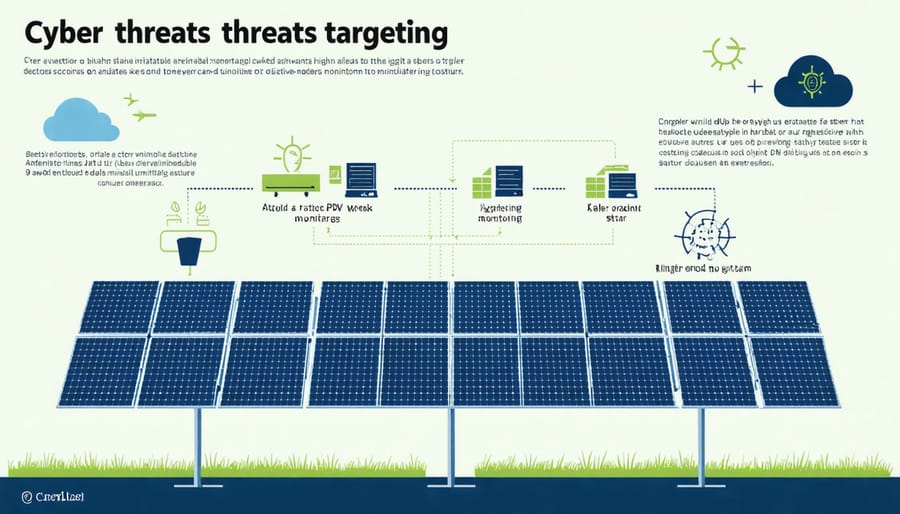
In the rapidly evolving landscape of smart PV systems, several critical security threats pose significant risks to data integrity and system operations. Man-in-the-middle attacks represent a primary concern, where malicious actors intercept communications between solar components and monitoring systems, potentially manipulating performance data or control signals. Data tampering is another substantial threat, where unauthorized parties might alter production metrics, affecting system optimization and financial settlements.
Distributed Denial of Service (DDoS) attacks can overwhelm system networks, disrupting essential monitoring and control functions. Authentication vulnerabilities may expose system access points, allowing unauthorized users to gain control over crucial components. Additionally, data privacy breaches can compromise sensitive information about energy production patterns and consumer usage behaviors.
Firmware vulnerabilities in inverters and monitoring devices present another attack vector, potentially allowing malware injection or unauthorized system modifications. These security challenges are particularly critical as solar installations become increasingly interconnected and data-dependent, necessitating robust protection mechanisms to ensure system reliability and data integrity.
Impact of Data Breaches on Solar Operations
Data breaches in solar operations can have severe consequences for both system operators and end users. When PV monitoring systems are compromised, unauthorized access to sensitive operational data can lead to system manipulation, performance degradation, and potential revenue losses. Attackers may gain control over crucial parameters such as inverter settings, power output configurations, and energy storage management systems.
The financial impact of such breaches extends beyond immediate system disruption. Organizations face substantial costs related to incident response, system recovery, and potential legal liabilities. Moreover, compromised monitoring systems can result in inaccurate performance reporting, affecting warranty claims and maintenance schedules. This can lead to reduced system efficiency and increased operational expenses.
Customer trust and reputation damage represent another critical concern. When security breaches expose consumer energy consumption data or payment information, solar providers may experience significant customer churn and difficulty acquiring new clients. Additionally, regulatory non-compliance resulting from data breaches can trigger hefty fines and increased scrutiny from oversight bodies.
System downtime during security incidents directly impacts energy production and grid stability, particularly for utility-scale solar installations. This can create ripple effects throughout the power distribution network, potentially affecting multiple stakeholders in the renewable energy ecosystem.
Blockchain Architecture in PV System Security
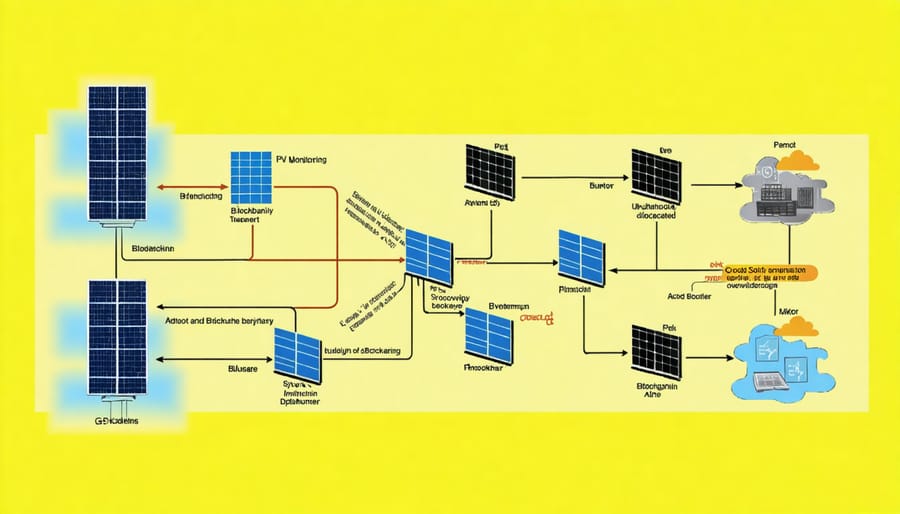
Decentralized Data Storage Benefits
Decentralized data storage through blockchain technology offers several compelling advantages for photovoltaic systems. By distributing data across multiple nodes, this approach eliminates single points of failure that often plague traditional centralized storage systems. Each network participant maintains an identical copy of the ledger, ensuring data redundancy and continuous availability of critical PV system information.
The distributed nature of blockchain storage provides enhanced data integrity and tamper resistance. Every transaction or data entry is cryptographically linked to previous records, creating an immutable chain of information. This feature is particularly valuable for maintaining accurate performance metrics, maintenance records, and energy production data throughout a solar installation’s lifecycle.
Blockchain’s consensus mechanisms ensure that all network participants agree on the state of stored data, reducing the risk of unauthorized modifications or data manipulation. This is especially important for regulatory compliance and warranty validation, where accurate historical data is essential. The technology also enables transparent audit trails, allowing stakeholders to trace data modifications and access history with confidence.
Moreover, decentralized storage facilitates secure data sharing among multiple parties while maintaining strict access controls. System owners, operators, maintenance personnel, and regulatory bodies can access relevant information based on their permissions without compromising data security. This collaborative approach improves operational efficiency and reduces administrative overhead.
The implementation of smart contracts further automates data management processes, enabling automatic verification and execution of predefined conditions. This reduces human error in data handling and ensures consistent application of security protocols across the entire PV system network.
Smart Contracts for Automated Security
Smart contracts represent a revolutionary advancement in automating security protocols for photovoltaic monitoring systems through blockchain technology. These self-executing contracts contain predefined rules and conditions that automatically trigger specific actions when met, eliminating the need for manual intervention and reducing the risk of human error.
In PV monitoring applications, smart contracts serve multiple critical functions. They automatically verify and validate data inputs from monitoring devices, ensuring that only authenticated devices can transmit information to the blockchain network. This creates an immutable record of system performance, maintenance activities, and security events.
The implementation process involves developing contract code that defines specific security parameters, such as access controls, data validation rules, and automated response protocols. When irregular patterns or security breaches are detected, smart contracts can automatically initiate predetermined security measures, such as system lockdown or stakeholder notification.
Key security features enabled by smart contracts include:
– Automated access control management
– Real-time threat detection and response
– Systematic validation of monitoring device credentials
– Automatic execution of security protocols
– Transparent audit trails of security events
For optimal security implementation, smart contracts undergo rigorous testing and validation before deployment. This includes vulnerability assessments, code audits, and simulation testing to ensure robust performance under various scenarios. Regular updates and modifications can be implemented through carefully managed upgrade protocols, maintaining system security while allowing for technological advancement.
The integration of smart contracts significantly enhances the overall security architecture of PV monitoring systems by providing automated, reliable, and tamper-proof security mechanisms that operate continuously without human intervention.
Real-Time Monitoring Through Blockchain
Immutable Performance Tracking
Blockchain technology introduces an unprecedented level of reliability and security in solar PV system performance monitoring. Through its distributed ledger architecture, every performance metric, maintenance record, and system event is permanently recorded and verified across multiple nodes, making data tampering virtually impossible.
The implementation of real-time performance tracking within a blockchain framework ensures that all stakeholders have access to authentic, unaltered performance data. This immutable record-keeping capability is particularly valuable for warranty claims, performance guarantees, and regulatory compliance, as it provides an indisputable audit trail of system operations.
Each performance metric is timestamped and cryptographically sealed within a block, creating a continuous chain of verifiable data points. This ensures that historical performance data remains intact and trustworthy, enabling accurate long-term analysis and forecasting. System operators can confidently track efficiency trends, identify performance degradation patterns, and validate maintenance interventions.
The decentralized nature of blockchain also eliminates single points of failure in data storage and verification. Multiple participating nodes maintain identical copies of the performance records, ensuring data resilience and availability. This distributed architecture provides stakeholders with continuous access to performance metrics while maintaining the highest levels of data integrity and security.

Transparent Energy Production Verification
Blockchain technology has revolutionized the verification of energy production in renewable energy systems by creating an immutable and transparent record of energy generation data. This innovation addresses the critical need for reliable validation in the renewable energy sector, particularly in solar PV installations.
The system works by recording energy production data directly from smart meters and inverters onto a distributed ledger. Each energy production event creates a new block containing timestamp, production volume, and source verification data. These blocks are cryptographically linked, making it impossible to alter historical records without detection.
This transparency enables multiple stakeholders to verify energy production independently. Utility companies can accurately track renewable energy credits, investors can monitor performance metrics, and consumers can verify the origin of their green energy. The decentralized nature of blockchain eliminates the need for intermediaries while ensuring data integrity.
Implementation of blockchain-based verification systems has shown particular value in large-scale solar farms and community solar projects. These systems provide real-time monitoring capabilities while maintaining an auditable trail of energy production. The technology also supports automated smart contracts that can manage energy trading and renewable energy certificate (REC) transactions with minimal human intervention.
For grid operators and energy regulators, blockchain offers unprecedented visibility into renewable energy integration, helping to maintain grid stability and ensure compliance with renewable portfolio standards. This technological framework has become instrumental in building trust among stakeholders and supporting the growth of renewable energy markets.
Implementation Considerations and Best Practices
Technical Requirements
Implementing blockchain technology for data security in solar PV systems requires specific technical infrastructure and considerations. A robust distributed network architecture forms the foundation, comprising multiple nodes that maintain synchronized copies of the blockchain ledger. Each node must be equipped with sufficient processing power and storage capacity to handle transaction validation and block creation.
The system requires high-bandwidth network connectivity to ensure real-time synchronization across nodes. Recommended specifications include dedicated servers with multi-core processors, minimum 16GB RAM, and solid-state drives with at least 1TB storage capacity. The network should maintain 99.9% uptime to prevent disruptions in data recording and verification processes.
Cryptographic protocols play a crucial role, with systems typically employing SHA-256 or more advanced algorithms for hash functions. Smart contracts must be implemented using secure development frameworks, such as Hyperledger Fabric or Ethereum Enterprise, with proper access control mechanisms and role-based permissions.
Security measures should include hardware security modules (HSMs) for key management, multi-signature authentication protocols, and regular security audits. The system must comply with relevant data protection regulations and industry standards while maintaining interoperability with existing solar monitoring and management systems.
Regular maintenance procedures, including software updates, security patches, and performance optimization, are essential for long-term system reliability. Backup systems and disaster recovery protocols should be established to ensure data persistence and system availability.
Integration Steps
Implementing blockchain security in solar PV systems requires a systematic approach to ensure optimal data protection and system integrity. Begin by conducting a comprehensive security assessment of your existing infrastructure to identify potential vulnerabilities and integration points. Next, select an appropriate blockchain platform that aligns with your system requirements, considering factors such as scalability, consensus mechanisms, and smart contract capabilities.
Deploy secure nodes across your solar PV network, ensuring each component is properly configured with unique identifiers and cryptographic keys. Implement smart contracts to automate and secure data transactions, establishing clear protocols for data validation and verification. Configure access controls and permission levels for different stakeholders within the blockchain network.
Integrate your monitoring systems with the blockchain infrastructure to maximize solar ROI through enhanced security and transparency. Set up real-time data encryption and implement multi-signature requirements for critical operations. Establish backup procedures and disaster recovery protocols to maintain data integrity.
Finally, conduct thorough testing of the integrated system, including penetration testing and security audits. Train relevant personnel on blockchain security protocols and establish ongoing maintenance procedures. Regular system updates and security patches should be implemented to address emerging threats and maintain optimal performance.
Blockchain technology has emerged as a transformative force in securing solar PV system data, offering unprecedented levels of transparency, immutability, and decentralized control. The integration of blockchain solutions addresses critical security challenges while providing a robust foundation for the future of renewable energy systems.
The benefits of implementing blockchain security in solar PV systems are substantial and far-reaching. Enhanced data integrity ensures that production metrics, maintenance records, and financial transactions remain tamper-proof and verifiable. The decentralized nature of blockchain eliminates single points of failure, significantly reducing the risk of cyber attacks and unauthorized access. Furthermore, smart contracts automate and secure various operational processes, reducing administrative overhead while increasing system reliability.
Looking ahead, the future of blockchain security in solar PV systems appears promising. Industry experts anticipate wider adoption as technology costs decrease and implementation becomes more streamlined. Emerging developments in consensus mechanisms and scalability solutions will further enhance the efficiency and effectiveness of blockchain-based security systems. The integration of artificial intelligence and machine learning with blockchain technology is expected to create even more sophisticated security protocols.
As the solar energy sector continues to grow, blockchain security will play an increasingly vital role in protecting critical infrastructure and ensuring the sustainable development of renewable energy systems. Organizations that embrace these innovative security solutions will be better positioned to meet future challenges while maintaining the highest standards of data protection and operational integrity.