
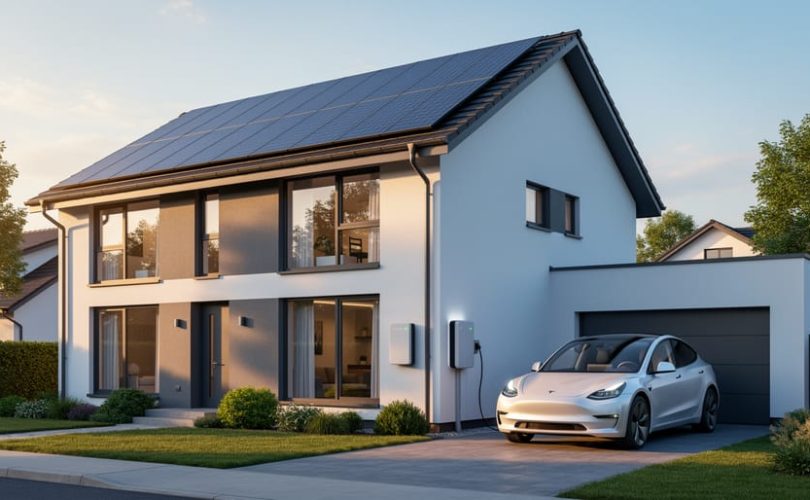
The modern home energy crisis demands immediate action: residential buildings consume approximately 20% of total energy globally, with inefficient heating, cooling, and electrical systems driving costs upward while accelerating environmental degradation. High technology homes represent the convergence of photovoltaic systems, intelligent automation, and energy management solutions that transform passive structures into dynamic, self-sufficient ecosystems capable of reducing consumption by 40-60% while generating measurable returns on investment.
Solar photovoltaic integration forms the foundation of this transformation. Grid-connected PV arrays convert sunlight into electricity at unprecedented efficiency rates, with contemporary crystalline silicon panels achieving 20-22% conversion efficiency under standard test conditions. When paired with battery storage systems, these installations enable energy independence during peak demand periods and provide resilience against grid disruptions.
Smart home automation extends beyond convenience to optimize energy utilization through predictive algorithms and real-time monitoring. Programmable thermostats, automated lighting controls, and intelligent appliance management systems analyze occupancy patterns and weather forecasts to minimize waste without compromising comfort. Integration with photovoltaic production data allows these systems to schedule energy-intensive operations during peak solar generation hours, maximizing self-consumption ratios.
For homeowners, renewable energy enthusiasts, and aspiring professionals, understanding these technologies represents more than academic interest—it constitutes practical knowledge for implementing measurable efficiency improvements. The following exploration examines specific technologies, installation considerations, and performance metrics that define the high technology home paradigm.
The Energy Crisis in Modern Homes: Why Traditional Systems Fall Short
Understanding Your Home’s Energy Footprint
Understanding your home’s energy footprint is the essential first step toward creating a high-efficiency residence. According to the U.S. Energy Information Administration, the average American household consumes approximately 10,500 kilowatt-hours annually, with costs varying significantly by region and usage patterns.
The primary energy consumption areas in residential settings include heating and cooling systems, which typically account for 40-50% of total energy use, followed by water heating at 15-20%, and lighting and appliances contributing another 25-30%. These figures reveal substantial opportunities for efficiency improvements and energy generation through photovoltaic integration.
The most significant inefficiency culprits in conventional homes include outdated HVAC systems operating without programmable controls, inadequate insulation allowing thermal bridging, inefficient lighting using incandescent bulbs, and aging appliances lacking ENERGY STAR certification. Additionally, phantom loads from devices in standby mode can account for 5-10% of residential electricity consumption. Identifying these inefficiencies through comprehensive energy audits enables homeowners to prioritize upgrades and implement targeted solutions, including rooftop solar installations that can offset substantial portions of grid-dependent consumption while reducing long-term operating costs.
The Real Cost of Inefficiency
Energy-inefficient homes impose substantial financial and environmental costs that many homeowners underestimate. According to the U.S. Department of Energy, residential buildings account for approximately 20% of total national energy consumption, with heating, cooling, and lighting representing the largest expense categories. The average American household spends over $2,000 annually on energy bills, yet research from Lawrence Berkeley National Laboratory indicates that 25-30% of this expenditure results from inefficient building envelope design, outdated appliances, and poor thermal management.
The carbon footprint of inefficient homes extends beyond personal finances. Data from the Environmental Protection Agency reveals that residential energy consumption generates roughly 1,040 million metric tons of CO2 equivalent annually in the United States alone. A typical energy-inefficient home produces between 8-12 tons of carbon dioxide per year—emissions that photovoltaic integration and smart home technologies can reduce by 50-80%. For environmentally conscious consumers and renewable energy enthusiasts, these figures underscore the urgent need for comprehensive efficiency upgrades. Academic research consistently demonstrates that homes without modern energy management systems experience 40-60% higher operational costs compared to technologically optimized residences, making the case for high-technology solutions increasingly compelling from both economic and sustainability perspectives.
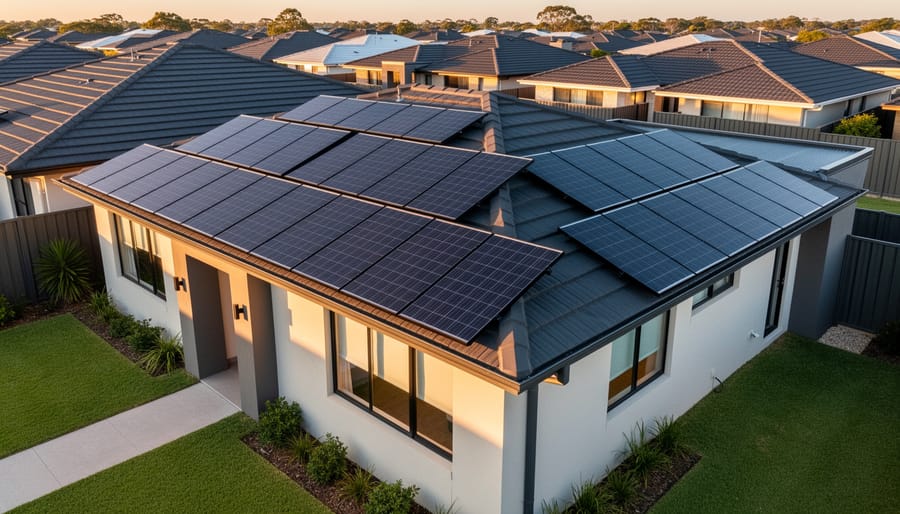
Solar Integration: The Foundation of High-Tech Home Efficiency
Modern PV Technologies for Residential Applications
Modern residential photovoltaic installations rely primarily on three technologies, each offering distinct efficiency profiles and economic considerations. Understanding these options enables homeowners to make informed decisions aligned with their energy goals and budget constraints.
Monocrystalline panels represent the premium tier of residential solar technology, distinguished by their uniform dark appearance and superior efficiency ratings typically ranging from 17% to 22%. These panels utilize silicon wafers cut from single crystal structures, allowing electrons greater freedom of movement and thus higher power output per square meter. This efficiency advantage proves particularly valuable for homeowners with limited roof space or those seeking maximum energy generation from compact installations.
Multi-crystalline modules, also called polycrystalline panels, offer a cost-effective alternative with efficiency ratings between 15% and 17%. Manufactured by melting multiple silicon fragments together, these panels exhibit a characteristic blue hue with visible grain boundaries. While slightly less efficient than their monocrystalline counterparts, they deliver excellent value for residential applications where roof space constraints are minimal. The performance difference between monocrystalline and multi-crystalline panels continues to narrow as manufacturing processes advance.
Mono PERC technology represents the latest evolution in residential solar efficiency. The Passivated Emitter and Rear Cell design incorporates an additional reflective layer on the panel’s rear surface, capturing previously lost light and converting it into usable electricity. This innovation pushes efficiency ratings beyond 22%, making mono PERC panels ideal for high-performance residential installations seeking maximum return on investment through enhanced energy production.
Architectural Solar Solutions: Tiles and Shingles
Architectural solar solutions represent a significant advancement in photovoltaic technology, seamlessly integrating energy generation with building aesthetics. Solar tiles and shingles function as conventional roofing materials while simultaneously converting sunlight into electricity, eliminating the visual impact often associated with rack-mounted systems.
These building-integrated photovoltaic (BIPV) products typically achieve efficiency ratings between 14-18%, slightly lower than premium conventional panels but offering substantial advantages in curb appeal and property value enhancement. Modern solar shingles utilize monocrystalline or thin-film technologies, with installation following standard roofing practices, making them accessible to qualified contractors.
When evaluating solar shingles versus traditional panels, homeowners should consider total system costs, which range from $21-25 per square foot installed, compared to $15-18 for conventional systems. However, architectural solutions eliminate separate roofing expenses during new construction or replacement projects, potentially offsetting premium pricing.
Installation benefits include simplified permitting processes in aesthetically sensitive neighborhoods, enhanced weather resistance through integrated design, and warranty coverage combining roofing and energy generation. Leading manufacturers now offer 25-year performance warranties, aligning with industry standards for conventional photovoltaic systems while providing comprehensive building envelope protection.
Smart Inverters and Energy Management Systems
Smart inverters represent a fundamental shift from traditional photovoltaic equipment, transforming simple DC-to-AC conversion into sophisticated energy management. These intelligent devices continuously monitor voltage, frequency, and power quality while automatically adjusting output to match grid requirements and household demand patterns. Advanced inverter systems integrate monitoring capabilities that track production metrics in real-time, enabling homeowners to identify performance issues immediately and make data-driven decisions about energy consumption.
Modern energy management systems connect inverters, battery storage, and household appliances into unified platforms accessible via smartphone applications or web dashboards. These systems analyze historical usage patterns and weather forecasts to optimize battery charging schedules and determine optimal times for high-consumption activities. Through optimizing solar energy production and consumption alignment, households can increase self-consumption rates from typical 30-40% to over 70%, significantly reducing grid dependency.
Universities collaborating with industry leaders continue advancing inverter technology, developing predictive algorithms that anticipate energy needs based on occupancy patterns and seasonal variations. Educational programs now incorporate hands-on training with these systems, preparing professionals to design and implement comprehensive energy management solutions for residential applications.
Smart Home Automation for Energy Optimization
Intelligent Lighting and Climate Control
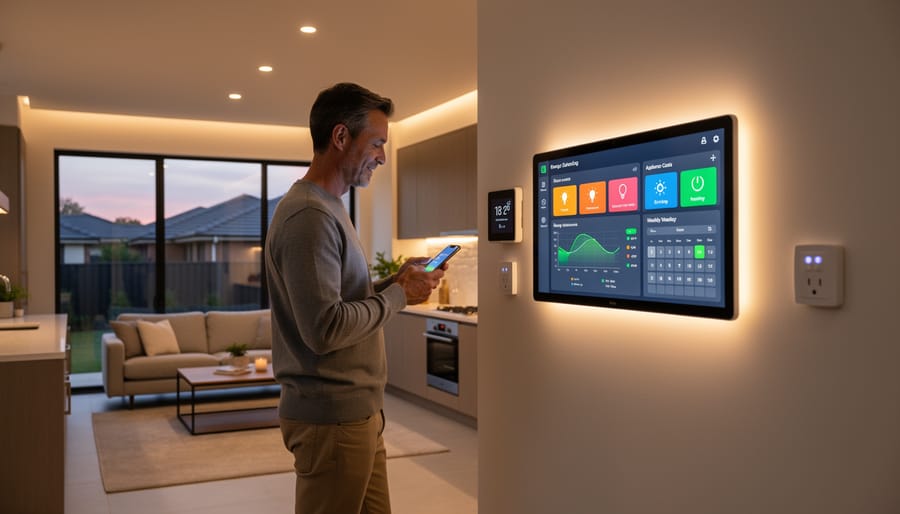
Modern high-technology homes integrate sophisticated lighting and climate control systems that significantly reduce energy consumption while enhancing comfort. Smart thermostats represent a cornerstone of this innovation, learning household occupancy patterns and adjusting heating and cooling schedules accordingly. These devices interface with weather forecasting data to preemptively optimize HVAC performance, reducing energy waste by up to 23% compared to conventional systems.
Automated lighting systems utilize occupancy sensors, daylight harvesting technologies, and circadian rhythm programming to minimize electricity usage. When integrated with photovoltaic installations, these systems prioritize solar-generated power during peak production hours, storing excess energy or routing it to climate control operations. Advanced HVAC optimization technologies employ zone-based temperature management, directing conditioned air only to occupied spaces rather than maintaining uniform temperatures throughout entire structures.
Machine learning algorithms continuously refine these systems’ performance by analyzing usage data, seasonal variations, and resident preferences. This adaptive approach ensures optimal energy efficiency without compromising comfort, making intelligent climate and lighting control essential components of sustainable residential design that complement renewable energy generation systems.
Load Management and Peak Shaving
Intelligent load management systems represent a critical advancement in maximizing photovoltaic system performance while minimizing grid dependency. These platforms coordinate appliance operation with solar generation patterns, automatically shifting high-consumption activities to periods of peak production. When solar output exceeds immediate household demand, energy management systems activate predetermined loads such as water heaters, washing machines, or battery charging cycles, effectively storing solar energy as heat or mechanical work rather than exporting it at lower feed-in tariff rates.
Peak shaving algorithms continuously monitor household consumption patterns and utility rate structures, implementing strategic load distribution that reduces demand charges and avoids expensive peak-period electricity. Research conducted in collaboration with leading universities demonstrates that homes equipped with comprehensive load management can reduce grid electricity purchases by 40-60% compared to conventional consumption patterns.
Modern energy management platforms integrate weather forecasting data to anticipate solar generation, enabling predictive scheduling of energy-intensive tasks. These systems communicate with smart appliances through standardized protocols, creating a cohesive ecosystem where every device contributes to overall efficiency. For environmentally conscious consumers and aspiring professionals, understanding load management fundamentals proves essential as these technologies become standard components of high-performance residential energy systems.
Real-Time Monitoring and Analytics
Modern home energy monitoring systems transform raw consumption data into actionable intelligence that empowers homeowners to optimize their energy usage patterns. These platforms utilize smart meters, photovoltaic production monitors, and networked appliance sensors to collect granular data at intervals as frequent as every few seconds, providing unprecedented visibility into energy flows throughout the residence.
Advanced analytics dashboards process this information to identify consumption trends, peak demand periods, and inefficient appliances that warrant attention. Machine learning algorithms detect anomalies such as phantom loads from devices in standby mode or unusual spikes that may indicate malfunctioning equipment. For households with solar installations, these systems provide real-time comparison between photovoltaic generation and consumption, enabling strategic load shifting to maximize self-consumption and minimize grid dependence.
The behavioral impact of continuous monitoring proves significant. Research demonstrates that households with access to detailed energy analytics reduce consumption by 10-15 percent through informed decision-making alone. Visual feedback mechanisms, including mobile notifications and historical comparisons, encourage gradual habit modifications such as running high-demand appliances during peak solar production hours. Integration with utility rate structures allows the system to recommend optimal timing for energy-intensive tasks, directly translating data insights into cost savings while supporting grid stability through demand response participation.
Energy Storage: Bridging Production and Consumption
Residential Battery Technologies
Residential battery storage has evolved significantly, with lithium-ion technology dominating the current market due to its superior energy density, declining costs, and proven reliability. These systems typically offer capacities ranging from 5 to 20 kilowatt-hours per unit, with modular designs allowing homeowners to scale storage according to their consumption patterns and photovoltaic array size. Modern lithium-ion batteries demonstrate lifecycles exceeding 6,000 charge-discharge cycles, translating to operational lifespans of 10 to 15 years under standard residential conditions.
Integration with photovoltaic systems requires sophisticated inverter technology and charge controllers that optimize energy flow between solar panels, batteries, and household loads. Battery management systems continuously monitor cell voltage, temperature, and state of charge to maximize performance and safety. Emerging solid-state battery technologies promise enhanced energy density and improved safety profiles, though commercial availability for residential applications remains several years away.
Flow batteries and sodium-ion alternatives represent additional emerging options, particularly for applications requiring extended discharge durations or utilizing abundant, lower-cost materials. When selecting storage solutions, homeowners should evaluate round-trip efficiency ratings, typically between 85 and 95 percent for lithium-ion systems, alongside warranty terms and compatibility with existing solar infrastructure. Proper sizing calculations must account for daily consumption patterns, desired backup duration during grid outages, and seasonal photovoltaic production variations.
Strategic Energy Storage and Time-of-Use Optimization
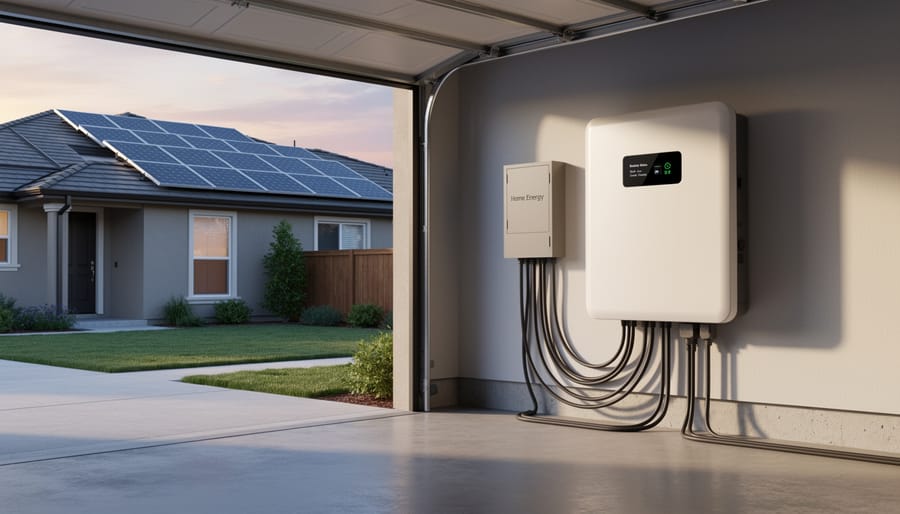
Intelligent battery management systems represent a critical advancement in residential energy optimization, transforming photovoltaic installations from simple electricity generators into comprehensive energy solutions. These sophisticated systems employ algorithms that analyze historical consumption patterns, weather forecasts, and utility rate structures to determine optimal charging and discharging schedules.
During peak solar production hours, excess electricity flows into high-capacity lithium-ion or lithium iron phosphate battery systems rather than immediately returning to the grid at minimal compensation rates. The stored energy becomes available during evening peak-demand periods when grid electricity costs substantially more, effectively arbitraging time-of-use pricing differentials. Research conducted through university collaborations demonstrates that strategic discharge timing can reduce utility bills by 40-60% compared to systems without storage optimization.
Advanced battery management systems continuously monitor state-of-charge levels, temperature conditions, and degradation rates to maximize longevity while ensuring sufficient reserve capacity for unexpected outages. Machine learning algorithms improve decision-making accuracy over time, adapting to seasonal variations and evolving household consumption patterns. This intelligent approach extends beyond simple backup power provision, creating a dynamic energy ecosystem that minimizes grid dependence while maximizing economic returns on photovoltaic investments. Educational programs increasingly emphasize battery integration as essential knowledge for renewable energy professionals navigating the transition toward distributed energy resources.
Building the High-Tech Efficient Home: A Practical Roadmap
Conducting a Home Energy Audit
Before investing in high technology solutions, conducting a comprehensive home energy audit establishes baseline consumption patterns and identifies efficiency opportunities. This systematic evaluation examines insulation quality, air leakage points, HVAC system performance, and appliance energy usage to determine where improvements deliver maximum return on investment.
Professional auditors utilize thermal imaging cameras, blower door tests, and power monitoring equipment to quantify energy losses accurately. The assessment generates prioritized recommendations that guide technology deployment decisions, ensuring photovoltaic system sizing aligns with actual needs after efficiency improvements reduce overall consumption.
For homeowners pursuing self-assessment, utility companies often provide complimentary basic audits or online tools that analyze billing history against home characteristics. These resources help evaluate which upgrades—from LED lighting conversions to smart thermostat installations—should precede major investments like solar panel arrays, optimizing the integration of multiple technologies within budget constraints while maximizing long-term energy savings.
Phased Implementation Strategy
Adopting high-technology solutions for your home requires careful planning to maximize return on investment while minimizing financial strain. A phased implementation strategy allows homeowners to prioritize technologies based on impact and budget constraints.
Begin with an energy audit to identify the most significant consumption areas. Phase one typically focuses on photovoltaic system installation, as solar panels deliver immediate utility cost reductions and serve as the foundation for subsequent upgrades. This initial investment often qualifies for federal tax credits and state incentives, improving affordability.
Phase two introduces smart home automation, including programmable thermostats, intelligent lighting systems, and energy monitoring devices that optimize consumption patterns based on solar production data. These technologies integrate seamlessly with existing PV systems to enhance efficiency gains.
Phase three expands energy storage capacity through battery systems, enabling greater energy independence and backup power capabilities. This stage also incorporates advanced appliances and electric vehicle charging infrastructure.
Universities and research institutions increasingly offer educational programs and workshops on renewable energy implementation, providing homeowners with knowledge to make informed decisions throughout each phase. This incremental approach balances upfront costs with progressive efficiency improvements, ensuring sustainable financial planning while achieving comprehensive home technology integration.
Professional Installation vs. DIY Considerations
Integrating photovoltaic systems and advanced home automation requires careful assessment of installation complexity. Professional expertise is essential for electrical work, including solar panel mounting, inverter installation, and grid interconnection, which demand compliance with local codes and safety standards. Licensed electricians ensure proper system design, load calculations, and permit acquisition—critical factors that directly impact system performance and warranty coverage.
However, homeowners can participate meaningfully in certain aspects of the installation process. Research and system planning, including energy audits and technology selection, benefit from owner involvement. Smart home devices like programmable thermostats, energy monitors, and basic automation controllers often feature user-friendly installation processes suitable for DIY implementation. Educational programs offered through university collaborations provide valuable training for those seeking deeper technical knowledge before undertaking more complex tasks. This hybrid approach balances safety and regulatory compliance with cost savings, while fostering greater understanding of system operation and maintenance requirements among environmentally conscious consumers pursuing energy independence.
The Educational Foundation: Training the Next Generation of PV Professionals
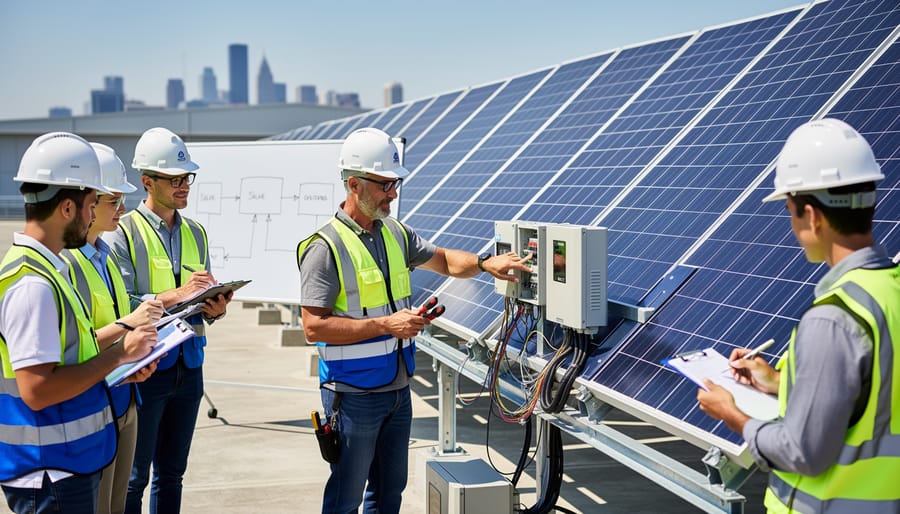
The transformation of residential energy systems requires a skilled workforce capable of designing, installing, and maintaining sophisticated photovoltaic and smart home technologies. Recognizing this critical need, leading universities have developed comprehensive educational programs that bridge the gap between theoretical knowledge and practical application in high-technology home solutions.
These university-led initiatives offer specialized curricula covering photovoltaic system design, energy storage technologies, building-integrated photovoltaics, and smart home automation. Students gain hands-on experience through laboratory work, real-world installation projects, and internships with industry partners. The programs typically combine electrical engineering fundamentals with sustainable building practices, energy policy analysis, and business management skills essential for success in the renewable energy sector.
One notable approach involves creating living laboratories where students work on actual residential installations, allowing them to troubleshoot real-world challenges while homeowners benefit from reduced installation costs. These experiential learning opportunities prepare graduates to navigate the complexities of integrating multiple technologies within existing home infrastructure, understanding utility interconnection requirements, and optimizing system performance based on regional climate conditions and consumption patterns.
The collaboration between academic institutions and industry leaders ensures curriculum relevance and creates clear pathways from education to employment. Many programs maintain partnerships with photovoltaic manufacturers, installation companies, and energy consulting firms, providing students with networking opportunities and industry insights. Guest lectures from practicing professionals, equipment donations from manufacturers, and certification preparation courses further enhance the educational experience.
As home energy systems grow increasingly sophisticated, the demand for qualified professionals continues to outpace supply. These university programs play an indispensable role in building the technical workforce needed to advance residential energy efficiency. For consumers, the availability of well-trained professionals translates directly into higher quality installations, better system performance, and increased confidence in adopting high-technology home solutions. The investment in education today ensures the continued innovation and widespread adoption of efficient, sustainable residential energy systems tomorrow.
The transition to high-tech home efficiency represents more than individual cost savings; it embodies a collective response to pressing environmental challenges. Modern photovoltaic systems, smart energy management platforms, and integrated automation technologies have reached unprecedented levels of accessibility and affordability, dismantling traditional barriers to adoption. The economic case remains compelling: homeowners who implement comprehensive efficiency solutions typically recover their investments within five to ten years while enjoying reduced utility costs and increased property values throughout the system’s 25-year or longer operational lifetime.
From an environmental perspective, widespread adoption of high-tech home solutions directly addresses residential energy consumption, which accounts for approximately 20 percent of total energy usage in developed nations. Each home that transitions to solar PV integration and smart efficiency systems contributes measurably to reduced carbon emissions and decreased demand on centralized power grids. The cumulative impact of thousands of such installations creates substantial environmental benefits while fostering market conditions that drive continued innovation and price reductions.
The field continues evolving rapidly, with emerging technologies including advanced battery storage systems, artificial intelligence-driven energy optimization, and next-generation photovoltaic materials promising even greater efficiency gains. Educational programs through universities and industry organizations provide pathways for professionals to master these technologies while helping consumers navigate implementation decisions. The moment for action has arrived: homeowners and aspiring renewable energy professionals alike have unprecedented opportunities to participate in this transformative sector, creating sustainable living spaces while contributing to broader environmental goals.


