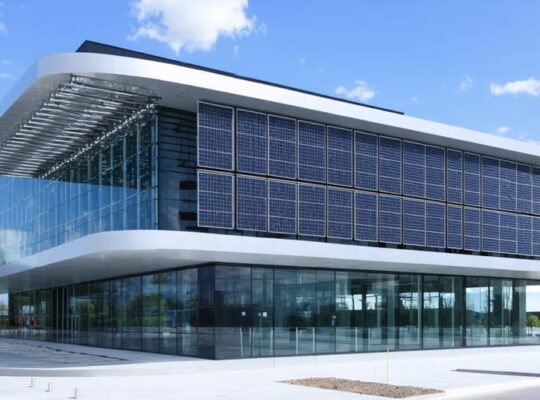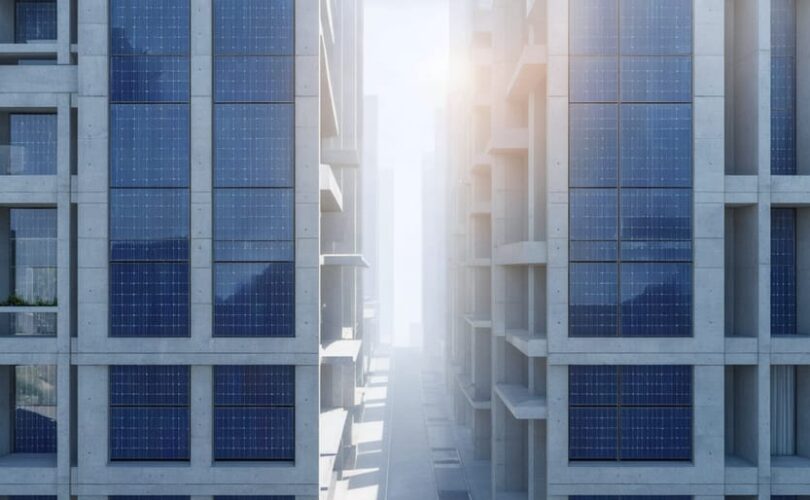
Concrete facade panels have revolutionized modern architecture by combining structural integrity with aesthetic innovation. As a cornerstone of building-integrated photovoltaics, these versatile elements offer unprecedented opportunities for sustainable construction. Advanced manufacturing techniques now enable the creation of panels that seamlessly integrate solar technology while maintaining the robust characteristics of traditional concrete facades. These engineered solutions deliver superior thermal performance, weather resistance, and architectural flexibility, making them increasingly popular among forward-thinking designers and developers. From sleek, minimalist surfaces to intricately textured finishes, concrete facade panels represent the intersection of durability and design innovation in contemporary building envelopes.
The evolution of concrete facade technology has opened new possibilities for energy-efficient building design, allowing architects to create structures that are both environmentally responsible and visually striking. This integration of form and function marks a significant advancement in sustainable architecture, offering solutions that meet both aesthetic demands and performance requirements for modern construction projects.
The Evolution of Concrete Facade Panels in Solar Integration
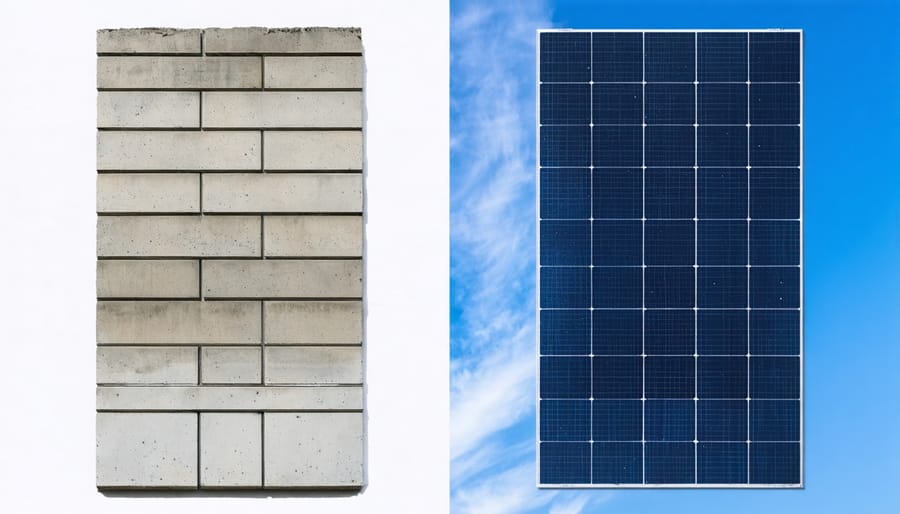
Traditional Concrete Facades vs. PV-Integrated Systems
Traditional concrete facade panels, while offering durability and aesthetic appeal, serve primarily as protective building elements without additional functionality. In contrast, modern facade power generation systems integrate photovoltaic technology directly into the building envelope, transforming passive surfaces into active energy producers.
Conventional panels typically consist of precast concrete with standard insulation properties and limited design flexibility. Their primary advantages include weather resistance, structural integrity, and cost-effectiveness. However, they contribute minimally to a building’s energy efficiency beyond basic thermal performance.
PV-integrated facade panels represent a significant technological advancement, combining the structural benefits of traditional concrete with renewable energy generation capabilities. These systems feature embedded solar cells, sophisticated power management components, and enhanced thermal properties. While the initial investment may be higher, PV-integrated panels offer substantial long-term benefits through energy cost reduction, improved building performance ratings, and decreased carbon emissions.
The integration of these systems also provides architects with expanded design possibilities, enabling the creation of visually striking buildings that demonstrate environmental responsibility while maintaining functional excellence.
Material Innovation in PV-Concrete Integration
Recent advancements in materials science have revolutionized the integration of photovoltaic technology with concrete facade panels. Researchers have developed innovative composite materials that enhance both structural integrity and power generation efficiency. These include nano-modified concrete mixtures that improve thermal conductivity and specialized surface treatments that optimize light absorption.
A significant breakthrough comes from the development of semi-transparent concrete aggregates that allow better light penetration while maintaining structural strength. This innovation enables deeper integration of PV cells within the concrete matrix rather than mere surface mounting. Additionally, new polymer-based adhesives specifically designed for PV-concrete bonding provide superior durability and weather resistance.
Smart materials that respond to environmental conditions are also emerging, featuring self-cleaning surfaces and temperature-regulating properties. These adaptations protect the PV components while maximizing energy harvest. Researchers have also successfully implemented phase-change materials within concrete panels, helping regulate temperature fluctuations and maintain optimal PV performance.
The integration of carbon fiber reinforcement has addressed previous limitations in panel weight and flexibility, allowing for larger installation surfaces without compromising structural integrity. These material innovations continue to drive the evolution of PV-concrete systems, making them increasingly efficient and commercially viable.
Technical Specifications and Performance Metrics
Energy Generation Capabilities
Modern concrete facade panels integrated with photovoltaic technology demonstrate impressive energy generation capabilities, typically producing between 120-160 watts per square meter under optimal conditions. These systems achieve conversion efficiencies ranging from 15% to 20%, depending on the type of PV cells used and environmental factors.
The power output potential varies significantly based on panel orientation, geographical location, and local climate conditions. In sunny regions, well-designed concrete facade PV installations can generate approximately 800-1000 kWh per kWp annually. South-facing installations generally yield the highest energy output, though east and west orientations can still maintain 75-85% of optimal generation capacity.
Recent technological advances have improved the panels’ low-light performance, enabling energy generation even during overcast conditions. The integration of micro-inverters and power optimizers further enhances system efficiency by minimizing power losses from partial shading and ensuring maximum power point tracking at the individual panel level.
Testing has shown that the thermal mass of concrete actually benefits PV performance by moderating temperature fluctuations. This thermal regulation can increase overall system efficiency by 3-5% compared to traditional mounted solar panels, particularly in extreme climate conditions. The concrete backing also provides natural cooling, helping maintain optimal operating temperatures for the photovoltaic cells.
Structural Integration and Load-Bearing Considerations
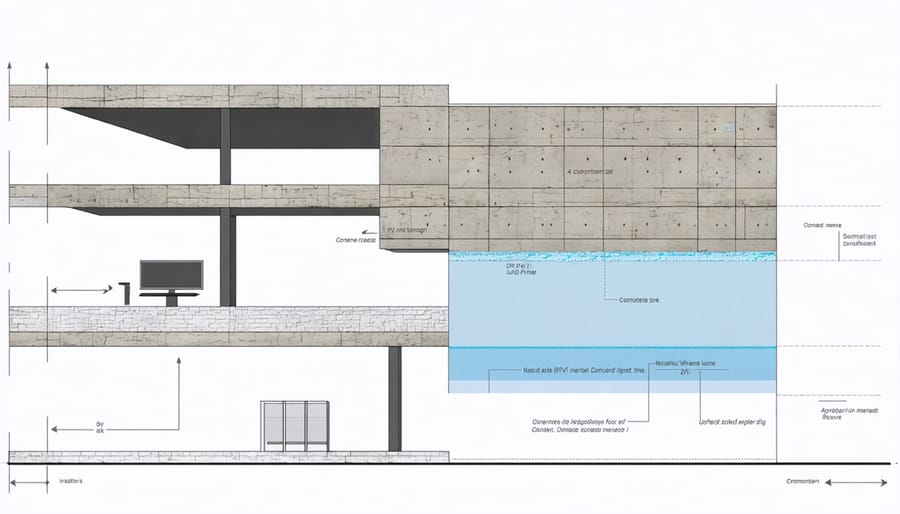
The integration of photovoltaic systems with concrete facade panels requires careful engineering consideration to ensure structural integrity and optimal performance. Load distribution is a critical factor, as PV panels add approximately 10-15 kg/m² to the facade’s weight. Engineers must evaluate the existing building structure’s capacity to support this additional load while maintaining safety margins.
Mounting systems play a vital role in load transfer and must be designed to accommodate thermal expansion, wind loads, and seismic forces. The connection points between PV panels and concrete surfaces require specialized anchoring systems that prevent water infiltration while ensuring proper building insulation performance.
Static calculations must account for both dead loads (permanent weight) and live loads (wind, snow, maintenance access). Modern design software enables precise modeling of these forces, helping engineers optimize attachment points and support structures. The facade’s overall stability is enhanced through strategic placement of reinforcement bars and careful consideration of panel joint designs.
Weather resistance is achieved through proper sealing and waterproofing at mounting points. Engineers typically specify elastomeric sealants and gaskets that maintain flexibility while preventing moisture intrusion. This approach ensures long-term durability without compromising the structural integrity of either the PV system or the concrete panels.
Installation and Integration Process
Pre-Installation Requirements
Before installing concrete facade panels for photovoltaic integration, a thorough assessment of the building structure and site conditions is essential. The building’s structural integrity must be evaluated to ensure it can support the additional weight of the panels and mounting systems. This includes analyzing the load-bearing capacity of walls and examining the existing facade condition.
The installation surface must be level and free from significant irregularities. Any damaged areas should be repaired, and waterproofing measures must be verified to prevent moisture infiltration. Engineers should conduct precise measurements of the facade area to determine panel quantities and arrangement patterns.
Weather conditions and solar exposure patterns at the installation site require careful analysis to optimize panel placement. This includes studying seasonal sun paths, identifying potential shading obstacles, and considering local climate factors that might affect panel performance.
Electrical infrastructure assessment is crucial, including evaluation of existing wiring systems and determining requirements for inverter placement and grid connection points. Building codes and local regulations must be reviewed to ensure compliance with safety standards and obtain necessary permits.
A detailed installation timeline should be developed, considering factors such as material delivery schedules, equipment accessibility, and coordination with other construction activities to minimize disruption to building operations.
Mounting Systems and Electrical Integration
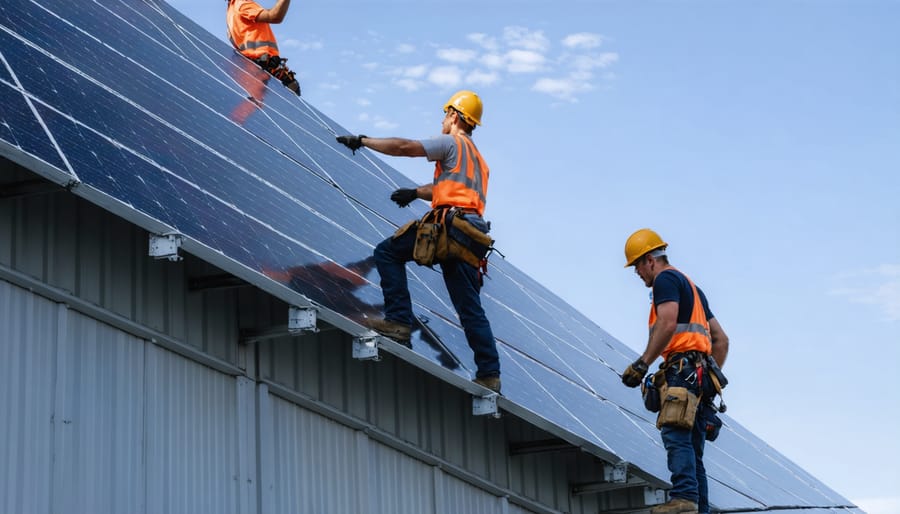
The mounting system for concrete facade panels requires careful consideration of both structural integrity and electrical integration. A typical installation utilizes a combination of aluminum rails and specialized brackets designed to distribute weight evenly across the concrete surface. These mounting components must accommodate thermal expansion while maintaining weathertight seals to protect electrical connections.
For electrical integration, junction boxes are typically installed behind each panel, connected through purpose-designed conduit systems embedded within the concrete structure. Installers must ensure proper cable management with appropriate bend radius requirements and strain relief mechanisms. The wiring harnesses are routed through dedicated channels in the mounting system, protecting them from environmental exposure and mechanical stress.
To maintain the facade’s aesthetic appeal, designers often incorporate discrete wire management solutions that conceal electrical components while allowing for maintenance access. The integration process must comply with local building codes and electrical standards, particularly regarding grounding requirements and fire safety regulations.
Quality control during installation is crucial, with specific attention to proper torque specifications for mounting hardware and verification of all electrical connections. Regular inspection points should be established to ensure long-term system reliability and performance monitoring capabilities.
Cost-Benefit Analysis and ROI
Initial Investment vs. Long-term Returns
The initial investment in concrete facade panels with integrated photovoltaic systems typically ranges from $150 to $300 per square meter, depending on customization requirements and system specifications. While this represents a 20-30% premium over traditional concrete facades, the long-term financial benefits justify the upfront costs. Energy generation capabilities can offset approximately 40-60% of a building’s electrical consumption, resulting in substantial utility savings.
Analysis of real-world implementations shows that most installations achieve complete return on investment within 7-10 years, factoring in energy savings, government incentives, and reduced maintenance costs. The durability of concrete facade panels, with a lifespan exceeding 30 years, ensures continued returns long after the initial investment is recovered.
Additional financial benefits include increased property value, averaging 4-6% higher than comparable non-PV buildings, and potential revenue through excess energy sales to the grid. When considering lifecycle costs, integrated PV concrete facades demonstrate a 15-20% lower total cost of ownership compared to conventional facades with separate solar installations, making them an economically sound investment for forward-thinking building owners.
Energy Savings and Environmental Benefits
Concrete facade panels with integrated photovoltaic systems offer substantial environmental benefits and measurable energy savings. Studies have shown that these panels can reduce a building’s overall energy consumption by 25-40% through improved thermal insulation and on-site power generation. The integration of PV elements helps optimize building energy performance metrics, resulting in lower heating and cooling costs throughout the year.
From an environmental perspective, concrete facade panels with PV integration can offset approximately 50-60 kg of CO2 emissions per square meter annually. A typical commercial installation of 500 square meters can prevent the release of 25-30 metric tons of CO2 each year. Additionally, the extended lifespan of these panels, averaging 30-35 years, ensures long-term environmental benefits while reducing the need for material replacement and associated waste.
The dual functionality of these panels – serving as both building envelope and power generator – eliminates the need for separate traditional cladding materials, thereby reducing the overall carbon footprint of construction projects and supporting sustainable building practices.
Maintenance and Longevity
Concrete facade panels require systematic maintenance to ensure their longevity and optimal performance, particularly when integrated with photovoltaic systems. Regular inspections should be conducted bi-annually to assess the panels’ structural integrity, checking for signs of weathering, cracks, or potential water infiltration points.
The typical lifespan of well-maintained concrete facade panels ranges from 50 to 100 years, making them a highly durable building component. However, this longevity depends on several factors, including environmental conditions, installation quality, and adherence to maintenance protocols. In coastal areas or regions with extreme weather conditions, more frequent maintenance may be necessary due to increased exposure to corrosive elements.
Key maintenance practices include cleaning the panels annually using non-abrasive methods to remove dirt and pollutants, sealing any developing cracks promptly to prevent water penetration, and ensuring proper drainage systems remain functional. The joint systems between panels require particular attention, as these are potential vulnerability points that can affect the overall facade performance.
For panels incorporating PV systems, additional maintenance considerations include keeping the solar-active surfaces clean and ensuring electrical connections remain secure and protected from moisture. Regular thermal imaging inspections can help identify any developing issues before they become significant problems.
Preventive maintenance costs are relatively low compared to reactive repairs, typically averaging 0.5-1% of initial installation costs annually. This investment helps maintain the panels’ structural integrity, aesthetic appeal, and energy-generation efficiency when PV systems are present, ultimately extending the service life of the entire facade system.
Concrete PV facade panels represent a significant advancement in building-integrated photovoltaics, offering a compelling combination of structural functionality, energy generation, and architectural aesthetics. As demonstrated throughout this discussion, these innovative systems provide multiple benefits, including reduced energy costs, enhanced building sustainability, and improved thermal performance. The integration of photovoltaic technology with concrete facades has proven particularly effective in urban environments, where vertical surface area often exceeds available roof space.
Looking ahead, the future of concrete PV facade panels appears increasingly promising. Ongoing technological developments continue to improve power conversion efficiency, while manufacturing processes are becoming more streamlined and cost-effective. The growing emphasis on sustainable building practices and zero-energy buildings worldwide is likely to accelerate adoption rates across commercial, industrial, and residential sectors.
Research collaborations between industry leaders and academic institutions are driving innovation in materials science and system design, potentially leading to even more efficient and aesthetically pleasing solutions. As climate change concerns intensify and energy regulations become more stringent, concrete PV facade panels are positioned to play a crucial role in the future of sustainable architecture.
The technology’s continued evolution, coupled with decreasing installation costs and increasing energy prices, suggests that concrete PV facade panels will become an increasingly attractive option for both new construction and building retrofits. This transformation in building envelope technology represents a significant step toward more sustainable and energy-efficient urban environments.