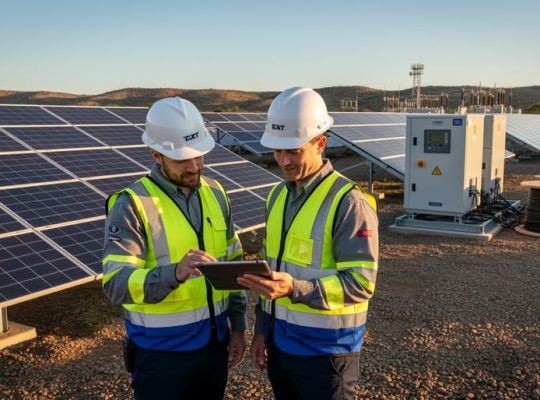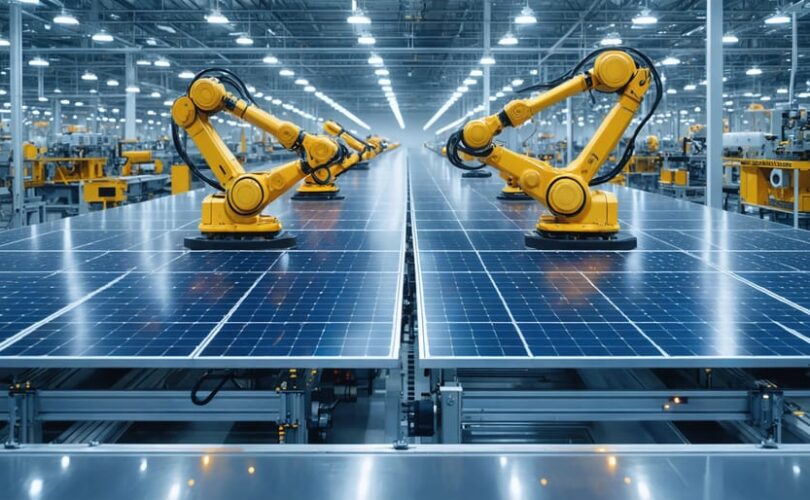
The global manufacturing sector stands at a pivotal crossroads, where environmental sustainability has become not just an ethical choice but a competitive necessity. As industries grapple with mounting environmental pressures and stricter regulations, eco-friendly manufacturing emerges as a transformative solution that combines innovation, efficiency, and environmental stewardship. Recent studies indicate that sustainable manufacturing practices can reduce operational costs by up to 20% while decreasing carbon emissions by 30-50%, demonstrating the powerful synergy between environmental responsibility and business success.
Modern eco-friendly manufacturing encompasses a comprehensive approach to production that optimizes resource utilization, minimizes waste generation, and leverages renewable energy sources. From implementing closed-loop systems that recover and reuse materials to adopting advanced energy management technologies, forward-thinking manufacturers are revolutionizing traditional production methods. These innovations not only address urgent environmental challenges but also position companies for long-term success in an increasingly sustainability-focused global market.
As we delve deeper into the principles and practices of eco-friendly manufacturing, we’ll explore how businesses can implement these transformative strategies while maintaining productivity and profitability, ultimately contributing to a more sustainable industrial future.
The Environmental Impact of Traditional Solar Manufacturing
Carbon Footprint Analysis
Traditional manufacturing processes contribute significantly to global carbon emissions, with industrial operations accounting for approximately one-third of worldwide greenhouse gas emissions. The environmental impact of solar manufacturing and other industrial processes primarily stems from energy-intensive operations, raw material extraction, and inefficient resource utilization.
Analysis of typical manufacturing facilities reveals that electricity consumption for machinery operation, heating, and cooling systems represents the largest portion of their carbon footprint. Heavy machinery often operates continuously, consuming substantial amounts of fossil fuel-derived energy. Additionally, transportation of raw materials and finished products contributes significantly to the overall emissions profile.
Studies indicate that the average manufacturing facility generates between 100-500 metric tons of CO2 equivalent per million dollars of revenue. This includes both direct emissions from manufacturing processes and indirect emissions from purchased electricity and upstream supply chain activities. The carbon intensity varies considerably across different industrial sectors, with metal processing, chemical manufacturing, and semiconductor production typically showing higher emission rates.
Understanding these baseline metrics is crucial for implementing effective emission reduction strategies and transitioning toward more sustainable manufacturing practices.
Resource Consumption Patterns
Resource consumption in eco-friendly manufacturing focuses on optimizing three critical areas: water usage, raw material utilization, and waste management. Manufacturing facilities have implemented advanced water recycling systems that reduce freshwater consumption by up to 70% through closed-loop processing and advanced filtration technologies. These systems capture, treat, and reuse process water multiple times before final disposal.
Raw material efficiency has improved through precise inventory management and lean manufacturing principles. Modern facilities utilize computer-aided design and manufacturing processes to minimize material waste during production. Additionally, manufacturers are increasingly sourcing recycled materials and implementing material recovery programs that can reclaim up to 90% of production scrap.
Waste generation is addressed through comprehensive zero-waste initiatives. These programs typically include segregation of waste streams, on-site recycling facilities, and partnerships with specialized recycling companies. Many facilities have achieved significant reductions in landfill waste through these measures, with some reporting less than 1% of total waste going to landfills. Advanced monitoring systems track resource consumption patterns in real-time, enabling manufacturers to identify and address inefficiencies promptly.
Innovative Green Manufacturing Technologies
Energy-Efficient Production Lines
Modern manufacturing facilities are increasingly adopting energy-efficient technologies and processes to reduce their environmental impact while optimizing operational costs. Advanced energy management systems utilize real-time monitoring and artificial intelligence to analyze consumption patterns and automatically adjust equipment settings for optimal performance.
Variable frequency drives (VFDs) have become standard in production lines, allowing motors and pumps to operate at precisely controlled speeds rather than running at full capacity continuously. This smart power management can reduce energy consumption by up to 50% in certain applications. Similarly, regenerative braking systems in conveyor systems capture and reuse energy that would otherwise be lost as heat.
LED lighting systems with motion sensors and daylight harvesting capabilities have replaced traditional industrial lighting, while smart HVAC systems maintain optimal working conditions while minimizing energy usage. Heat recovery systems capture waste heat from industrial processes and redirect it for facility heating or other manufacturing operations.
Advanced building management systems integrate these technologies, creating a synchronized ecosystem that maximizes energy efficiency. Many facilities are also implementing ISO 50001 energy management standards, establishing systematic approaches to measuring and improving energy performance. Combined with renewable energy sources and energy storage solutions, these innovations are transforming manufacturing facilities into highly efficient, sustainable operations that minimize environmental impact while maintaining productivity.
Closed-Loop Water Systems
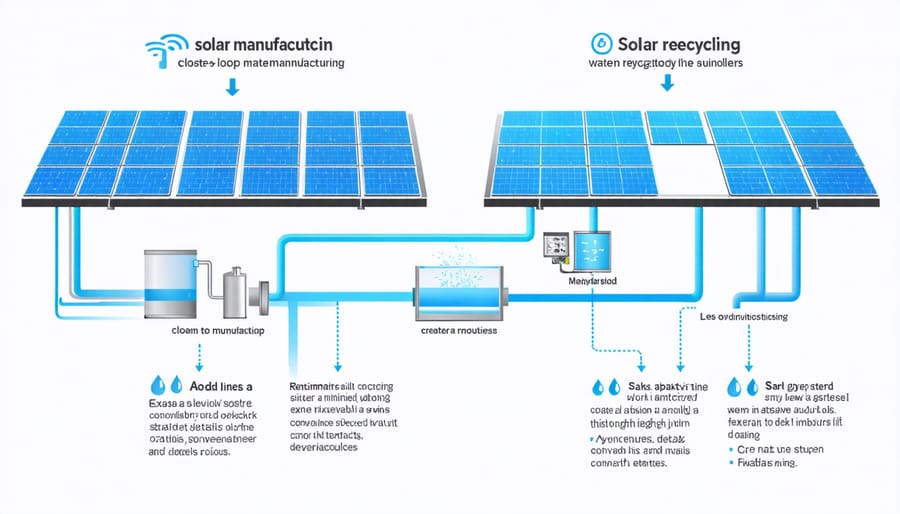
In modern solar manufacturing facilities, closed-loop manufacturing systems play a crucial role in minimizing water consumption and environmental impact. These systems implement sophisticated water recycling mechanisms that capture, treat, and reuse process water throughout the production cycle.
Advanced filtration technologies, including reverse osmosis and deionization systems, ensure that recycled water meets stringent quality requirements for manufacturing processes. This approach typically reduces freshwater consumption by 70-90% compared to traditional manufacturing methods.
Key components of these water conservation systems include:
– Multi-stage filtration units that remove contaminants and particulates
– Real-time monitoring systems that maintain water quality parameters
– Advanced treatment processes that enable water reuse in critical manufacturing steps
– Automated control systems that optimize water consumption
Implementation of these systems requires significant initial investment but delivers substantial long-term benefits through reduced operational costs and environmental impact. Manufacturing facilities utilizing closed-loop water systems report average annual water savings of 50-80 million gallons, depending on production capacity.
The integration of these water conservation technologies also supports compliance with environmental regulations and certification requirements, while demonstrating commitment to sustainable manufacturing practices. This approach has become increasingly important as water scarcity concerns grow globally.
Waste Reduction Strategies
Effective waste reduction in eco-friendly manufacturing requires a systematic approach that integrates multiple strategies throughout the production process. The implementation of lean manufacturing principles helps eliminate excess material usage while maintaining product quality. Key strategies include optimizing material cutting patterns to minimize scraps, implementing just-in-time inventory systems, and utilizing precision manufacturing techniques.
Material recovery and recycling programs play a crucial role in sustainable manufacturing. Organizations can establish closed-loop systems where production waste is collected, sorted, and reprocessed for use in subsequent manufacturing cycles. For instance, silicon waste from solar panel production can be refined and reused in new panels, significantly reducing raw material consumption.
Advanced monitoring systems and data analytics enable manufacturers to identify waste sources and optimize processes accordingly. Real-time tracking of material usage, energy consumption, and waste generation helps in making informed decisions about process improvements. Industries are increasingly adopting zero-waste initiatives through techniques such as:
– Redesigning products for minimal waste generation
– Implementing material recovery systems
– Converting waste into valuable by-products
– Establishing supplier partnerships for packaging reduction
– Utilizing digital technologies for precise inventory management
Employee training and engagement in waste reduction initiatives ensure consistent implementation of these strategies. Regular audits and continuous improvement programs help maintain the effectiveness of waste reduction efforts while identifying new opportunities for optimization.
Material Innovation and Sustainability

Lead-Free Solar Cell Production
The transition to non-toxic solar panel production represents a significant advancement in sustainable manufacturing practices. Traditional solar cell production often relied on lead-based solder and other toxic materials, posing environmental and health risks throughout the manufacturing process and product lifecycle. However, innovative alternatives are now enabling cleaner production methods while maintaining high performance standards.
Manufacturers are increasingly adopting bismuth-based solders as a lead-free alternative, achieving comparable electrical conductivity and mechanical strength. These bismuth compounds demonstrate excellent thermal properties and joint reliability, crucial for long-term solar panel durability. Additionally, advanced copper metallization processes are replacing silver paste components, reducing both toxic material usage and production costs.
Recent developments in perovskite solar cell technology have introduced tin-based alternatives to lead-containing compounds. These materials deliver impressive power conversion efficiencies while eliminating toxic elements from the manufacturing process. Research collaborations between industry leaders and academic institutions continue to optimize these alternatives, focusing on scalability and commercial viability.
Quality control systems specifically designed for lead-free production ensure consistent performance across manufacturing batches. These systems incorporate real-time monitoring and automated inspection protocols, maintaining high standards while reducing environmental impact. The adoption of these eco-friendly practices not only supports environmental sustainability but also aligns with global regulatory requirements for clean energy production.
Recycled Material Integration
The integration of recycled materials in solar panel manufacturing represents a significant advancement in sustainable production practices. Leading manufacturers now incorporate post-consumer glass, aluminum, and silicon waste into their production processes, reducing both environmental impact and manufacturing costs. Recent industry studies indicate that using recycled glass in solar panel production can decrease energy consumption by up to 30% compared to manufacturing with virgin materials.
Silicon recycling has become particularly crucial, as recovered silicon from end-of-life panels can be repurposed for new solar cells after proper processing and purification. Advanced recycling techniques now allow for the recovery of up to 95% of semiconductor materials from decommissioned panels, significantly reducing the demand for raw silicon production.
Aluminum frames, which constitute approximately 12% of a typical solar panel’s mass, are increasingly manufactured using recycled content. Major producers have achieved recycled content rates of 60-80% in their frame components, demonstrating the industry’s commitment to circular economy principles.
The implementation of recycled material streams requires stringent quality control measures to ensure that performance standards are maintained. Manufacturers employ advanced sorting technologies and specialized processing methods to verify that recycled materials meet the same specifications as virgin materials. This careful balance between sustainability and quality has enabled the industry to advance its environmental objectives while maintaining high-performance standards.
Quality Assurance in Green Manufacturing
Quality assurance in green manufacturing requires a delicate balance between maintaining exceptional product standards and adhering to sustainable practices. Modern manufacturers employ sophisticated monitoring systems and advanced testing protocols to ensure products meet rigorous specifications while minimizing environmental impact.
Key quality control measures include implementing statistical process control (SPC) methods adapted for sustainable production lines. These systems track critical parameters while optimizing resource usage and reducing waste. AI-powered quality control systems analyze production data in real-time, enabling swift adjustments to maintain quality standards while preventing material waste and energy inefficiencies.
Environmental management systems (EMS) are integrated with quality management systems (QMS) to create comprehensive frameworks that address both product excellence and ecological responsibility. This integration ensures that sustainability goals don’t compromise product integrity and vice versa. Manufacturers employ life cycle assessment (LCA) tools to evaluate environmental impacts across the entire production process while maintaining strict quality benchmarks.
Documentation and traceability systems play crucial roles in green quality assurance. Digital tracking systems monitor material sources, processing conditions, and product specifications while reducing paper waste. These systems enable manufacturers to verify sustainable sourcing practices while ensuring consistent product quality.
Third-party certification and regular audits validate both environmental compliance and quality standards. Organizations often pursue ISO 14001 environmental management certification alongside traditional quality certifications, demonstrating their commitment to excellence in both areas.
Employee training programs emphasize the dual importance of quality control and sustainable practices. Workers are educated on identifying quality issues while minimizing resource waste and environmental impact. This holistic approach ensures that quality assurance becomes an integral part of sustainable manufacturing culture rather than a separate consideration.
The future of eco-friendly solar manufacturing stands at a pivotal junction, where sustainability meets technological innovation. As the industry continues to evolve, manufacturers are increasingly adopting circular economy principles, implementing zero-waste policies, and investing in renewable energy to power their facilities. This transformation is not just an environmental imperative but a competitive advantage in the global marketplace.
The integration of advanced automation, artificial intelligence, and smart manufacturing systems is enabling unprecedented levels of resource efficiency and waste reduction. These technological advances, combined with stricter environmental regulations and growing consumer demand for sustainable products, are driving the industry toward cleaner production methods.
Looking ahead, we can expect to see continued innovation in recycling technologies, particularly for end-of-life solar panels, and the development of new materials that reduce environmental impact while improving panel efficiency. The industry is also moving toward standardization of eco-friendly practices, with certification programs and sustainability metrics becoming increasingly important for market competitiveness.
The widespread adoption of eco-friendly manufacturing practices is reshaping the solar industry’s value chain, from raw material sourcing to end-product disposal. This evolution is creating new opportunities for collaboration between manufacturers, research institutions, and environmental organizations, fostering an ecosystem that promotes sustainable innovation and responsible production methods.
As these trends continue to mature, eco-friendly solar manufacturing will play a crucial role in achieving global renewable energy goals while minimizing environmental impact, setting new standards for sustainable industrial practices across sectors.