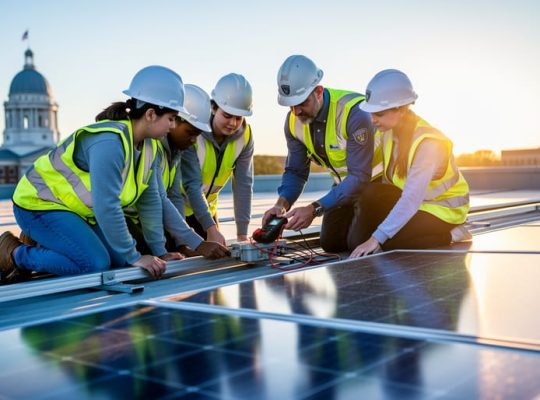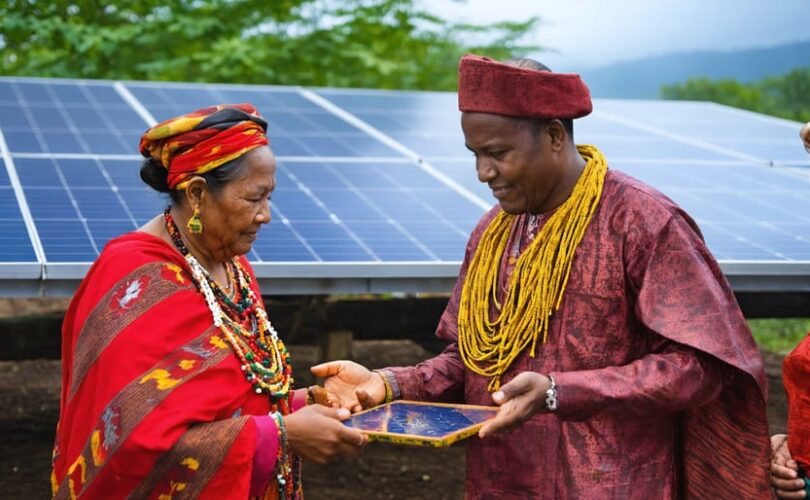
Cross-cultural sensitivity stands as a cornerstone of successful solar PV implementation, particularly in achieving community transformation through solar initiatives across diverse global contexts. In today’s interconnected renewable energy landscape, understanding and respecting cultural nuances directly impacts project outcomes, stakeholder engagement, and long-term sustainability. The intersection of traditional values with modern solar technology creates unique challenges and opportunities that demand careful navigation.
Project developers who master cross-cultural communication achieve significantly higher implementation success rates, with research indicating up to 60% better stakeholder engagement when cultural sensitivity protocols are properly executed. This competency becomes particularly crucial as solar PV installations expand into emerging markets, where cultural considerations often determine the difference between project success and failure.
As renewable energy initiatives continue to globalize, professionals must develop comprehensive cultural intelligence frameworks that address language barriers, local customs, and indigenous knowledge systems. This strategic approach not only enhances project delivery but also establishes lasting partnerships that facilitate sustainable energy transitions across diverse communities worldwide.
Understanding Cultural Contexts in Solar PV Implementation
Local Values and Energy Perspectives
Cultural perspectives on energy consumption and renewable technologies vary significantly across different societies, reflecting deeply rooted values, historical experiences, and socioeconomic contexts. In many traditional communities, energy usage is viewed through a collective lens, emphasizing community benefits and environmental stewardship. For instance, some indigenous communities prioritize sustainable practices that maintain harmony with natural resources, making them particularly receptive to solar power adoption.
Developed nations often approach renewable energy from an individualistic perspective, focusing on personal energy independence and economic benefits. In contrast, emerging economies frequently view renewable technologies as pathways to community development and improved quality of life. These cultural differences significantly influence the acceptance and implementation of solar PV projects.
Religious and philosophical beliefs also shape energy perspectives. Some cultures consider sunlight a sacred resource, while others emphasize technological progress as a means of environmental protection. Understanding these nuanced viewpoints is crucial for successful project implementation. Energy professionals must recognize that effective renewable energy adoption requires alignment with local cultural values, traditional practices, and community expectations rather than imposing standardized solutions across different cultural contexts.
Traditional Practices vs. Modern Technology
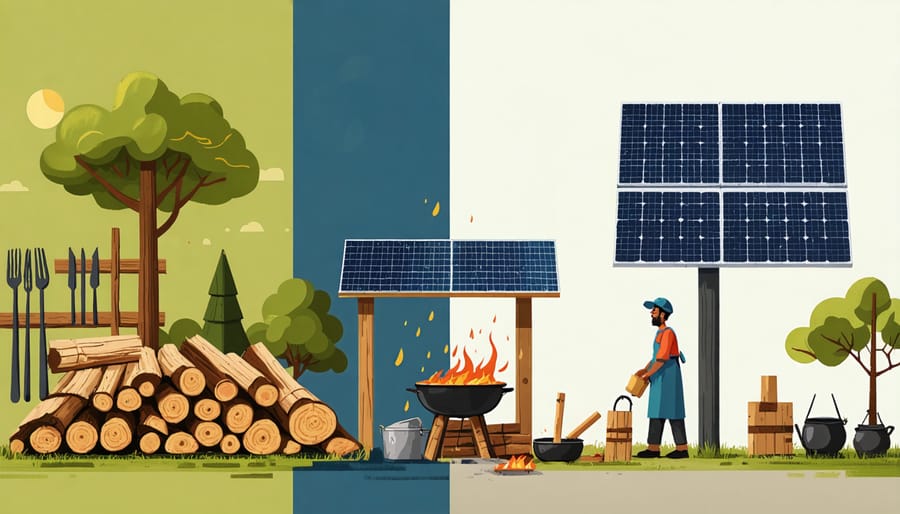
The integration of solar PV technology into communities with established traditional energy practices requires a delicate balance of respect and innovation. Many indigenous and traditional communities have longstanding relationships with energy sources, often deeply rooted in cultural and spiritual beliefs. These practices may include sustainable wood harvesting, biomass utilization, or traditional building designs that maximize natural heating and cooling.
When introducing solar PV systems, successful implementation depends on acknowledging and incorporating these existing practices rather than dismissing them. This approach often leads to hybrid solutions where traditional methods complement modern solar technology. For example, some communities have successfully integrated solar panels into traditional building structures, maintaining architectural heritage while enhancing energy capabilities.
Project developers must recognize that traditional practices often embody generations of environmental wisdom and sustainable resource management. By combining this knowledge with solar technology, projects can achieve greater community acceptance and long-term success. This synthesis creates opportunities for knowledge exchange, where traditional environmental stewardship informs optimal solar system placement and maintenance protocols, while modern technology provides new capabilities for energy independence and economic development.
Communication Strategies Across Cultures
Language and Technical Terms
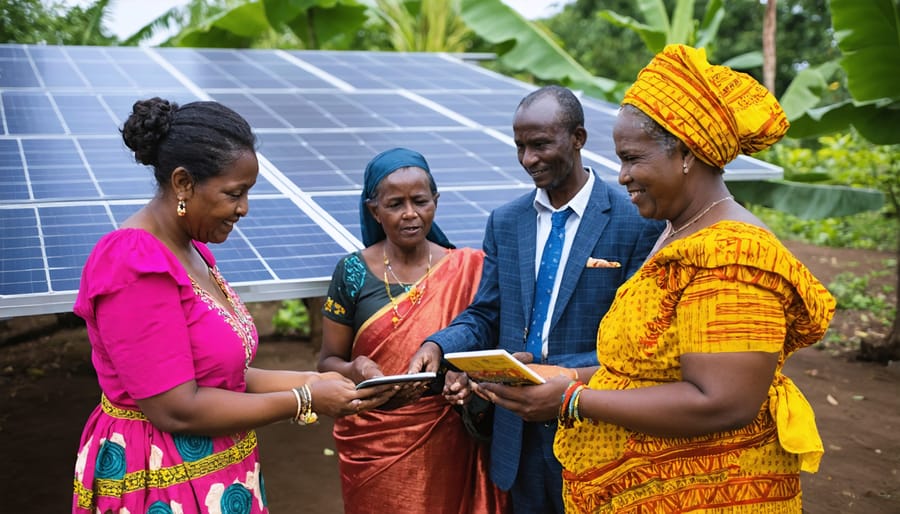
When engaging with diverse cultural contexts in solar PV projects, precise and thoughtful language translation becomes crucial for effective communication. Technical terminology must be adapted carefully to maintain accuracy while respecting cultural nuances. Project managers should develop comprehensive glossaries of solar PV terms with culturally appropriate translations, validated by native speakers and technical experts from the target region.
Consider creating visual aids and diagrams that transcend language barriers, using universally recognizable symbols whenever possible. When translating technical documentation, work with professionals who possess both linguistic expertise and solar industry knowledge to ensure technical accuracy is preserved across languages.
Key technical concepts should be presented using local analogies and contextual references that resonate with the target audience. For instance, explaining solar panel efficiency might be more effective using local farming or traditional energy concepts familiar to the community.
Establish standardized translation protocols for common technical terms, maintaining consistency across all project communications. Document region-specific terminology variations and maintain updated reference materials for team members. When introducing new technical concepts, provide clear explanations in both the local language and technical terminology, allowing stakeholders to build understanding progressively.
Remember that some technical terms may not have direct translations in certain languages. In such cases, work with local experts to develop appropriate alternatives that accurately convey the intended meaning while respecting cultural sensitivities.
Non-verbal Communication and Cultural Protocols
Non-verbal communication plays a crucial role in cross-cultural interactions within the renewable energy sector. Understanding and respecting these unspoken elements is essential for successful project implementation and stakeholder engagement across diverse cultural contexts.
Different cultures have varying interpretations of gestures, personal space, and body language. For instance, direct eye contact, considered respectful in Western business settings, may be perceived as confrontational in some Asian cultures. Similarly, the acceptable physical distance during professional interactions varies significantly across regions, from the closer proximity preferred in Latin American cultures to the larger personal space maintained in Northern European contexts.
Time perception and punctuality also carry cultural significance. While some cultures operate on “precise time,” others follow “flexible time” concepts, which can impact project scheduling and meeting protocols. Professional teams must adjust their expectations and communication strategies accordingly.
Organizational hierarchies and decision-making processes are often reflected in non-verbal protocols. In many Asian business cultures, formal seating arrangements and careful attention to business card exchange rituals demonstrate respect for authority and position. Understanding these nuances helps prevent unintentional offense and builds trust with local partners and communities.
To enhance cross-cultural competency, renewable energy professionals should:
– Observe and mirror local non-verbal customs
– Seek guidance from cultural liaisons
– Maintain flexibility in communication approaches
– Document and share cultural insights within their organizations
Building Trust Through Cultural Respect
Community Engagement Practices
Effective community engagement in solar PV projects requires a structured approach that respects local cultural norms and traditions. Organizations should begin by establishing local partnerships with community leaders and cultural advisors who can provide insights into appropriate communication channels and decision-making processes. Regular consultation meetings, conducted in local languages with culturally appropriate protocols, help build trust and ensure meaningful participation.
Successful community solar initiatives often incorporate traditional knowledge and practices into project planning. This might include respecting sacred sites during installation, adapting construction schedules to accommodate cultural events, or integrating local architectural elements into solar array designs.
Documentation of engagement practices should be maintained transparently, with regular feedback mechanisms that allow communities to voice concerns and suggestions. Project teams should demonstrate flexibility in adapting their approach based on community input, while maintaining clear communication about technical and regulatory requirements. This balanced approach ensures both project success and community acceptance while fostering long-term partnerships built on mutual respect and understanding.
Cultural Integration in Project Planning
Successful project planning in the solar PV industry requires careful integration of cultural considerations throughout the development timeline. Project managers must allocate additional time for cultural liaison activities, community consultations, and relationship-building phases that may vary significantly across different regions. When establishing project milestones, it’s essential to account for local customs, religious observances, and cultural celebrations that might impact work schedules.
Effective cultural integration involves mapping key decision points against local cultural calendars and adjusting timelines accordingly. For instance, project launches might need to align with auspicious dates in certain cultures, while installation schedules should respect religious holidays and cultural events. Documentation and communication protocols should also reflect local preferences, whether for formal written agreements or verbal commitments.
Project managers should build flexibility into their timelines to accommodate cultural differences in decision-making processes. Some communities may require extensive consultation with elders or community leaders, while others might follow more streamlined approval processes. Including these cultural considerations in initial project planning helps prevent delays, builds trust, and ensures smoother project execution across diverse cultural landscapes.
Practical Implementation Guidelines
Cultural Assessment Tools
Several established frameworks help organizations assess and navigate cultural factors in solar PV project areas. The Hofstede Cultural Dimensions framework evaluates societies across six key metrics: power distance, individualism versus collectivism, uncertainty avoidance, masculinity versus femininity, long-term orientation, and indulgence versus restraint. This model provides valuable insights into cultural values and behavioral patterns that may impact project implementation.
The GLOBE (Global Leadership and Organizational Behavior Effectiveness) study offers another comprehensive assessment tool, measuring cultural competencies across nine dimensions. This framework is particularly useful for understanding leadership expectations and organizational practices in different cultural contexts.
The Cultural Intelligence (CQ) assessment helps project teams measure and develop their ability to work effectively across cultures. It evaluates four capabilities: drive, knowledge, strategy, and action, providing actionable insights for improvement in cross-cultural interactions.
The Intercultural Development Inventory (IDI) measures individuals’ and organizations’ intercultural competence along a developmental continuum. This tool is especially valuable for tracking progress in cultural sensitivity development and identifying areas for improvement.
Project managers can also utilize the Cultural Web analysis, which examines organizational culture through six interconnected elements: stories, symbols, power structures, organizational structures, control systems, and rituals and routines. This framework helps identify potential cultural barriers and opportunities in project implementation.
Training and Education Approaches
Effective cross-cultural sensitivity training in the solar PV sector requires a multi-faceted approach combining traditional educational methods with modern technological solutions. Organizations increasingly rely on digital solar education platforms to deliver consistent, culturally-adapted training materials across diverse regions.
Key training approaches include immersive learning experiences, where participants engage in simulated cross-cultural scenarios specific to solar project implementation. These exercises help professionals understand cultural nuances in decision-making, communication styles, and business practices across different communities.
Workshop-based training incorporates case studies from successful cross-cultural solar projects, allowing participants to analyze real-world challenges and solutions. Regular assessment and feedback mechanisms ensure continuous improvement in cultural competency.
International exchange programs between solar organizations facilitate direct exposure to different cultural contexts. These programs typically include mentorship components, where experienced professionals guide others in navigating cultural differences effectively.
Cultural awareness certification programs provide structured learning paths with measurable outcomes. These programs often combine online modules with practical fieldwork, ensuring participants develop both theoretical knowledge and hands-on experience in cross-cultural engagement.
Regular refresher courses and updated training materials help maintain cultural sensitivity standards as organizations expand into new markets and communities. This ongoing education approach ensures sustainable, respectful engagement across diverse cultural landscapes.

Monitoring and Adaptation Strategies
Effective monitoring and adaptation of cross-cultural sensitivity requires a systematic approach to assessment and continuous improvement. Organizations should establish key performance indicators (KPIs) that measure cultural engagement success, including stakeholder satisfaction metrics, project acceptance rates, and community participation levels. Regular cultural audits can help identify gaps in understanding and areas requiring additional attention.
Implementation of feedback mechanisms, such as anonymous surveys and community forums, enables stakeholders to voice concerns and suggestions freely. This data should be analyzed quarterly to track progress and identify emerging cultural challenges. Organizations should also maintain detailed documentation of cultural interactions and outcomes to build an institutional knowledge base.
Adaptation strategies should be dynamic and responsive to changing cultural landscapes. This includes regular updates to cultural training programs, revision of communication protocols, and refinement of inclusive solar policies based on collected data and feedback.
Cross-cultural sensitivity teams should conduct periodic reviews of project documentation, communication materials, and engagement strategies to ensure continued cultural appropriateness. These reviews should incorporate input from cultural advisors and local community representatives. Organizations should also establish clear escalation pathways for addressing cultural sensitivity concerns when they arise, ensuring prompt and appropriate responses to cultural challenges.
Cross-cultural sensitivity plays a pivotal role in the successful implementation and long-term sustainability of solar PV projects across diverse communities. By embracing cultural differences and incorporating local perspectives, organizations can create more resilient and effective renewable energy solutions that truly serve their intended beneficiaries.
The benefits of cultural sensitivity extend far beyond immediate project success. Organizations that prioritize cultural understanding often experience enhanced stakeholder relationships, improved community buy-in, and more sustainable project outcomes. These advantages translate into reduced conflict, better resource allocation, and increased adoption rates of solar technology across different cultural contexts.
Looking ahead, the integration of cultural sensitivity in solar PV projects will become increasingly crucial as the renewable energy sector continues to expand globally. Project developers who invest in cultural competency training, engage local communities meaningfully, and adapt their approaches to diverse cultural contexts will be better positioned to lead successful initiatives.
To maintain this momentum, organizations should commit to ongoing cultural education, regular assessment of their engagement strategies, and continuous refinement of their cross-cultural communication methods. This investment in cultural understanding will not only benefit individual projects but will also contribute to the broader advancement of sustainable energy solutions worldwide.
Remember that cultural sensitivity is not a one-time consideration but an evolving practice that requires constant attention and adaptation. By maintaining this focus, solar PV projects can achieve their technical objectives while fostering positive social impact and lasting community partnerships.