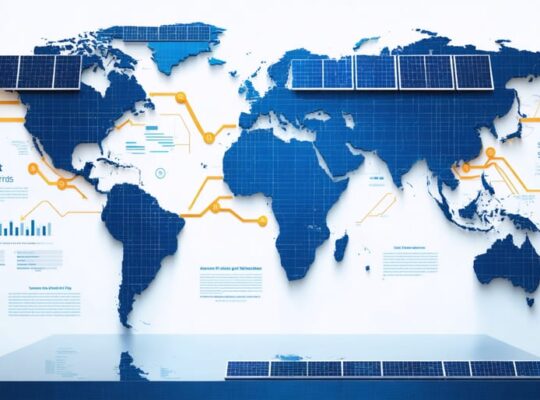
The global solar supply chain represents one of the most complex and rapidly evolving networks in the renewable energy sector, spanning raw material extraction across multiple continents to final installation at residential and commercial sites. As photovoltaic technology accelerates toward grid parity worldwide, understanding how polysilicon transforms into functioning solar arrays through intricate manufacturing, logistics, and distribution channels has become essential knowledge for industry professionals.
Today’s solar supply chain faces unprecedented challenges: geopolitical tensions affecting raw material access, shipping disruptions impacting delivery schedules, quality control concerns across international manufacturing facilities, and increasing pressure to reduce carbon footprints throughout production processes. These obstacles demand sophisticated optimization strategies that balance cost efficiency with sustainability requirements while maintaining supply reliability.
Modern supply chain optimization leverages advanced forecasting algorithms, strategic inventory positioning, supplier diversification programs, and real-time tracking systems to mitigate risks and enhance operational efficiency. Leading organizations now employ circular economy principles, implementing material recovery programs and designing products for extended lifecycles. Digital transformation through blockchain verification, artificial intelligence-driven demand planning, and Internet of Things sensor networks enables unprecedented visibility across the entire value chain.
For aspiring professionals entering this dynamic field, comprehending supply chain fundamentals provides competitive advantage in roles ranging from procurement specialists to sustainability analysts. This knowledge foundation supports informed decision-making whether evaluating supplier relationships, optimizing logistics networks, or developing resilience strategies against supply disruptions that increasingly define the photovoltaic industry landscape.
The Anatomy of International Solar Supply Chain Networks
Raw Material Sourcing and Processing
The solar supply chain begins with the extraction and refinement of critical raw materials, a process characterized by significant geographic concentration. Polysilicon production forms the foundation of photovoltaic manufacturing, requiring metallurgical-grade silicon derived from high-purity quartz. This energy-intensive process involves heating quartz with carbon at temperatures exceeding 2,000°C, followed by chemical purification to achieve solar-grade specifications of 99.9999% purity.
China currently dominates polysilicon production, accounting for approximately 80% of global capacity, with significant operations also located in Germany and the United States. The geographic concentration extends to other essential materials: silver for electrical contacts, aluminum for frames and electrical components, and copper for wiring. Australia and Norway lead in high-purity quartz mining, while Chile and Peru supply substantial portions of global copper reserves.
This material concentration creates strategic vulnerabilities, including supply bottlenecks, price volatility, and geopolitical dependencies. Environmental considerations also emerge during processing, particularly regarding water consumption in polysilicon refinement and carbon emissions from energy-intensive purification procedures. Understanding these upstream dynamics proves essential for professionals navigating supply chain optimization and sustainability initiatives within the photovoltaic sector.
Manufacturing and Component Production
The manufacturing segment of the solar supply chain encompasses three critical production stages, each concentrated in specific global regions with distinct competitive advantages. Wafer production, dominated by China with approximately 95% of global capacity, involves slicing polysilicon ingots into thin silicon wafers that serve as the foundation for solar cells. This concentration results from decades of infrastructure investment and integrated supply networks.
Cell manufacturing transforms these wafers into functional photovoltaic cells through processes including texturing, diffusion, and metallization. While China maintains approximately 80% of global cell production capacity, Southeast Asian countries like Vietnam, Thailand, and Malaysia have expanded their manufacturing footprint significantly, often serving as alternative production bases for companies navigating international trade policies.
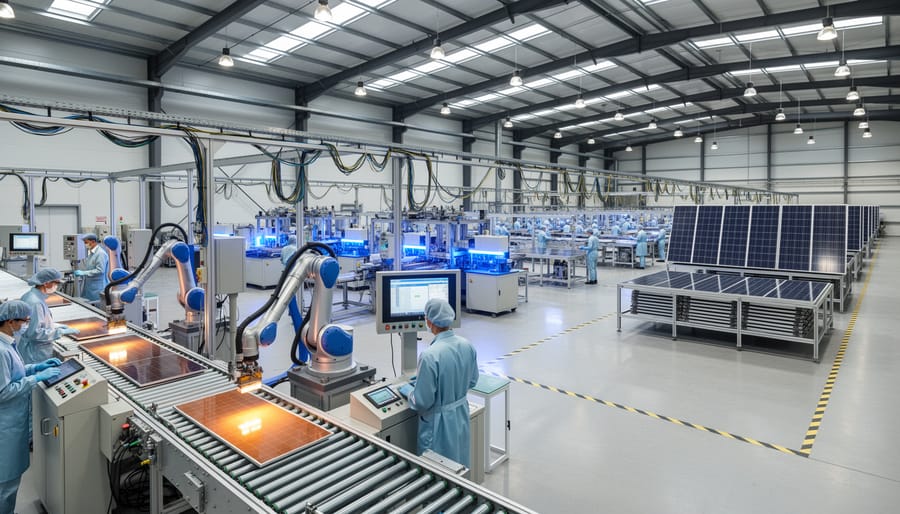
Module assembly, the final manufacturing stage, shows greater geographic distribution. This labor-intensive process involves interconnecting cells, encapsulation, and framing into finished panels. Regional assembly facilities increasingly serve local markets to minimize transportation costs and comply with domestic content requirements. Understanding these manufacturing dynamics proves essential for professionals entering the photovoltaic industry, as production location directly influences supply chain resilience, costs, and market accessibility in the evolving renewable energy landscape.
Distribution and Installation Networks
The effectiveness of solar photovoltaic systems depends significantly on sophisticated distribution and installation networks that bridge manufacturing facilities and end-user sites. Modern global supply chain networks require strategic warehousing facilities positioned near major markets to reduce delivery times and manage inventory efficiently. Regional distributors serve as critical intermediaries, maintaining relationships with installers, managing product portfolios, and providing technical support services.
The final mile presents unique logistical challenges, as solar panels and equipment require careful handling to prevent damage during transportation to installation sites. Specialized carriers equipped with appropriate loading systems and trained personnel ensure safe delivery of fragile photovoltaic modules. Distribution centers increasingly employ advanced inventory management systems that track products from arrival through dispatch, optimizing stock levels and minimizing carrying costs.
Successful installation networks depend on certified installers who maintain direct relationships with distributors and receive ongoing technical training. Educational partnerships between distributors and technical institutions help develop skilled workforces capable of handling evolving solar technologies, ensuring quality installations that maximize system performance and longevity.
Critical Bottlenecks in Today’s Solar Supply Chain
Geographic Concentration Risks
The solar supply chain faces significant geographic concentration risks, with China currently dominating approximately 80% of global polysilicon production and controlling over 95% of solar wafer manufacturing capacity. This concentration extends throughout the value chain, from raw materials to finished modules, creating vulnerabilities that affect the entire photovoltaic industry.
Southeast Asian nations, particularly Vietnam, Thailand, and Malaysia, have emerged as secondary manufacturing hubs, yet many facilities maintain financial and operational ties to Chinese parent companies. This interconnected network means that regional disruptions can cascade globally, affecting project timelines and costs worldwide.
The geographic imbalance carries substantial geopolitical implications. Trade tensions, tariff implementations, and supply chain security concerns have prompted governments in the United States, European Union, and India to invest in domestic manufacturing capabilities. However, replicating the scale and cost-efficiency of established Asian supply chains presents formidable challenges requiring substantial capital investment and technological expertise.
Material sourcing compounds these risks, as critical inputs like high-purity quartz and specialized chemicals originate from limited geographic sources. Environmental and labor practice scrutiny in certain regions has intensified, prompting industry stakeholders to prioritize supply chain transparency and diversification strategies. Educational institutions and industry organizations increasingly emphasize understanding these geopolitical dynamics as essential knowledge for professionals entering the renewable energy sector.
Transportation and Logistics Challenges
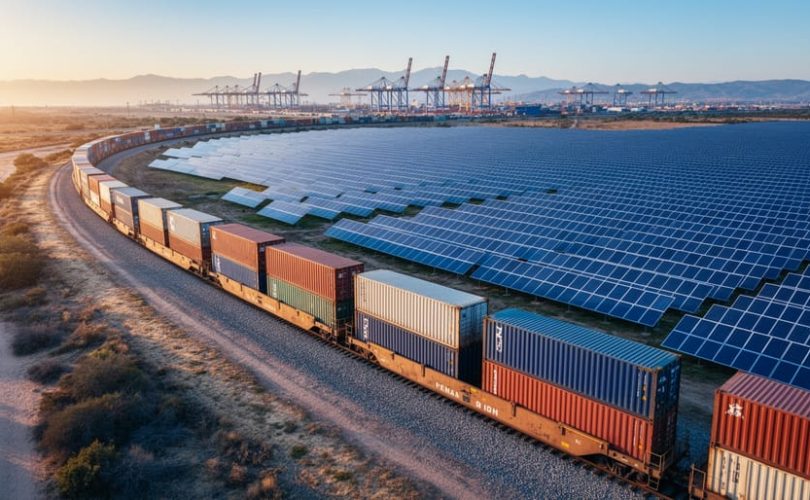
The global solar supply chain faces significant transportation and logistics challenges that directly impact project timelines and costs. Shipping delays have become increasingly common, with container shortages and route disruptions extending delivery times from weeks to months. Major ports worldwide experience persistent congestion, creating bottlenecks that cascade through the entire supply network and affect solar panel availability for installers and developers.
The carbon footprint of transporting solar components presents a notable paradox for the renewable energy sector. Shipping polysilicon, wafers, cells, and modules across continents generates substantial greenhouse gas emissions, particularly when components travel from Asia to Western markets. Industry estimates suggest transportation can account for 10-15% of a solar panel’s total lifecycle emissions, prompting companies to reevaluate logistics strategies and consider regional manufacturing alternatives.
Cost implications are equally significant. Freight rates have experienced unprecedented volatility, with container prices fluctuating dramatically based on global demand and fuel costs. These unpredictable expenses complicate project budgeting and can erode profit margins for solar installations. Insurance costs for high-value shipments, customs delays, and the need for specialized handling of fragile photovoltaic components further compound financial pressures, making supply chain optimization essential for maintaining competitive pricing in the expanding solar market.

Quality Control Across Borders
Maintaining consistent product standards across geographically dispersed manufacturing facilities represents a critical challenge in the global solar supply chain. International production networks must implement rigorous testing protocols and certification processes that align with standards such as IEC 61215 for module performance and IEC 61730 for safety requirements. Leading manufacturers deploy dedicated quality assurance teams who conduct regular audits at overseas facilities, utilizing standardized inspection checklists and automated testing equipment to verify cell efficiency, mechanical strength, and electrical performance. Digital quality management systems enable real-time data sharing between facilities, allowing immediate identification of defects or deviations from specifications. Third-party certification bodies play an essential role in validating compliance across borders, while blockchain-based traceability systems increasingly document quality checkpoints throughout the production process. Educational institutions partnering with industry leaders help train quality control professionals in international standards, ensuring a skilled workforce capable of upholding rigorous specifications regardless of production location.
Optimization Strategies Transforming Solar Supply Networks
Vertical Integration and Regional Manufacturing Hubs
The solar industry increasingly recognizes that vertical integration offers significant competitive advantages and supply chain resilience. Leading manufacturers are consolidating multiple production stages under single operational umbrellas, controlling processes from polysilicon refinement through module assembly. This approach reduces dependency on external suppliers, minimizes transportation costs, and enables tighter quality control throughout the manufacturing sequence.
Companies like Longi, JinkoSolar, and Trina Solar exemplify this trend, operating facilities that encompass ingot production, wafer slicing, cell fabrication, and final module assembly. This integration strategy allows rapid response to market demands while maintaining consistent product specifications and reducing production cycle times.
Simultaneously, regional manufacturing centers are emerging across strategic geographic locations. Southeast Asia has developed substantial manufacturing capabilities, with Vietnam, Thailand, and Malaysia attracting significant investment due to favorable trade policies and skilled workforces. India’s Production-Linked Incentive scheme aims to establish domestic manufacturing capacity exceeding 65 GW annually by 2026.
The United States and European Union are simultaneously investing in reshoring initiatives, establishing localized production hubs to reduce geopolitical dependencies. These developments signal a fundamental shift toward diversified, regionally balanced supply networks that enhance resilience while supporting local economic development and educational partnerships with technical institutions preparing the next generation of photovoltaic professionals.

Digital Supply Chain Management Systems
The solar industry is experiencing a technological revolution through advanced digital supply chain management systems that enhance transparency, efficiency, and reliability across global operations. These innovations address critical challenges in tracking photovoltaic components from raw material extraction through final installation.
Blockchain technology provides immutable, decentralized ledgers that verify product authenticity and trace materials throughout the supply chain. This technology proves particularly valuable for ensuring ethical sourcing of polysilicon and preventing counterfeit components from entering distribution networks. Each transaction creates a permanent record, enabling stakeholders to verify the origin and handling of solar panels and components with unprecedented accuracy.
Internet of Things sensors embedded in shipping containers and warehouses deliver real-time data on environmental conditions, location coordinates, and handling procedures. These digital tracking systems monitor temperature fluctuations, humidity levels, and shock impacts that could compromise panel integrity during transit. The continuous data stream allows logistics managers to intervene immediately when conditions deviate from optimal parameters.
Artificial intelligence algorithms analyze historical data, market trends, and external factors to generate accurate demand forecasts. These predictive models help manufacturers optimize production schedules, reduce excess inventory costs, and minimize stockouts. Machine learning systems continuously refine predictions by incorporating new variables such as policy changes, seasonal variations, and regional installation patterns.
Real-time inventory management platforms integrate data from multiple sources to provide comprehensive visibility across warehouses, manufacturing facilities, and distribution centers. This synchronization enables just-in-time delivery strategies that reduce storage costs while maintaining adequate supply levels to meet project deadlines.
Strategic Partnerships and Collaborative Networks
The solar supply chain’s continued evolution relies heavily on strategic partnerships that bridge industry sectors, academic institutions, and governmental bodies. These collaborative networks accelerate innovation by pooling resources, expertise, and research capabilities across organizational boundaries. International industry alliances facilitate technology transfer, standardization efforts, and best practice sharing among manufacturers, suppliers, and distributors operating across multiple continents.
University-industry collaborations serve as crucial incubators for supply chain innovation, with research institutions developing advanced materials, manufacturing processes, and logistics optimization models. These partnerships often result in workforce development programs that prepare students for careers in photovoltaic manufacturing and supply chain management, creating talent pipelines essential for industry growth.
Knowledge-sharing initiatives through industry consortiums and trade associations enable smaller players to access insights previously available only to large corporations. These platforms facilitate discussions on emerging challenges such as material shortages, trade policy changes, and sustainability metrics. Regional clusters and innovation hubs further strengthen collaborative networks by creating geographic concentrations of solar expertise, fostering spontaneous knowledge exchange and rapid problem-solving capabilities that enhance overall supply chain resilience and efficiency.
Environmental and Economic Impact of Supply Chain Optimization
Carbon Footprint Reduction
Optimizing solar supply chains delivers measurable environmental benefits beyond the clean energy produced by photovoltaic systems themselves. Strategic logistics planning reduces transportation emissions by consolidating shipments and utilizing efficient routing algorithms, potentially cutting carbon outputs by 15-30% compared to conventional freight methods. Establishing regional manufacturing hubs near key markets further minimizes transportation distances while supporting local economies.
Material sourcing decisions significantly impact overall carbon footprints. Selecting suppliers committed to renewable energy in their production facilities and those utilizing recycled materials substantially reduces embodied carbon in solar components. For instance, manufacturing silicon wafers using hydroelectric power rather than coal-based electricity can decrease emissions by up to 50%. Transparent supply chain tracking enables verification of sustainability claims and helps identify improvement opportunities.
Educational initiatives play a crucial role in propagating these practices throughout the industry. Universities partnering with solar manufacturers integrate carbon accounting methodologies into curriculum, preparing the next generation of professionals to prioritize environmental metrics alongside economic considerations. This knowledge transfer ensures continuous improvement in supply chain sustainability as emerging professionals bring evidence-based optimization strategies into their careers, creating lasting positive environmental impact across the photovoltaic sector.
Cost Implications for End Users
Supply chain efficiency directly influences the final price consumers pay for solar installations, creating a cascading effect that determines market accessibility. When manufacturers optimize procurement processes and logistics networks, they reduce production costs by minimizing waste, transportation expenses, and inventory carrying costs. These savings typically translate to lower module prices, which represent approximately 30-40% of total installation costs for residential systems.
Streamlined supply chains also reduce project delays and associated labor costs. When components arrive on schedule without quality issues, installers complete projects faster, reducing overhead expenses that would otherwise be passed to customers. Additionally, efficient supply chains enable economies of scale, allowing manufacturers to produce larger quantities at reduced per-unit costs, particularly benefiting from bulk material purchases and optimized production runs.
The geographic optimization of supply networks further impacts pricing. Regional manufacturing facilities and distribution centers reduce shipping distances and associated costs, while also minimizing carbon footprints. Vertical integration strategies, where companies control multiple supply chain stages, eliminate intermediary markups and improve cost predictability.
For end users, these efficiencies can mean the difference between affordable adoption and prohibitive pricing. Industry data suggests that supply chain optimization has contributed to solar module price reductions exceeding 90% over the past decade, making solar energy increasingly competitive with traditional power sources. As supply chains continue evolving through digital integration and strategic partnerships, consumers benefit from enhanced affordability, accelerating the global transition toward renewable energy solutions.
Emerging Technologies Reshaping Solar Supply Chains
Advanced Materials and Manufacturing Techniques
Emerging materials are revolutionizing solar manufacturing while simultaneously streamlining supply chain complexities. Perovskite solar cells represent a significant advancement, offering comparable efficiency to traditional silicon cells with dramatically simplified production processes. These materials can be manufactured at lower temperatures using solution-based techniques, reducing energy consumption and equipment costs. This accessibility enables more distributed manufacturing facilities closer to end markets, potentially shortening supply chains.
Tandem solar technologies, which layer perovskite materials atop conventional silicon cells, are achieving record-breaking efficiencies exceeding 30 percent. This dual-layer approach maximizes energy capture across different light wavelengths, requiring less physical material per watt of power generation. The enhanced efficiency directly translates to reduced material sourcing demands and transportation requirements throughout the supply chain.
Automated manufacturing systems are further transforming production dynamics. Robotic assembly lines and AI-driven quality control reduce human labor dependencies while increasing precision and output consistency. These innovations minimize supply chain vulnerabilities associated with workforce fluctuations and enable rapid production scaling. Universities collaborating with industry leaders are developing training programs to prepare professionals for these advanced manufacturing environments, ensuring the workforce evolves alongside technological progress in photovoltaic production methodologies.
Circular Economy and Recycling Networks
As solar installations approach their 25-30 year operational lifespan, the photovoltaic industry faces a critical challenge: managing approximately 78 million metric tons of panel waste projected by 2050. Circular economy principles are transforming this challenge into opportunity through sophisticated end-of-life management systems.
Modern recycling networks employ thermal and chemical processes to recover up to 95% of materials from decommissioned modules, including high-purity silicon, silver, copper, and aluminum. Leading facilities utilize automated disassembly systems that separate glass, encapsulants, and semiconductor materials, achieving material recovery rates that significantly reduce primary resource extraction. These recovered materials re-enter manufacturing supply chains, creating closed-loop systems that minimize environmental impact while reducing production costs.
Progressive manufacturers now design panels with recyclability as a core consideration, implementing standardized frame systems and eliminating hazardous adhesives. Several European and Asian facilities have established take-back programs collaborating with universities to advance separation technologies and develop more efficient recovery methods. These educational partnerships accelerate innovation in mechanical separation, chemical purification, and material reintegration processes. Extended Producer Responsibility regulations in multiple jurisdictions mandate manufacturer-funded collection and recycling infrastructure, ensuring systematic material reclamation. This circular approach transforms solar supply chains from linear extraction models into sustainable, regenerative systems that support long-term industry growth while addressing environmental stewardship requirements.
Building Workforce Capacity for Supply Chain Excellence
The solar industry’s rapid expansion has created unprecedented demand for professionals equipped with supply chain expertise specific to photovoltaic manufacturing and distribution. Educational institutions worldwide are responding by developing comprehensive curricula that bridge renewable energy technology with logistics, procurement, and operations management principles.
Leading universities have established partnerships with solar manufacturers and industry organizations to create degree programs and certificate courses focused on renewable energy supply chain management. These programs integrate coursework in materials science, international trade regulations, sustainable logistics, and risk management. Students gain practical exposure to real-world challenges including component traceability, quality assurance protocols, and inventory optimization strategies unique to solar module production and distribution networks.
specialized training programs have emerged to address immediate workforce needs, offering intensive workshops and professional certifications in areas such as photovoltaic procurement, supply chain sustainability assessment, and vendor management. These initiatives often incorporate hands-on learning experiences through facility tours, case study analyses, and simulation exercises that replicate supply chain decision-making scenarios.
Industry associations have developed competency frameworks identifying essential skills for solar supply chain professionals, including knowledge of trade compliance, environmental regulations, and emerging technologies like blockchain for supply chain transparency. Many programs now emphasize cross-functional collaboration skills, recognizing that effective supply chain management requires coordination between engineering, finance, operations, and sustainability teams.
Corporate-sponsored apprenticeships and mentorship programs complement formal education, providing aspiring professionals with direct access to industry expertise while allowing companies to cultivate talent pipelines aligned with their specific operational requirements and technological platforms.

The optimization of international solar supply chains represents a complex but essential undertaking for accelerating global renewable energy adoption. As this analysis demonstrates, success requires synchronized advancement across multiple dimensions: streamlined manufacturing processes that balance efficiency with quality, sophisticated logistics networks capable of responding to dynamic market demands, comprehensive educational programs that develop skilled professionals, and innovative technologies that enhance transparency and resilience.
The interconnected nature of these elements cannot be overstated. Manufacturing innovations prove ineffective without robust logistics infrastructure to deliver components globally. Advanced technologies yield limited impact unless industry professionals possess the expertise to implement them effectively. Educational initiatives bridge this gap, ensuring that emerging photovoltaic professionals understand not merely isolated technical concepts but the holistic ecosystem enabling solar deployment worldwide.
Moving forward, stakeholders must recognize that supply chain optimization extends beyond cost reduction or efficiency gains. It fundamentally shapes the pace at which societies can transition to sustainable energy systems. By fostering collaboration among manufacturers, logistics providers, technology developers, and educational institutions, the solar industry can build supply chains that are not only economically viable but also environmentally responsible and socially equitable, ultimately creating a foundation for lasting global energy transformation.