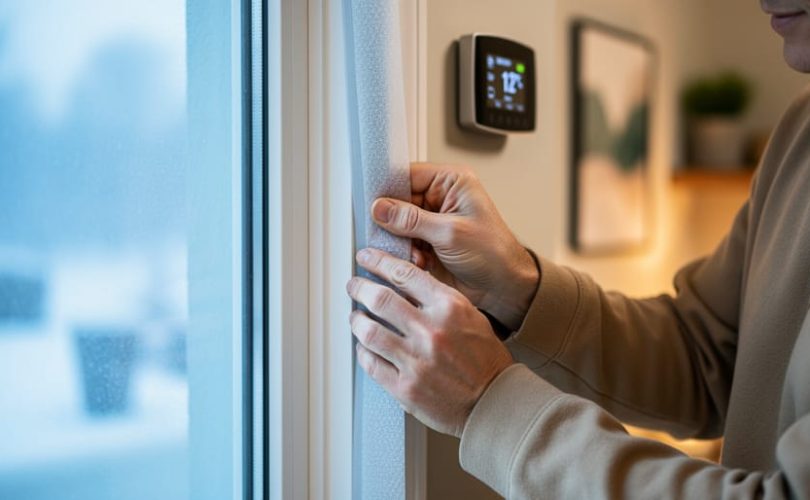
Reduce your heating bills by up to 30% through systematic improvements to your home’s thermal performance. Seal air leaks around windows, doors, and electrical outlets using weatherstripping and caulk—these gaps account for 25-40% of residential heat loss. Install a programmable thermostat to automatically lower temperatures during sleeping hours and when the home is unoccupied, saving 10-15% on heating costs without sacrificing comfort. Upgrade to high-efficiency insulation in attics and walls, targeting an R-value of R-38 for attics and R-13 to R-21 for walls in most climates.
Service your heating system annually to maintain peak efficiency—dirty filters and poorly maintained equipment can increase energy consumption by 20-30%. Reverse ceiling fans to clockwise rotation during winter months, pushing warm air downward from ceiling spaces. Consider integrating renewable energy solutions like solar panels to offset heating costs while reducing carbon emissions. Modern heat pumps achieve efficiency ratings of 300-400%, extracting ambient heat rather than generating it through combustion.
Strategic window treatments provide measurable benefits: thermal curtains reduce heat loss by 10-25%, while south-facing windows should remain uncovered during daylight hours to capture passive solar gain. Implement zone heating by closing vents and doors in unused rooms, directing warmth only where needed. These evidence-based interventions deliver immediate cost reductions while positioning your home for long-term energy independence and environmental stewardship.
Understanding Your Home’s Heat Loss
Where Your Heat Actually Goes
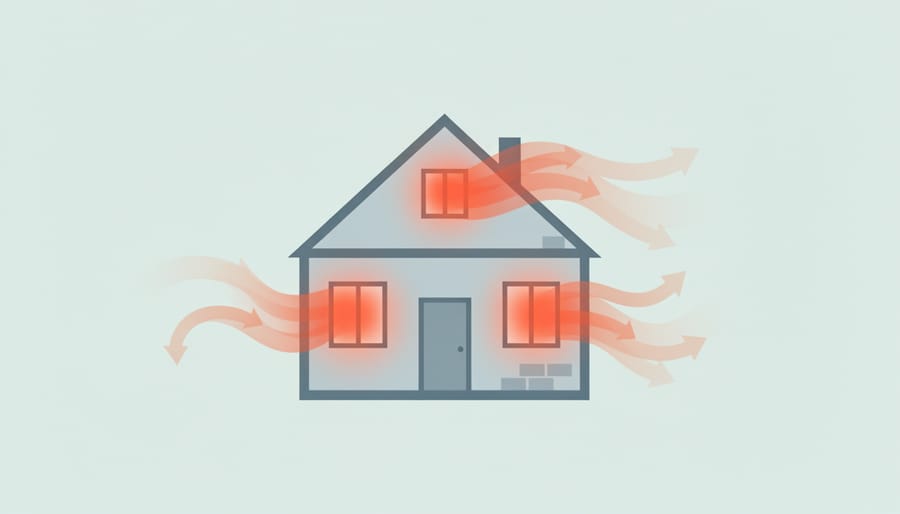
Understanding where heat escapes from your home is fundamental to improving efficiency and reducing energy costs. Research from building science professionals indicates that heat loss follows predictable patterns, with specific areas accounting for the majority of thermal inefficiency.
The attic represents the single largest source of heat loss in most homes, accounting for approximately 25-35% of total heat escape. Since warm air naturally rises, inadequate attic insulation allows heated air to pass directly through the roof structure. Walls contribute another 20-25% of heat loss, particularly in older construction lacking modern insulation standards. Windows and doors, despite their smaller surface area, are responsible for 15-25% of heat loss due to poor sealing and single-pane glass construction.
Basement and foundation areas account for 15-20% of heat loss, often overlooked because these spaces feel naturally cool. Air infiltration through various gaps and cracks throughout the home’s envelope contributes an additional 10-15% of heat loss, making proper sealing essential.
Thermal imaging technology has revolutionized how professionals identify these heat loss points. Infrared cameras reveal temperature differentials invisible to the naked eye, showing exactly where heated air escapes and cold air infiltrates. Professional home energy efficiency testing utilizing thermal imaging provides detailed diagnostics that guide targeted improvements.
These percentages vary based on home age, construction methods, and climate zone, but the pattern remains consistent: addressing attic insulation, wall improvements, and air sealing delivers the most significant efficiency gains. Understanding your specific heat loss profile enables strategic investment in improvements that maximize energy savings and reduce environmental impact.
The Energy-Temperature Relationship
Understanding the relationship between thermostat settings and energy consumption is fundamental to optimizing home heating efficiency. Research from the U.S. Department of Energy demonstrates that for every degree Fahrenheit you lower your thermostat during an eight-hour period, you can reduce heating costs by approximately 1%. This translates to potential savings of 10% annually by adjusting your thermostat 7-10 degrees from its normal setting for eight hours daily.
The principle operates on heat transfer dynamics: the greater the temperature differential between your home’s interior and the outdoor environment, the faster heat escapes. Consequently, maintaining a lower indoor temperature during sleeping hours or when the home is unoccupied significantly reduces the energy required to compensate for heat loss through walls, windows, and other building envelope components.
For a typical household spending $1,200 annually on heating, implementing strategic temperature setbacks could yield savings of $120-$180 per year. These reductions become even more impactful when combined with renewable energy solutions, as decreased overall consumption allows solar photovoltaic systems to offset a greater percentage of total energy needs, maximizing return on investment in clean energy infrastructure.
Insulation and Air Sealing: Your First Line of Defense
Prioritizing Insulation Upgrades
Strategic insulation upgrades represent the most cost-effective investment for reducing heating energy consumption, often yielding 15-30% efficiency improvements in older homes. Understanding R-value requirements and prioritization helps homeowners and renewable energy professionals optimize thermal performance systematically.
Begin with attic insulation, which addresses the primary heat loss pathway in most residential structures. Heat naturally rises, making inadequate attic insulation particularly problematic. Target R-38 to R-60 for attic spaces in most climate zones, with colder regions requiring higher values. Blown-in cellulose or fiberglass batts provide accessible solutions, with payback periods typically ranging from 2-5 years through reduced heating costs.
Wall insulation follows as the second priority, though retrofit applications present greater complexity. Existing homes benefit from blown-in insulation techniques that fill wall cavities without extensive demolition. Aim for R-13 to R-21 in wall assemblies, recognizing that actual performance depends on proper installation and moisture management. Thermal imaging assessments can identify specific problem areas requiring attention.
Basement and foundation insulation completes the thermal envelope. Uninsulated basements contribute 10-15% of total heat loss in typical homes. Install rigid foam insulation on foundation walls targeting R-10 minimum, extending coverage to sill plates and rim joists where significant air infiltration occurs.
Professional energy audits provide quantified baseline measurements and prioritized recommendations based on your specific building characteristics. These assessments integrate seamlessly with broader renewable energy planning, ensuring insulation investments complement future solar installations and whole-home efficiency strategies. University research collaborations continue advancing insulation materials and installation methodologies, improving both performance metrics and environmental sustainability.
Identifying and Sealing Air Leaks
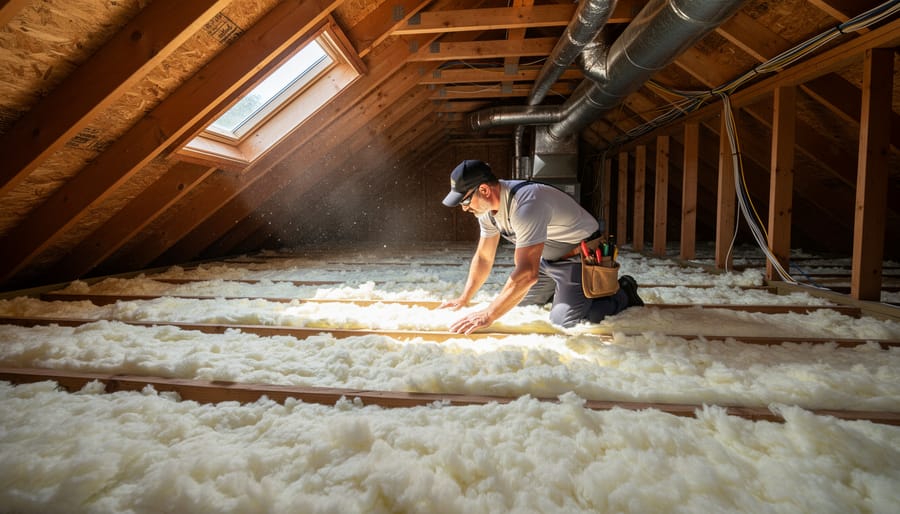
Air infiltration accounts for 25-40% of heating energy loss in residential buildings, making draft detection and sealing a cost-effective efficiency measure. Begin your assessment on a windy day using the hand test: move your hand slowly around window frames, door edges, electrical outlets, and baseboards to detect air movement. For enhanced precision, conduct a visual smoke test using an incense stick near potential leak points, observing smoke movement patterns.
Common problem areas include window and door perimeters, attic hatches, recessed lighting fixtures, plumbing penetrations, and electrical service entries. Essential sealing materials include weatherstripping tape for movable components, expanding foam for gaps exceeding one-quarter inch, and caulk for stationary cracks. Apply weatherstripping to door bottoms and window sashes, ensuring compression when closed. Use low-expansion foam around pipe penetrations and wire entries, avoiding high-expansion products that may cause structural damage.
For optimal results, prioritize attic air sealing before adding insulation, as heated air naturally rises and escapes through ceiling penetrations. Install foam gaskets behind outlet and switch plates on exterior walls. This systematic approach typically reduces heating loads by 15-30%, directly decreasing fossil fuel dependency while complementing renewable energy systems. Professional energy audits using blower door testing can identify hidden leakage pathways in complex building assemblies.
Windows and Doors: The Efficiency Weak Points
Windows and doors represent significant thermal weak points in residential structures, accounting for 25-30% of heating energy loss. Implementing cost-effective solutions begins with weatherstripping applications around movable components, which typically costs under $50 per window and reduces air infiltration by up to 15%. Cellular shades or thermal curtains provide additional insulation value of R-2 to R-5 when closed, offering immediate returns without major capital investment.
For homes with single-pane windows, applying low-emissivity film creates a temporary efficiency improvement at approximately $5-10 per square foot. However, replacement with double or triple-pane, low-E glazed units becomes financially justifiable when annual heating costs exceed $1,500 or when existing frames show structural deterioration. Modern ENERGY STAR certified windows deliver U-factors as low as 0.20, compared to 0.90 for standard single-pane units. The payback period typically ranges from 8-15 years, depending on climate zone and energy prices. For environmentally conscious consumers planning comprehensive energy upgrades, addressing window efficiency before implementing renewable energy systems ensures optimal sizing and performance of future photovoltaic installations.
Smart Heating Technology Integration
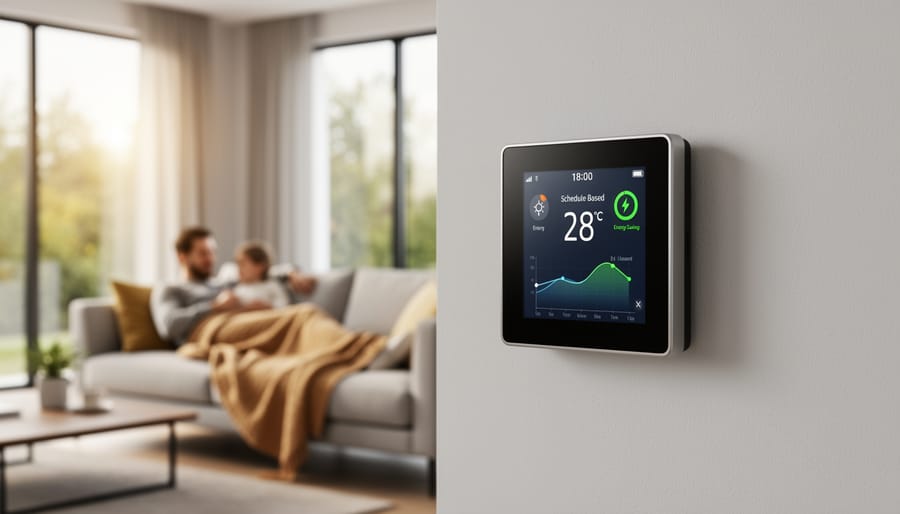
Programmable and Smart Thermostats
Programmable and smart thermostats represent a fundamental upgrade for optimizing home heating efficiency through precision temperature control and automated scheduling. Modern programmable thermostats allow homeowners to establish customized heating schedules aligned with occupancy patterns, automatically reducing temperatures during sleep hours or when buildings are unoccupied. According to Department of Energy research, proper thermostat management can reduce heating costs by 10-12% annually through strategic temperature setbacks of 7-10 degrees Fahrenheit for eight-hour periods.
Smart thermostats advance this functionality with adaptive learning capabilities that analyze household patterns and adjust heating schedules autonomously. These devices utilize occupancy sensors, geofencing technology, and machine learning algorithms to optimize comfort while minimizing energy consumption. Remote control features enable real-time adjustments via smartphone applications, providing unprecedented flexibility for managing heating systems from any location.
The integration potential between smart thermostats and renewable energy systems creates particularly valuable opportunities for energy-conscious homeowners. When paired with solar photovoltaic installations, these devices can prioritize heating during peak solar production hours, maximizing self-consumption of generated electricity. The smart thermostat benefits extend beyond immediate cost savings to include comprehensive energy usage analytics, maintenance alerts, and seamless integration with broader home automation ecosystems. For aspiring photovoltaic professionals, understanding thermostat technology proves essential when designing holistic energy-efficient residential systems that balance heating demands with renewable generation capacity.
Zoned Heating Systems
Zoned heating systems divide your home into independent temperature-controlled areas, allowing you to heat only occupied spaces rather than maintaining uniform temperatures throughout. This targeted approach can reduce heating costs by 20-30% in homes with distinct usage patterns. The technology operates through programmable thermostats connected to motorized dampers in ductwork or individual room controls for radiant systems.
Zone control proves particularly beneficial in multi-story homes where heat naturally rises, residences with finished basements or attics used intermittently, and properties where family members maintain different schedule patterns. Implementation for existing homes varies by heating system type. Forced-air systems require damper installation within existing ductwork plus zone-specific thermostats, representing moderate investment with professional installation. Ductless mini-split systems offer inherent zoning capability as retrofit solutions, while hydronic heating systems can incorporate zone valves relatively seamlessly.
For homeowners integrating renewable energy systems, zoned heating complements solar photovoltaic installations by reducing overall electrical demand during peak heating periods, maximizing the proportion of heating energy derived from on-site generation. Smart zone controllers with occupancy sensors and learning algorithms further optimize performance by automatically adjusting temperature setpoints based on actual usage patterns.
Home Automation and Energy Monitoring
Modern smart home energy monitoring systems provide unprecedented visibility into heating consumption patterns, enabling data-driven optimization strategies. Integrated thermostats with learning algorithms automatically adjust temperature schedules based on occupancy patterns and weather forecasts, reducing energy waste without compromising comfort. Real-time energy dashboards display heating system performance metrics, allowing homeowners to identify inefficiencies such as equipment malfunctions or thermal losses before they escalate into costly problems. Advanced systems can integrate with renewable energy installations, automatically prioritizing solar-generated electricity for heat pump operation during peak production hours. Universities collaborating with smart home technology providers have documented 15-25% heating cost reductions through automated zone control and predictive heating algorithms. These platforms also facilitate remote diagnostics, enabling professional technicians to troubleshoot system issues efficiently and recommend targeted upgrades based on comprehensive usage data analysis.
Heating System Optimization and Maintenance
Regular Maintenance Essentials
Systematic maintenance forms the foundation of optimal heating system performance, directly impacting energy consumption and operational costs. Professional technicians recommend replacing or cleaning filters monthly during peak heating seasons, as clogged filters reduce airflow efficiency by up to 15% and force systems to consume additional electricity.
Annual professional tune-ups remain essential for all heating systems, including furnaces, heat pumps, and boilers. These inspections verify proper combustion ratios, calibrate thermostats, test safety controls, and identify wear before component failures occur. Research indicates professionally maintained systems operate 20-25% more efficiently than neglected equipment.
Duct cleaning deserves attention every three to five years, particularly in homes with forced-air systems. Accumulated debris restricts airflow and degrades indoor air quality, while unsealed duct joints can lose 20-30% of heated air before reaching living spaces. Professional duct sealing and insulation significantly improves energy retention.
Different heating technologies require tailored maintenance schedules. Heat pumps benefit from biannual servicing due to year-round operation, while traditional furnaces typically require annual attention. Radiant systems need periodic pressure testing and water quality checks. Integrating heating efficiency with renewable energy systems creates comprehensive home energy solutions, reducing dependence on grid electricity while optimizing thermal comfort. Documentation of maintenance activities supports warranty compliance and provides valuable performance data for system optimization decisions.
When to Upgrade Your Heating System
Recognizing when your heating system requires replacement rather than repair represents a critical decision for optimizing home energy performance. Several key indicators suggest your system has reached the end of its efficient operational life: age exceeding 15-20 years, increasing utility bills despite consistent usage patterns, frequent repairs, uneven heating distribution, and excessive noise during operation. These symptoms typically indicate declining efficiency that escalates operating costs while compromising comfort.
Modern high-efficiency heating technologies offer substantial improvements over legacy systems. Air-source and ground-source heat pumps achieve efficiency ratings of 300-400%, transferring rather than generating heat. These systems particularly benefit homeowners integrating renewable energy, as they operate on electricity rather than fossil fuels. Condensing furnaces represent another advancement, capturing heat from exhaust gases to achieve Annual Fuel Utilization Efficiency ratings exceeding 95%, compared to 60-80% for conventional models.
Return on investment calculations should consider multiple factors beyond simple payback periods. Energy savings typically range from 20-50% annually, depending on existing system efficiency and local climate conditions. Federal tax credits, state incentives, and utility rebates can offset 25-30% of installation costs. Additionally, modern systems increase property values and reduce carbon footprints significantly.
For homeowners pursuing comprehensive energy independence, coordinating heating system upgrades with solar photovoltaic installations maximizes efficiency gains. Heat pumps powered by solar-generated electricity create synergistic benefits, substantially reducing or eliminating heating-related energy costs. Professional energy audits provide detailed analyses to determine optimal upgrade timing and technology selection based on your specific circumstances and long-term sustainability goals.
Renewable Energy Integration for Heating
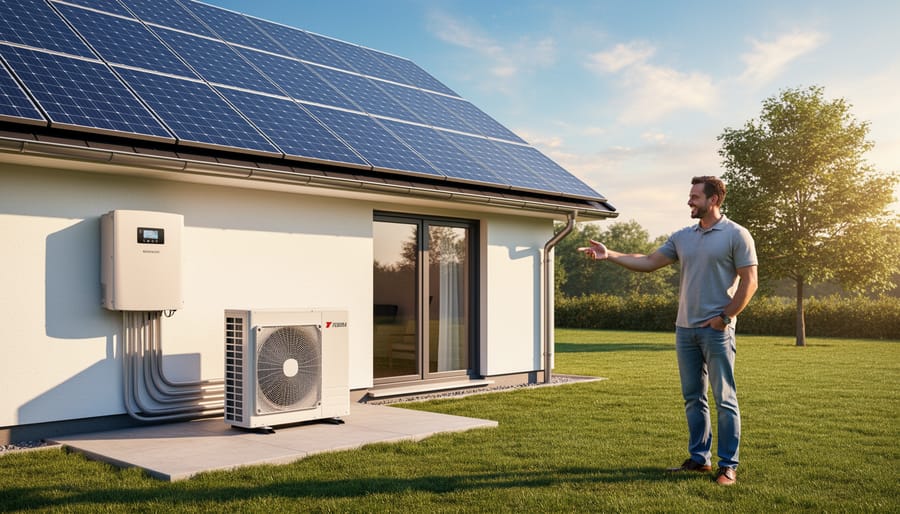
Solar PV and Electric Heating Synergy
Integrating solar photovoltaic systems with electric heating technologies creates a powerful synergy that dramatically enhances home heating efficiency while reducing carbon footprints. This combination proves particularly effective when pairing rooftop solar arrays with heat pump systems, which can achieve coefficients of performance exceeding 3.0, meaning every kilowatt-hour of solar electricity generates three or more kilowatt-hours of heating output.
Net metering programs play a crucial role in this integration, allowing homeowners to bank excess solar generation during peak production hours for use during high-demand heating periods. When properly configured, a residential solar installation can offset 60-90% of annual electric heating costs, depending on climate zone and system sizing. The key lies in accurate load calculation that accounts for both baseline electrical consumption and heating demands throughout the year.
System sizing considerations require careful analysis of heating degree days, building thermal envelope characteristics, and seasonal solar irradiance patterns. A qualified photovoltaic designer should evaluate your winter heating loads against anticipated solar production, typically recommending oversized arrays in heating-dominant climates to compensate for reduced winter sun angles. Battery storage systems further optimize this synergy by storing midday solar generation for evening heating needs when grid electricity rates peak.
When planning such integrated systems, maximizing solar panel efficiency through proper orientation, tilt angles, and regular maintenance becomes essential. Professional assessment ensures your solar capacity aligns with electric heating requirements, creating a self-sufficient, cost-effective heating solution that reduces reliance on fossil fuels while capitalizing on renewable energy incentives and favorable utility interconnection agreements.
Hybrid Heating Approaches
Hybrid heating systems represent an advanced strategy for maximizing home heating efficiency while reducing dependence on conventional fossil fuel sources. By strategically combining traditional heating methods with renewable technologies, homeowners can achieve significant cost savings and environmental benefits.
Solar thermal systems provide an excellent complement to existing heating infrastructure. These collectors capture solar radiation to heat water or air, which can then supplement conventional boilers or furnace systems. During peak sunlight hours, solar thermal panels can meet substantial portions of heating demands, particularly for radiant floor systems and domestic hot water preparation. When properly integrated, these systems reduce conventional fuel consumption by 30-50% during heating seasons.
Photovoltaic-powered heat pumps represent another promising hybrid approach. Modern heat pumps deliver exceptional efficiency ratings, with coefficient of performance values exceeding 3.0, meaning they produce three units of heat for every unit of electricity consumed. When coupled with rooftop solar PV arrays, these systems can operate with minimal grid dependence, especially in regions with favorable solar conditions. The synergy between solar generation peaks and daytime heating needs makes this combination particularly effective for occupied residential properties.
Optimizing renewable energy integration requires careful system sizing and smart controls. Battery storage systems enable captured solar energy to power heat pumps during evening hours when heating demands typically increase. Advanced energy management systems can prioritize renewable sources while maintaining backup conventional heating for extreme weather conditions, ensuring reliability without sacrificing sustainability goals. This multi-source approach provides both immediate efficiency improvements and long-term resilience against energy price volatility.
Behavioral and Low-Cost Efficiency Strategies
Temperature Management Techniques
Implementing zone-based temperature management represents one of the most cost-effective efficiency strategies available. Research demonstrates that reducing thermostat settings by just one degree Celsius can decrease heating costs by approximately 3-5%. During active hours, maintain living spaces at 20-21°C, while lowering bedroom temperatures to 16-18°C for optimal sleep quality. Program thermostats to reduce temperatures by 7-10°C during extended absences or overnight periods when blankets provide sufficient warmth.
Strategic space heater deployment offers targeted heating for frequently occupied rooms, allowing reduced central heating operation. Modern electric space heaters with automatic shutoff features and thermostatic controls provide safe, efficient supplementary heating. However, verify that your electrical system capacity supports additional loads, particularly when considering integration with solar photovoltaic systems that may also draw from the same circuits.
Personal thermal management through layering reduces heating demand substantially. Indoor clothing strategies including thermal base layers, insulating mid-layers, and appropriate footwear can maintain comfort at lower ambient temperatures, directly translating to measurable energy savings while supporting broader sustainability objectives.
Passive Solar Heating Optimization
Passive solar heating represents a scientifically proven, zero-cost operational method to reduce heating demands while maintaining thermal comfort. Optimizing southern-facing windows maximizes solar heat gain during winter months when the sun’s angle is lower. Research demonstrates that unobstructed south-facing glazing can contribute 15-30% of a home’s heating requirements in properly designed spaces.
Strategic window treatment management is essential for balancing heat gain and loss. Open curtains and blinds during daylight hours on south, east, and west exposures to capture solar radiation. Close insulated window coverings at dusk to minimize nighttime heat loss through glass surfaces, which can account for 25-30% of total heating energy waste.
Thermal mass utilization enhances passive solar effectiveness by storing absorbed heat and releasing it gradually. Materials like concrete floors, brick walls, or tile surfaces positioned in direct sunlight paths act as thermal batteries, moderating temperature fluctuations. This principle is particularly relevant for homeowners considering integrated renewable energy systems, where reduced heating loads directly improve overall energy independence and system performance efficiency.
Improving home heating efficiency requires a comprehensive, multi-layered strategy that addresses thermal envelope integrity, system optimization, and behavioral adjustments. As demonstrated throughout this guide, efficiency measures range from immediate, low-cost interventions like weatherstripping and programmable thermostat installation to longer-term investments in insulation upgrades and high-efficiency heating systems. Each component contributes to a synergistic reduction in energy consumption that delivers measurable environmental and financial benefits.
The environmental advantages extend beyond reduced carbon emissions. By decreasing heating demand, homeowners directly minimize fossil fuel combustion and grid electricity consumption, contributing to broader climate mitigation efforts. Financially, the average household can achieve 15-30% reductions in heating costs through strategic efficiency improvements, with payback periods ranging from immediate to five years depending on implementation scope.
Critically, heating efficiency serves as the essential foundation for renewable energy integration. Before investing in solar photovoltaic systems or other renewable technologies, optimizing energy consumption ensures that renewable installations can be appropriately sized and economically viable. A well-insulated, efficiently heated home requires less supplementary energy, making renewable energy systems more cost-effective and accelerating return on investment.
At Mose Solar, we recognize that advancing renewable energy adoption begins with energy literacy and system-level thinking. Through our educational programs and university collaborations, we emphasize that efficiency and renewable generation form complementary strategies within comprehensive energy transitions. By implementing these heating efficiency measures today, you establish the groundwork for a resilient, sustainable energy future powered by clean, renewable resources.