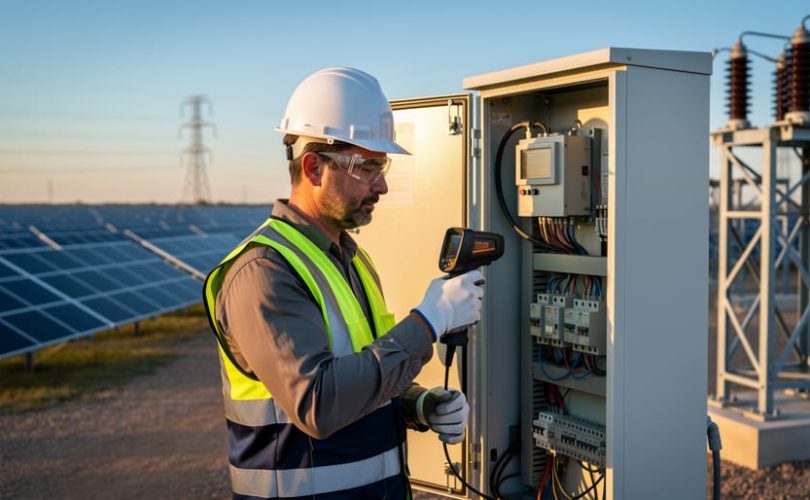
Solar energy’s explosive growth has created unprecedented demand for qualified utility-scale photovoltaic operations and maintenance professionals, yet a significant skills gap threatens industry expansion. Utility operator certification programs bridge this divide by establishing standardized competency benchmarks that validate technical expertise in managing large-scale solar installations, ensuring grid reliability, and maximizing asset performance.
These comprehensive certification pathways equip professionals with critical skills spanning electrical safety protocols, inverter troubleshooting, performance monitoring systems, and predictive maintenance strategies specific to megawatt-scale arrays. Unlike general electrical certifications, specialized PV operator credentials demonstrate proficiency in unique solar operational challenges including panel degradation analysis, string-level diagnostics, and compliance with interconnection requirements that distinguish utility projects from residential installations.
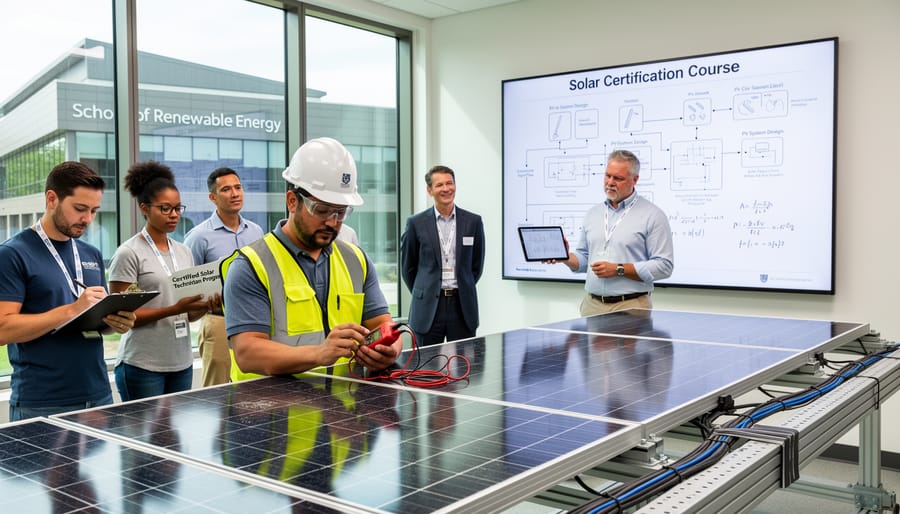
The certification landscape has evolved significantly through strategic partnerships between industry leaders and academic institutions, creating rigorous programs that combine theoretical knowledge with hands-on training. Universities now collaborate with solar operators to develop curricula addressing real-world operational scenarios, from thermal imaging inspections to SCADA system optimization. This academic-industry integration ensures certification standards remain current with rapidly advancing photovoltaic technologies and emerging best practices.
For aspiring professionals, certification represents more than credential acquisition—it signals career investment and operational readiness to employers managing billion-dollar solar portfolios. Certified operators command higher salaries, access advanced career trajectories, and contribute measurably to plant uptime metrics that directly impact renewable energy deployment targets. As utilities and independent power producers increasingly require certified staff for O&M contracts, obtaining recognized credentials has transitioned from optional enhancement to essential career requirement in utility-scale solar operations.
What Is a Utility Operator Certification Program?
Core Components of PV Utility Operator Training
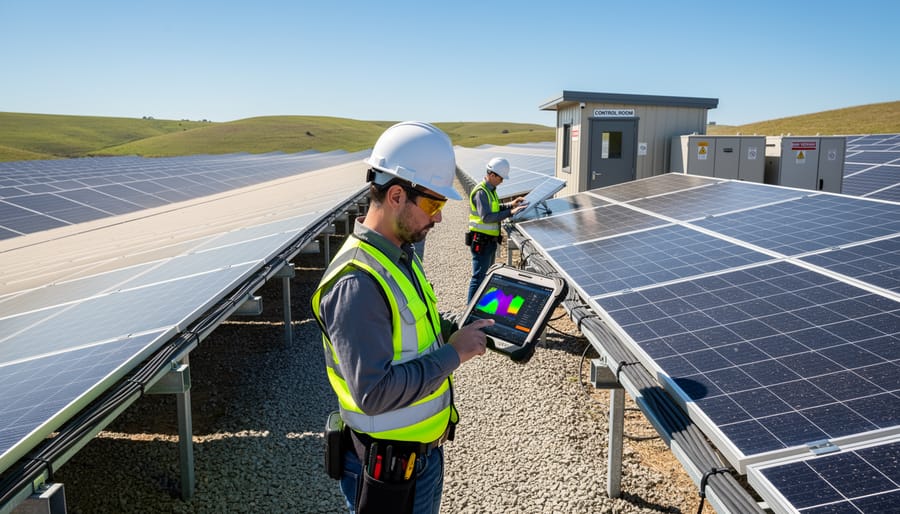
A comprehensive PV utility operator certification program encompasses several critical competency areas designed to prepare professionals for the unique demands of utility-scale solar facilities. The curriculum begins with advanced system monitoring techniques, teaching operators to navigate supervisory control and data acquisition (SCADA) systems that manage thousands of solar panels across expansive installations. Trainees learn to interpret real-time data streams, identify performance anomalies, and respond appropriately to system alerts.
Performance analysis forms another essential component, equipping operators with skills to evaluate energy production metrics, calculate capacity factors, and diagnose efficiency losses. This includes understanding weather impacts, soiling effects, and inverter performance patterns that influence overall plant output.
Safety protocols receive paramount attention, covering electrical hazards specific to high-voltage DC systems, arc flash protection, lockout-tagout procedures, and emergency response protocols. Operators must demonstrate proficiency in personal protective equipment usage and confined space entry requirements common at solar facilities.
Equipment operation training addresses the mechanical and electrical components unique to utility-scale installations, including inverter systems, transformers, tracking mechanisms, and power conversion equipment. Participants gain hands-on experience with manufacturer-specific technologies and troubleshooting procedures.
Maintenance procedures round out the curriculum, teaching preventive and corrective maintenance schedules, module cleaning techniques, vegetation management, and component replacement protocols. Many programs collaborate with universities to ensure curriculum rigor and incorporate the latest industry research, providing students with both theoretical knowledge and practical application skills necessary for professional certification.
Certification Bodies and Standards
Utility operator certification programs align with standards established by nationally recognized organizations that ensure professionals meet rigorous competency requirements. The North American Board of Certified Energy Practitioners (NABCEP) stands as the gold standard, offering the PV System Inspector certification and other credentials that validate expertise in photovoltaic system operations. These solar certification programs follow protocols consistent with IEEE standards for electrical safety and system performance, particularly IEEE 1547 for grid interconnection.
Additional certifications from organizations like the Interstate Renewable Energy Council (IREC) and the Electronics Technicians Association International provide complementary credentials that address specific aspects of utility-scale operations. These certifications typically require candidates to demonstrate knowledge of National Electrical Code requirements, OSHA safety regulations, and manufacturer-specific equipment protocols.
University-affiliated programs increasingly incorporate these industry standards into their curriculum, offering pathways that prepare students for recognized certification exams. By aligning educational content with NABCEP task analyses and IEEE technical standards, these programs ensure graduates possess the practical competencies demanded by utility-scale solar facilities, including system monitoring, preventive maintenance, and troubleshooting protocols essential for maintaining operational efficiency and grid reliability.
The Critical Skills You’ll Develop Through Certification
Operations Monitoring and System Performance
Effective operations monitoring and system performance assessment constitute fundamental competencies within utility operator certification programs. Operators must develop proficiency in Supervisory Control and Data Acquisition (SCADA) systems, which serve as the central nervous system for utility-scale photovoltaic installations. These platforms enable real-time monitoring of array performance, environmental conditions, and equipment status across extensive solar facilities.
Comprehensive PV training programs emphasize inverter management protocols, teaching operators to interpret inverter data streams, diagnose fault codes, and coordinate with maintenance teams to resolve operational anomalies. Participants learn to analyze production data against expected performance models, accounting for variables including irradiance levels, temperature coefficients, and system degradation rates.
Performance ratio calculations represent a critical skill set, requiring operators to compare actual energy output against theoretical maximum production. This metric, typically ranging from 75% to 85% for well-maintained utility installations, provides immediate insight into system health. Certification curricula train operators to identify underperformance indicators such as soiling losses, shading impacts, module degradation, or equipment failures.
Data analysis techniques enable operators to establish performance baselines, recognize deviation patterns, and implement corrective actions before minor issues escalate into significant production losses. Many programs incorporate hands-on training with industry-standard software platforms and simulation exercises that replicate real-world operational scenarios, preparing candidates for immediate contribution to utility-scale operations upon certification completion.
Preventive and Corrective Maintenance Protocols
Comprehensive preventive and corrective maintenance protocols form the backbone of effective utility-scale solar facility operations. Certification programs provide hands-on training that equips operators with systematic approaches to equipment inspection, enabling them to identify potential issues before they escalate into costly failures. Participants learn to conduct thorough visual inspections of photovoltaic modules, inverters, combiner boxes, and mounting structures while documenting findings using standardized reporting systems.
The training emphasizes developing structured troubleshooting procedures that follow logical diagnostic pathways. Operators learn to utilize specialized testing equipment, including thermal imaging cameras, IV curve tracers, and insulation resistance testers, to pinpoint performance degradation or component failures. These diagnostic skills prove essential for maintaining optimal energy production across large-scale installations.
Preventive maintenance schedules represent a critical component of PV maintenance certification training. Programs teach operators to develop and implement time-based and condition-based maintenance strategies tailored to specific equipment manufacturers and environmental conditions. This includes routine cleaning protocols, electrical connection inspections, and performance monitoring reviews that extend equipment lifespan and maximize return on investment.
Corrective action implementation training prepares operators to execute repairs safely and efficiently while minimizing system downtime. Participants gain practical experience in component replacement, system reconfiguration, and coordination with equipment vendors. University-partnered certification programs often provide access to operational solar facilities where trainees can practice these protocols under supervised conditions, ensuring competency before working independently on utility-scale systems.
How University Partnerships Strengthen Certification Programs
Academic Rigor Meets Industry Expertise
Quality utility operator certification programs distinguish themselves through strategic university partnerships that elevate training beyond basic technical skills. These collaborations integrate peer-reviewed research findings into curriculum development, ensuring content reflects cutting-edge advancements in photovoltaic technology and grid management practices. Academic institutions contribute rigorous theoretical frameworks that explain the science behind solar energy conversion, electrical principles, and system optimization—knowledge essential for troubleshooting complex utility-scale installations.
University involvement guarantees continuous curriculum updates aligned with evolving industry standards and emerging technologies. Faculty expertise brings structured pedagogy and assessment methodologies that validate learning outcomes objectively. This academic foundation complements hands-on training by helping operators understand not just how to perform tasks, but why certain procedures matter for system efficiency and safety.
The synergy between classroom instruction and practical application creates well-rounded professionals capable of critical thinking and adaptive problem-solving. Certification programs backed by accredited educational institutions also carry greater credibility with employers, who recognize that graduates possess both operational competence and substantive understanding of renewable energy systems at the utility scale.

Access to Advanced Learning Resources
University partnerships in utility operator certification programs unlock exceptional educational resources that significantly enhance learning outcomes. Accredited institutions provide access to state-of-the-art online learning platforms featuring interactive modules, virtual simulations of photovoltaic systems, and real-time performance monitoring tools that mirror actual utility-scale operations. These digital environments enable aspiring professionals to gain hands-on experience with system diagnostics and troubleshooting before entering the field.
Collaboration with universities also grants participants access to cutting-edge research facilities equipped with advanced testing equipment, meteorological stations, and experimental PV arrays. These facilities allow students to observe emerging technologies and participate in studies examining efficiency optimization, degradation analysis, and innovative maintenance protocols.
Expert instructors with both academic credentials and industry experience deliver comprehensive curriculum content, ensuring theoretical knowledge translates into practical application. Many university-affiliated programs offer continuing education opportunities through specialized workshops, technical seminars, and advanced certification pathways that support career progression. This academic framework provides renewable energy professionals with credible credentials recognized throughout the solar industry while maintaining current knowledge of evolving standards, regulations, and best practices in utility-scale photovoltaic operations and maintenance.
Career Advantages of Utility Operator Certification
Employment Opportunities and Market Demand
The demand for certified utility operators in the photovoltaic sector continues to strengthen as renewable energy capacity expands nationwide. The U.S. Bureau of Labor Statistics projects employment for solar photovoltaic installers and technicians to grow 22 percent through 2032, significantly outpacing average occupational growth rates. This expansion directly correlates with aggressive utility-scale solar deployment targets, with industry analysts forecasting over 100 gigawatts of additional capacity by 2030.
Employers increasingly prioritize certification when evaluating candidates for operations and maintenance positions at utility-scale facilities. Certified professionals command competitive salaries, with experienced utility operators earning between $55,000 and $85,000 annually depending on geographic location and facility size. Many utilities and independent power producers now list certification as a preferred or required qualification in position announcements, recognizing that standardized training ensures operational consistency and safety compliance.
Academic institutions have responded to this market demand by developing comprehensive certification programs in collaboration with industry partners. These university-affiliated programs provide aspiring operators with credentials that employers recognize and value, creating direct pathways from education to employment. The convergence of growing infrastructure investments, regulatory requirements for qualified personnel, and employer preference for certified operators establishes a favorable employment landscape for individuals pursuing utility operator certification.
Salary Impact and Professional Advancement
Certification in utility-scale photovoltaic operations delivers measurable financial returns and opens clear advancement pathways. Industry data indicates certified utility operators earn approximately 15-25% higher salaries compared to their non-certified counterparts, with average annual compensation ranging from $52,000 to $78,000 depending on experience level and geographic location. This wage premium reflects the specialized knowledge and verified competencies that certification represents to employers.
Career progression opportunities expand significantly with certification. Entry-level certified operators typically advance to senior technician roles within 2-3 years, followed by potential progression to supervisory positions, operations management, or specialized roles in system diagnostics and performance optimization. Many certified professionals transition into training and education positions, leveraging their expertise through collaboration with universities that offer renewable energy programs.
Long-term professional development extends beyond immediate salary gains. Certification provides a foundation for continuous learning through recertification requirements, which ensure operators remain current with evolving photovoltaic technologies and industry best practices. This ongoing education positions certified professionals to adapt to emerging trends such as energy storage integration and smart grid technologies. Additionally, certification credentials enhance professional credibility when pursuing advanced degrees or specialized certifications in renewable energy management, establishing a sustainable career trajectory within the expanding solar industry.
Navigating the Certification Process
Eligibility Requirements and Prerequisites
Pursuing utility operator certification for photovoltaic systems requires candidates to meet specific foundational criteria that ensure professional competency in managing utility-scale solar installations. Most certification programs mandate a high school diploma or equivalent as the minimum educational requirement, though many employers and advanced certification levels prefer candidates with associate or bachelor’s degrees in electrical engineering, renewable energy technology, or related technical fields.
Professional experience forms a critical component of eligibility. Entry-level certifications typically require 6-12 months of documented hands-on experience in solar operations, maintenance, or electrical systems. Advanced operator certifications may demand 2-5 years of progressive responsibility in utility-scale PV facility management. This experience should encompass system monitoring, preventive maintenance protocols, and basic troubleshooting procedures.
Technical prerequisites include demonstrated understanding of electrical safety standards, particularly OSHA regulations and NFPA 70E requirements. Candidates must possess working knowledge of photovoltaic system components, including inverters, combiners, and monitoring equipment. Familiarity with supervisory control and data acquisition (SCADA) systems is increasingly essential for utility-scale operations.
Many programs conducted through university partnerships integrate prerequisite coursework covering DC/AC electrical theory, power systems fundamentals, and grid interconnection principles. Some certification bodies require completion of specific training modules before examination eligibility, ensuring candidates possess standardized foundational knowledge necessary for safe and efficient utility operator performance.
Examination Preparation and Recertification
Successful examination preparation begins with structured study plans that allocate adequate time for reviewing technical material, safety protocols, and industry standards specific to utility-scale photovoltaic systems. Most certification bodies provide comprehensive study guides, practice examinations, and recommended reading lists covering essential topics from electrical theory to system troubleshooting. Many programs collaborate with universities to offer preparatory courses combining theoretical knowledge with hands-on laboratory experience, ensuring candidates develop both conceptual understanding and practical competencies.
Examination formats typically include multiple-choice questions, scenario-based assessments, and practical demonstrations evaluating competency in areas such as system diagnostics, preventive maintenance procedures, and emergency response protocols. Passing requirements generally mandate minimum scores of 70-80 percent, with some programs requiring separate passing grades for theoretical and practical components.
Maintaining certification status requires ongoing professional development through continuing education credits, typically ranging from 10-20 hours annually. Recertification cycles usually occur every three to five years, involving completion of advanced training modules, attendance at industry conferences, or participation in manufacturer-specific workshops. These requirements ensure certified operators remain current with evolving technologies, updated safety standards, and emerging best practices in the rapidly advancing photovoltaic industry, ultimately supporting career longevity and professional credibility.
Online Certification Programs: Flexibility for Working Professionals
Online certification programs have revolutionized access to utility operator credentials, particularly for working professionals who cannot afford extended classroom commitments. These flexible delivery models combine asynchronous learning modules, virtual laboratories, and remote assessments to provide comprehensive training without geographical or scheduling constraints.
For aspiring photovoltaic professionals, online certification offers distinct advantages. Participants can study during non-working hours, progress at individualized paces, and immediately apply learned concepts to current job responsibilities. This practical integration reinforces theoretical knowledge while building competency in real-world utility-scale environments. Digital platforms also enable interactive simulations of equipment troubleshooting, grid interconnection procedures, and safety protocols that would be challenging to replicate in traditional classroom settings.
Programs like those offered by Mose Solar exemplify quality online certification by maintaining rigorous academic standards while delivering accessible training. Their online solar PV courses incorporate industry-recognized competencies, virtual hands-on components, and assessment frameworks aligned with utility sector requirements. Collaboration with universities ensures content credibility and currency with evolving technologies and regulatory standards.
Critical to effective online certification is maintaining quality through structured curricula, qualified instructors with field experience, and comprehensive evaluation methods. Reputable programs include proctored examinations, project-based assessments, and mandatory practical components completed through approved facilities or employer partnerships. This hybrid approach preserves certification integrity while accommodating professional schedules.
The accessibility of online delivery democratizes utility operator certification, enabling career transitions and skill upgrades for diverse candidates regardless of location. However, prospective participants should verify program accreditation, industry recognition, and alignment with specific utility operator certification requirements in their target employment regions to ensure credentials translate into career advancement opportunities.
Pursuing utility operator certification represents a strategic investment in your career within the rapidly expanding photovoltaic industry. As utility-scale solar installations continue to proliferate across the energy landscape, certified professionals possess a distinct competitive advantage in securing employment and advancing to leadership positions. The technical expertise, safety protocols, and operational knowledge gained through comprehensive certification programs directly translate to improved job performance, increased earning potential, and enhanced professional credibility.
University-partnered certification programs offer particular value by combining academic rigor with practical industry requirements. These collaborative educational frameworks ensure that curriculum remains current with evolving technologies and regulatory standards while providing students access to advanced laboratory facilities, experienced faculty, and established industry networks. The academic foundation strengthens theoretical understanding while hands-on training components develop the practical skills employers prioritize when hiring for critical utility-scale operations roles.
For aspiring professionals ready to begin their certification journey, the pathway forward requires deliberate action. Start by researching accredited programs that align with your geographic location and career objectives, prioritizing those with university affiliations and strong industry partnerships. Evaluate prerequisite requirements, program duration, and cost considerations to identify the best fit for your circumstances. Connect with current certification holders and industry professionals to gain insights into program quality and career outcomes. Finally, commit to continuous learning beyond initial certification, as the solar industry’s technological advancement demands ongoing professional development to maintain relevance and expertise throughout your career.