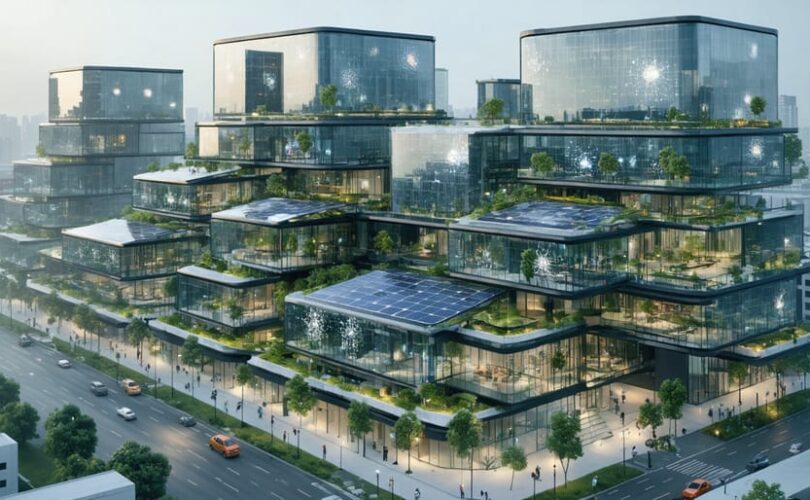
Building-integrated photovoltaics (building-integrated photovoltaics) represent a revolutionary convergence of renewable energy and modern architecture, transforming conventional building elements into power-generating assets. This innovative technology seamlessly integrates solar cells into building materials—including windows, facades, and roofing components—creating structures that simultaneously serve as both shelter and clean energy generators. By replacing traditional construction materials with photovoltaic alternatives, BIPV systems significantly reduce overall building costs while maximizing energy efficiency and architectural aesthetics.
The emergence of BIPV technology marks a paradigm shift in sustainable architecture, offering a sophisticated solution to urban energy challenges without compromising design integrity. As cities worldwide embrace green building standards and zero-energy building requirements, these systems provide architects and developers with a powerful tool to meet increasingly stringent environmental regulations while creating visually striking structures that generate their own power. This dual functionality, combined with advancing material science and improving cost-effectiveness, positions BIPV as a cornerstone technology in the future of sustainable construction and urban development.
What Makes BIPV Elements Structural Components?
Load-Bearing Capabilities
Building-integrated photovoltaic systems must meet rigorous structural requirements to ensure both safety and functionality. These systems serve dual purposes: generating electricity and functioning as integral building components. The mechanical properties of BIPV elements must comply with local building codes and standards while maintaining their power generation capabilities.
The load-bearing requirements vary depending on the installation location and type. Roof-integrated systems must withstand snow loads, wind uplift, and thermal stresses, typically requiring a minimum load-bearing capacity of 2.4 kPa. Façade installations face different challenges, primarily dealing with wind loads and thermal expansion, necessitating careful consideration of mounting systems and structural support.
Material selection plays a crucial role in achieving proper load distribution. Advanced laminated glass-glass modules offer superior structural integrity compared to traditional frame-mounted panels. These modules typically incorporate tempered or semi-tempered glass layers, providing mechanical strength while maintaining optimal light transmission for power generation.
Designers must also consider the additional weight of BIPV systems when planning building structures, typically accounting for 15-30 kg/m² depending on the system type and mounting method. Regular structural assessments ensure long-term reliability and performance.
Integration with Building Systems
Building integrated photovoltaics seamlessly connect with existing building systems through careful coordination of electrical, mechanical, and structural components. The integration process typically begins at the electrical level, where BIPV systems interface with the building’s power distribution network through specialized inverters and control systems. These components ensure the solar-generated electricity properly synchronizes with the building’s electrical infrastructure and utility grid connection.
BIPV elements also integrate with building management systems (BMS) for monitoring and optimization of energy production and consumption. Advanced monitoring systems track performance metrics, environmental conditions, and system health, allowing facility managers to maintain optimal operation. The mechanical integration involves incorporating mounting systems and weatherproofing elements that maintain building envelope integrity while supporting photovoltaic components.
Structural integration requires careful consideration of load-bearing capabilities and building codes. BIPV systems must be engineered to handle both environmental forces and their own weight while maintaining the building’s structural integrity. This often involves collaboration between solar designers, structural engineers, and architects to ensure proper load distribution and support systems are in place.
Key Types of Structural BIPV Elements
Solar Glass Facades
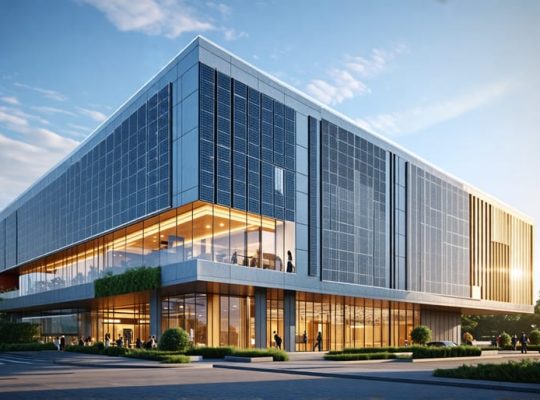
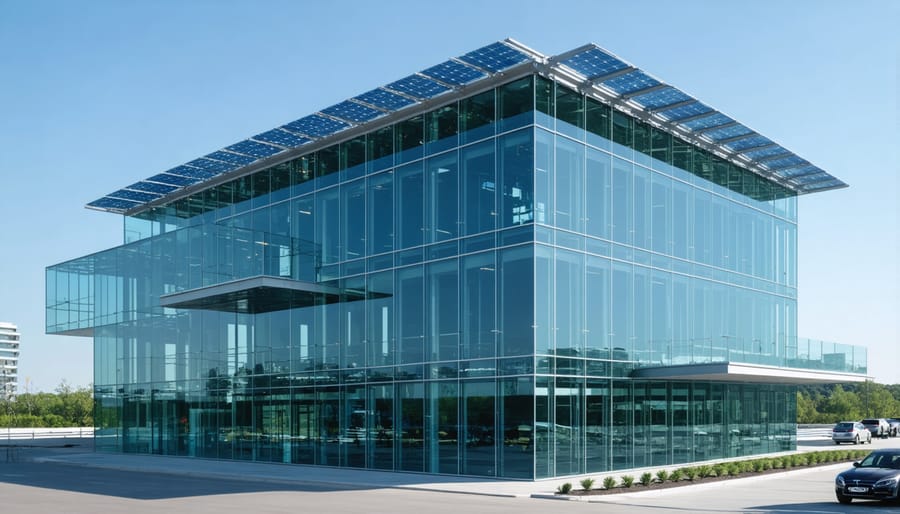
Solar glass facades represent a sophisticated integration of photovoltaic technology into building architecture, with photovoltaic curtain walls serving as both power generators and architectural elements. These systems utilize semi-transparent solar cells embedded within insulated glass units, offering varying degrees of transparency ranging from 10% to 50% while maintaining essential daylighting and thermal insulation properties.
The technology employs specialized solar cells, typically utilizing either crystalline silicon or thin-film technologies, strategically placed between glass panes. These systems can be customized to meet specific architectural requirements while optimizing energy generation potential. Modern installations incorporate advanced materials such as low-E coatings and selective transmission layers to balance solar gain, thermal performance, and electricity production.
Window-integrated PV systems particularly excel in commercial buildings where large glass surfaces are common. These installations can generate between 40-100 watts per square meter, depending on the transparency level and cell technology used. The systems also contribute to building energy efficiency by reducing cooling loads through solar heat gain reduction.
Recent developments in manufacturing processes have improved the aesthetic integration of these systems, allowing architects to maintain design integrity while incorporating renewable energy generation. The combination of energy production, thermal management, and architectural functionality makes solar glass facades an increasingly attractive option for sustainable building design.
BIPV Roofing Systems
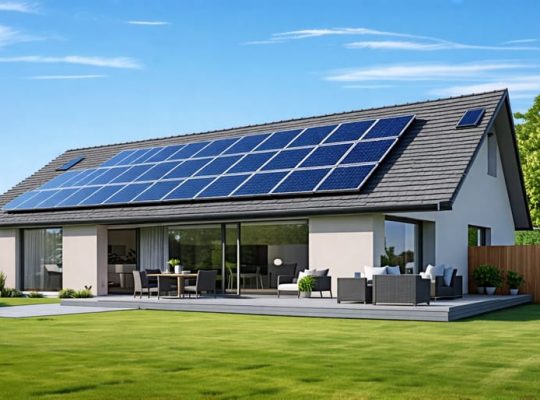
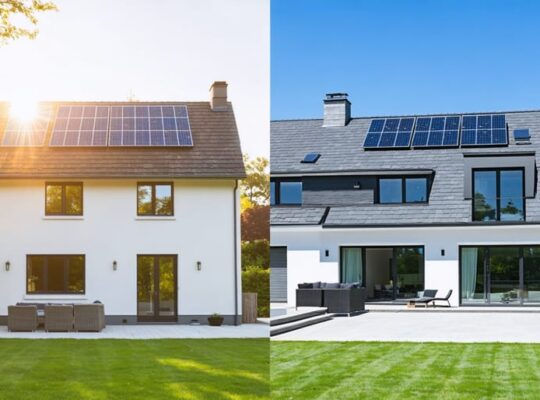
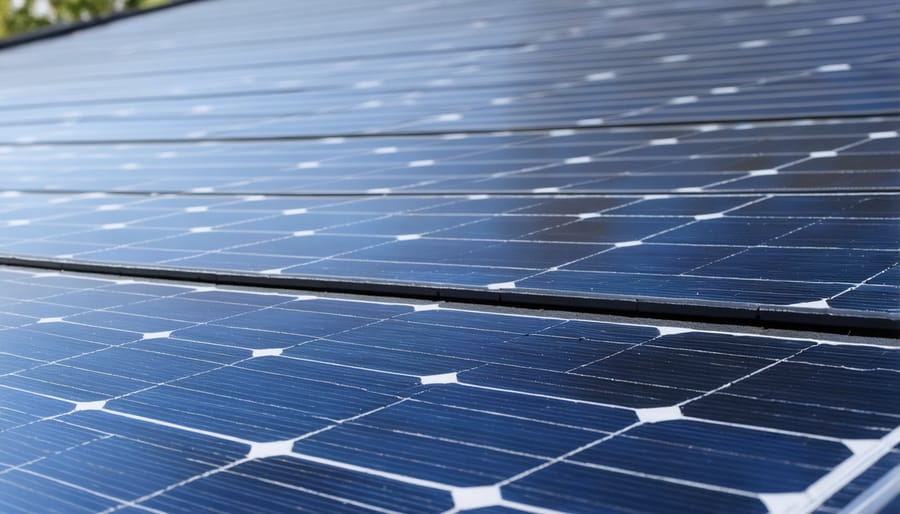
BIPV roofing systems represent a significant advancement in sustainable building technology, seamlessly integrating photovoltaic functionality with traditional roofing materials. These systems primarily utilize solar tiles and shingles that replace conventional roofing elements while generating clean energy. Unlike traditional rack-mounted solar panels, these integrated solutions maintain the architectural aesthetics of buildings while providing dual functionality.
Modern BIPV roofing components are engineered to meet both structural and electrical requirements. They typically incorporate high-efficiency solar cells embedded within durable, weather-resistant materials that ensure long-term performance and protection. These systems can be classified into three main categories: solar roof tiles, which mimic traditional clay or slate tiles; solar shingles, which resemble asphalt shingles; and larger integrated roof panels that replace entire sections of conventional roofing.
The installation process requires careful consideration of factors such as roof orientation, shading patterns, and local building codes. Professional installation teams must possess both roofing and electrical expertise to ensure proper integration with existing building systems. Advanced mounting systems and weatherproofing techniques are employed to maintain the roof’s primary function while maximizing energy generation potential.
These systems typically achieve conversion efficiencies between 15-20%, depending on the technology used and environmental conditions. While initial costs may be higher than traditional solar installations, BIPV roofing systems often provide better return on investment through reduced material and labor costs, as well as enhanced building value.
Structural Solar Skylights
Structural solar skylights represent a sophisticated integration of photovoltaic technology with traditional daylighting solutions, offering both energy generation and natural illumination for building interiors. These systems typically consist of semi-transparent PV modules sandwiched between glass panels, allowing controlled amounts of natural light to penetrate while generating electricity from solar energy.
The design of these systems incorporates specialized solar cells with varying degrees of transparency, usually ranging from 10% to 30%. This transparency is achieved through either the spacing of crystalline silicon cells or the use of thin-film technology. The cells are strategically positioned to optimize both energy generation and light transmission, creating a balance between functionality and aesthetic appeal.
These installations must meet strict building codes and safety requirements, including impact resistance and thermal performance standards. Modern structural solar skylights often feature advanced glazing technologies that help regulate heat gain and loss, while the electrical components are seamlessly integrated into the building’s power system.
The performance of these systems varies based on factors such as geographical location, installation angle, and local climate conditions. Typical power output ranges from 50 to 100 watts per square meter, while maintaining sufficient daylight transmission for interior spaces. This dual functionality makes them particularly valuable in commercial buildings, educational facilities, and public spaces where natural lighting is desired alongside renewable energy generation.
Performance and Engineering Considerations
Energy Generation Efficiency
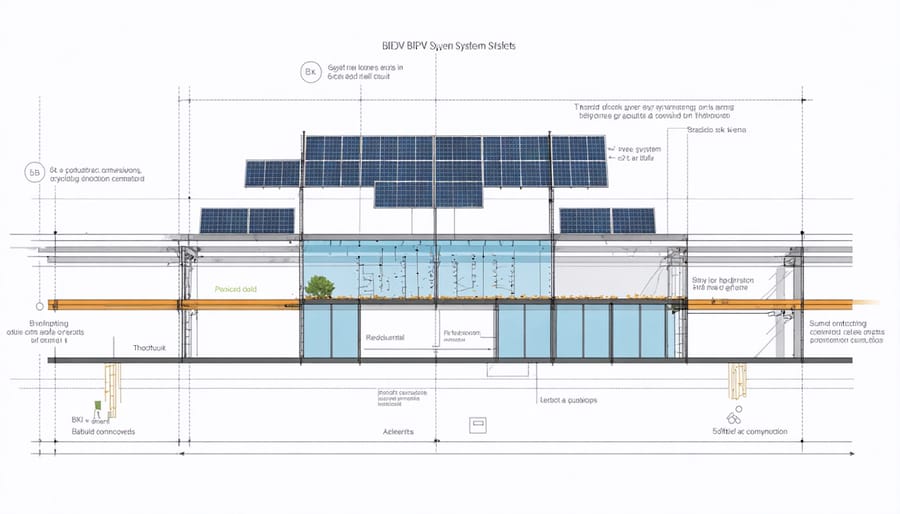
Building-integrated photovoltaics (BIPV) systems’ energy generation efficiency depends on multiple factors, including solar cell technology, installation configuration, and environmental conditions. Modern BIPV installations typically achieve conversion efficiencies ranging from 15% to 23%, with high-end monocrystalline silicon cells performing at the upper end of this spectrum.
Optimizing PV panel efficiency in building integration requires careful consideration of orientation, tilt angle, and thermal management. Unlike conventional roof-mounted systems, BIPV elements must balance architectural requirements with optimal solar exposure. Vertical façade installations typically generate 60-70% of the energy compared to optimally tilted installations, while skylight implementations can achieve up to 90% of optimal performance.
Temperature management plays a crucial role in BIPV efficiency. The integration of panels into building materials can lead to higher operating temperatures, potentially reducing power output by 0.3-0.5% per degree Celsius above standard testing conditions. Advanced ventilation designs and thermal isolation techniques help mitigate these effects, maintaining higher efficiency levels.
Recent technological advances have introduced semi-transparent solar cells and thin-film technologies that offer improved performance in low-light conditions and indirect sunlight, making them particularly suitable for vertical installations and regions with varying weather patterns. These innovations, combined with smart power management systems and micro-inverters, can increase overall system efficiency by 5-15% compared to traditional installations.
The actual power output of BIPV systems varies significantly based on geographic location, building design, and implementation quality. Well-designed systems in optimal conditions can generate 100-160 kWh per square meter annually, providing substantial contributions to building energy requirements while maintaining architectural integrity.
Structural Requirements and Standards
Building integrated photovoltaics (BIPV) must comply with both solar industry standards and building codes to ensure safety, reliability, and performance. These systems are required to meet dual functionality requirements as both building elements and power generation components.
The International Electrotechnical Commission (IEC) provides key standards for BIPV systems, including IEC 61215 for module design qualification and IEC 61730 for safety requirements. These standards ensure modules can withstand environmental stresses while maintaining electrical safety. Additionally, BIPV products must conform to building industry standards such as ASTM E2766 for the integration of photovoltaic modules into building envelope components.
Structural considerations include wind load resistance, water tightness, fire safety ratings, and thermal performance. BIPV installations must meet local building codes regarding maximum roof loads, fire classification requirements, and electrical system integration. The International Building Code (IBC) and National Electrical Code (NEC) provide specific guidelines for installation and integration.
Certification requirements typically involve testing by recognized laboratories to verify compliance with safety standards. This includes mechanical load testing, electrical safety verification, and weather resistance assessment. Many jurisdictions require professional engineering stamps on BIPV designs to certify structural integrity.
Manufacturers must provide documentation demonstrating compliance with relevant standards, including fire resistance ratings, wind uplift resistance, and electrical performance specifications. Installation teams must be certified and follow manufacturer guidelines precisely to maintain warranty coverage and ensure system longevity.
Regular inspections and maintenance protocols should be established to verify ongoing compliance with structural and safety requirements throughout the system’s operational life.
Installation and Maintenance
Professional Installation Requirements
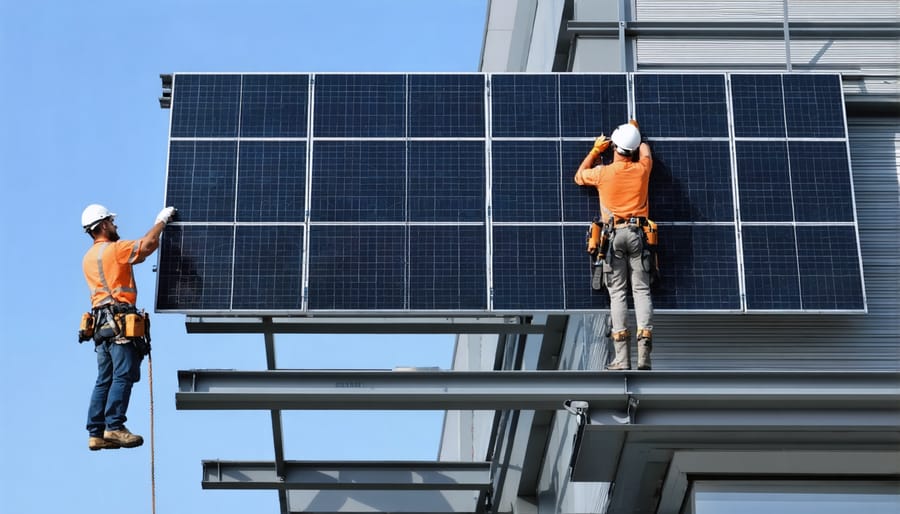
The installation of building integrated photovoltaic (BIPV) systems requires specialized expertise and proper certification to ensure safety, functionality, and compliance with relevant building codes. Qualified installers must possess both electrical and construction knowledge, as BIPV systems integrate directly into the building envelope.
Professional installers should hold certification from recognized organizations such as the North American Board of Certified Energy Practitioners (NABCEP) or equivalent regional certifications. These credentials demonstrate competency in photovoltaic system design, installation, and maintenance, with specific focus on building integration techniques.
Key requirements for professional installers include:
– Thorough understanding of electrical systems and local electrical codes
– Knowledge of building construction and weatherization principles
– Familiarity with structural loading calculations
– Experience with various mounting systems and integration methods
– Understanding of safety protocols and fall protection requirements
Installation teams typically consist of licensed electricians, certified PV installers, and experienced construction professionals working in coordination. Many jurisdictions require oversight from registered professional engineers or architects, particularly for large-scale commercial installations.
Ongoing training and certification maintenance are essential as BIPV technology continues to evolve. Installers must stay current with new products, installation techniques, and building code updates through professional development programs and manufacturer-specific training sessions.
Given the complexity of BIPV systems, collaboration with architects and structural engineers during the planning phase is crucial for successful implementation. This ensures proper integration with building systems and optimal performance of both photovoltaic and building envelope functions.
Long-term Maintenance Protocols
Long-term maintenance of building integrated photovoltaic (BIPV) systems requires a structured approach to ensure optimal performance and system longevity. Regular inspections should be conducted quarterly, focusing on electrical connections, mounting systems, and surface integrity. These inspections help identify potential issues before they escalate into major problems.
Cleaning protocols must be established based on local environmental conditions. In urban areas with higher pollution levels, bi-annual cleaning may be necessary, while rural installations might require annual maintenance. Use specialized non-abrasive cleaning solutions and soft materials to prevent surface damage to the photovoltaic elements.
Performance monitoring systems should be implemented to track energy output and system efficiency. Any significant decrease in performance metrics should trigger immediate investigation. Maintain detailed maintenance logs documenting all inspections, cleaning activities, and repairs for warranty purposes and performance optimization.
Electrical components require particular attention. Inverters should undergo annual professional inspection, while wiring connections need checking for corrosion or loose terminals every six months. Weather sealing elements must be evaluated regularly to prevent moisture infiltration.
Establish emergency response protocols for system failures or weather-related damage. Partner with qualified BIPV maintenance professionals who understand both solar technology and building envelope systems. Regular training updates for maintenance staff ensure they remain current with evolving technology and safety requirements.
Consider implementing predictive maintenance strategies using smart monitoring systems to anticipate potential issues before they affect system performance.
The Future of Structural BIPV
The future of structural BIPV is rapidly evolving, driven by technological advancements and increasing demand for sustainable building solutions. Recent innovations in photovoltaic materials and manufacturing processes are enabling the development of more efficient and aesthetically pleasing BIPV products. Transparent solar cells, for instance, are showing promise in transforming standard windows into power-generating surfaces while maintaining natural light transmission.
Perovskite solar technology represents a significant breakthrough, offering the potential for higher efficiency rates and lower production costs. When combined with traditional silicon cells in tandem configurations, these materials could achieve conversion efficiencies exceeding 30%, making BIPV systems increasingly viable for widespread adoption.
Integration with smart building technologies and energy storage solutions is becoming more sophisticated, allowing for optimal energy management and distribution within buildings. Advanced monitoring systems and artificial intelligence are being incorporated to maximize energy generation and consumption patterns while maintaining building performance.
Emerging trends include the development of flexible BIPV materials that can conform to curved surfaces, expanding architectural possibilities. Additionally, researchers are working on self-cleaning coatings and improved durability features to reduce maintenance requirements and extend system lifespans.
The industry is also witnessing innovations in installation methods, with prefabricated BIPV components gaining traction. These standardized elements promise to reduce installation time and costs while ensuring consistent quality. Manufacturing processes are becoming more automated and precise, leading to better product uniformity and reliability.
As building codes and environmental regulations continue to evolve, BIPV systems are expected to become standard features in new construction projects. The convergence of decreasing costs, improving efficiencies, and advancing integration technologies suggests that structural BIPV will play an increasingly vital role in achieving net-zero energy buildings and sustainable urban development.
Structural building-integrated photovoltaics represent a crucial intersection of renewable energy technology and modern architectural design, fundamentally transforming how we approach sustainable construction. These systems serve multiple essential functions, simultaneously providing weather protection, thermal insulation, and clean energy generation while maintaining aesthetic appeal. The integration of BIPV elements into building facades, roofs, and windows has proven to be a cost-effective solution for achieving net-zero energy buildings and meeting increasingly stringent environmental regulations.
As the construction industry continues to evolve toward more sustainable practices, BIPV systems will play an increasingly vital role in meeting both energy efficiency requirements and architectural demands. Their ability to seamlessly combine form and function makes them particularly valuable in urban environments where space optimization is crucial. The growing adoption of these systems by architects and developers demonstrates their practical viability and long-term economic benefits.
Looking ahead, the continued advancement of BIPV technology, coupled with improving efficiency and declining costs, positions these systems as a cornerstone of sustainable building design. Their contribution to reducing carbon emissions while enhancing building functionality makes them an indispensable tool in creating the energy-efficient buildings of tomorrow.