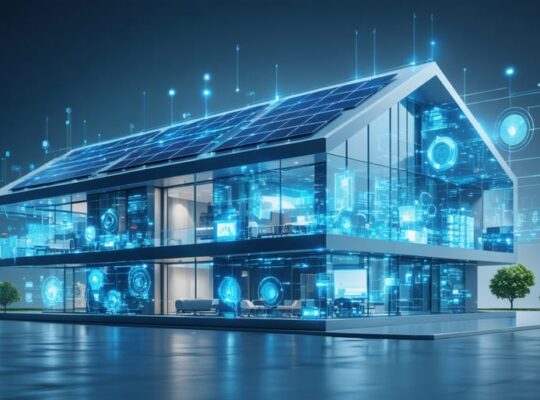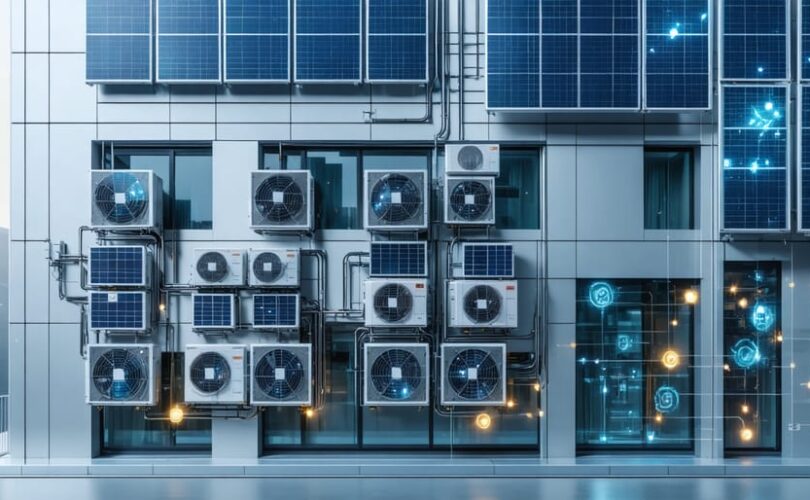
Unit ventilators represent a critical component in modern building-integrated photovoltaics and HVAC systems, delivering targeted climate control while maximizing energy efficiency. These sophisticated devices combine heating, cooling, and ventilation capabilities within a single, compact unit installed directly within individual rooms or zones. By integrating advanced temperature sensors, variable-speed fans, and smart controls, unit ventilators optimize indoor air quality while reducing operational costs. Their modular design enables seamless integration with existing building management systems, making them particularly valuable in educational facilities, healthcare environments, and commercial buildings where precise climate control is essential. As sustainability requirements become increasingly stringent, unit ventilators emerge as a key technology for achieving both comfort and energy performance goals in modern building design.
Understanding Unit Ventilators in BIPV Systems
Components and Design Features
A unit ventilator comprises several essential components working in harmony to maintain optimal indoor air quality and temperature control. The primary elements include a fan assembly, heating and cooling coils, air filters, dampers, and a control system. The fan assembly, typically consisting of a direct-drive motor and centrifugal fan, circulates air through the unit efficiently.
The heating and cooling coils, made from copper or aluminum, facilitate heat exchange between the air and the thermal transfer medium. Fresh air intake dampers regulate the proportion of outdoor air entering the system, while return air dampers control the recirculation of indoor air. High-efficiency air filters remove particulates, allergens, and contaminants from both outdoor and recirculated air.
Modern unit ventilators feature sophisticated electronic control systems that monitor temperature, humidity, and air quality parameters. These controls integrate seamlessly with building automation systems for enhanced efficiency. The cabinet housing is designed with durability in mind, usually constructed from heavy-gauge steel with corrosion-resistant coating. Sound attenuation materials within the cabinet minimize operational noise, making these units suitable for noise-sensitive environments like classrooms and offices.
Optional components may include UV germicidal lamps for enhanced air purification and energy recovery modules to maximize efficiency.

Energy Efficiency Mechanisms
Unit ventilators integrated with solar PV systems employ several sophisticated mechanisms to optimize energy consumption and enhance overall system efficiency. These systems utilize smart controls that automatically adjust ventilation rates based on occupancy, temperature, and ambient light conditions. By synchronizing operation with peak solar generation periods, unit ventilators can maximize PV panel efficiency while maintaining optimal indoor air quality.
Variable frequency drives (VFDs) enable precise control of fan speeds, reducing energy consumption during periods of lower demand. Advanced thermal recovery systems capture and recycle waste heat from exhaust air, significantly decreasing the energy required for temperature conditioning. Modern unit ventilators also incorporate economizer modes that leverage favorable outdoor conditions to minimize mechanical cooling requirements.
Integration with building management systems (BMS) allows for real-time monitoring and adjustment of ventilation parameters. This data-driven approach ensures optimal performance while minimizing energy waste. Additionally, programmable scheduling features enable automated operation based on building occupancy patterns, further enhancing energy efficiency. The combination of these mechanisms typically results in energy savings of 30-40% compared to traditional ventilation systems.
Solar-Powered Ventilation Solutions
PV Power Integration
The integration of photovoltaic power systems with unit ventilators represents a significant advancement in sustainable HVAC technology. Modern unit ventilators can be configured to operate directly from DC power supplied by solar panels, eliminating the need for complex power conversion systems. This direct DC coupling improves overall system efficiency and reduces energy losses typically associated with AC-DC conversion.
A typical PV-powered unit ventilator system comprises solar panels, charge controllers, battery storage, and DC-compatible ventilator motors. The charge controller manages power flow between the PV array and the ventilator, ensuring optimal operation during varying solar conditions. Battery storage systems enable continuous operation during non-peak solar hours and nighttime, maintaining consistent ventilation performance.
Energy management systems play a crucial role in PV-integrated unit ventilators, monitoring power consumption, solar generation, and system performance. Smart controllers adjust ventilation rates based on available solar power, occupancy patterns, and indoor air quality requirements. This intelligent operation maximizes the utilization of solar energy while maintaining comfort levels.
Installation considerations include proper sizing of the PV array, strategic panel placement for optimal sun exposure, and integration with existing building management systems. The system design must account for peak power requirements, daily operation cycles, and backup power needs. Modern installations often incorporate hybrid capabilities, allowing seamless switching between solar and grid power to ensure uninterrupted ventilation.
Smart Control Systems
Modern unit ventilators incorporate sophisticated control systems that optimize performance, energy efficiency, and occupant comfort. These intelligent systems utilize an array of sensors and microprocessors to continuously monitor environmental conditions and adjust operational parameters accordingly. When integrated with smart energy storage solutions, these systems can significantly enhance building energy management.
Advanced control mechanisms typically include temperature sensors, CO2 monitors, humidity detectors, and occupancy sensors working in concert to maintain optimal indoor air quality. Direct digital controls (DDC) enable precise automation of ventilation rates, fan speeds, and damper positions based on real-time data analysis. These systems can also integrate with building management systems (BMS) for centralized control and monitoring.
Programmable scheduling features allow facility managers to customize operation based on occupancy patterns and seasonal requirements. Smart algorithms learn from historical data to predict and prepare for changing conditions, reducing energy waste while maintaining comfort levels. Many modern systems also offer remote monitoring and control capabilities through secure web interfaces or mobile applications, enabling facility managers to respond quickly to changing requirements or emergency situations.
The integration of fault detection and diagnostic capabilities helps identify maintenance needs proactively, ensuring consistent performance and extending equipment life span.
Installation and Performance Optimization
Installation Requirements
Proper installation of unit ventilators requires careful consideration of several key factors to ensure optimal performance and integration with building-integrated PV elements. The installation location must provide adequate access to fresh air, typically through an exterior wall opening positioned at least 12 inches above ground level. A minimum clearance of 6 inches should be maintained between the unit and surrounding walls to facilitate proper airflow and maintenance access.
The structural support system must be capable of bearing the ventilator’s weight, including any additional components. Installation requires a level surface with proper condensate drainage provisions and electrical connections meeting local building codes. The unit should be mounted on vibration isolators to minimize noise transmission to the building structure.
Adequate weatherproofing is essential around wall penetrations to prevent water infiltration. Ductwork connections must be properly sealed and insulated to prevent air leakage and thermal losses. The installation should include appropriate controls integration, allowing for seamless operation with the building’s automation system.
Installation teams must ensure compliance with manufacturer specifications, local building codes, and safety regulations. Regular access points for filter replacement and maintenance should be incorporated into the installation design. Professional installation by qualified technicians is recommended to guarantee proper system functionality and longevity.
Performance Monitoring
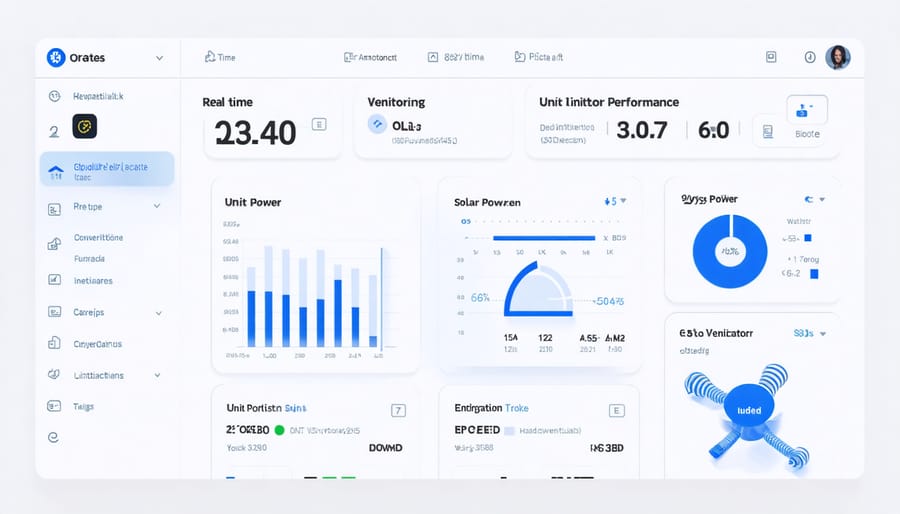
Performance monitoring of unit ventilators is essential for maintaining optimal system efficiency and ensuring occupant comfort. Modern monitoring systems employ various sensors and data collection tools to track key performance indicators (KPIs) including temperature differentials, airflow rates, and energy consumption patterns.
Building automation systems (BAS) integrate with unit ventilators to provide real-time monitoring capabilities. These systems utilize temperature sensors, humidity monitors, and CO2 detectors to assess indoor air quality and system performance. Advanced monitoring platforms can track both supply and return air temperatures, helping facility managers identify potential issues before they impact comfort or efficiency.
Energy management systems (EMS) complement monitoring efforts by analyzing power consumption patterns and operational efficiency. These systems can generate detailed reports on unit ventilator performance, including runtime hours, cycling frequency, and energy usage trends. This data enables facility managers to optimize maintenance schedules and identify opportunities for energy savings.
Regular performance monitoring should include:
– Airflow measurements
– Filter differential pressure readings
– Motor current monitoring
– Coil temperature measurements
– Control valve operation verification
Predictive analytics software can process this monitoring data to forecast potential equipment failures and recommend preventive maintenance actions. This proactive approach helps maintain system efficiency while reducing unexpected downtime and repair costs.
Remote monitoring capabilities allow facility managers to access performance data through secure web portals or mobile applications, enabling quick response to system alerts and operational anomalies.
Environmental and Economic Benefits

Carbon Footprint Reduction
Modern unit ventilators play a significant role in reducing building carbon footprints through enhanced energy efficiency and smart operational capabilities. These systems contribute to environmental sustainability by optimizing air exchange rates while minimizing energy consumption. When properly integrated with building management systems, unit ventilators can reduce HVAC-related energy usage by 20-30% compared to traditional ventilation methods.
The incorporation of energy recovery features allows unit ventilators to capture and reuse thermal energy from exhaust air, substantially decreasing the energy required for heating and cooling. Advanced models utilize EC (Electronically Commutated) motors that consume up to 70% less electricity than conventional motors, directly translating to reduced carbon emissions.
Smart controls and occupancy sensors enable demand-controlled ventilation, ensuring that ventilation rates match actual occupancy patterns. This prevents unnecessary operation and excessive energy consumption during periods of low occupancy. Additionally, integration with renewable energy sources, such as solar power systems, can further reduce the carbon impact of ventilation operations.
The latest unit ventilators also feature improved filtration systems that maintain optimal indoor air quality while operating at higher energy efficiency levels. Many manufacturers now use environmentally friendly refrigerants and sustainable materials in their production processes, further reducing the environmental impact across the product lifecycle.
Building operators can achieve significant emissions reductions by implementing regular maintenance schedules and optimizing ventilation strategies according to seasonal variations and occupancy patterns.
Return on Investment
The investment in unit ventilators presents a compelling financial case when analyzed over their operational lifetime. Initial costs typically range from $2,000 to $5,000 per unit, depending on capacity and features, but the long-term benefits often justify this upfront expenditure. Energy savings of 20-30% compared to traditional HVAC systems are commonly reported, translating to substantial reductions in utility bills.
A comprehensive cost-benefit analysis reveals that most installations achieve payback periods between 3 to 5 years, depending on local energy costs and climate conditions. The energy efficiency improvements can result in annual savings of $300-$600 per unit in typical commercial applications. When factoring in reduced maintenance requirements and extended equipment lifespan, the total cost of ownership becomes increasingly attractive.
Additional financial benefits emerge through improved indoor air quality, which has been linked to enhanced occupant productivity and reduced absenteeism in commercial settings. Studies indicate that properly maintained unit ventilators can contribute to a 3-7% increase in workplace productivity, representing significant value for businesses.
Government incentives and rebate programs often further enhance the return on investment. Many jurisdictions offer tax credits or grants for energy-efficient HVAC upgrades, potentially covering 10-30% of the initial investment. When combined with modern building management systems, unit ventilators can provide even greater operational savings through optimized performance and predictive maintenance capabilities.
Unit ventilators have proven to be essential components in modern building systems, offering efficient climate control while contributing to energy conservation efforts. As building technologies continue to evolve, these systems are becoming increasingly sophisticated, incorporating smart controls, energy recovery capabilities, and integration with building management systems.
The future outlook for unit ventilators appears promising, with several key developments on the horizon. Manufacturers are focusing on developing more energy-efficient models that comply with stricter environmental regulations while maintaining optimal performance. Integration with renewable energy sources and advanced monitoring systems is becoming standard practice, allowing for better control and energy optimization.
Industry trends indicate a growing emphasis on sustainable design and green building practices, positioning unit ventilators as crucial elements in achieving these objectives. The increasing adoption of IoT technology and smart building solutions will further enhance the capabilities of these systems, enabling predictive maintenance and automated performance optimization.
As we look ahead, the role of unit ventilators in building comfort and energy efficiency will continue to expand. Emerging technologies such as advanced heat recovery systems and improved filtration methods will enhance their effectiveness while reducing environmental impact. The integration of these systems with building-integrated photovoltaics (BIPV) and other renewable energy sources will become more seamless, contributing to the broader goals of sustainable architecture and energy independence.