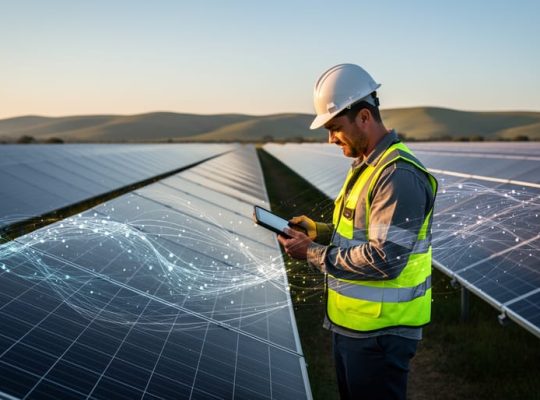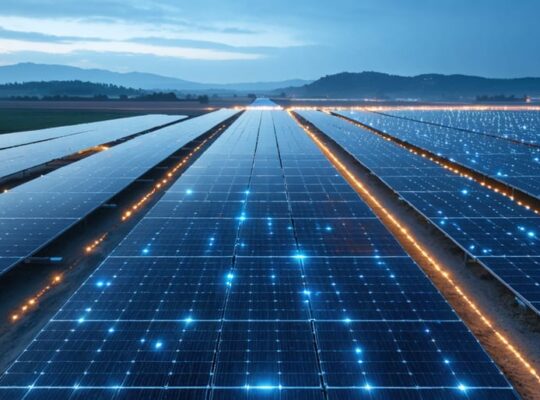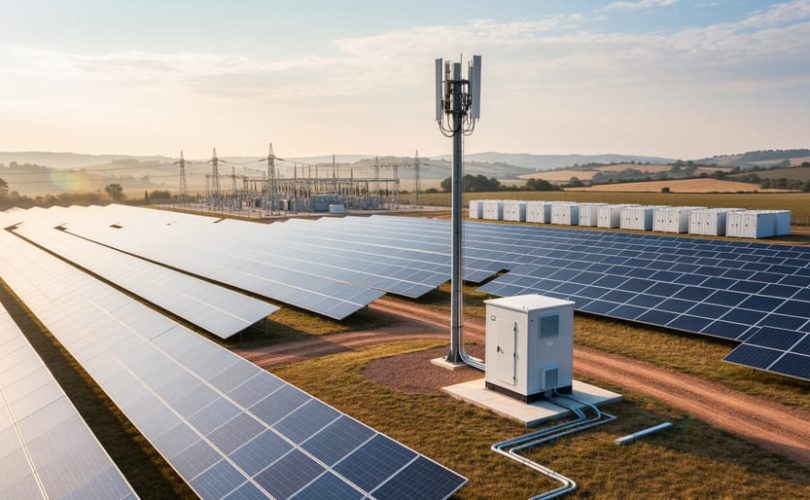
The convergence of 5G networks and edge computing is fundamentally transforming solar photovoltaic system optimization, enabling real-time data processing at unprecedented speeds while dramatically reducing latency in energy management decisions. This technological pairing processes performance metrics, weather patterns, and grid demands within milliseconds at the network edge rather than distant cloud servers, allowing solar installations to respond instantaneously to changing conditions and maximize energy capture efficiency.
Traditional solar monitoring systems face critical limitations: cloud-based analytics create delays of several seconds to minutes, preventing rapid response to shading events, temperature fluctuations, or grid frequency variations. Edge compute architecture eliminates this bottleneck by deploying processing power directly at cell towers and base stations near solar installations, while 5G connectivity provides the bandwidth necessary to transmit high-resolution sensor data from thousands of panels simultaneously. The result is a responsive system capable of executing micro-adjustments to inverter settings, optimizing maximum power point tracking algorithms, and coordinating energy storage dispatch with precision previously unattainable.
For photovoltaic professionals entering this evolving landscape, understanding 5G edge compute represents more than technical knowledge acquisition. This technology enables predictive maintenance through continuous artificial intelligence analysis of panel performance signatures, identifies underperforming modules before significant losses occur, and facilitates sophisticated coordination between distributed solar assets and grid infrastructure. Commercial and utility-scale installations implementing these systems report efficiency gains of 3-8% alongside reduced operational costs through automated fault detection and resolution.
This comprehensive examination explores the technical foundations of 5G edge compute integration in solar applications, quantifies measurable performance improvements, and provides implementation frameworks for professionals seeking to leverage this technology combination in modern photovoltaic installations.
The Technical Foundation: What 5G Edge Computing Brings to Solar PV
Ultra-Low Latency for Millisecond-Level Responses
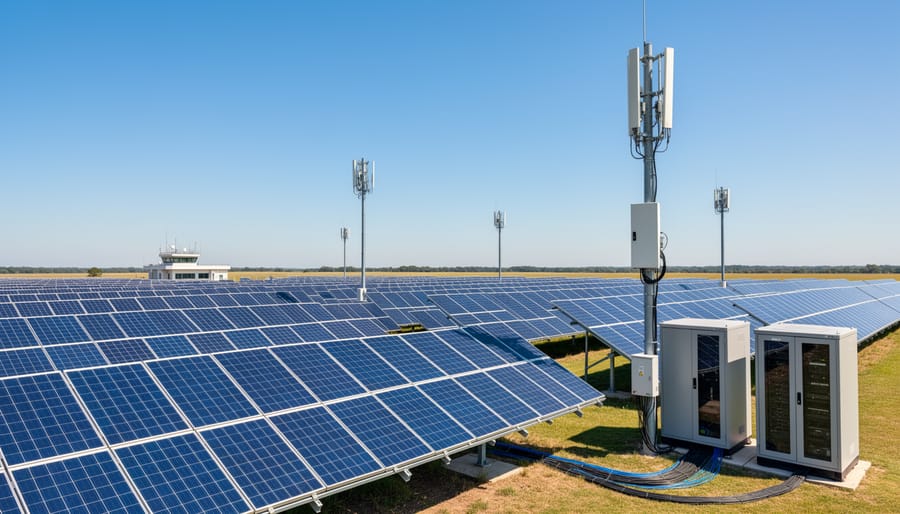
Traditional cloud-based solar monitoring systems face a fundamental challenge: data must travel from solar installations to distant data centers and back, creating latency that typically ranges from 100 to 300 milliseconds. While this delay may seem negligible, it severely limits the responsiveness of photovoltaic systems during critical operational moments. 5G edge computing architectures fundamentally transform this paradigm by processing data locally at the network edge, reducing latency to under 10 milliseconds and often achieving response times as low as 1-5 milliseconds.
This dramatic latency reduction enables real-time adjustments that were previously impossible with conventional networking infrastructure. Inverter settings can now respond instantaneously to grid fluctuations, preventing power quality issues before they impact performance. Maximum power point tracking algorithms benefit substantially from this capability, making microsecond-level adjustments to extraction strategies as irradiance conditions shift due to passing clouds or environmental changes. The system can continuously optimize the voltage and current operating point to extract maximum available power without the delays that previously resulted in energy losses during transitional periods.
Grid synchronization represents another critical application where millisecond-level responses prove essential. As solar installations integrate with increasingly complex grid networks, maintaining precise frequency and phase alignment becomes paramount. Edge-processed 5G networks enable inverters to detect and respond to grid events with unprecedented speed, ensuring seamless power delivery and enhanced grid stability. This capability proves particularly valuable for installations participating in frequency regulation services or operating in microgrids where rapid response to changing conditions directly impacts system reliability and revenue generation potential.
Distributed Processing at the Network Edge
Positioning computational resources at or near solar installations fundamentally transforms how photovoltaic systems process and respond to data. Rather than transmitting massive volumes of raw sensor data to distant cloud servers, edge computing capabilities enable solar arrays to analyze information locally and make time-sensitive decisions autonomously. This distributed approach significantly reduces bandwidth consumption, as only processed insights and critical alerts require transmission to central monitoring systems.
The architecture proves particularly valuable in remote solar installations where network connectivity may be intermittent or limited. Edge devices equipped with processing power can continue monitoring performance, detecting anomalies, and executing optimization protocols even during communication disruptions. For instance, when cloud cover patterns shift rapidly, local processors can instantly adjust inverter settings and reconfigure power distribution without waiting for round-trip instructions from distant data centers.
This localized intelligence also enhances system resilience and security. By processing sensitive operational data on-site rather than transmitting it across networks, solar operators reduce exposure to potential cyber threats and data breaches. Academic research in collaboration with leading universities demonstrates that edge-processed solar systems achieve response times measured in milliseconds rather than seconds, enabling real-time optimization that directly translates to improved energy harvest and extended equipment lifespan. The reduction in data transmission costs further improves the economic case for advanced monitoring systems across installations of all scales.
Enhanced Connectivity for Remote and Distributed Arrays
Remote solar installations have historically faced significant challenges in maintaining reliable connectivity for monitoring and control systems. Traditional cellular networks often provide inadequate coverage in rural, mountainous, or offshore locations where solar arrays are increasingly deployed to serve isolated communities and industrial facilities. 5G technology addresses these limitations through enhanced signal propagation characteristics and network densification strategies that extend reliable connectivity to previously underserved areas.
The integration of 5G with edge computing infrastructure proves particularly valuable for distributed solar portfolios spanning multiple remote sites. Network slicing capabilities allow operators to allocate dedicated bandwidth for critical monitoring functions, ensuring consistent data transmission even in areas with limited infrastructure. This reliability enables real-time performance tracking and rapid response to system anomalies across geographically dispersed installations.
For academic institutions and research organizations studying solar deployment in challenging environments, 5G connectivity facilitates continuous data collection essential for performance analysis and optimization studies. The technology supports remote commissioning and troubleshooting, reducing the need for costly site visits while maintaining operational oversight. This connectivity advancement removes a significant barrier to expanding renewable energy access in locations where grid infrastructure remains limited or nonexistent.
Real-Time Optimization Applications for Solar PV Systems
Dynamic Power Output Optimization
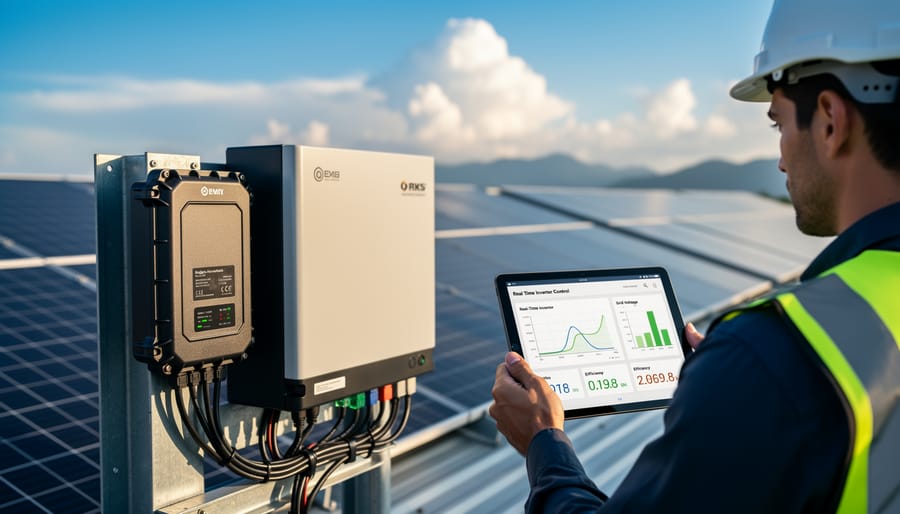
Edge computing nodes positioned near solar installations enable sophisticated power output optimization by processing critical performance data locally with minimal latency. These distributed computing systems continuously analyze irradiance measurements from pyranometers, temperature sensors embedded in photovoltaic modules, and inverter performance metrics to identify optimal operating parameters in real time.
By leveraging 5G connectivity, edge systems receive instantaneous updates on weather patterns, cloud movements, and grid demand fluctuations. This localized processing capability allows maximum power point tracking algorithms to adjust more rapidly than traditional centralized systems, capturing every available watt of energy throughout shifting environmental conditions. The integration of real-time analytics enables predictive adjustments before efficiency losses occur.
Temperature compensation represents another critical optimization area where edge computing excels. As panel temperatures rise, conversion efficiency decreases predictably. Edge processors implement dynamic cooling strategies and load adjustments based on thermal readings, maintaining peak performance during high-temperature periods. Research partnerships with leading universities have validated efficiency improvements of 3-7% through these localized optimization techniques, demonstrating measurable financial benefits for commercial installations while advancing industry understanding of intelligent energy management systems.
Predictive Maintenance and Fault Detection
5G edge computing enables sophisticated predictive maintenance algorithms to operate directly at solar installations, transforming how operators detect and address equipment issues. By processing vast streams of operational data locally, machine learning models continuously monitor inverter performance, panel degradation rates, and string-level anomalies in real time without relying on distant cloud servers.
These edge-based algorithms analyze historical performance patterns alongside current operational metrics to identify subtle deviations that signal impending failures. For example, gradual increases in inverter temperature coupled with declining conversion efficiency may indicate cooling system deterioration weeks before complete failure occurs. Similarly, unexpected voltage fluctuations across panel strings can reveal failing bypass diodes or developing hotspots that compromise energy yield.
The ultra-low latency of 5G connectivity ensures maintenance teams receive immediate alerts when anomalies emerge, enabling proactive interventions rather than reactive repairs. This approach minimizes unplanned downtime, extends equipment lifespan, and optimizes overall system performance. Academic research collaborations have demonstrated that edge-based predictive maintenance can reduce operational expenses by 15-25% while increasing system availability beyond 99%. For solar operators managing distributed installations across multiple sites, this combination of localized intelligence and rapid communication represents a significant advancement in asset management capabilities.
Grid Integration and Demand Response
The convergence of 5G connectivity and edge computing creates unprecedented opportunities for solar photovoltaic systems to participate actively in grid management. By processing operational data locally at the network edge, solar installations can respond to grid signals within milliseconds rather than the seconds or minutes required by cloud-dependent systems. This near-instantaneous response capability is essential for modern grid stabilization efforts.
Edge-processed data enables solar systems to support frequency regulation by adjusting inverter output in real-time as grid frequency fluctuates. When system frequency drops below nominal levels, edge computing allows inverters to rapidly inject additional power or curtail consumption, helping maintain grid stability. Similarly, these systems contribute to voltage control by modulating reactive power output based on local voltage conditions detected through edge analytics.
Participation in demand response programs becomes significantly more effective with edge computing infrastructure. Solar installations can automatically respond to utility price signals or grid operator requests, adjusting generation or storage dispatch without human intervention. This automated responsiveness is particularly valuable during peak demand periods or grid emergencies.
Academic research conducted in collaboration with universities demonstrates that edge-enabled solar systems achieve response times under 100 milliseconds, meeting the stringent requirements for ancillary services markets. These capabilities transform distributed solar resources from passive generators into active grid assets, supporting the transition toward more resilient, flexible energy networks while creating additional revenue opportunities for system owners.
Weather-Responsive System Adjustments
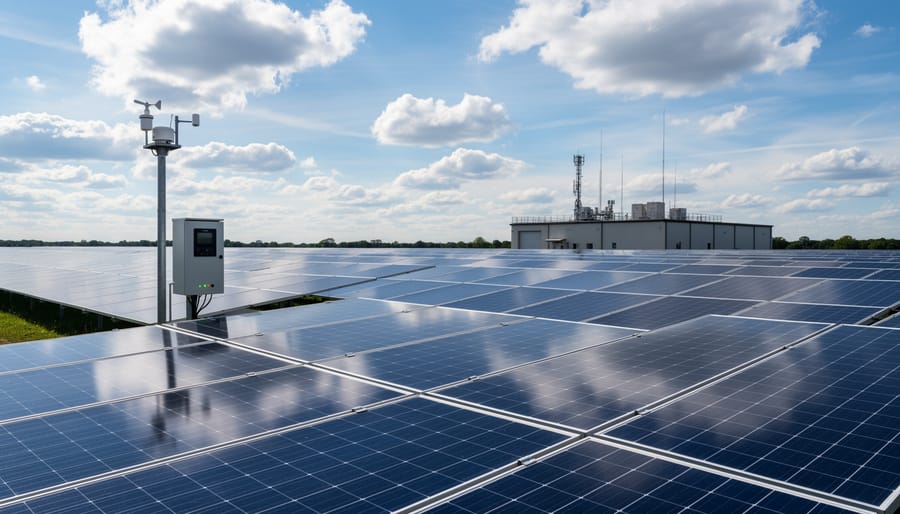
Edge computing systems leverage local weather sensor networks and advanced forecasting algorithms to dynamically optimize solar PV operations in real-time. By processing meteorological data at the network edge rather than distant cloud servers, these systems reduce latency from seconds to milliseconds, enabling immediate parameter adjustments as conditions shift.
When integrated weather stations detect approaching cloud formations, the edge computing infrastructure automatically recalibrates maximum power point tracking algorithms to maintain optimal energy extraction during intermittent sunlight. Similarly, the system can adjust inverter settings preemptively when forecasting data indicates incoming storms or temperature fluctuations that affect panel performance.
The 5G connectivity enables seamless communication between distributed sensor arrays, creating a comprehensive microclimate monitoring network across solar installations. This granular weather intelligence allows operators to anticipate rather than merely react to environmental changes. For instance, systems can prepare for sudden irradiance drops by optimizing battery storage dispatch strategies or adjusting grid feed-in schedules.
Research collaborations with universities have demonstrated that weather-responsive edge computing systems improve energy capture efficiency by 8-12% compared to traditional reactive control methods. These predictive capabilities prove particularly valuable for utility-scale installations where rapid response to meteorological changes directly impacts revenue generation and grid stability contributions.
Performance Benefits: Quantifying the Edge Computing Advantage
Energy Yield Improvements
The integration of 5G edge computing with solar photovoltaic systems delivers measurable improvements in energy yield through sophisticated algorithmic optimization. Recent field studies demonstrate that advanced Maximum Power Point Tracking (MPPT) algorithms, enabled by edge computing’s low-latency processing capabilities, can increase annual energy production by 3-8% compared to conventional systems. These gains result from the technology’s ability to execute continuous micro-adjustments based on real-time environmental data, ensuring panels operate at peak efficiency under varying conditions.
Real-time shading mitigation represents another critical advantage. Research conducted by leading renewable energy institutions shows that edge-enabled systems can detect and respond to partial shading events within milliseconds, dynamically reconfiguring panel arrays to minimize power losses. A 2023 university study documented a 5.2% improvement in energy output for systems equipped with 5G-connected edge devices in partially shaded environments. The computational power at the network edge allows for processing complex shading patterns and weather data locally, eliminating the delays inherent in cloud-based solutions. These quantifiable performance enhancements translate directly into improved return on investment for solar installations while advancing grid stability objectives.
Operational Cost Reductions
Integrating 5G edge computing into solar photovoltaic operations delivers substantial operational cost reductions across multiple dimensions, fundamentally improving system economics for renewable energy installations. By processing data at the network edge rather than distant cloud servers, these systems significantly reduce data transmission expenses, particularly valuable for large-scale solar farms generating continuous streams of sensor data from thousands of panels and monitoring points.
Reduced downtime represents perhaps the most significant economic benefit. Traditional maintenance approaches often rely on scheduled inspections or reactive responses to failures, both resulting in lost generation capacity. Edge computing enables real-time anomaly detection and predictive analytics that identify potential equipment failures before they occur. Research from leading renewable energy programs indicates that predictive maintenance powered by edge computing can reduce unplanned downtime by 40-60 percent, translating directly to increased energy production and revenue generation.
Optimized maintenance scheduling further enhances cost efficiency by eliminating unnecessary site visits and consolidating repairs. Edge computing systems analyze performance data continuously, prioritizing maintenance activities based on actual equipment condition rather than arbitrary time intervals. This approach reduces labor costs, minimizes equipment wear from over-maintenance, and extends component lifespans through timely interventions.
Additionally, edge computing reduces bandwidth requirements by filtering and processing data locally, transmitting only relevant insights to central systems. For installations in remote locations where connectivity costs remain high, these savings prove particularly significant. Combined with reduced cloud storage expenses and lower latency enabling faster response times, 5G edge computing creates a compelling economic case for modernizing solar photovoltaic operations while supporting the industry’s continued growth and accessibility.
Implementation Considerations for PV Professionals
Hardware and Infrastructure Requirements
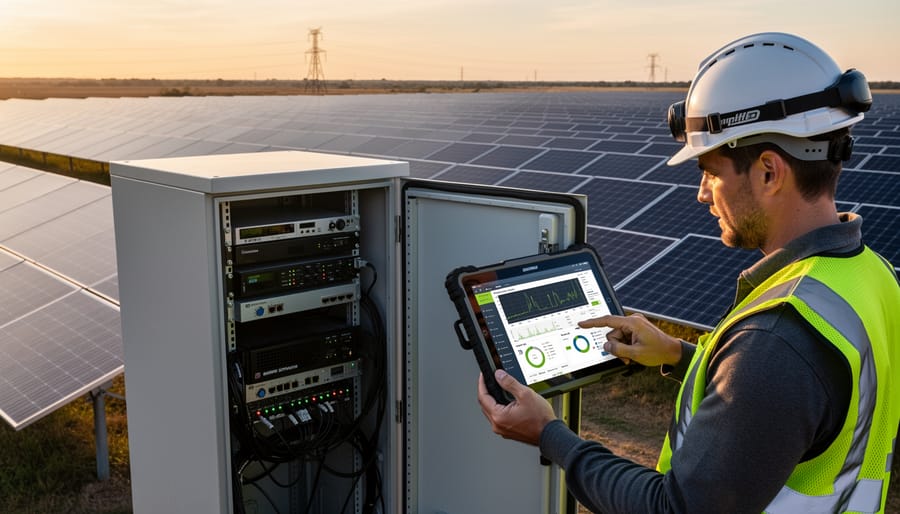
Deploying 5G edge computing for solar PV optimization requires carefully selected hardware components and robust network infrastructure. At the foundation, edge computing devices such as industrial-grade servers or micro data centers must be positioned near solar installations to process data locally. These edge nodes typically feature multi-core processors, adequate RAM (minimum 16GB), and sufficient storage capacity to handle real-time analytics from IoT-enabled solar systems.
5G modems and routers certified for outdoor or industrial environments ensure reliable connectivity between solar arrays and edge infrastructure. These devices must support millimeter-wave and sub-6 GHz frequency bands for optimal performance. Sensor networks form another critical component, encompassing irradiance sensors, temperature monitors, voltage and current meters, and environmental monitoring equipment. These sensors transmit continuous data streams to edge computing nodes for immediate analysis.
Network infrastructure requirements include strategically placed 5G small cells or distributed antenna systems to provide comprehensive coverage across solar farms. Power supply systems with battery backup ensure uninterrupted operation during grid fluctuations. Many organizations partner with universities to validate hardware configurations and develop best practices for deployment, ensuring reliable performance in diverse environmental conditions while maintaining security protocols and data integrity.
Software Platforms and Data Management
Modern edge computing platforms for solar photovoltaic applications leverage containerization technologies like Kubernetes and Docker to deploy distributed analytics applications across network edges. These frameworks enable rapid deployment of monitoring and optimization algorithms directly at solar installation sites, reducing latency in critical decision-making processes. Container orchestration ensures consistent performance across diverse hardware environments, from small residential inverters to large-scale utility installations.
Data management strategies in 5G edge architectures employ hybrid approaches that balance local processing with cloud synchronization. Time-sensitive operations, such as maximum power point tracking adjustments and grid frequency response, occur entirely at the edge using lightweight software frameworks. Meanwhile, historical performance data, predictive maintenance models, and long-term analytics synchronize with centralized cloud platforms during off-peak periods, optimizing bandwidth utilization.
Leading software platforms integrate application programming interfaces that facilitate seamless communication between edge nodes and enterprise systems. These interfaces support real-time data streams for immediate operational decisions while maintaining data integrity through automated conflict resolution protocols. Academic partnerships have advanced open-source edge computing frameworks specifically designed for renewable energy applications, enabling broader industry adoption. Educational programs now incorporate hands-on training with these platforms, preparing professionals to implement edge solutions that enhance solar system efficiency and reliability across diverse deployment scenarios.
Security and Data Privacy Protocols
Edge-connected solar systems operating on 5G networks require robust security frameworks to protect sensitive operational data and prevent unauthorized access. As distributed energy resources become increasingly interconnected, implementing comprehensive cybersecurity protocols becomes essential for maintaining system integrity and regulatory compliance.
Encryption serves as the first line of defense, with end-to-end AES-256 encryption protecting data transmitted between edge devices and central management systems. This ensures that performance metrics, energy production data, and control commands remain secure during transmission across 5G networks. Transport Layer Security (TLS) 1.3 protocols further safeguard communication channels against interception and tampering.
Authentication mechanisms employ multi-factor verification and certificate-based validation to ensure only authorized devices and personnel access the network. Role-based access control (RBAC) systems limit user permissions based on operational requirements, reducing vulnerability to internal threats.
Compliance with industry standards including IEC 62443 for industrial automation security and NERC CIP regulations for critical infrastructure protection remains mandatory. Many organizations also align with ISO 27001 information security management standards to demonstrate comprehensive security governance.
Regular security audits, penetration testing, and firmware updates address emerging vulnerabilities. Academic institutions partnering with industry leaders continuously research advanced threat detection methods, contributing to evolving security frameworks. These collaborative efforts ensure edge-connected solar installations maintain the highest security standards while optimizing performance through 5G connectivity.
The Future Landscape: 5G Edge Computing and Next-Generation Solar
Integration with Energy Storage Systems
Edge computing infrastructure enables sophisticated coordination between solar photovoltaic arrays and battery energy storage systems, creating intelligent microgrids that maximize both economic returns and grid resilience. By processing data locally through 5G-enabled edge nodes, these systems can execute energy arbitrage strategies in real-time, storing excess solar generation during low-demand periods and discharging during peak pricing windows. This localized decision-making occurs within milliseconds rather than the seconds required for cloud-based processing, allowing for precise response to grid signals and dynamic pricing structures.
The integration architecture employs machine learning algorithms at the edge to predict generation patterns, consumption trends, and grid conditions simultaneously. These predictions inform charging and discharging schedules that optimize financial returns while maintaining reserve capacity for emergency backup. During grid disturbances, edge computing systems can seamlessly island the solar-storage combination, providing uninterrupted power to critical loads without requiring external communication infrastructure.
Universities collaborating on distributed energy research have documented efficiency improvements of 15-25% in storage utilization through edge-optimized dispatch algorithms. Educational programs now incorporate hands-on training with these integrated systems, preparing professionals to design and manage increasingly autonomous energy installations that balance economic optimization with reliability requirements essential for renewable energy deployment.
Virtual Power Plants and Distributed Energy Resources
Virtual Power Plants (VPPs) represent one of the most transformative applications of 5G edge computing in the solar industry. By coordinating thousands of distributed solar installations, battery storage systems, and other energy resources, VPPs create flexible, responsive grid assets that operate as unified power sources. Edge computing platforms process localized generation data, consumption patterns, and grid signals in real-time, enabling split-second decisions about when to store, consume, or dispatch power to the grid.
The ultra-low latency of 5G networks allows edge monitoring solutions to aggregate and optimize millions of data points from geographically dispersed assets simultaneously. This capability is essential for utilities managing frequency regulation, demand response, and peak shaving programs. Research partnerships between universities and industry leaders are advancing algorithms that predict renewable generation patterns and coordinate storage discharge cycles with grid demand.
Edge computing infrastructure positioned near solar installations reduces communication delays to milliseconds, enabling VPP operators to respond instantly to grid stabilization requests. This coordination supports higher renewable penetration rates while maintaining grid reliability, demonstrating how distributed energy resources can function as dependable alternatives to conventional power plants.
The convergence of 5G technology and edge computing represents a fundamental paradigm shift in how we approach solar photovoltaic optimization. This technological evolution transcends incremental improvements, offering unprecedented capabilities in real-time monitoring, predictive analytics, and autonomous system management that were previously unattainable with legacy infrastructure. The integration of ultra-low latency communication with distributed computing resources positions solar installations to achieve new performance benchmarks while reducing operational costs and maximizing energy yield.
For aspiring professionals entering the renewable energy sector, this technological convergence creates significant career opportunities at the intersection of telecommunications, data science, and photovoltaic engineering. The demand for specialists who understand both the operational requirements of solar systems and the technical capabilities of 5G edge architectures will continue to grow as utilities and commercial operators adopt these solutions. This emerging field requires multidisciplinary expertise spanning network protocols, machine learning algorithms, power electronics, and grid integration strategies.
Mose Solar remains committed to preparing the next generation of professionals for these technological advances through comprehensive educational programs developed in collaboration with universities and research institutions. By providing accessible learning pathways that bridge theoretical knowledge with practical implementation experience, these initiatives ensure that aspiring photovoltaic professionals can confidently navigate this transformative period in renewable energy infrastructure. The future of solar optimization belongs to those who embrace these convergent technologies and develop the skills necessary to deploy them effectively.