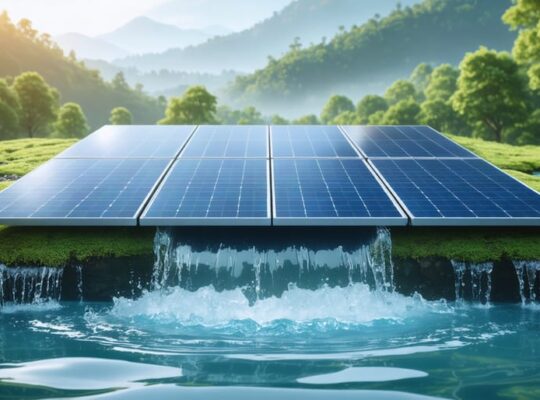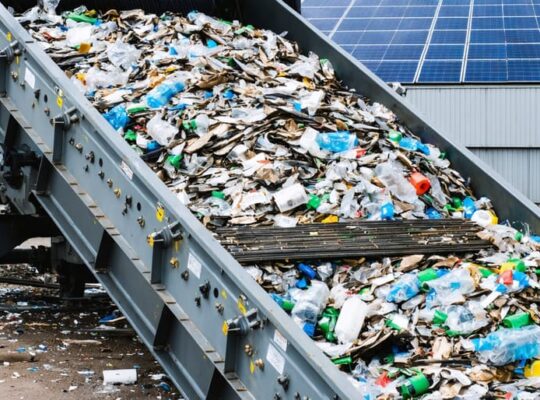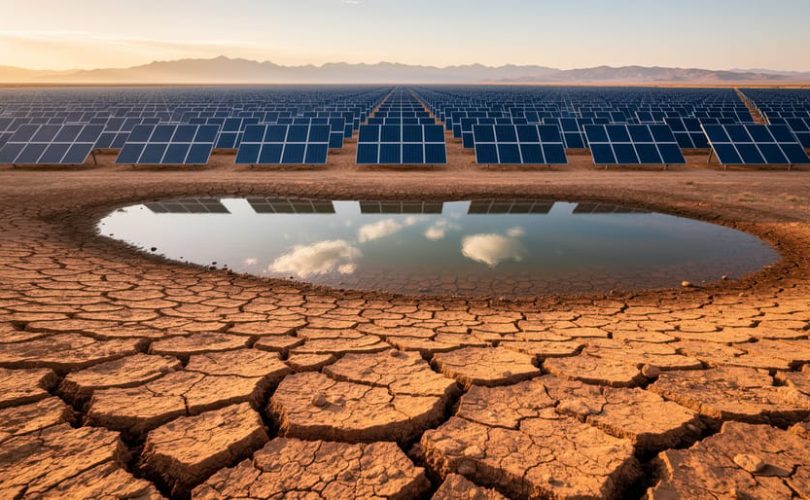
Solar energy stands as one of humanity’s most promising pathways to decarbonization, yet this renewable technology carries environmental costs that demand honest examination. While photovoltaic systems generate electricity without emissions during operation, their lifecycle presents significant environmental challenges, particularly regarding water consumption, land use, and material extraction.
The solar industry’s water footprint extends across multiple stages of production and deployment. Manufacturing photovoltaic panels requires substantial water volumes for silicon purification, wafer cutting, and chemical processing, with estimates ranging from 50 to 200 gallons per megawatt-hour of electricity produced over a panel’s lifetime. Concentrated solar power facilities consuming millions of gallons annually for cooling and mirror washing, often in water-scarce desert regions where solar irradiance peaks. Additionally, the mining operations extracting silicon, silver, and rare earth elements create localized water pollution and depletion concerns in vulnerable ecosystems.
These realities do not diminish solar energy’s critical role in combating climate change, but they underscore the imperative for informed implementation strategies. Understanding the complete environmental profile of solar technology enables industry professionals, researchers, and policymakers to develop targeted mitigation approaches that preserve water resources while advancing renewable energy deployment. This comprehensive examination explores both the quantifiable water impacts of solar energy systems and the emerging solutions that position photovoltaic technology as truly sustainable. Through evidence-based analysis and practical conservation methods, the solar industry can address its environmental challenges while fulfilling its promise as clean energy infrastructure.
The Hidden Water Footprint of Solar PV Systems
Manufacturing Water Demands
Solar panel manufacturing requires substantial water resources throughout the production process, representing a significant environmental consideration in the solar panel lifecycle. The silicon purification stage alone consumes approximately 1,500 to 2,000 liters of ultrapure water per kilogram of polysilicon produced. This process involves multiple washing and rinsing cycles to achieve the 99.9999% purity level required for photovoltaic applications.
Wafer production compounds these water demands significantly. Manufacturing facilities typically utilize 8,000 to 12,000 liters of water per square meter of finished wafers, primarily for cooling systems, chemical processing, and cleaning operations. Research from the National Renewable Energy Laboratory indicates that producing one megawatt of crystalline silicon solar capacity requires between 50,000 and 70,000 gallons of water, depending on manufacturing efficiency and technology employed.
Module assembly contributes additional water consumption through anti-reflective coating application, cleaning procedures, and quality control testing. While less intensive than upstream processes, assembly operations still require 2,000 to 3,000 liters per megawatt of capacity.
These figures become particularly concerning in water-stressed regions where manufacturing facilities operate. Academic studies conducted in collaboration with universities have documented that a typical 5-gigawatt annual production facility consumes approximately 350 million liters of water yearly. However, advancing closed-loop recycling systems and dry processing technologies show promise in reducing manufacturing water footprints by 30-40%, offering pathways toward more sustainable production practices.
Operational Water Consumption
While solar energy produces no emissions during operation, water consumption remains a significant consideration across different solar technologies. The water requirements vary substantially depending on installation type, climate conditions, and maintenance protocols.
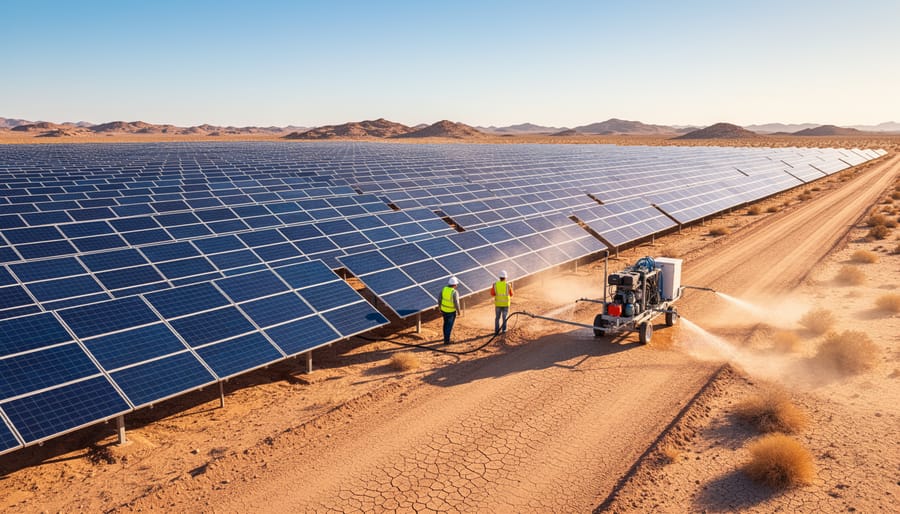
Photovoltaic panel cleaning constitutes the primary water demand for standard solar installations. In arid and semi-arid regions, dust accumulation can reduce panel efficiency by 15-25% monthly, necessitating regular cleaning. Research indicates that utility-scale PV facilities consume approximately 20-50 gallons of water per megawatt-hour annually for cleaning operations. However, this consumption pales in comparison to concentrated solar power (CSP) systems, which require substantial water resources for cooling cycles.
CSP installations using wet-cooling systems consume between 600-900 gallons per megawatt-hour, comparable to conventional thermal power plants. These facilities concentrate sunlight to generate heat, driving turbines that require cooling systems to maintain operational efficiency. In water-scarce regions like the southwestern United States, this consumption raises legitimate sustainability concerns.
Climate zones significantly influence operational water demands. Desert installations face increased cleaning frequencies due to dust storms and minimal rainfall, while humid regions may experience reduced cleaning needs but higher water consumption for preventing biological growth on panels. Some facilities in coastal areas report monthly cleaning requirements, consuming tens of thousands of gallons annually.
Industry collaboration with universities has produced innovative solutions, including dry-cleaning robotics, hydrophobic coatings, and air-based cleaning systems. These technologies can reduce water consumption by 75-90%, demonstrating the sector’s commitment to minimizing environmental impact while maintaining system performance and energy generation efficiency.
Regional Water Stress Considerations
Desert regions paradoxically present both the highest solar potential and the most acute water scarcity challenges. Installing large-scale photovoltaic facilities in these areas intensifies competition for limited water resources, particularly when water-intensive cooling systems are employed in concentrated solar thermal plants. Even traditional PV installations require substantial water for panel cleaning to maintain optimal efficiency, with dust accumulation reducing output by 20-30% in arid climates. The Mojave Desert and Middle Eastern installations exemplify this conflict, where monthly cleaning operations consume thousands of gallons per megawatt. Beyond water contamination concerns, construction activities in water-stressed regions disrupt natural drainage patterns and deplete aquifers already serving agricultural and residential needs. Research indicates that without implementing dry-cleaning technologies or waterless maintenance protocols, solar projects may inadvertently worsen regional water stress, necessitating careful site selection and adoption of water-conserving operational practices to ensure sustainable deployment.
Quantifying the Water Impact: What the Research Shows
Comparative Water Footprint Analysis
Understanding water consumption across energy technologies requires examining lifecycle water intensity measured in gallons per megawatt-hour (MWh) of electricity generated. Solar photovoltaic systems demonstrate remarkably low operational water use, consuming approximately 26 gallons per MWh primarily for panel cleaning and minimal cooling requirements. This positions solar favorably when considering solar energy sustainability from a water perspective.
By comparison, coal-fired power plants with cooling towers consume between 300 to 480 gallons per MWh, while nuclear facilities require 400 to 720 gallons per MWh for cooling processes. Natural gas combined-cycle plants use approximately 180 to 200 gallons per MWh. Even among renewables, concentrated solar power systems utilizing wet cooling consume 600 to 650 gallons per MWh, significantly exceeding photovoltaic systems.
However, manufacturing considerations present a more nuanced picture. Solar panel production requires approximately 2,000 to 3,000 gallons of water per installed kilowatt for silicon purification and wafer processing. When amortized over a 25-year operational lifespan, this translates to roughly 8 to 12 gallons per MWh when combined with operational use.
Wind energy emerges as the lowest water consumer at approximately 1 gallon per MWh throughout its lifecycle, while hydroelectric facilities present variable water impacts through evaporation from reservoirs, ranging from 4 to 18 gallons per MWh depending on climate and reservoir size. These comparative metrics underscore solar PV’s competitive water efficiency advantage over conventional generation methods.
Manufacturing vs. Operational Impact
Research from the National Renewable Energy Laboratory indicates that the manufacturing phase accounts for approximately 90% of total water consumption in the solar PV lifecycle, while operational impacts remain relatively minimal. A comprehensive study published in Environmental Science & Technology found that silicon wafer production alone consumes between 1,500 to 2,200 liters of water per square meter of panel produced, primarily for cooling and cleaning processes during crystal growth and wafer slicing.
Manufacturing water intensity varies significantly by technology type. Monocrystalline silicon production demonstrates higher water requirements compared to thin-film alternatives, with polycrystalline technologies falling in the middle range. Academic research from Arizona State University’s Fulton Schools of Engineering quantifies operational water use at less than 100 liters per MWh for photovoltaic systems, contrasting sharply with manufacturing’s front-loaded consumption.
The geographical location of manufacturing facilities proves critical to overall environmental impact. Facilities situated in water-stressed regions compound sustainability concerns, prompting leading manufacturers to implement closed-loop water recycling systems that can reduce consumption by 70-85%. Understanding this manufacturing-operational divide enables stakeholders to prioritize interventions where water impacts prove most significant throughout the solar value chain.
Proven Strategies for Manufacturing Water Mitigation
Closed-Loop Water Recycling Systems
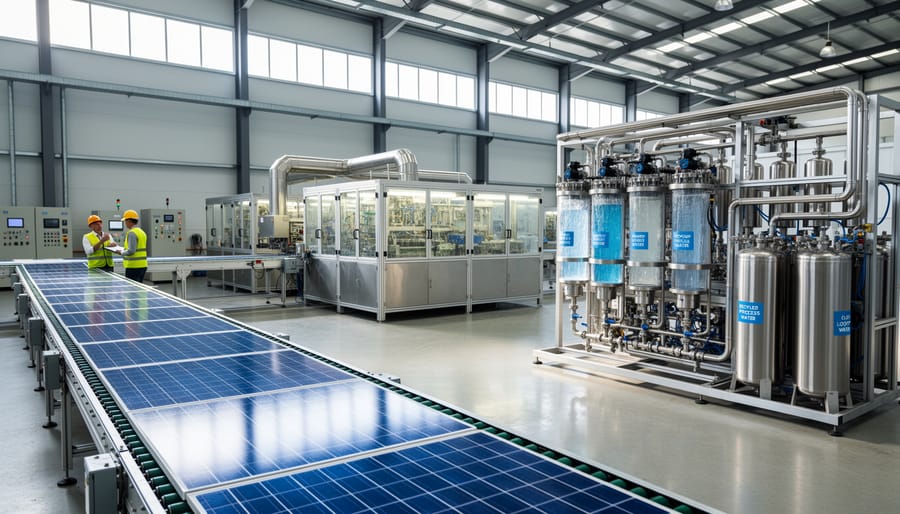
Advanced closed-loop water recycling systems represent one of the most effective strategies for minimizing water consumption in solar panel manufacturing. These systems capture, treat, and recirculate water used in various production processes, dramatically reducing freshwater intake and wastewater discharge. Modern recirculation technologies can achieve water conservation rates between 70-90%, transforming manufacturing facilities from water-intensive operations into models of resource efficiency.
Leading manufacturers have successfully implemented closed-loop systems in cutting, cleaning, and chemical processing stages. First Solar’s manufacturing facilities utilize multi-stage filtration and reverse osmosis systems that recycle approximately 75% of process water, recovering valuable materials while reducing municipal water demand. Similarly, Canadian Solar’s production plants employ ultrafiltration and ion exchange technologies that enable 85% water recirculation rates.
These systems typically incorporate settling tanks, chemical treatment stages, and advanced filtration technologies to remove silicon particles, chemical residues, and contaminants. The purified water meets production quality standards, enabling continuous reuse without compromising manufacturing precision. While initial capital investments range from $500,000 to $2 million depending on facility size, operational savings and regulatory compliance benefits often yield returns within three to five years. Universities collaborating with manufacturers continue advancing these technologies, developing more efficient membrane systems and lower-cost treatment methods accessible to smaller production facilities.
Dry and Semi-Dry Processing Innovations
The photovoltaic industry has developed innovative dry and semi-dry processing techniques that significantly reduce water consumption during solar panel manufacturing. Traditional wet chemical processes, which can consume thousands of gallons per manufacturing batch, are being replaced by more sustainable alternatives that maintain production quality while minimizing environmental impact.
Dry etching technologies represent a major advancement, utilizing plasma-based processes to texture silicon wafers and remove surface contaminants without water. These methods employ gases like sulfur hexafluoride or nitrogen trifluoride in controlled environments, achieving comparable or superior results to conventional wet etching while eliminating wastewater generation entirely.
Alternative cleaning methods have also emerged as viable solutions. Laser-based cleaning systems remove particles and organic residues from wafer surfaces using focused energy beams, requiring no chemical solutions or water rinses. Additionally, cryogenic aerosol cleaning employs solid carbon dioxide particles to dislodge contaminants, leaving no residue and consuming minimal resources.
Universities and research institutions are collaborating with manufacturers to optimize these technologies for commercial-scale production. Educational programs focusing on sustainable manufacturing practices are preparing the next generation of photovoltaic professionals to implement water-conscious processes. As these innovations become more economically viable, industry adoption continues to accelerate, demonstrating the sector’s commitment to reducing its water footprint throughout the manufacturing lifecycle.
Advanced Wastewater Treatment Integration
On-site wastewater treatment systems represent a transformative approach to water management in solar panel manufacturing facilities. These advanced systems employ multi-stage filtration, chemical neutralization, and biological treatment processes to remove contaminants from process water, enabling manufacturers to recycle water through production cycles multiple times before requiring fresh input. Modern treatment installations can achieve water reuse rates exceeding 90%, dramatically reducing both freshwater consumption and discharge volumes.
Leading photovoltaic manufacturers have partnered with university research programs to optimize treatment technologies specifically for semiconductor manufacturing wastewater. These collaborative efforts have produced innovative membrane filtration systems and advanced oxidation processes that effectively remove silicon particulates, chemical residues, and heavy metals from process water. The treated water meets quality standards for reintroduction into non-critical manufacturing stages, creating closed-loop systems that minimize environmental discharge.
Implementation costs for comprehensive treatment systems typically range from $2 million to $10 million depending on facility size, with operational expenses offset by reduced water procurement costs and regulatory compliance benefits. Educational programs offered through industry associations now provide training on treatment system operation and maintenance, ensuring facilities can maximize water recovery rates while maintaining stringent quality control standards throughout the manufacturing process.
Operational Water Conservation Techniques
Waterless Cleaning Technologies
Innovative waterless cleaning technologies represent a significant advancement in reducing the water footprint of solar panel maintenance. Robotic dry cleaning systems utilize rotating microfiber brushes or compressed air to remove dust and debris without water consumption, making them particularly valuable in arid regions where water scarcity compounds environmental concerns. These automated systems can operate during off-peak hours, minimizing disruptions to energy production while achieving cleaning efficiency rates comparable to traditional water-based methods.
Electrostatic cleaning methods employ charged fields to repel dust particles from panel surfaces, offering a passive cleaning solution that requires minimal intervention. This technology works continuously, preventing substantial dust accumulation rather than addressing it after efficiency losses occur. Research conducted through university collaborations has demonstrated electrostatic systems can reduce cleaning frequency by up to 60% in moderate-dust environments.
Nano-coatings provide another promising solution by creating self-cleaning photovoltaic surfaces. These hydrophobic and oleophobic coatings cause water droplets to bead and roll off panels, carrying dust particles with minimal moisture. Advanced formulations enhance anti-soiling properties, extending intervals between manual cleanings from weeks to months. Educational programs focusing on these technologies prepare professionals to implement water-conservation strategies effectively, ensuring solar installations minimize environmental impact while maintaining optimal performance throughout their operational lifespan.

Smart Cleaning Scheduling
Advanced monitoring systems now enable data-driven cleaning schedules that significantly reduce water consumption while maintaining optimal panel performance. Rather than adhering to arbitrary monthly or quarterly cleaning intervals, smart scheduling employs real-time performance metrics, soiling sensors, and weather data to determine precisely when cleaning becomes necessary. Research conducted in collaboration with universities demonstrates that monitoring-based approaches can reduce cleaning frequency by 30-50% compared to fixed schedules, directly translating to substantial water savings. These systems track key performance indicators including power output degradation, spectral response, and environmental conditions to calculate the optimal cleaning point where energy gains justify water expenditure. Advanced algorithms integrate local weather forecasts, identifying natural rain events that can reduce or eliminate cleaning needs. Educational program offerings in photovoltaic system management increasingly emphasize these data-driven methodologies, training professionals to implement condition-based maintenance protocols. By cleaning only when performance degradation reaches predetermined thresholds, facilities avoid unnecessary water use while ensuring energy production remains economically viable, representing a practical solution that balances operational efficiency with environmental responsibility.
Rainwater Harvesting Integration
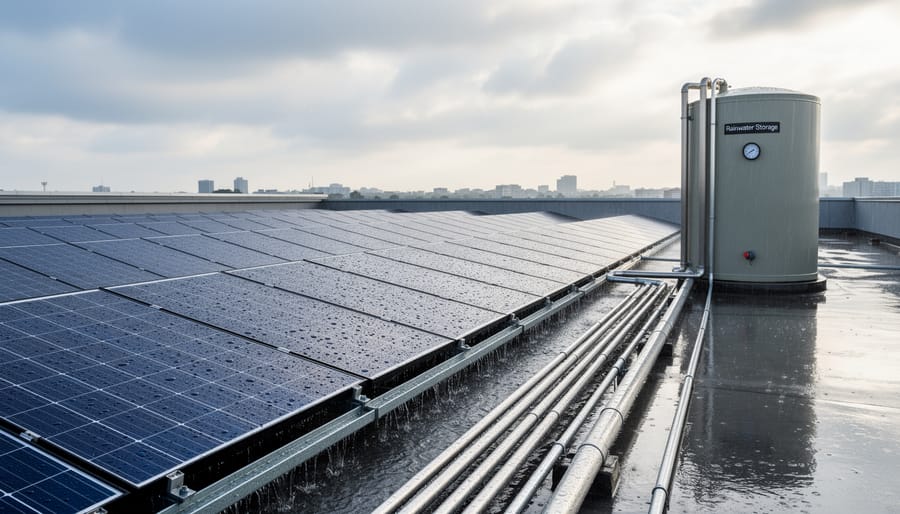
Rainwater harvesting systems represent one of the most sustainable water management solutions for solar panel maintenance. These integrated designs capture precipitation from rooftops or dedicated collection surfaces, channeling it into storage tanks specifically designated for panel cleaning operations. Research from leading universities demonstrates that a properly sized rainwater harvesting system can meet 60-80% of annual cleaning requirements in moderate rainfall regions. The approach eliminates dependency on treated municipal water and protects vulnerable groundwater reserves. Implementation costs typically range from $2,000-$8,000 for residential installations and scale proportionally for commercial arrays. Systems incorporate filtration mechanisms to remove debris and contaminants, ensuring water quality suitable for panel cleaning without damaging photovoltaic surfaces. Educational programs increasingly emphasize rainwater integration as best practice for sustainable solar facility design, particularly in water-stressed regions where conventional sources face increasing pressure.
Alternative Cooling Solutions
Concentrated solar power (CSP) plants and hybrid photovoltaic systems traditionally rely on water-intensive cooling towers, but alternative technologies significantly reduce this environmental burden. Dry cooling systems utilize air-cooled condensers that eliminate water consumption entirely, though they may reduce efficiency by 2-5% in high ambient temperatures. Passive cooling designs incorporate natural ventilation and thermal management through strategic panel placement and heat-dissipating materials. Hybrid wet-dry cooling systems offer a compromise, using air cooling during moderate temperatures and reserving water for peak heat periods, reducing consumption by up to 90%. Additionally, floating solar systems provide inherent cooling benefits through water contact while simultaneously reducing evaporation from reservoirs. Research collaborations between universities and industry developers continue advancing thermoelectric materials and phase-change cooling solutions that require minimal water input. These innovations demonstrate that large-scale solar installations can achieve optimal performance while preserving precious water resources.
Site Selection and Design for Water Conservation
Water Availability Assessments
Comprehensive water availability assessments form the foundation of responsible solar facility site selection, particularly in arid and semi-arid regions where water resources face existing pressures. These evaluations should analyze baseline water availability, competing demands from agriculture and municipal use, projected climate impacts, and seasonal variability patterns. Industry best practices recommend engaging with local water management authorities and conducting hydrological surveys before project approval. Assessment frameworks should incorporate the Water Stress Index methodology developed by the World Resources Institute, which identifies regions where water demand exceeds available supply. For solar installations in water-stressed areas, priority should be given to dry-cooling technologies and waterless cleaning methods to minimize consumption. Academic research collaborations with universities have produced standardized assessment protocols that balance renewable energy development with watershed protection. Regional water boards increasingly require Environmental Impact Reports that specifically address cumulative water effects from multiple solar projects. By establishing rigorous pre-development assessments, the photovoltaic industry can proactively avoid exacerbating water scarcity while advancing clean energy goals in vulnerable ecosystems.
Native Vegetation and Ground Cover Strategies
Strategic implementation of native vegetation around solar installations offers dual environmental benefits: reducing water consumption while minimizing dust generation that necessitates panel cleaning. Research conducted through university collaborations demonstrates that low-growing native grasses and groundcovers adapted to regional precipitation patterns can stabilize soil effectively without irrigation infrastructure. These drought-tolerant species develop extensive root systems that bind soil particles, reducing airborne dust by up to 40% compared to bare ground installations. Additionally, native plantings support local pollinator populations and wildlife corridors without competing for agricultural water resources. Educational programs now teach professionals to select species based on height restrictions, ensuring minimal shading while maximizing ecological function. This approach transforms solar sites into productive habitat zones rather than ecological deserts, addressing criticism about land degradation. Implementation requires initial soil assessment and species selection expertise, but maintenance demands remain minimal after establishment. The strategy proves particularly effective in arid regions where water scarcity intensifies environmental concerns, demonstrating that properly designed solar facilities can enhance rather than diminish local ecosystem health.
Mose Solar’s Commitment to Water-Conscious Manufacturing
Technology Integration Across Product Lines
Mose Solar has implemented comprehensive water conservation technologies across all manufacturing lines to address the water-intensive nature of photovoltaic production. In monocrystalline silicon wafer production, closed-loop cooling systems recirculate water during the Czochralski crystal growth process, reducing freshwater consumption by approximately 60%. Multi-crystalline manufacturing facilities employ advanced filtration systems that purify and reuse water from the wire sawing process, where silicon ingots are sliced into wafers. For high-efficiency PERC (Passivated Emitter and Rear Cell) panel production, which traditionally requires extensive rinsing during the surface passivation process, Mose Solar utilizes cascade rinsing techniques and ultrapure water regeneration systems. These integrated approaches reduce water waste while maintaining the stringent quality standards required for optimal panel performance. Through collaboration with leading universities, the company continues refining these water-saving protocols, with research findings incorporated into educational programs that train the next generation of photovoltaic professionals in sustainable manufacturing practices.
Educational Program Coverage
Mose Solar addresses the critical need for water-conscious solar installation practices through comprehensive university partnerships that integrate environmental stewardship into professional training. Our collaborative educational program equips aspiring photovoltaic professionals with specialized knowledge in water impact mitigation strategies, covering topics from drought-sensitive site selection to waterless panel cleaning technologies and proper chemical handling protocols. Students gain hands-on experience with xeriscaping techniques for solar facilities, stormwater management systems, and manufacturing process optimization that minimizes freshwater consumption. The curriculum emphasizes real-world application of water conservation methods specific to the solar industry, ensuring graduates enter the workforce prepared to implement environmentally responsible practices. Through these academic collaborations, Mose Solar contributes to developing a generation of PV professionals who understand that renewable energy deployment must include comprehensive water resource protection measures to achieve true environmental sustainability.
Future Innovations on the Horizon
Next-Generation Manufacturing Processes
The solar manufacturing industry is pioneering breakthrough techniques that dramatically reduce water consumption during production. Advanced silicon purification methods now under development utilize dry processing technologies that minimize water requirements by up to 90% compared to conventional approaches. These innovations include fluidized bed reactors for polysilicon production and plasma-based purification systems that eliminate traditional water-intensive chemical processes.
Leading manufacturers are collaborating with universities to refine atmospheric pressure chemical vapor deposition techniques, which require significantly less cooling water than traditional methods. Closed-loop cooling systems are becoming standard in next-generation facilities, recycling process water multiple times before discharge. Additionally, researchers are exploring alternative semiconductor materials like perovskites that demand substantially less energy and water during fabrication. Several pilot programs have demonstrated that integrating artificial intelligence for process optimization can reduce overall water usage by 40-60% while maintaining production quality. These technological advancements, coupled with educational program offerings focused on sustainable manufacturing practices, position the solar industry to achieve near-zero water impact production within the next decade.
Self-Cleaning Panel Technologies
Innovative self-cleaning panel technologies represent a breakthrough in eliminating water-dependent maintenance. Biomimetic coatings, inspired by the lotus leaf effect, create superhydrophobic surfaces where water droplets naturally roll off panels, carrying dust and debris with them. Research collaborations between industry leaders and universities have developed titanium dioxide nanocoatings that harness photocatalytic properties, breaking down organic contaminants through UV light exposure. These treatments maintain panel efficiency while reducing cleaning frequency by up to 90 percent in field tests. Advanced electrostatic repulsion systems prevent particle adhesion without requiring water or chemical cleaners. While initial coating costs remain higher than traditional methods, lifecycle analyses demonstrate significant water savings and reduced operational expenses. Early adopters in water-scarce regions report maintained energy output with near-zero water consumption for panel maintenance, making these technologies particularly valuable for desert installations and drought-prone areas where water conservation is critical.
While solar energy does impact water resources during manufacturing, installation, and maintenance, the evidence clearly demonstrates that these challenges are manageable and significantly less severe than those associated with conventional energy generation. When viewed across the complete lifecycle, photovoltaic systems consume substantially less water than fossil fuel and even some renewable alternatives, particularly when water-efficient technologies and best practices are implemented.
The photovoltaic industry has both the responsibility and the technological capability to minimize water consumption throughout all development phases. Emerging innovations in manufacturing processes, dry cleaning technologies, and water recycling systems prove that environmental stewardship and solar expansion can coexist successfully. Educational institutions partnering with industry leaders are already advancing research into next-generation water conservation techniques, ensuring that future photovoltaic professionals enter the field equipped with sustainability knowledge.
For industry stakeholders, the path forward is clear: integrate water conservation into project planning from conception through decommissioning. This means specifying water-efficient manufacturing processes, implementing dry or minimal-water cleaning protocols, and designing installations that account for local water availability. Researchers and academic institutions must continue developing and disseminating best practices through collaborative programs that bridge theoretical knowledge with practical application.
The solar industry’s commitment to addressing its water footprint strengthens rather than diminishes its environmental credentials. By proactively implementing mitigation strategies, photovoltaic professionals demonstrate that renewable energy development can be truly sustainable, setting standards that benefit both the industry and the planet’s finite water resources.