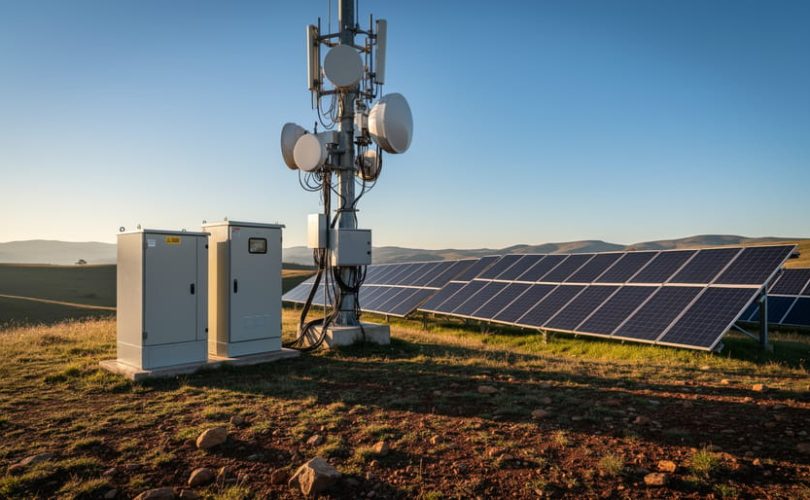
Telecommunications infrastructure forms the backbone of global connectivity, yet a persistent challenge threatens network reliability: power availability in remote and off-grid locations. Cell towers, base stations, and network equipment require constant electricity to maintain uninterrupted service, but extending traditional grid connections to rural sites proves economically unfeasible and operationally complex. Diesel generators—the conventional backup solution—introduce substantial operating costs, maintenance burdens, environmental concerns, and supply chain vulnerabilities that directly impact service quality and profitability.
Photovoltaic systems have emerged as the definitive solution for powering telecommunications infrastructure in challenging locations. Solar installations now provide primary or backup power to thousands of cell sites worldwide, transforming how network operators approach energy security. The integration of PV technology with telecommunications equipment addresses multiple operational imperatives simultaneously: reducing energy expenditures by 40-70%, eliminating fuel logistics complications, minimizing carbon footprints, and ensuring 24/7 network uptime through hybrid configurations with battery storage.
Understanding the specialized requirements of telecom-PV integration demands technical knowledge beyond standard solar installations. Network equipment requires precise voltage regulation, uninterruptible power delivery, and environmental monitoring capabilities that distinguish telecom applications from residential or commercial projects. System designers must account for varying load profiles, equipment sensitivity, redundancy requirements, and harsh environmental conditions while optimizing for total cost of ownership over 20-25 year operational lifespans.
This comprehensive examination explores how photovoltaic technology specifically serves telecommunications infrastructure needs, from technical specifications and design considerations to real-world implementation strategies. Whether you are a network engineer evaluating power options, an infrastructure planner seeking sustainable solutions, or a renewable energy professional entering the telecommunications sector, this guide provides the practical framework necessary for successful telecom-solar integration.
The Power Challenge Facing Telecommunications Infrastructure
Continuous Power Demands of Network Equipment
Telecommunications networks operate continuously, creating an absolute requirement for reliable, uninterrupted power supply. Unlike many commercial facilities that can tolerate brief outages, network equipment including base stations, cell towers, switching centers, and data transmission systems must maintain 24/7 operation to ensure communication services remain accessible during emergencies, business operations, and daily connectivity needs.
Power consumption patterns in telecommunications infrastructure vary significantly based on equipment type and network load. A typical cell tower consumes between 2 to 5 kilowatts continuously, while larger base stations and switching facilities may require 10 to 50 kilowatts or more. This constant demand translates to substantial operational costs and environmental impact when powered solely by grid electricity or diesel generators.
The consequences of power interruptions extend beyond inconvenience. Network downtime disrupts emergency services, compromises business communications, and creates significant financial losses through service level agreement penalties and customer churn. Studies indicate that a single hour of downtime at a major telecommunications facility can cost upwards of $100,000 when considering lost revenue, restoration expenses, and reputational damage. These critical factors drive telecommunications providers to seek redundant, sustainable power solutions that combine grid connectivity with renewable energy sources and battery backup systems to guarantee continuous operation under all conditions.
Geographic and Logistical Complications
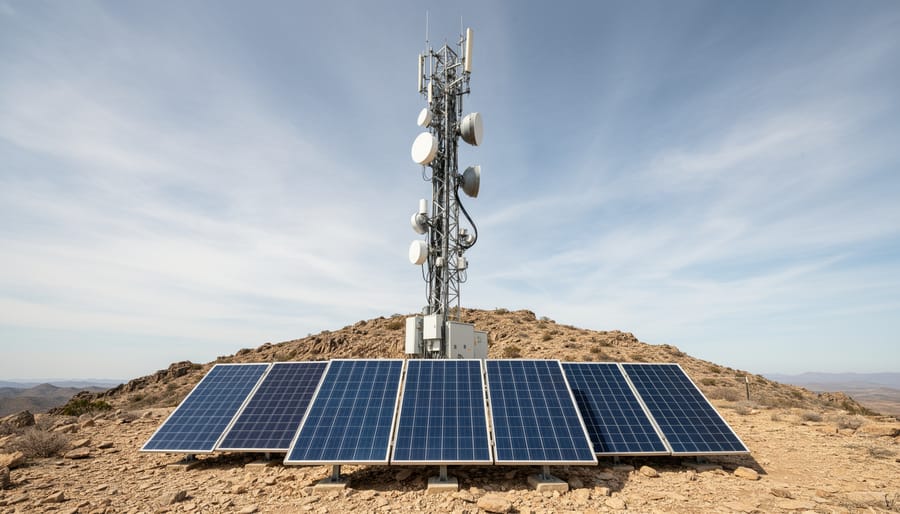
Telecommunications infrastructure faces significant challenges in remote and underserved regions where traditional grid connectivity remains unreliable or entirely absent. Cell towers positioned in mountainous terrain, desert landscapes, island communities, and rural areas often operate beyond the reach of conventional electrical infrastructure, creating substantial operational hurdles for network providers. These geographic constraints necessitate innovative power solutions that can function independently while maintaining the continuous connectivity demands of modern telecommunications networks.
Transportation logistics compound these challenges, as remote tower sites require costly fuel deliveries for diesel generators, often involving hazardous routes and unpredictable weather conditions. In developing markets, inadequate road infrastructure and security concerns further escalate operational expenses and maintenance complexities. Grid-connected sites in regions with unstable electrical systems experience frequent outages, voltage fluctuations, and power quality issues that threaten sensitive telecommunications equipment and service reliability.
Photovoltaic systems integrated with battery storage present a compelling solution to these geographic and logistical barriers. Proper off-grid solar system design enables telecommunications providers to establish self-sufficient power infrastructure that eliminates fuel delivery requirements, reduces operational complexity, and ensures consistent energy supply regardless of grid availability. Solar installations prove particularly advantageous in equatorial and high-irradiance regions where abundant sunlight resources align perfectly with telecommunications expansion priorities. By addressing power challenges at the infrastructure level, PV-equipped telecommunications systems enhance network resilience while reducing the environmental footprint and total cost of ownership for operators serving geographically challenging markets.
How Specialized PV Systems Meet Telecommunications Needs
Key Technical Requirements for Telecom PV Systems
Telecommunications infrastructure demands photovoltaic systems engineered to meet stringent operational parameters. Understanding these technical requirements ensures reliable power delivery and system longevity in mission-critical applications.
Voltage specifications typically range from 12V to 48V DC, matching standard telecommunications equipment configurations. Most cellular base stations operate on 48V systems, requiring PV arrays designed with appropriate series and parallel configurations to deliver consistent voltage under varying irradiance conditions. Charge controllers must incorporate precise voltage regulation, preventing both undervoltage scenarios that interrupt service and overvoltage conditions that damage sensitive electronics.
Capacity sizing necessitates careful load analysis accounting for continuous baseload requirements, peak transmission periods, and backup duration needs during grid outages. Industry best practices recommend sizing battery storage for minimum 24-48 hours of autonomous operation, with PV array capacity calculated to recharge batteries while simultaneously powering equipment. Redundancy factors typically add 20-30% margin above calculated requirements.
Extreme weather resilience stands paramount given remote tower locations exposed to harsh environmental conditions. Systems must withstand wind loads exceeding 150 mph in hurricane-prone regions, operate across temperature ranges from -40°C to 85°C, and resist corrosion in coastal installations. IP65 or higher ingress protection ratings protect critical components from dust and moisture infiltration.
Electromagnetic compatibility represents another crucial consideration. PV systems must not generate radio frequency interference affecting telecommunications signals, requiring proper grounding, shielding, and adherence to EMC standards. Integration with existing backup generators and utility connections demands sophisticated control systems enabling seamless transition between power sources while maintaining uninterrupted service delivery.
Hybrid Systems: Solar Plus Battery Storage
Telecommunications infrastructure demands uninterrupted power availability, making hybrid solar systems an optimal solution for remote sites and critical network facilities. These integrated configurations combine photovoltaic arrays with battery energy storage systems and conventional backup generators to ensure 24/7 operational continuity regardless of weather conditions or time of day.
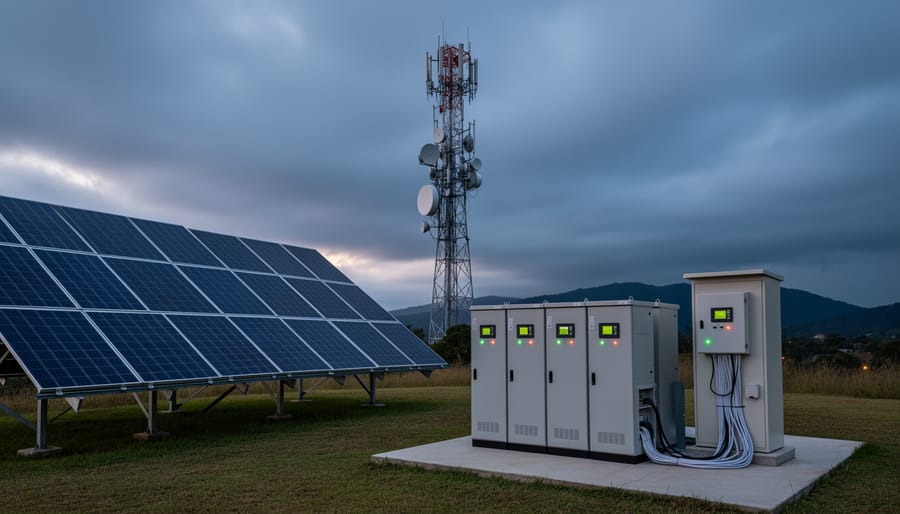
During daylight hours, PV panels generate electricity to power telecommunications equipment while simultaneously charging battery banks. Advanced charge controllers manage this dual function, optimizing energy distribution and preventing battery overcharging. When solar production decreases or ceases due to nighttime or adverse weather, stored battery energy maintains operations seamlessly. Modern lithium-ion battery systems offer superior cycle life and depth-of-discharge capabilities compared to traditional lead-acid alternatives, reducing maintenance requirements and extending system lifespan.
The integration layer includes intelligent power management systems that monitor energy availability, load demands, and battery state-of-charge in real time. When battery reserves reach predetermined thresholds, backup diesel or propane generators activate automatically, ensuring zero service interruption. This tiered approach minimizes generator runtime and fuel consumption, typically reducing operational costs by 60-80 percent compared to generator-only configurations.
System sizing requires careful analysis of site-specific factors including average solar radiation, seasonal variations, equipment power draw, desired autonomy periods, and backup generator capacity. Professional system designers utilize sophisticated modeling software to optimize component selection and configuration, balancing initial investment against long-term operational savings and reliability objectives.
Monocrystalline vs. Multi-Crystalline Modules for Telecom Applications
Selecting appropriate photovoltaic technology for telecommunications applications requires careful evaluation of site-specific constraints and performance requirements. Monocrystalline modules typically achieve 18-22% efficiency, making them ideal for telecom installations with limited rooftop or ground space. Their superior power density allows operators to generate more electricity within confined areas, a critical advantage for urban cell towers and remote base stations.
Multi-crystalline modules, offering 15-17% efficiency at lower costs, remain viable for installations where space is abundant and budget considerations are paramount. However, telecommunications infrastructure increasingly favors monocrystalline technology due to its enhanced performance in high-temperature environments and low-light conditions. This reliability proves essential for maintaining consistent power to mission-critical communications equipment.
The superior temperature coefficient of monocrystalline panels ensures more stable output during peak demand periods, reducing dependency on backup systems. For telecommunications operators prioritizing long-term reliability and space optimization, monocrystalline modules represent the industry standard, despite higher initial investment. Multi-crystalline alternatives suit budget-conscious projects where installation area poses no limitation.
Real-World Benefits: Cost, Reliability, and Sustainability
Operational Cost Savings and ROI
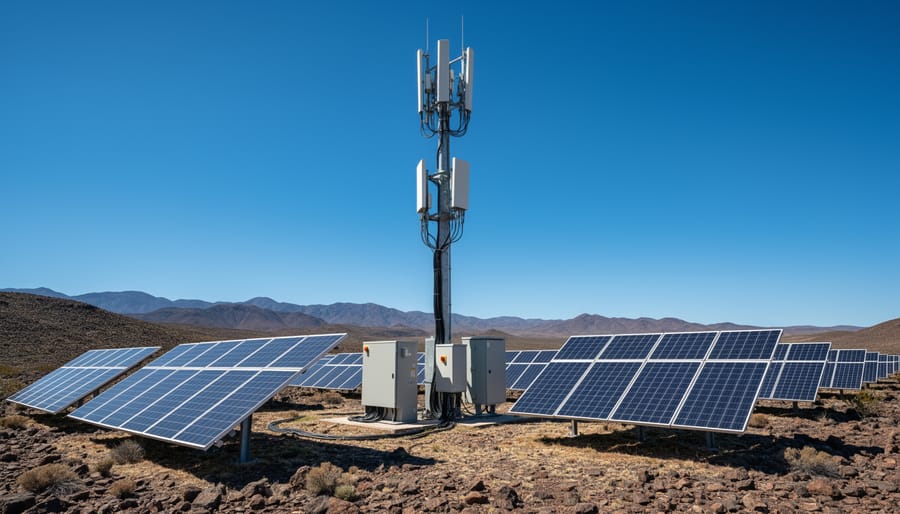
Solar-powered telecommunications infrastructure delivers substantial operational cost savings by eliminating fuel expenses for diesel generators, which can account for 30-50% of remote site operating costs. Traditional generator-powered sites require regular fuel deliveries to remote locations, often at premium prices due to transportation challenges. By contrast, photovoltaic systems harness free solar energy, immediately reducing recurring fuel expenditures to zero.
Maintenance requirements decrease significantly with PV installations compared to generator-dependent systems. Diesel generators require frequent oil changes, filter replacements, and mechanical repairs, typically necessitating technician visits every 2-3 months. Solar panels and battery systems require minimal maintenance—primarily periodic cleaning and annual inspections—reducing service call frequency by up to 70%.
Typical payback periods for telecom PV installations range from 3-7 years, depending on site location, solar irradiance levels, and previous fuel consumption patterns. Sites in remote regions with high fuel transportation costs often achieve payback within 3-4 years. After the initial investment recovery, systems continue generating savings for 20-25 years of operational life. Network operators report total cost of ownership reductions of 40-60% over system lifetimes, making photovoltaic solutions increasingly attractive for both new installations and retrofitting existing telecommunications infrastructure.
Enhanced Network Reliability and Uptime
Solar-powered telecommunications infrastructure significantly enhances network reliability by eliminating dependency on traditional fuel supply chains and unstable grid connections. In remote or disaster-prone regions, diesel fuel deliveries can be disrupted by weather events, transportation challenges, or logistical constraints, causing immediate service interruptions. Solar PV systems provide continuous, autonomous power generation that operates independently of these vulnerable supply networks.
The integration of battery storage with solar arrays creates hybrid systems capable of maintaining operations during extended grid outages or peak demand periods. This autonomous capability proves particularly valuable for remote PV installations where grid access is limited or non-existent. Network operators report uptime improvements exceeding 99.5% when implementing properly designed solar solutions, compared to 95-97% with diesel-dependent systems.
Furthermore, solar installations reduce maintenance-related downtime since photovoltaic systems have no moving parts and require minimal servicing compared to generator sets. This reliability advantage translates directly into improved customer satisfaction, reduced service level agreement penalties, and enhanced network reputation. For telecommunications providers, consistent uptime represents both operational efficiency and competitive differentiation in increasingly demanding markets where connectivity expectations continue rising.
Environmental Impact and Corporate Sustainability Goals
Telecommunications companies face mounting pressure to reduce their environmental footprint while expanding network coverage. Photovoltaic-powered infrastructure directly addresses these challenges by eliminating diesel generator emissions, which typically produce 2.68 kg of CO2 per liter of fuel consumed. A single solar-powered cell tower can prevent approximately 15-20 tons of carbon dioxide emissions annually compared to diesel alternatives, supporting corporate commitments to environmental sustainability.
Beyond carbon reduction, solar installations eliminate noise pollution associated with generator operation, benefiting both nearby communities and wildlife habitats. This silent operation proves particularly valuable for towers located in residential areas or protected ecological zones. Major telecommunications providers have integrated PV systems into their sustainability roadmaps, with several companies pledging to achieve net-zero emissions by 2040. The transition to solar infrastructure enables operators to meet these ambitious targets while reducing operational costs by 60-80% over system lifespans. Universities partnering with industry leaders are documenting these environmental benefits through long-term field studies, providing verifiable data that reinforces the business case for renewable energy adoption in telecommunications networks.
Design Considerations and Implementation Best Practices
Site Assessment and Solar Resource Evaluation
Comprehensive site assessment forms the foundation of successful telecommunications solar installations. Begin by conducting a detailed solar resource evaluation using specialized tools such as pyranometers or solar pathfinders to measure available irradiance at the specific location. Document the site’s geographical coordinates, elevation, and local climate patterns to establish baseline solar potential.
Shading analysis proves critical for telecommunications sites, where existing towers, equipment shelters, and adjacent structures can significantly impact panel performance. Perform both seasonal and daily shading studies to identify optimal mounting locations. Consider using software-based tools that model sun paths throughout the year, accounting for obstacles that may cast shadows during peak generation hours.
Evaluate physical space constraints carefully, as telecommunications facilities often have limited available area. Assess roof load capacity on equipment shelters, ground-mounting possibilities, and potential for tower-mounted solutions. Document structural conditions, ensuring surfaces can support additional PV system weight and wind loads.
Orientation and tilt angles directly affect energy yield. While south-facing installations typically maximize output in the Northern Hemisphere, telecommunications sites may require compromise positions due to spatial limitations. Calculate expected energy production for various configurations, balancing optimal orientation against practical site constraints to achieve maximum return on investment.
System Sizing and Configuration
Proper system sizing and configuration forms the foundation of reliable telecommunications power systems. Engineers must begin by conducting comprehensive load assessments that account for all equipment power requirements, including base transceiver stations, microwave equipment, cooling systems, and monitoring devices. Peak and average power consumption patterns should be documented across 24-hour cycles and seasonal variations.
PV array sizing requires calculating daily energy consumption in kilowatt-hours, then factoring in system losses, typically 20-25%, and local solar irradiance data. Battery bank capacity must provide adequate autonomy days, usually ranging from 3-5 days for remote sites to ensure continuous operation during extended periods of low sunlight or equipment maintenance. Industry best practices recommend using deep-cycle batteries rated for telecommunications applications, with capacity calculated based on depth of discharge limits and temperature derating factors.
Backup diesel generators should be integrated for extended outage scenarios, with automatic transfer switches ensuring seamless power transitions. System designers must also incorporate sufficient charge controller capacity, typically 125% of array output, and properly sized inverters matching critical load requirements with appropriate surge capacity margins.
Monitoring and Maintenance Protocols
Remote monitoring systems form the backbone of effective telecommunications PV maintenance, enabling real-time performance tracking through SCADA platforms and IoT-enabled sensors. These systems continuously measure critical parameters including voltage output, current levels, battery state-of-charge, and panel temperature, transmitting data to centralized control centers for immediate analysis. Preventive maintenance protocols typically follow quarterly inspection schedules for off-grid installations, encompassing panel cleaning, connection point verification, battery electrolyte checks, and inverter diagnostics. Network operators implement performance optimization strategies by analyzing generation patterns against predicted outputs, identifying underperforming components before complete failure occurs. Advanced predictive maintenance algorithms now leverage machine learning to forecast equipment degradation, reducing unplanned downtime by up to 40 percent. Integration with existing network management systems allows telecommunications engineers to monitor both power infrastructure and communication equipment through unified dashboards, streamlining operational efficiency. Universities collaborating with industry leaders develop certification programs teaching these monitoring methodologies, preparing the next generation of renewable energy professionals to maintain increasingly complex hybrid power systems supporting critical telecommunications networks.
Educational Pathways for PV Professionals in Telecommunications
Skills and Knowledge Required
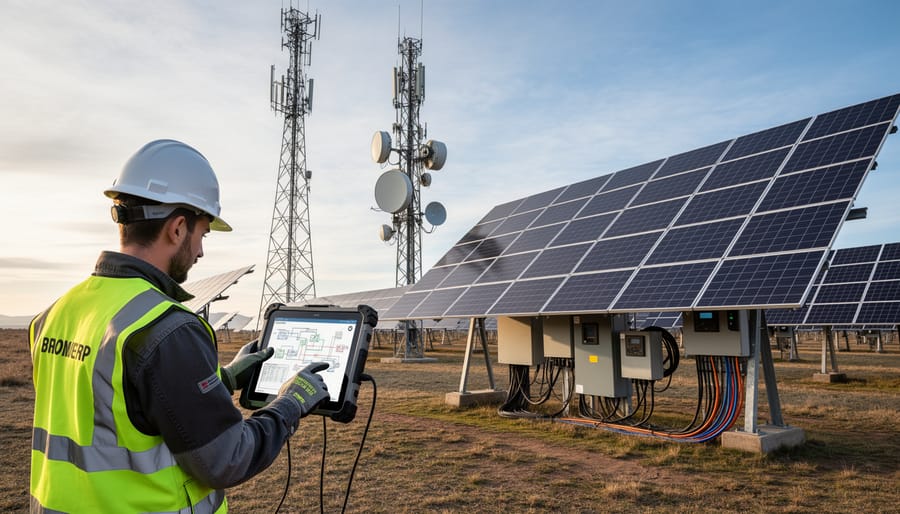
Professionals entering this specialized field require a multifaceted skill set that bridges telecommunications and renewable energy expertise. A comprehensive understanding of telecommunications power systems forms the foundation, including knowledge of backup power requirements, load calculations, and continuous uptime demands. Proficiency in photovoltaic system design is essential, encompassing site assessment, solar resource analysis, panel selection, and system sizing specific to telecom applications. Competency in hybrid energy system integration enables practitioners to effectively combine solar arrays with existing grid connections, battery storage, and backup generators. Additional valuable skills include battery management systems knowledge, remote monitoring technologies, and understanding of regulatory standards for both telecommunications and renewable energy installations. Familiarity with power electronics, DC-DC converters, and charge controllers specific to telecom voltage requirements enhances practical implementation capabilities. Many universities and technical institutions now offer specialized programs combining renewable energy and telecommunications infrastructure, providing aspiring professionals with targeted education. Mose Solar collaborates with academic institutions to support educational pathways that develop these critical competencies, preparing the next generation of professionals for this growing sector.
University-Developed Training Programs
Educational institutions play a vital role in bridging the knowledge gap between traditional photovoltaic applications and specialized telecommunications infrastructure requirements. Recognizing this need, Mose Solar has established collaborative partnerships with leading universities to develop comprehensive training programs tailored specifically for aspiring PV professionals interested in telecom applications.
These university-developed programs combine theoretical foundations with hands-on experience, covering critical topics such as off-grid system design, battery integration strategies, power management for continuous uptime, and electromagnetic compatibility considerations unique to telecommunications equipment. Students gain practical skills through laboratory exercises that simulate real-world telecom tower installations, learning to calculate load requirements, size battery banks appropriately, and implement monitoring systems that ensure reliable operation.
The curriculum also addresses emerging technologies including hybrid solar-wind systems for remote sites, advanced energy storage solutions, and predictive maintenance protocols. Through these partnerships, graduates emerge equipped with specialized knowledge that directly translates to career opportunities in the growing field of sustainable telecommunications infrastructure, positioning them as valuable assets to network operators and infrastructure development companies seeking professionals who understand both renewable energy systems and telecommunications power requirements.
The integration of specialized photovoltaic systems into telecommunications infrastructure represents a fundamental shift in how modern networks are powered and maintained. As wireless connectivity becomes increasingly vital to global commerce, emergency services, and daily communication, the reliability and resilience offered by solar-powered telecommunications installations are no longer optional luxuries but essential components of critical infrastructure.
The trajectory of adoption clearly indicates accelerating growth across both developed and emerging markets. Telecommunications operators have recognized that the economic case for solar integration extends far beyond simple fuel cost savings. When factoring in reduced maintenance requirements, enhanced network uptime, lower carbon footprints, and decreased vulnerability to grid instability, specialized PV systems deliver compelling return on investment that strengthens with each passing year. Remote and off-grid installations have already demonstrated that solar-telecommunications integration can achieve reliability metrics exceeding 99.9 percent, establishing a new benchmark for network performance.
For professionals entering this specialized field, the importance of comprehensive training cannot be overstated. The convergence of photovoltaic engineering and telecommunications technology demands expertise spanning multiple disciplines, from power electronics and battery management systems to RF propagation and network architecture. Universities and technical institutions are increasingly developing curriculum that addresses this intersection, while industry certification programs provide practical pathways for career development. As telecommunications networks continue expanding globally, professionals equipped with specialized knowledge in solar-powered telecommunications infrastructure will find themselves positioned at the forefront of two of the twenty-first century’s most dynamic industries, contributing to both technological advancement and environmental sustainability.