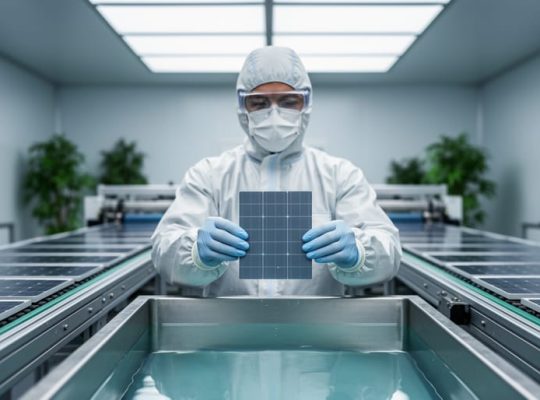
Solar energy stands at the forefront of renewable technology discussions, yet its true sustainability credentials warrant careful examination. As global photovoltaic installations surge past 1,000 gigawatts, understanding the renewable nature of solar power becomes increasingly critical for our energy future. This analysis delves into the complex interplay between solar technology’s renewable energy generation and the finite resources required for its manufacture.
At its core, solar power harnesses an inexhaustible energy source – the sun’s radiation – but the sustainability equation extends beyond mere energy production. Modern photovoltaic systems rely on silicon, silver, and rare earth elements, raising important questions about resource availability and manufacturing sustainability. While these materials are finite, technological innovations in recycling and material recovery are rapidly evolving to address long-term sustainability concerns.
Current research indicates that solar panels can recover their environmental manufacturing footprint within 1-4 years of operation, while providing clean energy for 25-30 years. This favorable energy return on investment, combined with advancing recycling technologies and decreasing manufacturing impacts, positions solar power as a cornerstone of renewable energy infrastructure, despite the complexities surrounding its production process.
The Core Components of Solar PV Systems
Silicon-Based Materials
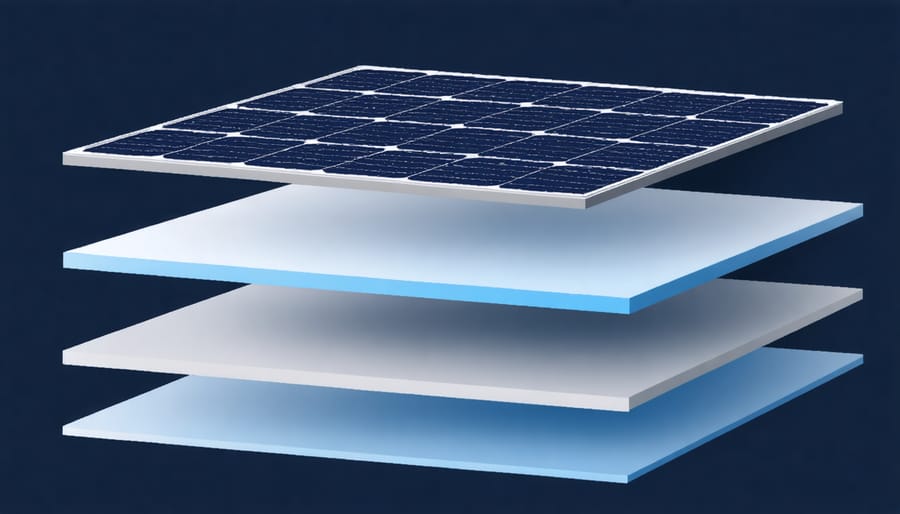
Silicon remains the primary material in photovoltaic cell production, accounting for approximately 95% of all solar panels manufactured globally. The production process begins with the extraction of silicon dioxide (silica) from quartz, which undergoes refinement to produce metallurgical-grade silicon. This is further purified into solar-grade silicon through chemical processes.
While silicon is the second most abundant element in Earth’s crust, the energy-intensive purification process raises sustainability concerns. The conversion of raw silica into solar-grade silicon requires temperatures exceeding 1,500°C and multiple chemical treatments. However, technological advancements have significantly improved manufacturing efficiency, reducing both energy consumption and production costs by approximately 75% over the past decade.
The renewable aspect of silicon-based solar materials lies in their longevity and recyclability. Modern solar panels have an operational lifespan of 25-30 years, and up to 95% of their silicon content can be recovered and repurposed through specialized recycling processes. Manufacturers are increasingly implementing circular economy principles, developing methods to reclaim and reuse silicon from decommissioned panels, thereby enhancing the overall sustainability of solar technology.
Metal Components and Framework
Solar photovoltaic systems rely heavily on various metal components that form their structural and functional framework. The primary metals used include aluminum for the mounting system and frame, copper for wiring and conductors, and silver for electrical contacts. These metals play crucial roles in system efficiency and durability, with aluminum providing lightweight yet robust support, copper ensuring optimal electrical conductivity, and silver enabling effective electron transfer.
While these metals are finite resources, their recyclability significantly contributes to solar energy’s renewable status. Modern recycling processes can recover up to 95% of semiconductor materials and metals from solar panels. Aluminum frames and mounting structures are particularly recyclable, with recovery rates exceeding 90%. Copper wiring can be extracted and repurposed with minimal quality loss, making it highly sustainable in the long term.
The industry is actively developing technologies to improve metal recovery rates and reduce primary metal consumption in manufacturing. Innovations include reducing silver content through advanced cell designs and developing alternative conducting materials. These efforts, combined with established recycling infrastructure, help ensure the long-term sustainability of metal resources in solar PV systems.
Resource Sustainability in PV Manufacturing
Raw Material Availability
The long-term viability of solar energy depends significantly on the availability of essential raw materials used in photovoltaic (PV) manufacturing. Silicon, the primary material used in most solar panels, is abundantly available as it constitutes approximately 27% of the Earth’s crust. This widespread availability ensures a sustainable supply chain for crystalline silicon solar cells, which currently dominate the market.
However, certain critical materials used in solar panel production raise sustainability concerns. These include silver, used for electrical contacts, and rare earth elements required for specialized solar technologies. While silver usage per cell has decreased through technological improvements, its limited global supply necessitates continued innovation in alternative materials and manufacturing processes.
Thin-film solar technologies, which use materials like cadmium telluride (CdTe) and copper indium gallium selenide (CIGS), face more significant resource constraints. Tellurium and indium, in particular, are relatively scarce elements with limited global reserves. This scarcity has prompted research into material alternatives and efficiency improvements in extraction and processing methods.
The industry has responded to these challenges through various initiatives, including reduced material usage per panel, improved manufacturing efficiency, and the development of alternative materials. Additionally, emerging technologies like perovskite solar cells show promise in utilizing more abundant materials, potentially addressing long-term resource availability concerns while maintaining or improving solar panel efficiency.
Manufacturing Energy Balance
The energy balance of solar photovoltaic systems is a critical factor in determining their renewable status. When analyzing manufacturing processes, we must consider the energy invested in production versus the energy generated over the system’s lifetime.
Modern solar panels typically achieve energy payback periods of 1-4 years, depending on the technology type and geographical location. Crystalline silicon panels, the most common type, generally repay their manufacturing energy debt within 2 years in average solar conditions. This means they produce 12-15 times their embodied energy over their 25-30 year lifespan.
The energy return on energy invested (EROI) for solar PV systems has improved significantly with technological advancements. Current EROI ratios range from 8:1 to 15:1, comparing favorably with conventional energy sources. Manufacturing efficiency improvements, including automated production lines and optimized material usage, have reduced energy inputs while maintaining or improving panel performance.
Key factors affecting the energy balance include:
– Silicon purification energy requirements
– Panel efficiency ratings
– Installation location solar irradiance
– System lifetime duration
– Manufacturing technology advances
These metrics demonstrate that solar PV systems generate substantially more clean energy than is consumed in their production, supporting their classification as a renewable energy technology.
Recycling and End-of-Life Management
Current Recycling Technologies
Current solar panel recycling technologies employ several advanced methods to recover valuable materials from end-of-life photovoltaic modules. The most widely used process involves mechanical separation, where panels are first dismantled and shredded. This is followed by thermal treatment to separate the laminated layers and chemical processing to extract specific materials.
Standard crystalline silicon panel recycling achieves recovery rates of approximately 95% for semiconductor materials and glass components. The process begins with the removal of the aluminum frame and junction box, followed by thermal processing at around 500°C to separate the glass from the silicon cells. Advanced chemical treatment then recovers the silicon wafers and metal contacts.
For thin-film technologies, specialized processes have been developed to recover rare materials like indium, gallium, and cadmium telluride. These methods typically involve chemical leaching and electrolysis, achieving recovery rates between 90-95% for semiconductor materials.
Leading recycling facilities in Europe and Asia have implemented automated systems that can process up to 100,000 metric tons of panels annually. These facilities use optical sorting technology and robotics to improve efficiency and material recovery rates. Despite these advances, current recycling capacity remains limited compared to projected end-of-life panel volumes, highlighting the need for continued investment in recycling infrastructure and technology development.
Recovery of silver, copper, and other valuable metals has become increasingly efficient, with some facilities achieving metal recovery rates exceeding 98% through advanced hydrometallurgical processes.
Future Recycling Innovations
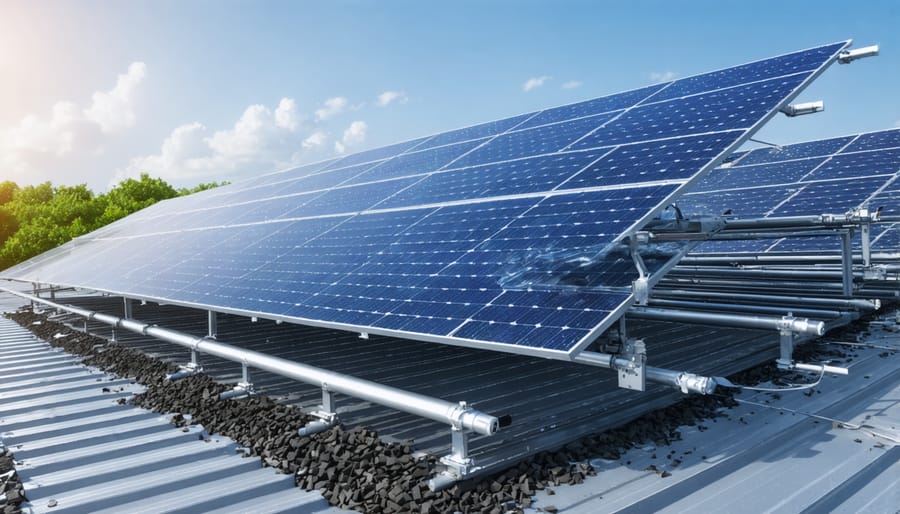
The solar industry is witnessing remarkable advancements in recycling technologies that promise to revolutionize resource recovery from photovoltaic panels. Advanced thermal and chemical processes are being developed to extract high-purity silicon, silver, and other valuable materials with unprecedented efficiency. These innovations include automated dismantling systems that can separate components with minimal material loss and specialized chemical treatments that achieve recovery rates exceeding 95% for critical materials.
Research institutions and industry leaders are collaborating on breakthrough technologies such as electrostatic separation methods for recovering semiconductor materials and novel hydrometallurgical processes that enable selective metal extraction. These developments are particularly significant for recovering rare earth elements and precious metals used in solar cell manufacturing.
Emerging robotics and artificial intelligence applications are enhancing the precision and cost-effectiveness of recycling operations. Smart sorting systems can now identify and categorize different types of solar panels and their components, streamlining the recycling process. Additionally, circular economy initiatives are driving the development of design-for-recycling approaches, where new solar panels are engineered specifically to facilitate end-of-life material recovery.
The integration of blockchain technology for material tracking and digital passport systems ensures transparency in the recycling chain, while advances in mechanical recycling techniques are reducing energy consumption and processing costs. These innovations collectively support the solar industry’s transition toward complete material circularity and enhanced sustainability.
Environmental Impact Assessment
Carbon Footprint Analysis
The carbon footprint analysis of solar energy systems requires a comprehensive lifecycle assessment, from raw material extraction through manufacturing, operation, and eventual disposal. While solar panels generate clean electricity during operation, understanding the environmental impact of solar manufacturing is crucial for evaluating their true sustainability.
Research indicates that the carbon payback period for solar panels typically ranges from 1 to 4 years, depending on geographical location, panel efficiency, and manufacturing processes. Modern solar panels produce 20-30 times more clean energy during their lifetime than what is consumed during their production. The average solar installation prevents approximately 1.5 to 3.5 metric tons of carbon emissions annually, offsetting the initial carbon investment within the first few years of operation.
Manufacturing emissions primarily stem from energy-intensive processes in silicon purification and cell production. However, technological advancements and increasing use of renewable energy in manufacturing facilities are steadily reducing the carbon footprint of production. The industry’s shift toward more efficient manufacturing processes and sustainable practices has resulted in a 40% reduction in production-related emissions over the past decade.
When compared to fossil fuel alternatives, solar energy systems demonstrate significantly lower lifecycle carbon emissions. While coal-fired power plants emit approximately 820 grams of CO2 per kilowatt-hour, solar PV systems generate only 40-48 grams of CO2 per kilowatt-hour when accounting for their entire lifecycle, making them a substantially more climate-friendly energy option.
Resource Depletion Factors
While solar energy itself is infinitely renewable, the production of solar panels and associated equipment does impact natural resource reserves. The primary materials used in photovoltaic cell manufacturing include silicon, silver, aluminum, copper, and various rare earth elements. Silicon, the most abundant element in Earth’s crust after oxygen, poses minimal resource depletion concerns. However, other critical materials warrant closer examination.
Silver, essential for electrical contacts in solar cells, faces potential supply constraints. Current estimates suggest global silver reserves could support solar industry growth for several decades, though increasing demand may affect availability and prices. Rare earth elements, particularly indium and tellurium used in thin-film technologies, represent a more pressing concern due to their limited geological availability.
The aluminum and copper used in panel frames and wiring are generally abundant, though their extraction and processing carry environmental implications. Manufacturing processes also require water resources, with estimates indicating that producing a typical solar panel requires approximately 20 gallons of water, primarily for cooling and cleaning purposes.
Material efficiency improvements and technological innovations are helping address these resource challenges. Advanced manufacturing techniques have reduced silicon usage per watt of power output by over 60% in the past decade. Additionally, emerging technologies exploring alternative materials and more efficient designs promise to further minimize resource dependencies.
Research institutions and manufacturers are actively developing solutions that require fewer rare materials while maintaining or improving panel efficiency. This includes investigating abundant alternatives to silver and reducing overall material intensity in production processes.
Solar photovoltaic technology has demonstrated its position as a truly renewable energy source, though with important considerations for long-term sustainability. The evidence clearly shows that solar PV systems generate clean electricity throughout their operational lifetime while producing minimal environmental impact compared to fossil fuel alternatives. The abundant and inexhaustible nature of solar radiation, combined with advancing recycling capabilities and improving manufacturing processes, reinforces solar’s renewable status.
Looking ahead, the industry is making significant strides in addressing key sustainability challenges. Manufacturers are developing more efficient production methods that reduce energy consumption and waste. Research institutions and companies are investing in innovative recycling technologies to recover and reuse valuable materials from decommissioned panels. Additionally, the emergence of circular economy practices in the solar sector promises to further minimize environmental impact and resource depletion.
To maintain solar energy’s renewable credentials, continued focus must be placed on sustainable manufacturing, responsible material sourcing, and end-of-life management. The industry’s commitment to research and development, coupled with supportive policy frameworks, suggests a promising future where solar PV technology becomes increasingly sustainable throughout its entire lifecycle. As efficiency improvements and technological innovations continue, solar energy is positioned to play an even more crucial role in the global transition to renewable energy sources while maintaining its status as a truly renewable technology.