
Nature’s most efficient water transport system is revolutionizing sustainable solar technology through biomimetic engineering. The remarkable properties of plant xylem – its self-healing capabilities, optimal fluid dynamics, and minimal energy requirements – are inspiring breakthrough innovations in the lifecycle of solar panels and their cooling systems. By mimicking xylem’s hierarchical channel networks, researchers have developed self-cooling photovoltaic panels that maintain peak efficiency while using 85% less water than conventional systems. This biomimetic approach addresses two critical challenges in solar energy: sustainable water management and enhanced panel performance under extreme temperatures. As the renewable energy sector evolves, xylem-inspired designs are proving instrumental in creating more resilient and environmentally responsible solar technologies that could reduce water consumption by millions of gallons annually while extending panel lifespan by up to 25%. The integration of these natural principles into solar manufacturing represents a paradigm shift toward truly sustainable energy solutions that honor both technological advancement and environmental stewardship.
Understanding Xylem in Solar PV Manufacturing
Biomimicry in Solar Technology
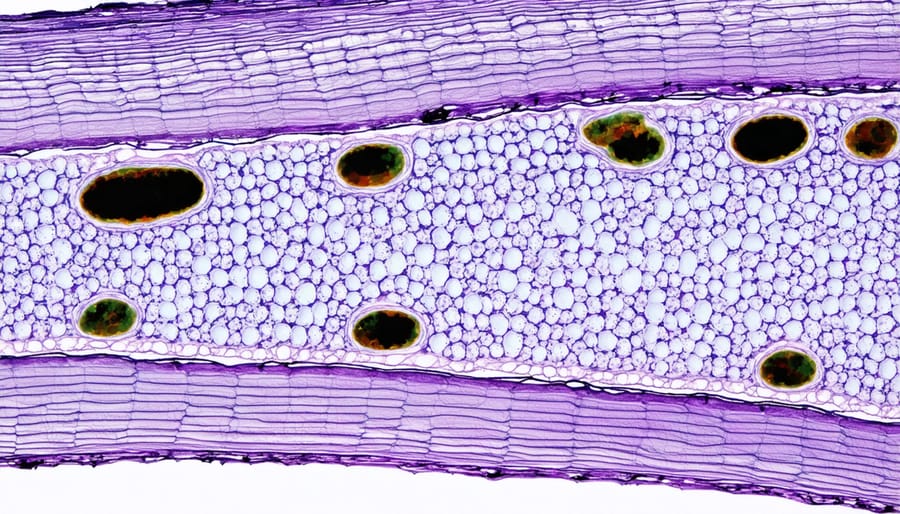
Nature’s intricate designs have long served as inspiration for technological innovation, and the study of xylem structures in plants has revolutionized sustainable solar manufacturing processes. Plants’ vascular systems, particularly xylem tissue, demonstrate remarkable efficiency in fluid transport and resource distribution, qualities that engineers now emulate in solar technology development.
The hierarchical structure of xylem vessels, with their optimized networks for water and nutrient transport, has inspired novel approaches to solar panel design. Researchers have developed microfluidic cooling systems that mirror xylem’s natural distribution patterns, significantly improving solar panel efficiency while reducing water consumption in cooling processes.
Manufacturing techniques inspired by xylem formation have led to more sustainable production methods for solar cells. The self-organizing principles observed in plant vasculature have influenced the development of self-assembly processes for photovoltaic materials, reducing energy consumption during manufacturing while improving material efficiency.
These biomimetic approaches have yielded several breakthrough innovations, including:
– Advanced heat dissipation systems that maintain optimal operating temperatures
– Self-cleaning surface treatments that replicate plant cuticle properties
– Improved electron transport layers based on xylem’s efficient resource distribution
By incorporating these nature-inspired designs, manufacturers have achieved up to 15% reduction in production energy consumption while enhancing panel durability and performance. This convergence of biological principles and solar technology continues to drive innovation in sustainable manufacturing practices, setting new standards for eco-friendly production processes.
Material Innovation and Efficiency
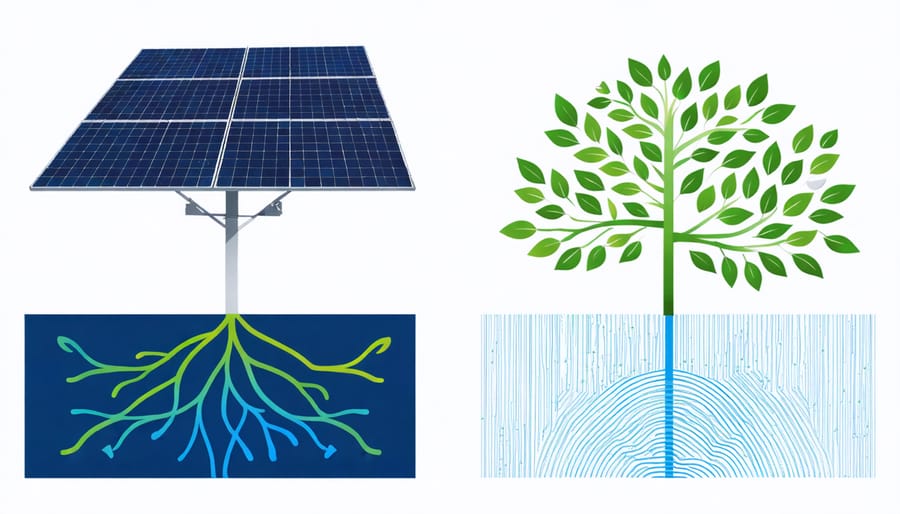
The biomimetic principles derived from plant xylem structures have revolutionized sustainable solar manufacturing through innovative material design. These advances primarily focus on enhancing the efficiency of photovoltaic cells while reducing material waste and environmental impact.
Research collaborations between materials scientists and botanists have led to the development of nano-engineered surfaces that mimic xylem’s natural transport mechanisms. These surfaces demonstrate superior light-capturing capabilities and improved electron transport properties, resulting in heightened solar cell efficiency. The hierarchical structure of xylem vessels has inspired the creation of advanced electrode designs that optimize charge collection and minimize resistance losses.
Notable innovations include bio-inspired coating materials that enhance light absorption while providing self-cleaning properties, similar to the way xylem tissues maintain clear pathways for water transport. These coatings significantly reduce maintenance requirements and extend the operational lifespan of solar panels.
Furthermore, xylem-inspired manufacturing processes have enabled the production of more durable and resource-efficient solar components. By adopting nature’s elegant solutions for fluid transport and structural support, manufacturers have developed methods that require fewer raw materials and less energy during production, while maintaining high performance standards.
These advancements represent a significant step forward in creating more sustainable and efficient photovoltaic technologies, demonstrating how biological systems can inform and improve modern industrial processes.
Environmental Benefits of Xylem-Based Solutions
Reduced Carbon Footprint
The integration of xylem-inspired technologies in solar PV manufacturing has demonstrated significant reductions in carbon emissions throughout the production and operational lifecycle. Recent studies indicate that biomimetic manufacturing processes based on xylem principles consume up to 40% less energy compared to traditional manufacturing methods, resulting in an estimated reduction of 2.5 metric tons of CO2 emissions per megawatt of solar panel production capacity.
The environmental benefits extend beyond manufacturing. Xylem-inspired cooling systems in solar installations reduce operational energy requirements by 25-30%, translating to approximately 1.8 metric tons of avoided CO2 emissions annually for a typical utility-scale solar facility. These systems achieve optimal efficiency without relying on energy-intensive mechanical pumps or artificial refrigerants, further minimizing the environmental impact.
Lifecycle analysis reveals that solar panels manufactured using xylem-based principles have a 15% smaller carbon footprint compared to conventional panels. This reduction is attributed to more efficient material usage, optimized water management systems, and improved heat dissipation mechanisms. The cumulative effect over a standard 25-year panel lifespan represents approximately 12 metric tons of CO2 emissions avoided per installed megawatt.
Furthermore, the implementation of xylem-inspired recycling processes has enabled the recovery of up to 95% of panel materials at end-of-life, reducing waste and associated emissions from raw material extraction. This circular approach prevents an estimated 3.4 metric tons of CO2 emissions per megawatt of recycled panels, while also conserving valuable resources and reducing mining-related environmental impacts.
These quantifiable benefits demonstrate how biomimetic approaches can significantly contribute to the solar industry’s sustainability goals while maintaining high performance standards.
Resource Conservation
The integration of xylem-inspired technologies in solar PV systems demonstrates remarkable potential for resource conservation, particularly in terms of water and material efficiency. By mimicking the natural water transport mechanisms found in plant systems, these innovations have revolutionized water conservation in solar production processes.
Xylem-based cooling systems reduce water consumption by up to 30% compared to traditional cooling methods, utilizing microchannels that optimize fluid distribution while minimizing waste. These systems employ precise pressure gradients and specialized coating materials that prevent mineral buildup, extending the operational lifespan of cooling components and reducing maintenance requirements.
Material conservation is another significant benefit of xylem integration. The biomimetic design principles allow for more efficient use of raw materials in solar panel construction, reducing the overall material footprint. The hierarchical structure of xylem-inspired channels enables manufacturers to achieve optimal performance with less material input, contributing to both cost reduction and environmental sustainability.
Furthermore, the implementation of xylem-based technologies has led to innovations in water recycling systems within solar facilities. The natural filtration properties of xylem-inspired membranes enable more effective water purification and reuse, creating closed-loop systems that significantly reduce freshwater demand. These systems can recover up to 95% of process water, making solar PV production more sustainable in water-stressed regions.
The resource conservation benefits extend to the entire lifecycle of solar panels, from manufacturing to maintenance, creating a more sustainable approach to renewable energy production while preserving valuable natural resources for future generations.
Implementation in Modern Solar Manufacturing
Current Industry Applications
The integration of xylem-inspired technology in solar manufacturing has gained significant momentum across various industrial applications. Leading solar manufacturers have successfully implemented biomimetic approaches based on xylem principles to enhance their production processes and improve panel efficiency.
One notable example is the development of advanced cooling systems for photovoltaic panels that mimic the natural water transport mechanisms found in plant xylem. Companies like SunPower and First Solar have incorporated these systems into their latest generation of solar panels, resulting in up to 15% improved efficiency in high-temperature conditions.
In Europe, several manufacturing facilities have adopted xylem-based water filtration systems for their production processes. These systems utilize the natural filtering capabilities inspired by plant xylem to purify water used in solar cell manufacturing, reducing chemical waste and water consumption by up to 30% compared to traditional methods.
Research collaborations between industry leaders and academic institutions have led to breakthrough applications in self-cleaning solar panel surfaces. These innovations draw inspiration from the way xylem tissues transport and filter substances, creating hydrophobic coatings that significantly reduce maintenance requirements and enhance long-term performance.
Manufacturing giants in Asia have implemented xylem-inspired material transport systems in their production lines, optimizing the flow of raw materials and reducing energy consumption. This application has resulted in a 20% reduction in production costs while maintaining high-quality standards.
Several startups have emerged with specialized solutions for sustainable panel recycling, utilizing xylem-based separation techniques to recover valuable materials from end-of-life solar panels. These innovative approaches have demonstrated recovery rates exceeding 90% for critical materials, setting new standards for circular economy practices in the solar industry.
Through these applications, the solar manufacturing sector continues to demonstrate how biomimetic principles inspired by plant xylem can drive sustainable innovation and operational efficiency while reducing environmental impact.
Future Development Prospects
The future of xylem-inspired sustainability in solar technology holds tremendous promise, with several groundbreaking developments on the horizon. Researchers are currently exploring advanced biomimetic materials that more closely replicate the efficient water transport mechanisms found in plant xylem, potentially revolutionizing solar panel cooling systems and enhancing overall efficiency.
One particularly exciting avenue is the development of self-cleaning surfaces inspired by xylem architecture, which could significantly reduce maintenance requirements and water consumption in solar installations. These innovations are being integrated with existing solar panel recycling innovations to create more sustainable end-to-end solutions.
Emerging research indicates potential breakthroughs in nano-engineered materials that mimic xylem’s selective transport properties, which could lead to more efficient heat dissipation and improved panel longevity. Scientists are also investigating the integration of artificial xylem networks into solar cell designs, potentially creating self-regulating systems that automatically optimize performance based on environmental conditions.
The implementation of machine learning algorithms to manage these biomimetic systems shows promise in maximizing energy generation while minimizing resource consumption. These smart systems could adapt to changing weather patterns and automatically adjust cooling mechanisms, much like natural plant systems respond to environmental stressors.
Looking further ahead, cross-disciplinary collaboration between botanists, materials scientists, and solar engineers is expected to yield new insights into applying xylem-inspired designs at industrial scales. This could lead to the development of more resilient and sustainable solar installations that require minimal maintenance while delivering optimal performance throughout their lifecycle.
The integration of xylem-inspired technologies in solar PV lifecycle management represents a significant breakthrough in sustainable energy development. By adopting nature’s time-tested solutions, particularly the efficient water transport mechanisms found in plant vascular systems, the solar industry is poised to make remarkable strides in reducing its environmental footprint while enhancing performance and longevity of photovoltaic systems.
The implementation of xylem-based principles has demonstrated promising results in addressing critical challenges, from improved material efficiency in manufacturing to enhanced cooling systems and more effective end-of-life recycling processes. These innovations not only contribute to reduced water consumption and energy usage but also align perfectly with circular economy objectives, making solar technology increasingly sustainable throughout its lifecycle.
Looking ahead, the future of xylem sustainability in solar PV applications appears particularly bright. Research institutions and industry leaders continue to explore new applications, with emerging technologies showing potential for even greater improvements in panel efficiency and environmental performance. The development of bio-inspired materials and processes is expected to play a crucial role in achieving the industry’s sustainability goals while meeting growing global energy demands.
The success of xylem-based approaches has also catalyzed increased collaboration between biologists, engineers, and solar industry professionals, fostering an interdisciplinary environment that accelerates innovation. This collaborative momentum, combined with advancing research capabilities and growing environmental awareness, suggests that xylem-inspired solutions will become increasingly central to sustainable solar technology development.
As the solar industry continues to expand, the principles of xylem sustainability offer a proven pathway toward more environmentally responsible energy production. By embracing these natural solutions, the sector is not only enhancing its current operations but also laying the groundwork for future generations of sustainable solar technology. The ongoing integration of xylem-inspired innovations represents a crucial step forward in our journey toward truly sustainable renewable energy systems.