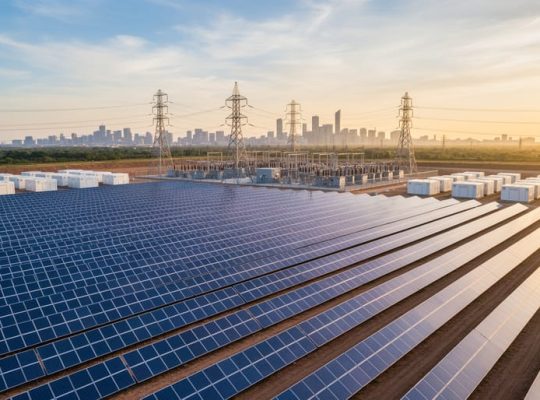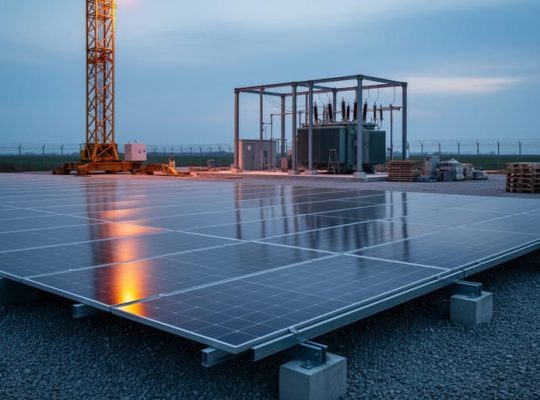
Public-private partnerships have emerged as transformative mechanisms for accelerating solar energy deployment worldwide, combining governmental policy support with private sector efficiency and innovation. These collaborative frameworks enable large-scale photovoltaic projects that neither sector could feasibly execute independently, addressing critical infrastructure gaps while advancing renewable energy targets.
Understanding how PPPs function in practice requires examining specific implementations across diverse markets and regulatory environments. Successful solar PPPs typically involve risk-sharing agreements where public entities provide land access, regulatory streamlining, or revenue guarantees, while private partners contribute capital investment, technical expertise, and operational management. This synergy has proven particularly effective in emerging markets where capital constraints limit public investment capacity yet abundant solar resources present significant generation potential.
The educational value of studying concrete examples extends beyond theoretical frameworks. Aspiring photovoltaic professionals gain insights into contract structuring, financing mechanisms, and stakeholder coordination that textbooks alone cannot provide. Policy makers discover replicable models adaptable to local contexts, while industry stakeholders identify partnership opportunities and competitive advantages. Each case study reveals critical success factors including transparent procurement processes, clearly defined performance metrics, equitable risk allocation, and sustained political commitment.
From India’s solar park initiatives to North American utility-scale installations, PPP models demonstrate remarkable flexibility in addressing regional challenges. These partnerships have facilitated gigawatt-scale capacity additions, reduced electricity costs for consumers, created employment opportunities, and catalyzed supply chain development. Examining these implementations illuminates both opportunities and pitfalls, equipping stakeholders with practical knowledge for structuring effective collaborations that advance global renewable energy transition while delivering measurable economic and environmental benefits to participating communities.
Understanding Public-Private Partnership Models in Solar Energy
Core Components of Solar PPP Structures
Solar public-private partnerships rely on four fundamental components that determine project success and sustainability. Understanding these elements is essential for anyone entering the renewable energy sector or evaluating collaborative infrastructure ventures.
The foundation begins with financing mechanisms that blend public capital with private investment. Private partners typically provide upfront capital for construction and equipment procurement, while public entities may contribute land, existing infrastructure, or guaranteed long-term purchase agreements. These arrangements often include tax incentives, grants, or concessional loans that reduce financial barriers and improve project viability.
Contractual frameworks establish clear obligations between parties through Power Purchase Agreements (PPAs) or Energy Service Agreements (ESAs). These legally binding documents specify project timelines, energy delivery targets, pricing structures, and quality standards. Most solar PPPs operate under 20-25 year contracts, providing revenue certainty for private investors while ensuring stable energy costs for public beneficiaries.
Risk-sharing arrangements distribute potential challenges across both partners according to their capacity to manage specific risks. Private entities typically assume construction, technology, and operational risks, while public partners may absorb regulatory or demand-side risks. This balanced allocation encourages efficient project execution and sustainable operations.
Performance obligations define measurable outcomes, including energy generation targets, system availability percentages, and environmental impact metrics. Monitoring systems track actual performance against contractual commitments, with financial penalties or bonuses tied to results. This accountability framework ensures both parties remain invested in optimizing solar asset performance throughout the partnership lifecycle.
Why Solar Projects Are Ideal for PPP Models
Solar energy projects possess distinctive characteristics that align exceptionally well with public-private partnership frameworks, making them an optimal candidate for collaborative development models. The capital-intensive nature of photovoltaic installations requires substantial upfront investment that can strain public budgets alone. By attracting private sector capital, governments can accelerate deployment without shouldering the entire financial burden, while private entities gain access to stable, government-backed projects.
The predictable revenue streams and long-term returns inherent in solar developments appeal to private investors seeking consistent cash flows over 20-30 year operational periods. This extended timeline matches well with infrastructure financing models and allows for patient capital deployment that benefits both parties.
Solar projects deliver measurable environmental benefits that align with public policy objectives, including carbon emissions reduction, air quality improvement, and climate change mitigation. These externalities justify public sector involvement while private expertise ensures efficient execution.
The technological sophistication required for modern photovoltaic systems necessitates specialized knowledge in system design, procurement, installation, and maintenance. Private companies bring cutting-edge technical capabilities, innovation capacity, and operational efficiency that complement public sector planning and regulatory authority. Universities collaborating in these partnerships contribute research insights and workforce development programs, creating a comprehensive ecosystem that addresses multiple stakeholder needs while advancing renewable energy adoption at scale.
Real-World Public-Private Partnership Examples in Solar Development
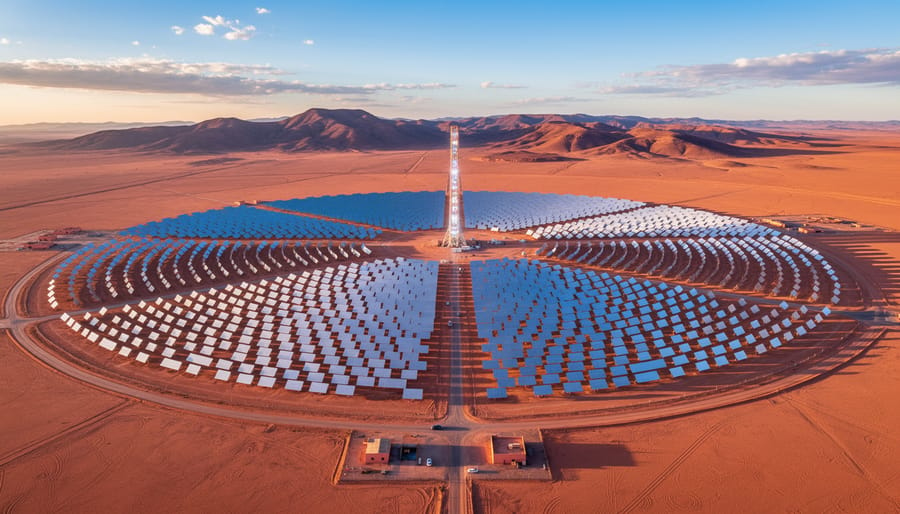
Morocco’s Noor Ouarzazate Solar Complex
Morocco’s Noor Ouarzazate Solar Complex stands as a landmark achievement in public-private collaboration, demonstrating how strategic partnerships can deliver renewable energy infrastructure at unprecedented scale. Located in the Drâa-Tafilalet region, this largest concentrated solar power installation globally spans over 3,000 hectares and generates 580 megawatts of clean electricity, powering more than one million Moroccan homes.
The partnership structure brings together the Moroccan Agency for Sustainable Energy (MASEN) as the primary public entity with international private consortiums including ACWA Power, Sener, and other European firms. MASEN retained a 25 percent equity stake while private partners assumed responsibility for financing, construction, and operations under a build-own-operate-transfer framework. This arrangement allowed Morocco to leverage private sector expertise and capital while maintaining strategic control over a critical national infrastructure asset.
The financing model proved particularly innovative, combining concessional loans from development banks, commercial debt, and equity investments totaling approximately $9 billion across the complex’s four phases. International financial institutions, including the World Bank and African Development Bank, provided crucial risk mitigation through partial guarantees, making the project attractive to private investors.
Outcomes have exceeded initial projections in several dimensions. The complex has created over 10,000 construction jobs and 1,000 permanent positions while catalyzing Morocco’s broader renewable energy transition. Collaborative agreements with Mohammed VI Polytechnic University established research programs studying concentrated solar power optimization, thermal storage technologies, and grid integration strategies. These educational partnerships ensure knowledge transfer to Moroccan engineers and researchers, building domestic capacity for future projects. The complex now serves as a training ground for solar professionals across Africa and the Middle East, hosting technical workshops and industry conferences that advance regional expertise in renewable energy deployment.
India’s Solar Park Scheme
India has emerged as a global leader in renewable energy infrastructure through its Solar Park Scheme, which exemplifies an innovative multi-tier public-private partnership model. Launched in 2014 by the Ministry of New and Renewable Energy, this initiative facilitates collaboration between central government agencies, state governments, and private sector developers to create utility-scale solar installations with shared infrastructure.
The scheme’s structure addresses a fundamental challenge in renewable energy deployment: the high initial cost of land acquisition and transmission infrastructure. Under this framework, state governments and central authorities jointly develop solar parks ranging from 500 MW to over 2,000 MW capacity, providing ready-to-use land parcels with pre-installed evacuation systems, water access, and road connectivity. Private developers then bid competitively to install and operate individual solar projects within these designated zones, significantly reducing their upfront investment requirements and project timelines.
The Bhadla Solar Park in Rajasthan stands as the program’s flagship achievement. Spanning 14,000 acres in one of India’s most arid regions, Bhadla has attracted substantial private investment and achieved record-low tariffs of 2.44 rupees per kilowatt-hour through competitive reverse auctions. This success stems from the risk-sharing mechanism inherent in the PPP structure: government entities absorb land and infrastructure costs while private operators leverage their technical expertise and capital efficiency.
The replication potential of this model extends beyond India’s borders. Countries with similar geographic profiles and renewable energy targets can adapt this framework by establishing clear regulatory guidelines, ensuring bankable power purchase agreements, and maintaining transparent competitive bidding processes. Academic institutions have partnered with government agencies to study implementation outcomes, contributing valuable insights for optimizing future solar park developments across emerging markets.
Australia’s Renewable Energy Procurement Programs
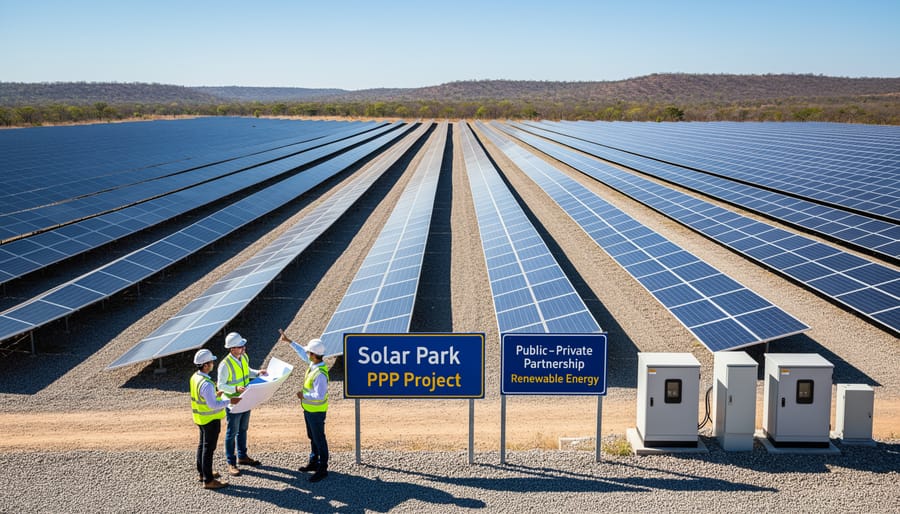
Australian states have pioneered innovative public-private partnership models for renewable energy procurement, with the Australian Capital Territory (ACT) establishing a benchmark framework through competitive reverse auctions. These programs demonstrate how government entities can leverage private sector expertise and capital while achieving ambitious renewable energy targets through structured procurement mechanisms.
The ACT’s reverse auction programme exemplifies strategic PPP implementation, having successfully contracted over 600 megawatts of renewable energy capacity through multiple competitive rounds. This approach invites private developers to bid for long-term contracts, with the government selecting proposals offering the best value combination of price certainty and project viability. The reverse auction mechanism creates competitive tension among bidders, driving down electricity costs while maintaining quality standards.
Central to this model are power purchase agreements (PPAs) typically spanning 15-20 years, providing revenue certainty that enables private developers to secure project financing. The government commits to purchasing electricity at predetermined rates, effectively underwriting project economics while transferring construction and operational risks to private partners. These arrangements have attracted significant investment from both domestic and international renewable energy developers.
The ACT framework integrates educational partnerships with universities, facilitating research collaborations that advance solar technology understanding and workforce development. This multifaceted approach demonstrates how procurement programs can extend beyond immediate energy generation goals to cultivate broader industry capacity. Other Australian jurisdictions, including Victoria and Queensland, have adopted similar competitive procurement models, adapting the ACT’s successful template to their specific renewable energy objectives and market conditions.
United States: Community Solar PPP Initiatives
Community solar public-private partnerships in the United States have emerged as powerful mechanisms for expanding solar access beyond traditional rooftop installations, enabling broader participation in renewable energy markets. These programs typically involve municipal governments or state agencies partnering with private solar developers to create shared solar arrays that serve multiple subscribers within a defined service territory.
Colorado’s Community Solar Gardens program exemplifies successful state-level PPP implementation. Established through collaborative efforts between Xcel Energy, local municipalities, and private developers, the program allows residential and commercial customers to purchase or lease portions of larger solar installations. The partnership structure enables cost-sharing for infrastructure development while providing guaranteed power purchase agreements that reduce private sector investment risk. Colorado’s model has facilitated over 300 megawatts of community solar capacity, with universities like Colorado State University partnering with developers to create educational opportunities for students studying renewable energy systems.
Minnesota’s Solar*Rewards Community program represents another innovative approach, requiring investor-owned utilities to procure community solar capacity through competitive bidding processes. Private developers construct and maintain facilities while municipalities provide land access and streamlined permitting. This framework has generated substantial distributed generation growth while maintaining accountability through public oversight.
New York’s Shared Renewables program integrates PPP structures with low-to-moderate income initiatives, partnering private developers with community organizations to ensure equitable access. The state provides incentives and technical support while private partners handle project development and operations, creating a balanced risk-sharing model that advances both commercial viability and social equity objectives in renewable energy deployment.

Common PPP Models for Solar Development
Build-Operate-Transfer (BOT) and Build-Own-Operate-Transfer (BOOT)
Build-Operate-Transfer (BOT) and Build-Own-Operate-Transfer (BOOT) models represent sophisticated PPP frameworks particularly well-suited for large-scale solar infrastructure development. Under BOT arrangements, a private consortium designs, finances, and constructs a solar facility, then operates it for a predetermined concession period—typically ranging from 15 to 30 years for photovoltaic projects. During this operational phase, the private partner recovers investments through electricity sales or government payments under power purchase agreements. Upon contract expiration, full ownership transfers to the public entity at minimal or no cost.
BOOT models function similarly, with one critical distinction: the private entity holds formal ownership throughout the concession period, providing stronger asset control and potentially improved financing terms. These arrangements typically include performance guarantees, maintenance obligations, and technology transfer provisions. For solar projects, contractual frameworks specify capacity targets, degradation allowances (commonly 0.5-0.7% annually), and operational standards.
Both models attract private capital while ensuring eventual public ownership of strategic energy assets. Universities collaborating on these projects often contribute technical expertise during feasibility studies and provide workforce training programs, strengthening the partnership’s long-term sustainability. The structured timeline allows governments to acquire modern solar infrastructure without immediate capital expenditure, while private partners secure reasonable returns on substantial upfront investments.
Joint Venture and Hybrid Models
Joint venture and hybrid models represent sophisticated partnership structures where public and private entities share both ownership stakes and operational responsibilities in solar energy projects. These arrangements typically involve equity splits ranging from 51/49 to 70/30, depending on each partner’s capital contribution, risk tolerance, and technical expertise. In India’s solar sector, the National Thermal Power Corporation formed a joint venture with private developers, establishing a 50/50 equity partnership that combined government land access with private sector efficiency. Governance structures in these models often include joint steering committees with equal representation, ensuring balanced decision-making authority. The European Investment Bank’s collaboration with private solar developers demonstrates hybrid financing, where public institutions provide subordinated debt while private partners manage operations and contribute equity. These arrangements prove particularly effective for large-scale utility projects requiring substantial upfront capital and long-term operational commitments. Universities increasingly participate in such ventures, contributing research facilities and workforce development programs while sharing in project revenues. Hybrid models distribute financial risks while leveraging each sector’s core competencies: public entities provide regulatory support and land access, while private partners deliver technological innovation and project management expertise.
Concession and Power Purchase Agreement (PPA) Models
Concession and Power Purchase Agreement (PPA) models represent one of the most prevalent frameworks for solar public-private partnerships, offering structured mechanisms for risk allocation and revenue certainty. Under these arrangements, governments grant private developers exclusive rights to construct and operate solar facilities on publicly owned land, typically for periods ranging from 20 to 30 years. In exchange, the government or designated utility commits to purchasing the generated electricity at predetermined rates.
The pricing structures within these agreements vary considerably based on market conditions and policy objectives. Feed-in tariffs guarantee fixed rates per kilowatt-hour throughout the contract term, providing developers with predictable revenue streams that facilitate project financing. Alternatively, competitive bidding processes have gained prominence, particularly in markets like India and the United Arab Emirates, where auction mechanisms have driven solar electricity prices to historically low levels, sometimes below $0.02 per kWh.
Term lengths typically align with the operational lifespan of solar equipment and debt repayment schedules. Standard 25-year PPAs balance investor requirements for long-term revenue security with government flexibility for future energy planning. These agreements often incorporate escalation clauses linked to inflation indices, ensuring price stability while accounting for economic fluctuations.
Universities collaborating on renewable energy research have contributed valuable insights into optimal PPA structuring, examining how different pricing mechanisms affect deployment rates and consumer costs. Educational programs increasingly incorporate case studies of successful concession models, preparing the next generation of professionals to navigate these complex contractual frameworks that underpin solar infrastructure development globally.
Key Success Factors for Solar PPP Implementation
Regulatory Framework and Policy Stability
A robust regulatory framework serves as the foundation for successful solar public-private partnerships, directly influencing private sector confidence and investment decisions. Clear legal structures that define ownership rights, operational responsibilities, and dispute resolution mechanisms reduce uncertainty and enable investors to accurately assess project risks. Countries with well-established PPP legislation, such as Chile and India, have demonstrated significantly higher success rates in attracting private capital for renewable energy initiatives.
Consistent energy policies provide the long-term stability essential for solar projects, which typically operate over 20-25 year periods. Policy frameworks must address feed-in tariffs, net metering arrangements, and grid access protocols while maintaining predictability across political transitions. Frequent regulatory changes or retroactive policy modifications can severely undermine investor confidence, as witnessed in several European markets during the 2010s.
Transparent regulatory environments featuring standardized procurement processes, competitive bidding procedures, and independent oversight bodies ensure fair market conditions. Regulatory certainty regarding environmental permits, land use approvals, and grid interconnection timelines directly impacts project feasibility and financing costs. Additionally, clear frameworks for contract enforcement and government guarantees minimize perceived risks, enabling private partners to secure favorable financing terms and ultimately deliver more cost-effective solar solutions for public benefit.
Risk Allocation and Financial Structuring
Successful public-private partnerships in solar energy require strategic risk allocation that leverages each partner’s comparative advantages. Public entities typically assume regulatory and political risks, while private partners manage technical implementation and operational challenges. This distribution ensures parties handle risks they can best control and mitigate.
Effective innovative financing mechanisms form the backbone of viable PPP solar projects. These include blended finance models combining public grants with private equity, revenue-sharing arrangements based on energy output, and performance-based contracts that align incentives. Universities collaborating on solar PPP projects often contribute research facilities while gaining practical educational opportunities for students.
Bankability assessments evaluate project feasibility from lenders’ perspectives, examining revenue predictability, legal frameworks, and credit enhancement structures. Proper financial structuring addresses concerns about long-term cash flows, technology performance guarantees, and exit strategies. Development banks and multilateral institutions frequently provide credit support, reducing financing costs and extending loan tenures. This comprehensive approach to risk and finance ensures projects remain sustainable throughout their operational lifecycle, delivering benefits to all stakeholders while advancing renewable energy deployment goals.
Stakeholder Engagement and Capacity Building
Successful public-private partnerships in solar energy extend beyond financial arrangements and technical implementation. Community involvement serves as a cornerstone for project acceptance and sustainability, requiring structured engagement from planning through operational phases. Governmental entities must develop institutional capacity to effectively negotiate contracts, monitor performance metrics, and enforce compliance standards. This capacity building often includes training programs in project finance, technical oversight, and regulatory frameworks specific to renewable energy infrastructure.
Knowledge transfer mechanisms prove essential for long-term PPP viability. Private partners contribute technical expertise and operational best practices, while public entities provide regulatory insights and community networks. Educational initiatives play a pivotal role in this ecosystem, preparing workforce talent and fostering public understanding of solar technologies. Organizations like Mose Solar exemplify this commitment through university collaborations and structured educational program offerings that bridge theoretical knowledge with practical application.
These stakeholder engagement strategies create resilient partnerships capable of adapting to technological advances and policy shifts. By investing in human capital development alongside physical infrastructure, PPPs generate sustainable value that extends beyond initial project timelines, establishing foundations for future renewable energy expansion.

Challenges and Solutions in Solar PPP Development
Solar public-private partnerships offer tremendous potential for renewable energy deployment, yet stakeholders consistently encounter several fundamental challenges that can impede project success. Understanding these obstacles and implementing proven solutions is essential for aspiring photovoltaic professionals and industry stakeholders navigating this collaborative landscape.
Financial structuring represents one of the most significant hurdles in solar PPP development. Private investors often face uncertainty regarding long-term revenue streams, particularly in markets with fluctuating energy prices or unstable policy environments. To address this, successful partnerships incorporate power purchase agreements with fixed-rate structures spanning 15-25 years, providing predictable cash flows. Additionally, multilateral development banks and green climate funds have emerged as crucial partners, offering concessional financing that reduces initial capital barriers and improves project bankability.
Regulatory complexity and bureaucratic delays frequently extend project timelines and increase costs. Different governmental agencies may have conflicting requirements for land use, environmental permits, and grid interconnection. Progressive jurisdictions have responded by establishing dedicated PPP units within energy ministries that serve as single-point contacts, streamlining approval processes. Several universities have collaborated with government agencies to develop standardized contract templates and risk allocation frameworks, reducing negotiation periods from years to months.
- Access to substantial private capital without burdening public budgets
- Risk sharing between partners reduces individual exposure to market volatility
- Combination of public sector experience with private sector innovation and efficiency
- Accelerated project deployment through streamlined decision-making processes
- Complex contractual arrangements requiring extensive legal expertise and negotiation time
- Coordination challenges between multiple stakeholders with different priorities
- Political risks including policy changes and government transitions affecting long-term commitments
- Potential for higher financing costs compared to purely public financing options
Technical capacity gaps within public sector agencies can hinder effective oversight and performance monitoring. Educational program offerings through university partnerships have proven effective in building institutional knowledge, training government personnel in technical specifications, performance metrics, and contract management. Independent engineering consultants provide additional verification services, ensuring transparency and accountability throughout project lifecycles while bridging expertise disparities between partners.
Public-private partnerships represent a transformative mechanism for accelerating solar energy deployment worldwide. The successful examples examined throughout this article demonstrate that when structured effectively, PPPs create viable pathways for scaling renewable energy infrastructure while distributing financial risks and leveraging complementary expertise from both sectors. From large-scale utility projects to innovative community solar initiatives, these collaborative models have proven their capacity to overcome traditional barriers in capital access, technical implementation, and regulatory navigation.
The evolution of PPP frameworks continues to gain momentum as governments recognize the urgency of transitioning to clean energy sources. These partnerships not only mobilize substantial private investment but also introduce operational efficiencies and technology innovation that accelerate project delivery. As demonstrated by successful implementations across diverse geographic and economic contexts, adaptable PPP structures can be tailored to local conditions while maintaining financial viability.
Mose Solar plays a critical role in this evolving landscape through comprehensive educational programs designed to prepare the next generation of photovoltaic professionals. By collaborating with universities and offering specialized training, we equip industry stakeholders with the technical knowledge and project management skills essential for navigating complex PPP frameworks. This workforce development ensures that as partnership opportunities expand, qualified professionals are ready to execute ambitious solar projects.
Looking forward, PPP models will prove instrumental in achieving global renewable energy targets, offering scalable solutions that align governmental climate objectives with private sector innovation and capital deployment capabilities.